
What Is the Deadliest Martial Art? Comparison and Expert Insights
What is the deadliest martial art depends largely on your criteria: striking power, grappling control, or overall effectiveness in a fight. Martial arts like Silat and Kalaripayattu are known for their lethal techniques, while Brazilian Jiu-Jitsu excels in ground control making it deadly in close combat. Start by focusing on what type of combat suits your goals to build deadly skills effectively.
Key Takeaways
- Striking arts like Muay Thai are deadly with powerful, fast incapacitating blows.
- Grappling arts such as Brazilian Jiu-Jitsu require years to master joint locks and chokes, making them deadly on the ground.
- Kalaripayattu is among the oldest arts, combining strikes, pressure points, and weapons for lethal effectiveness.
- Military systems focus on quick incapacitation, using combined striking and grappling for practical self-defense.
- Training time affects deadliness: some arts need over a decade to reach black belt level, like BJJ.
- Mental conditioning in martial arts prepares you to stay calm and effective under pressure.
Which Martial Art Is the Deadliest and Why?
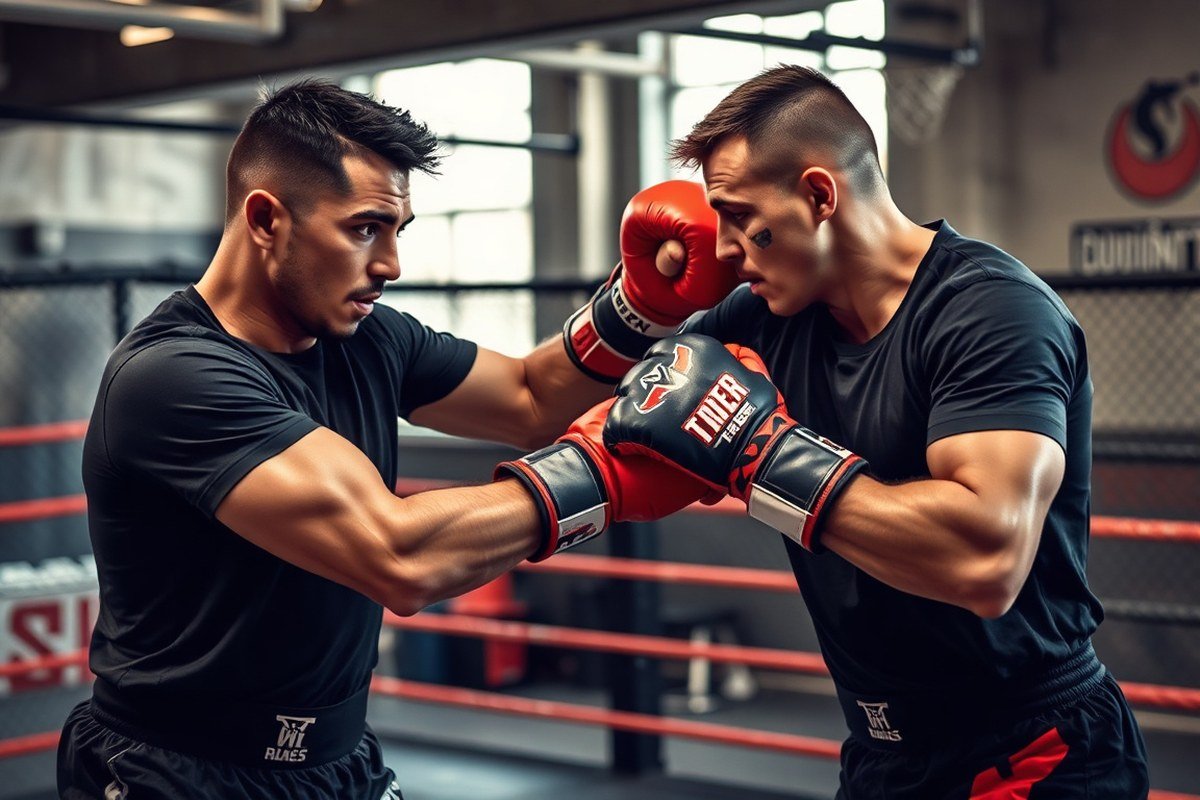
The deadliest martial art often depends on the factors that make a fighting system effective and dangerous in real combat. These factors include how effectively it can neutralize an opponent, the range and diversity of its techniques, control over the fight, and its historical use in violent encounters. A martial art’s lethality usually comes from combining striking power, grappling control, and practical application under pressure.
Mixed Martial Arts (MMA) combines striking and grappling from different fighting styles, creating a well-rounded skill set suited for actual combat. Krav Maga, developed in Israel, focuses on self-defense with fast, forceful attacks aimed at vulnerable areas. Muay Thai from Thailand uses powerful strikes and clinch moves that work well in tight combat situations. Brazilian Jiu-Jitsu teaches control and submission holds, enabling a smaller fighter to neutralize a bigger opponent effectively.
| Martial Art | Origin | Key Feature | Lethality Factors |
|---|---|---|---|
| Krav Maga | Israel | Real-world defense | Quick incapacitation, important targets |
| Muay Thai | Thailand | Powerful strikes | Clinching, body and head strikes |
| Brazilian Jiu-Jitsu | Brazil | Technique over strength | Submissions, control |
| MMA | Multiple | Striking + grappling | Complete combat skills |
| Wrestling | Various | Control and takedowns | Dominance in grappling |
| Kalaripayattu | India | Ancient strikes and weapons | Deadly precision and tradition |
| Boxing | Various | Punching power | Strikes to important areas |
| Silat | Indo-Asia | Joint manipulation | Rapid disabling moves |
| Kapu Ku’ialua | Hawaii | Bone breaking and joint locks | Devastating close combat |
| Taekwondo | Korea | Explosive kicks | Range and speed, precise strikes |
Choosing the deadliest martial art depends on what situations you expect to face and how you plan to use the skills. Some arts excel at quick neutralization of threats, while others focus on control and submission. Most of the deadliest martial arts have stood the test of time, proving their effectiveness in military or street combat scenarios. Training in these arts requires consistent practice, understanding the timing and accuracy of their key techniques, and developing both physical and mental conditioning.
How Striking and Grappling Affect Martial Arts Deadliness
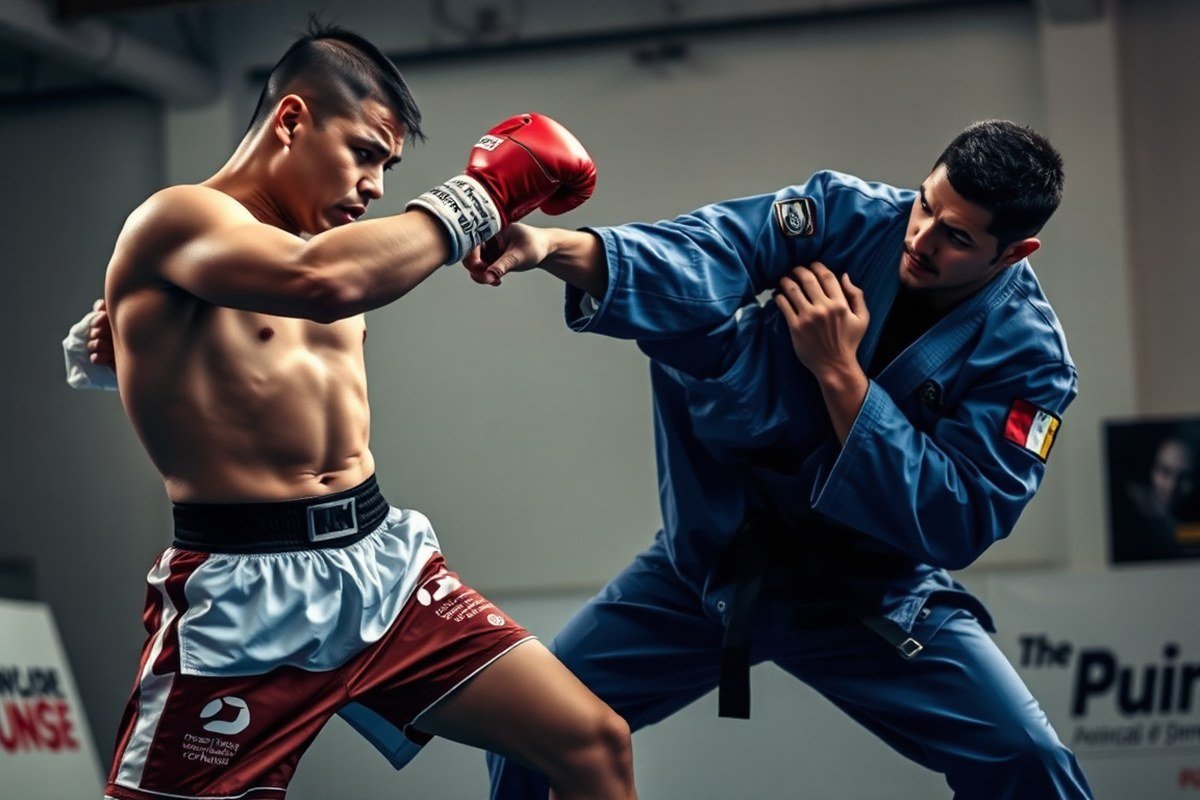
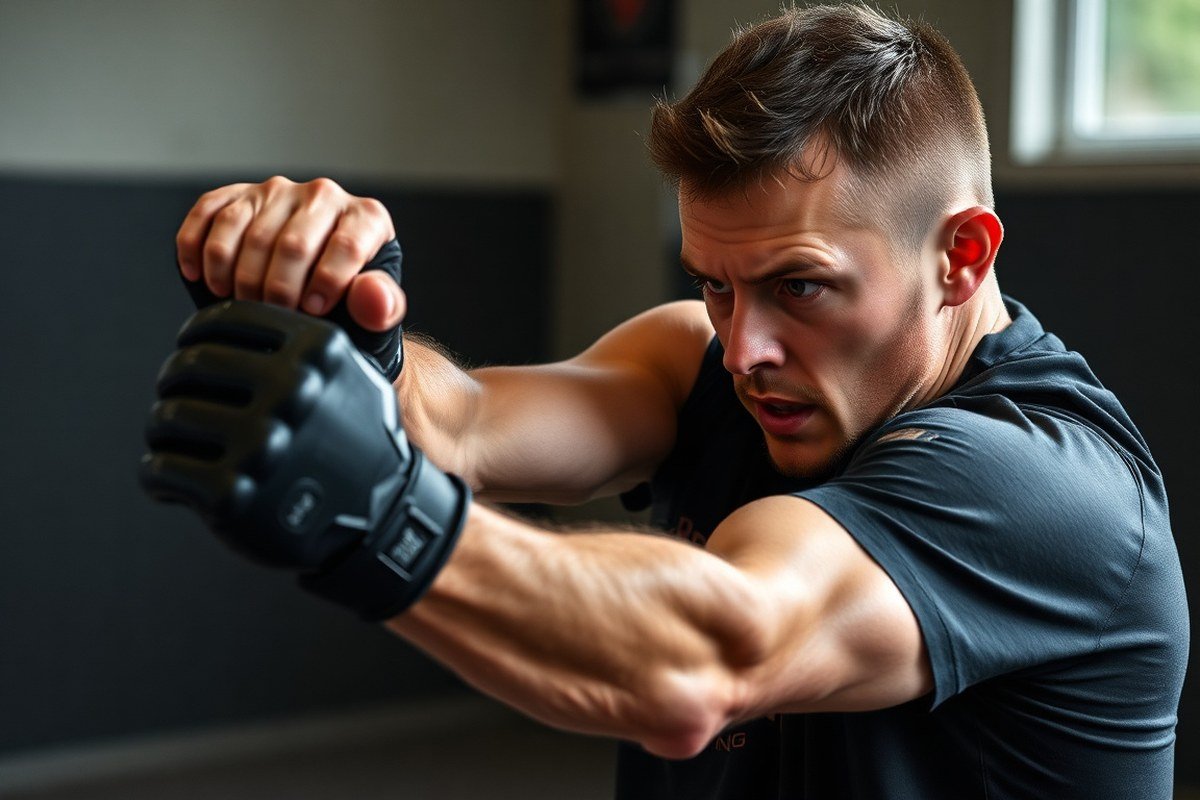
Striking techniques involve hitting an opponent using fists, elbows, knees, shins, or feet to cause immediate damage. Martial arts like Muay Thai or Kajukenbo emphasize quick, powerful strikes designed to incapacitate or seriously injure. The effectiveness of striking depends on precision and force, targeting vulnerable areas such as the head, throat, or solar plexus. For example, a well-timed knee strike to the throat can disrupt breathing or cause unconsciousness rapidly. Striking requires strong physical conditioning, speed, and coordination to deliver blows before the opponent can react. Mistimed strikes leave you exposed, making timing and accuracy critical. Striking usually offers quick results but relies heavily on maintaining distance and fast recovery.
Grappling techniques focus on controlling the opponent through holds, locks, throws, and submissions. Arts like Brazilian Jiu-Jitsu (BJJ) and Combat Sambo excel in ground control and joint manipulation. Grappling can neutralize threats by immobilizing or forcing submission without necessarily causing blunt trauma. This makes it effective in close-quarters combat or confined spaces where striking is limited. For instance, applying an armbar submission could break an opponent’s arm or cause intense pain leading to surrender. Grappling demands endurance, technical skill, and knowledge of biomechanics. It usually takes longer to control an opponent but minimizes risk of striking counterattacks. Grappling costs more time and stamina but offers increased control over the fight’s outcome.
The deadliest martial arts often combine Both striking and grappling for versatility. Mixed Martial Arts (MMA) and Combat Sambo illustrate this blend, allowing practitioners to switch between quick strikes and grappling based on the situation. For example, striking creates openings, then a grappling move secures control or a submission. Striking might end a confrontation fast, but grappling offers safety and control if striking fails or is restricted. Understanding when to shift between these techniques shapes a martial art’s overall potential lethality in real fights or self-defense scenarios.
Training Time and Mental Conditioning for Deadly Effectiveness
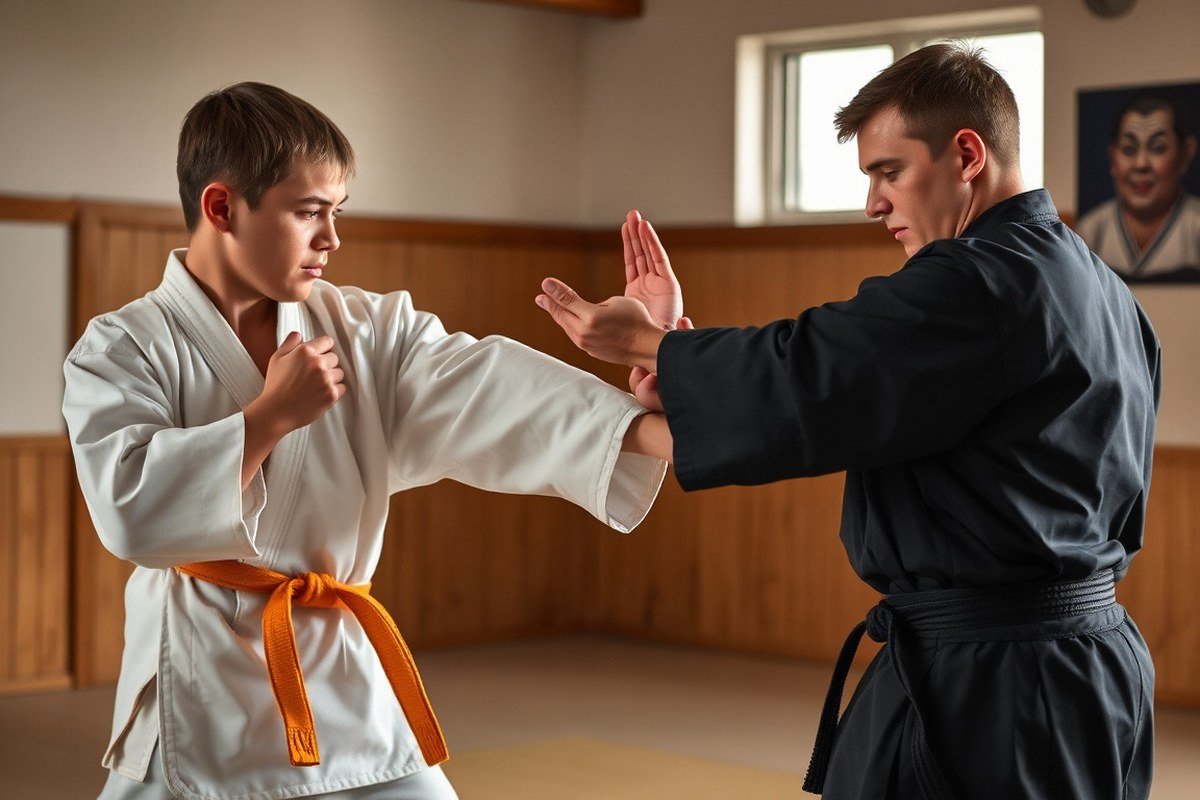
Achieving deadly proficiency in martial arts typically requires years of focused training, with timelines varying by discipline and individual commitment. For striking arts like Muay Thai or boxing, developing effective power and precision often takes 3 to 5 years of consistent practice, including regular sparring to simulate real combat conditions. Grappling arts such as Brazilian Jiu-Jitsu may require a similar timeline, often around 3 to 6 years, with an emphasis on live rolling to build reflexes and technique under pressure.
The intensity and structure of your training are critical. Martial arts that emphasize practical self-defense and live sparring, like MMA or Krav Maga, accelerate your readiness for deadly encounters by focusing on real-time decision-making and situational adaptability. Regular exposure to controlled yet unpredictable scenarios helps harden your mental state, reducing hesitation when faced with actual threats.
Mental conditioning plays a decisive role in combat lethality by improving focus, stress management, and resilience. Techniques such as controlled breathing, visualization, and mindset training, common in Systema and traditional arts like Shaolin Kung Fu, help maintain calm and clear thinking during chaos. This mental toughness directly affects your ability to apply techniques effectively under pressure, reducing errors that could prove fatal.
To develop these mental and physical attributes, structure your training sessions to include high-intensity drills interspersed with recovery, scenario-based sparring to simulate real encounters, and meditation or breath control exercises to improve focus. Expect to invest hours weekly over multiple years, with variation depending on your goals and available training resources. Skipping mental conditioning or avoiding live practice can leave you unprepared, despite technical proficiency.
When and Why Military and Self-Defense Systems Excel in Deadliness
Some martial arts are specifically designed for real-world combat and military use, focusing on practical lethality rather than sport or competition. Krav Maga, developed for the Israeli Defense Forces, stands out with its emphasis on rapid threat neutralization, weapon disarms, and techniques meant to end confrontations quickly and effectively. Its training centers on instinctive movements and targeting vulnerable areas like the throat and eyes, which makes it widely adopted by law enforcement and military personnel. Unlike sport martial arts, Krav Maga has no rules or formal competition and prioritizes survival in unpredictable, high-stakes environments.
Other martial arts with strong military applications include Silat from Southeast Asia, known for rapid strikes to critical points such as the eyes and throat, and Systema, a Russian system that focuses on fluid, internal-impact strikes targeting important organs. These arts often incorporate both armed and unarmed combat training, preparing practitioners for scenarios involving knives, sticks, or firearms alongside hand-to-hand techniques. For example, Silat’s training prepares fighters to use improvised weapons and adapt quickly to different attack types, increasing its lethality in real situations.
Military close-combat systems like the U.S. Marine Corps’ LINE emphasize battlefield effectiveness with techniques aimed at swift incapacitation. Sambo, developed in Russia, balances armed and unarmed approaches, combining submission holds with strikes to optimize versatility in combat. Since these martial arts are not bound by competition rules, they allow strikes to vulnerable areas and the use of force levels that produce quick and often lethal results.
Training in these systems usually demands rigorous physical conditioning, mental toughness, and scenario-based drills to build reflexive responses under pressure. Costs vary from self-study materials to intensive courses that can span months. Success in these arts looks like the ability to control or disable a threat rapidly with minimal wasted motion. Without proper control, practitioners risk serious injury, to themselves or others, highlighting the need for professional instruction and realistic training environments.
How Modern MMA Influences the Notion of Deadly Martial Arts
The rise of modern MMA has changed how you think about what makes a martial art deadly. MMA combines striking arts like Muay Thai and boxing with grappling disciplines such as Brazilian Jiu-Jitsu and wrestling. This mix lets fighters attack or defend from every position, making them effective no matter how a fight unfolds. You can see this clearly in UFC events, where fighters skilled in both stand-up and ground techniques consistently win against those relying on a single discipline.
Traditional martial arts like Kung Fu or Karate have techniques that can be deadly, but they often lack intense sparring and live combat practice. MMA fighters train with full resistance and realistic timing, which prepares them better for real fights. For example, Muay Thai, known for its powerful strikes including elbows and knees, combined with the submission holds of Brazilian Jiu-Jitsu, creates a deadly toolkit that covers both striking and grappling. This combination proved effective in many UFC fights, allowing competitors to control opponents in striking range or take the fight to the ground to finish it.
The concept of deadliness now includes not just individual moves but also how well you can adapt and blend multiple techniques. MMA’s hybrid nature emphasizes adaptability, precision, and the ability to shift between different fighting styles instantly. Training costs include dedicating time to learn striking, grappling, and wrestling fundamentals, along with developing conditioning to compete at high intensity. Good results look like controlling the fight’s pace, escaping bad positions, and finishing opponents quickly. Without this broad training, you risk being one-dimensional, which MMA history shows leads to losing in competition.
Common Myths and Safety Tips for Training Deadly Martial Arts
Many people believe that the deadliest martial arts automatically involve brutal, nonstop fighting or that practitioners risk life-threatening injuries every time they train. This is not true. Deadliness often relates to a martial art’s effectiveness in real combat situations, not the danger it poses during practice. Proper training environments minimize risks and focus on controlled techniques, making regular practice safe for most students. However, the intense physical demands and contact nature of these martial arts mean injuries and overtraining can occur without caution.
Training deadly martial arts comes with specific safety challenges. Practices involving striking, grappling, or weapons carry risks such as joint injuries, concussions, or muscle strains. Avoiding these requires a clear safety mindset and adherence to protocol. For example, wearing proper protective gear like mouthguards, gloves, shin guards, or headgear reduces impact injuries. Warming up and cooling down properly prevents muscle damage and improves recovery.
- Start each session with a 10-15 minute warm-up focusing on mobility and flexibility.
- Use appropriate protective equipment for the specific martial art.
- Train under qualified instructors who emphasize safety and technique.
- Listen to your body to prevent overtraining and allow rest days between intense sessions.
- Communicate clearly with training partners to control force and intensity.
- Stick to gradual progression, especially when learning dangerous techniques.
Practicing deadly martial arts does not mean risking breakdown or injury every time. With routine safety checks and a smart approach to training intensity, you can enjoy the benefits without undue risk. Consistent self-monitoring and following instructor guidance make these arts manageable while still building effective self-defense skills.
Choosing the Right Deadly Martial Art for Your Goals
Choosing a deadly martial art starts with clear personal goals. Think about what you want to achieve: self-defense, physical fitness, mental discipline, or combat readiness. A martial art’s effectiveness depends on how well it aligns with your values and practical needs. For example, Karate focuses on powerful, precise strikes and requires discipline, which suits those seeking both lethal potential and mental focus. Judo emphasizes grappling and throws, which can be deadly in close-quarters self-defense scenarios.
Realism matters when evaluating effectiveness. Look beyond flashy techniques to see how the art prepares you for unpredictable, high-pressure situations. Training with a qualified instructor ensures you learn techniques correctly and safely. Many deadly martial arts welcome beginners, but professional guidance avoids injuries and builds true skill over time.
- Define your primary goal: self-defense, sport, fitness, or combat
- Research martial arts’ origin and cultural context to match your local environment
- Assess accessibility of qualified instructors nearby
- Visit schools to observe or try introductory classes before committing
- Check instructor credentials and student reviews for reliability
- Consider training schedules, duration, and overall costs
- Consult a professional if you want intensive, real-world lethal training
Geographic location influences which deadly martial arts thrive and suit local conditions. For example, Muay Thai is popular in Southeast Asia due to cultural tradition and gym availability. In contrast, Krav Maga is widespread in urban areas with a focus on practical self-defense against common violent attacks. When lethal potential matters most, trust licensed professionals to guide you safely through realistic training environments to avoid injury and legal complications while building true effectiveness.
Your First Steps to Training a Deadly Martial Art
Start building deadly martial arts skills with a clear, structured approach. Focus on choosing the right style, consistent practice, and realistic training conditions.
- Before you start: Research martial arts that match your self-defense goals and physical capabilities. Choose one or two to explore and sign up for beginner classes to make sure you enjoy the style.
- Week 1: Attend your first class with a focus on basics, stances, strikes, or grappling moves depending on your style. Confirm you understand the fundamental techniques by practicing them at home.
- Weeks 2-4: Increase your training frequency to at least two times per week. Track progress by noting improvements in speed, accuracy, and control of your techniques.
- Month 2: Incorporate mental conditioning exercises like visualization and controlled sparring sessions. Notice your reaction times and ability to stay calm under pressure improving.
- Month 3: Start cross-training in complementary skills such as striking if your main focus was grappling, or vice versa. Check for better adaptability and effectiveness in live practice scenarios.
- After 3 months: Assess your progress with a skilled instructor or sparring partner. Identify weaknesses and ask for personalized drills to improve deadliness and self-defense effectiveness.
- Ongoing: Continue consistent training while practicing safety and injury prevention. Make sure to stay mentally resilient and physically prepared for real-world situations.
Frequently Asked Questions
What Martial Art Is Considered the Deadliest for Real-World Self-Defense?
Krav Maga is seen as the deadliest for real-world self-defense because it focuses on quickly neutralizing armed attackers using practical and aggressive techniques. It was developed for military use, emphasizing efficiency in life-threatening situations.
How Does the Deadliness of Martial Arts Vary with Weapon Training?
Martial arts that include weapon training often increase deadliness because they teach skills to handle knives, sticks, or guns, improving your ability to defend against armed opponents. This makes such styles practical for dangerous encounters beyond unarmed combat.
Can the Age or Fitness Level Affect How Deadly Your Martial Art Skills Are?
Yes, age and fitness impact your ability to apply deadly techniques effectively since strength, speed, and endurance play major roles in combat performance. Conditioning is necessary to maintain the effectiveness of any martial art in serious situations.
Is Mental Toughness More Important Than Physical Strength in Deadly Martial Arts?
Mental toughness often outweighs physical strength in deadly martial arts because staying calm and focused during extreme stress improves decision-making and reaction speed. Training should include stress management and scenario practice.
Does the Rule Set in Sport Martial Arts Reduce Their Deadliness?
Sport rules limit certain dangerous techniques, reducing deadliness compared to self-defense or military styles where no rules apply. Real-world situations rarely allow for sport-like restraints, so effectiveness changes outside competition.
Key Points to Remember
The deadliest martial art depends on your goals, training dedication, and context. Choose a style that suits your needs and commit to mastering its techniques and mindset. Start training deliberately today, and you’ll gain not only skills but the confidence to protect yourself effectively.