How to Cite Art Correctly a Complete Guide to Styles and Formats
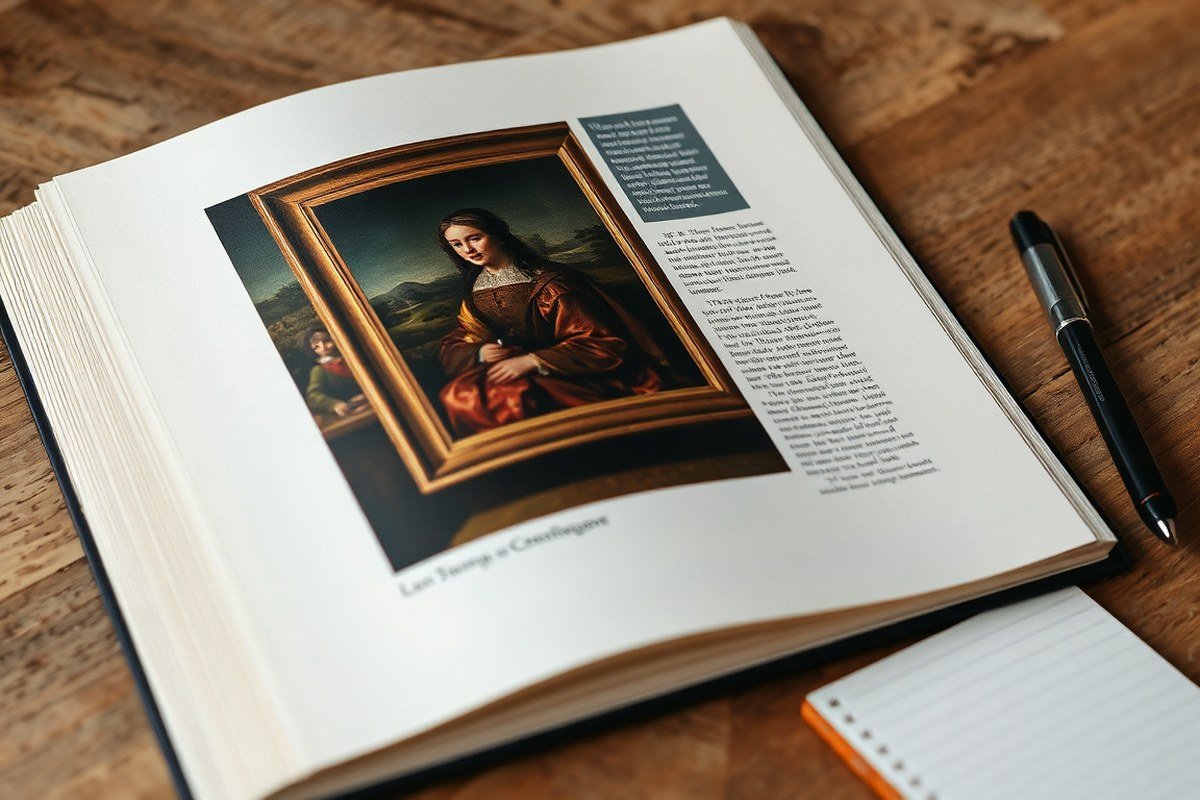
Knowing How to cite art correctly ensures recognition of the creator and avoids plagiarism. Use the artwork’s title, artist’s name, date, medium, and location to form the citation. Different styles like MLA, APA, and Chicago have specific formats, so choose the one your project requires and be consistent. Start by identifying the artwork’s essential details, such as the creator’s name and where the piece is housed, as this information is key to accurate citations.
Key Takeaways
- Include the artist’s full name, artwork title, creation date, medium, and current location in your citation.
- Cite reproductions of artwork by adding source details like the book, website, or museum collection it appears in.
- Use MLA, APA, or Chicago style guides precisely, following each format’s specific rules for art citations.
- For online artworks, provide the museum or gallery website link and its city location for accessibility.
- Note copyright duration varies by country; in the US and EU, it lasts the creator’s life plus 70 years.
- When citing artworks with many contributors, list up to 19 authors then use an ellipsis and the last author’s name.
What to Include When Citing Different Types of Artworks
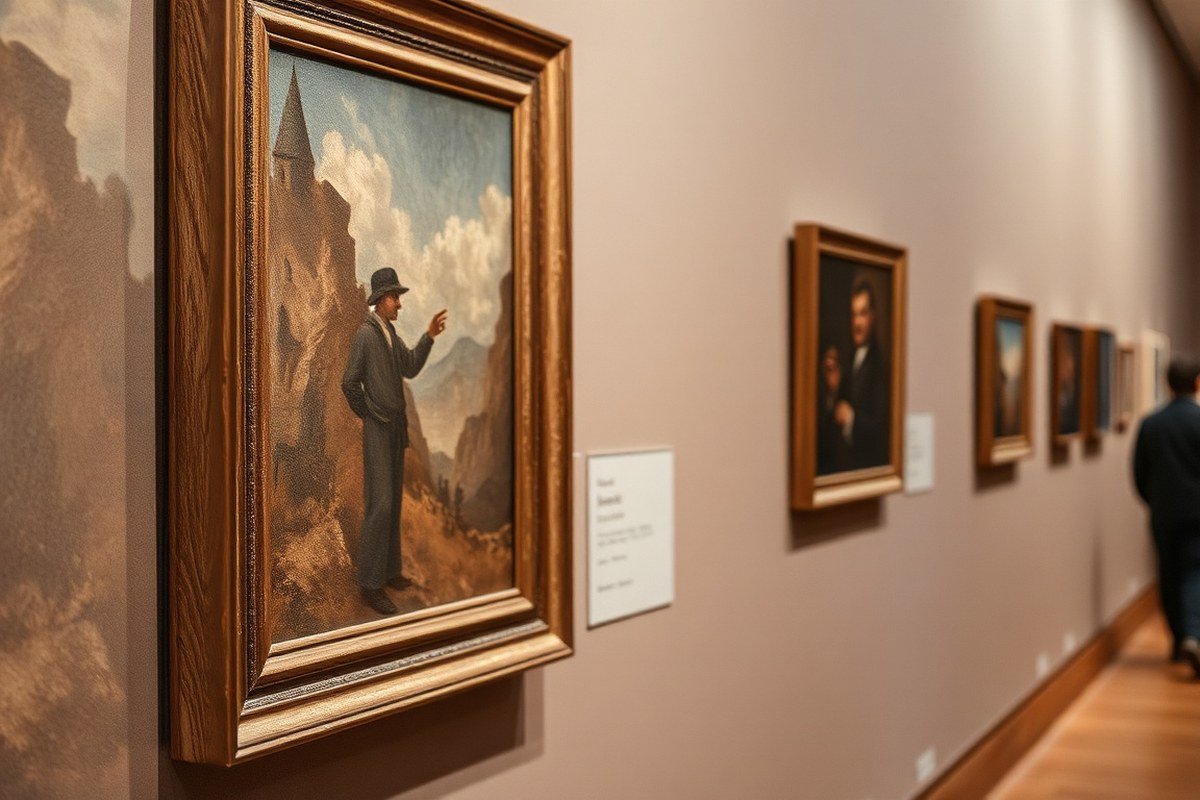
Citing different types of artworks requires including key details that establish the work’s identity and source. Begin with the artist’s name and the artwork’s title, generally italicized or underlined depending on your citation style. The creation date and medium follow, such as oil on canvas, sculpture in bronze, or digital file. For paintings and sculptures, including dimensions helps specify the exact work, especially if an artist has many versions. Location is essential for physical artworks; name the museum, gallery, or collection where you viewed the piece and its city. When you accessed an artwork online, substitute this with the website title in italics and the full URL.
The difference between citing art seen in person versus online mainly revolves around the location details and the access information. When citing a painting in a museum, identify the institution and its location without a URL. For example, “The Starry Night” by Vincent van Gogh would list Museum of Modern Art, New York. For the same artwork viewed online, you’d include the museum’s name plus the website name and URL where the image appears. Sculptures follow the same rules: list the artist, title, date, material (like marble or steel), and for physical viewing, the repository and city. If online, add the source URL.
Digital artworks and street art present unique citation elements. Digital art created with software and shared online should still include the artist, title, creation year, and description of the format (like JPEG image or interactive media). Instead of a physical location, provide the platform or website hosting the art. For street art or graffiti, cite the artist (or use “Unknown” if anonymous), the artwork’s title or a description in quotes, and the location’s address or neighborhood to identify where it is physically found. This shows respect for the work’s context and verifies its existence.
Fulfill these elements in citations to maintain academic integrity and give proper credit. Omitting details like the medium or location can confuse readers or weaken your argument. Including URLs ensures others can verify digital sources. Being precise with each artwork’s context, museum or online, physical or digital, helps readers understand your references clearly.
How to Cite Artworks in MLA, APA, and Chicago Styles
MLA, APA, and Chicago styles provide distinct rules for citing artworks, reflecting differences in structure, required details, and in-text citation methods. MLA typically suits humanities and art history fields, focusing on artist name, artwork title, date, and location, with in-text citations often omitting parentheses for artworks. APA, common in social sciences, emphasizes author-date format and requires URLs when the artwork is viewed online. Chicago style uses footnotes or endnotes for citations and can include extensive location and medium details.
| Aspect | MLA | APA | Chicago |
|---|---|---|---|
| In-text citation | Artist’s last name (no parentheses for artworks) | (Artist’s last name, Year) | Footnote/endnote with full detail |
| Title format | Italicized | Italicized | Italicized |
| Medium/location info | Included if relevant (e.g., museum, city) | Included, especially for in-person viewings; URL for online | Detailed medium, date, location in citation |
| Online artwork citation | Artist, Title, Date, Museum, URL | Artist, Date, Title, Museum, URL | Artist, Title, Date, Medium, Museum, Location, URL |
Example citations below illustrate these differences. For a painting viewed in person:
- MLA: Van Gogh, Vincent. The Starry Night. Created in 1889, housed at the Museum of Modern Art in New York.
- APA: Van Gogh, V. (1889). The starry night [Painting]. Museum of Modern Art, New York.
- Chicago: Vincent van Gogh painted The Starry Night in 1889; this oil on canvas is part of the Museum of Modern Art’s collection in New York.
For an artwork seen online, APA and Chicago require the URL, while MLA adds it optionally:
- MLA: Vincent Van Gogh. The Starry Night. 1889. Museum of Modern Art, New York. Accessed at www.moma.org/collection/works/79802.
- APA: Van Gogh, V. (1889). The starry night [Painting]. Museum of Modern Art. Retrieved from https://www.moma.org/collection/works/79802
- Chicago: Vincent van Gogh’s The Starry Night, painted in 1889, oil on canvas, is held at the Museum of Modern Art, New York; accessed April 23, 2024, at https://www.moma.org/collection/works/79802.
Creating accurate citations in these styles ensures clarity and proper credit. Including exact details like date, medium, and location prevents confusion. Chicago footnotes offer room for more context, while MLA and APA streamline citations for consistent reference lists. Adjust citations based on whether you saw the artwork in person or online to meet style standards.
Templates and Examples for Citing Various Art Contexts
Accurate art citations depend on specifying the artwork type, creator, date, and source format. For paintings, identify the artist, title in italics, date of creation, and repository or reproduction source. For example: In-text citation: (van Gogh, 1889)
Works cited entry: Vincent van Gogh. The Starry Night, 1889, displayed at the Museum of Modern Art in New York. When citing a reproduction in a book where the publication date differs from the artwork’s date, include both dates in the in-text citation like (Monet, 1872/2010). The full reference then notes the book details:
The general format is: Artist. Artwork Title. Date of artwork. Reproduction Source, publication year.
Digital artworks require a URL and access date when the source is unstable. For street art or graffiti, start with the artist (if known), then the title or description, date if known, and specify the location. Example:
In-text: (Banksy, 2015)
Works cited: Banksy. Girl with Balloon. 2015. Shoreditch, London. When authorship is unknown, omit the artist’s name and begin with the artwork title. For multiple artists, list up to two names; for three or more, use the first artist’s name plus “et al.” in both in-text citations and reference lists:
- Unknown artist: Untitled Graffiti, 2020, Downtown LA.
- Two artists: (Smith and Lee, 2018)
- Three or more: (Gonzalez et al., 2020)
- Reproductions from books: include artwork and book dates like (Carr, 1935/2006)
- Online images: add URL and date accessed
- Multiple works by the same artist in one year: add letters after the date, e.g., (Da Vinci, 1503a)
Citing artworks this way ensures clear credit and guides readers to the correct version or reproduction, which matters because artworks often exist in multiple forms or locations. Missing details like dates or correct titles may cause confusion or misattribution. Using these templates helps you adapt to different sources accurately.
Copyright, Fair Use, and Ethical Considerations in Art Citations
Copyright duration differs by location but typically covers the creator’s lifetime plus an additional 70 years in the United States. After that period expires, artworks become part of the public domain, allowing free use and citation without needing authorization. Copyright lengths vary internationally, so verifying rules in your country is essential before using images. Citing online art requires caution to avoid violating copyright by copying or sharing protected works still under copyright.
Fair use permits certain uses of copyrighted content without the owner’s approval for purposes like critique, commentary, or education. A checklist can guide your decision: the use needs to transform the material, avoid commercial profit, limit the portion used, and not affect the original’s market value. Proper attribution is necessary even when your use falls under fair use. In academic projects, fair use might justify including artwork images but does not offer complete exemption from copyright restrictions.
Creative Commons licenses let creators assign specific permissions for others to use their artworks, which can include allowances for educational and non-commercial uses. Several license types matter for art: CC BY means you must credit the creator, CC BY-NC allows use without commercial gain, and CC BY-SA requires you to share derivative works under the same terms. Checking the license before using an image ensures you follow the creator’s rules and maintain ethical standards.
Choosing artwork from public domain sources or databases like Artstor, Google Arts & Culture, or Wikimedia Commons can simplify legal use because these platforms often provide clear licensing details and citation tools. When citing online images, include the URL where you accessed the artwork and the date of access. For example: “Van Gogh, V. (1889). Starry Night. Retrieved from https://www.museumwebsite.org/starry-night on March 12, 2024.”
Best practices include always verifying copyright status, respecting license terms, and maintaining transparency in citations to avoid legal or ethical issues. Avoid misattributing images, such as crediting a photographer instead of the original artist, which can mislead your readers and disrespect creators.
Formatting In-Text Citations and Figure Captions for Artworks
In-text citations for artworks should clearly refer to the artist and year, similar to citing any other source. For example, you can write a sentence like: “Van Gogh’s expressive brushwork captures emotional turmoil (Van Gogh, 1889).” Use the artist’s last name and the year artwork was created in parentheses. If there are two artists, include both names connected by an ampersand, such as “(Gonzalez & Perez, 2020).” This lets readers find the full citation in your references or bibliography.
Figure captions are essential when including artworks in papers or presentations. Label each image with “Figure” and its number, followed by key details: the artist’s name, title of the artwork in italics, creation year, medium, dimensions if known, museum or collection location, and a URL if the image is viewed online. For example:
Figure 1 Vincent van Gogh’s The Starry Night, painted in 1889 with oil on canvas, measures 29 by 36.25 inches and is housed at the Museum of Modern Art in New York. The artwork is accessible online at https://www.moma.org/collection/works/79802.
When referencing digital art or images from online museum collections, add the webpage link and include the retrieval date if possible. Always list the full name of the museum along with the city and state or country, for example, “Museum of Modern Art, New York, NY, USA,” to provide full location information.
- Omitting the museum location, always include city and state or country
- Using incomplete URLs, provide full direct links to the artwork’s page
- Neglecting medium or dimensions in figure captions, include them when available
- Mismatching figure numbers in captions and text references, double-check consistency
- Incorrect artist name spelling or wrong date, verify from reliable sources or museum records
These common mistakes can confuse readers or undermine your paper’s credibility. Taking time to format in-text citations and figure captions correctly ensures your sources are transparent and professional.
Your Step-by-Step Plan to Cite Art Accurately
Follow these steps to ensure your art citations are clear, correct, and suited to your project’s needs.
- Before you begin: Identify the artwork’s type and source, print, online, museum visit, or personal collection, to know which details to gather. Successful identification means you can list the necessary citation elements confidently.
- Day 1: Collect all required information: artist’s name, artwork title, date, medium, and location or URL. Verify completeness by checking your citation style’s checklist.
- Day 2: Choose the citation style (MLA, APA, or Chicago) based on your assignment or publication guidelines. Confirm style selection with your instructor or editor to avoid rework.
- Day 3: Use the proper template for your artwork’s type and style. Draft your citation and match it against the example for accuracy. You’ll know it’s correct when it fits the format without missing components.
- Day 4: Format your in-text citations or figure captions accordingly. Insert them where you reference visuals or discuss the artwork, checking that they guide readers to the full citation.
- Day 5: Review copyright and fair use rules related to your art citations and images. Ensure compliance by cross-checking local and institutional policies.
- Day 6: Proofread all references and in-text citations for consistency and correct punctuation. Confirm no errors remain by reading aloud or using citation software tools.
- After submission: Save backups of your sources and citations for future reference or revisions. Keeping these will help if you need to address questions or update your work.
Frequently Asked Questions
Can I Cite Street Art or Graffiti in My Paper?
Yes, you can cite street art or graffiti like any public artwork, providing the artist’s name if known and the location or source where you viewed it. Including a date or photo source helps clarify the version you referenced.
How Do I Cite Album Cover Art?
Cite album cover art like other visual works by listing the artist, title of the artwork, album name, publication year, and format or location if applicable. This treats the cover as a piece of visual art linked to the music.
Do I Need Permission to Include an Artwork Image in My Paper?
You generally need permission unless the image is in the public domain or qualifies for fair use. Always check copyright status and use images ethically to avoid infringement.
How Do I Cite Art I Saw Only in a Virtual Museum Exhibit?
Cite the artwork by naming the artist, title, date, virtual museum name, URL, and access date. This maintains clear sourcing for digital viewing contexts.
Should I Cite Edited or Restored Art Images Differently?
Yes, note if the image is an edited or restored version by providing details about the editor or restorer alongside the original art citation to clarify the source.
Wrapping Up
Citing artworks accurately demonstrates respect for artists and strengthens your academic work. Start by gathering detailed information about each artwork and applying the proper citation style. Once you’ve created your citations, integrate them carefully into your text and check them against your style guide. Your next step is to apply these practices to your current project, ensuring each artwork you mention meets citation standards and ethical guidelines.