Why Is Art Important to Society? 5 Key Ways It Benefits Culture and Economy
Why is art important to society? Art shapes our culture and identity by preserving history and sparking new ideas that connect people. It also drives local economies and strengthens communities through shared experiences. Starting by supporting local artists or visiting public art spaces can deepen your appreciation of art’s role in daily life.
Key Takeaways
- Art preserves cultural memory and helps societies remember their past and values.
- The creative economy adds over 4% to US GDP, highlighting art’s major financial impact.
- Communities with public art programs report 31% higher resident satisfaction, boosting civic pride.
- Arts and cultural districts support millions of jobs, linking art and workforce development.
- Art promotes social cohesion by bringing people together around shared expressions and experiences.
- Participating in art builds skills and personal growth for individuals of all ages.
1. Why Art Is important to Culture and Identity
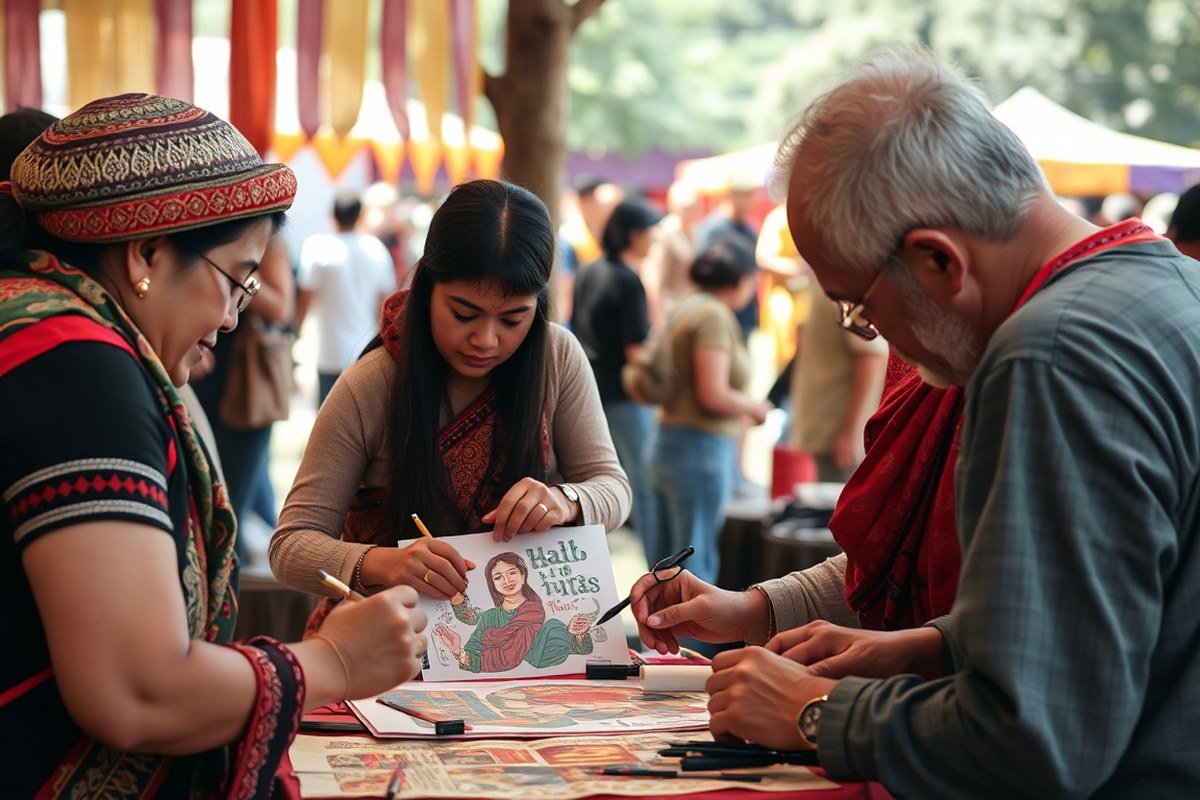
Art preserves cultural heritage by capturing the traditions, values, and stories of communities across generations. Examples like Native American contemporary installations, Latino muralism, and African American hip-hop culture all serve as living archives that document identities and histories in ways words alone cannot. These art forms visually and experientially transmit collective memory, ensuring it survives social and temporal changes.
Cultural identity is shaped and reinforced through engagement with art. Art reflects who a society is by expressing its shared beliefs and experiences. For instance, Asian American performance art often blends ancestral customs with modern themes, showing how identities evolve while remaining rooted in heritage. This connection helps individuals see themselves as part of a larger cultural narrative, strengthening a sense of belonging.
On an individual level, art enables self-expression by providing people with tools to communicate feelings, ideas, and personal stories beyond spoken language. Whether through painting, dance, or music, creating art allows you to explore and define your unique perspective. Supporting this process often requires accessible community spaces, funding for materials, and encouragement within educational settings to nurture skill development and confidence.
The impact of preserving cultural memory through art can be profound. When done thoughtfully, communities maintain their history visibly and vibrantly, promoting cross-cultural understanding. However, if cultural art forms are neglected or commercialized without respect, the authenticity of heritage can be diluted, reducing its meaning for future generations. A good balance involves ongoing community involvement and respectful sharing of art that honors its original context.
2. The Economic Importance of Art in Communities
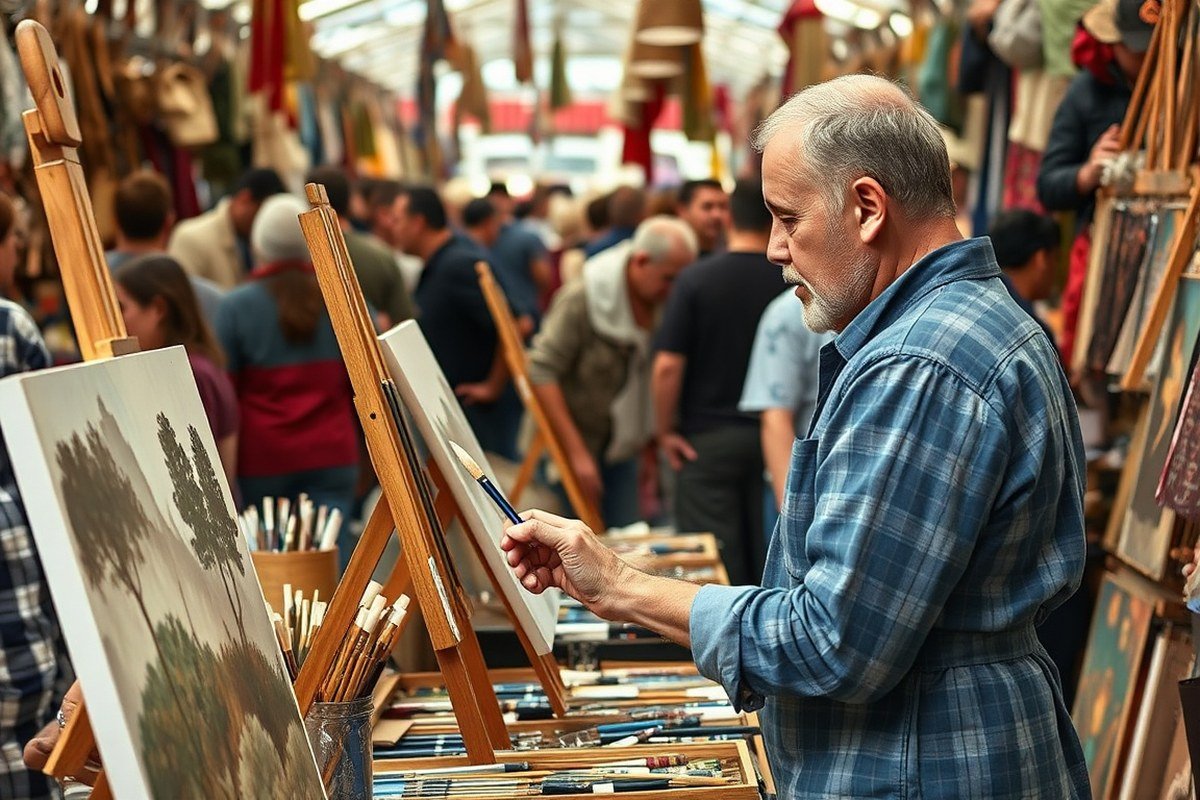
Art contributes significantly to the economy at both local and national scales through various channels. It creates jobs across many fields such as creative professionals, educators, museum employees, and technical staff. Also, art spurs tourism growth and raises real estate values in areas known for their active artistic communities. According to the 2024 Public Art Network survey, places with thriving public art initiatives enjoy 31% greater resident satisfaction and higher levels of community involvement. Buying art from local creators or participating in art events supports economic strength and helps keep creative sectors thriving.
The creative economy, which includes artists, craftspeople, designers, publishers, galleries, theaters, and many supporting roles, contributes to national economic growth by generating tax revenues and promoting cultural tourism. According to recent economic surveys, artistic activities enrich local businesses and communities, amplifying their role as economic engines. The arts sector’s contribution extends beyond direct sales and employment to create broader economic benefits for society.
| Art Sector | Economic Output | Job Creation | Additional Benefits |
|---|---|---|---|
| Visual Arts (painting, sculpture) | High | Moderate | Tourism, property value increase |
| Performing Arts (theater, music) | Moderate | High | Community engagement, education |
| Crafts and Design | Moderate | Moderate | Local business support, cultural tourism |
| Museums and Galleries | High | Moderate | Tourism, educational programs |
To support the economic health of your community, invest in local artists by attending exhibitions, buying art directly from creators, and sharing their work. These actions help expand job opportunities and economic growth. While investing in art requires resources, including time and money, the return includes stronger economies and communities with greater civic pride. Challenges include underfunding and limited access, which can hinder economic potential; addressing these requires a combined effort from public and private sectors.
3. How Art Strengthens Communities and Social Bonds
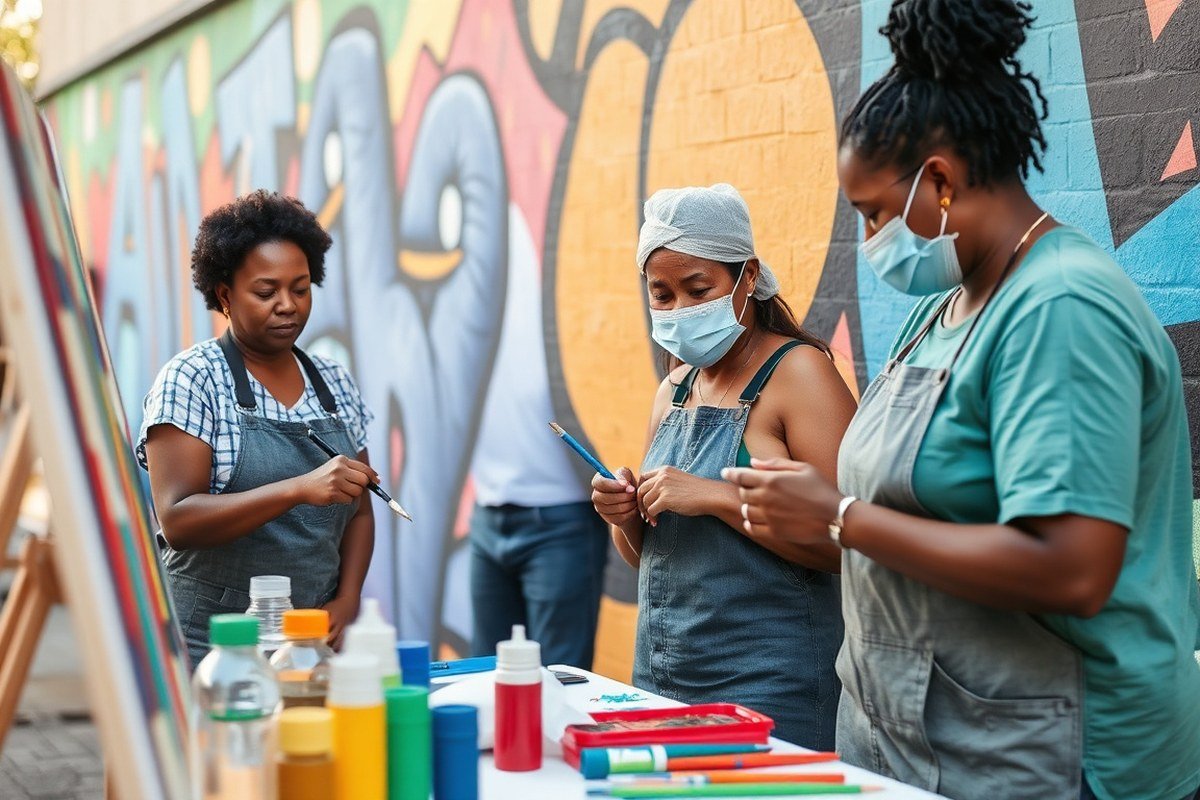
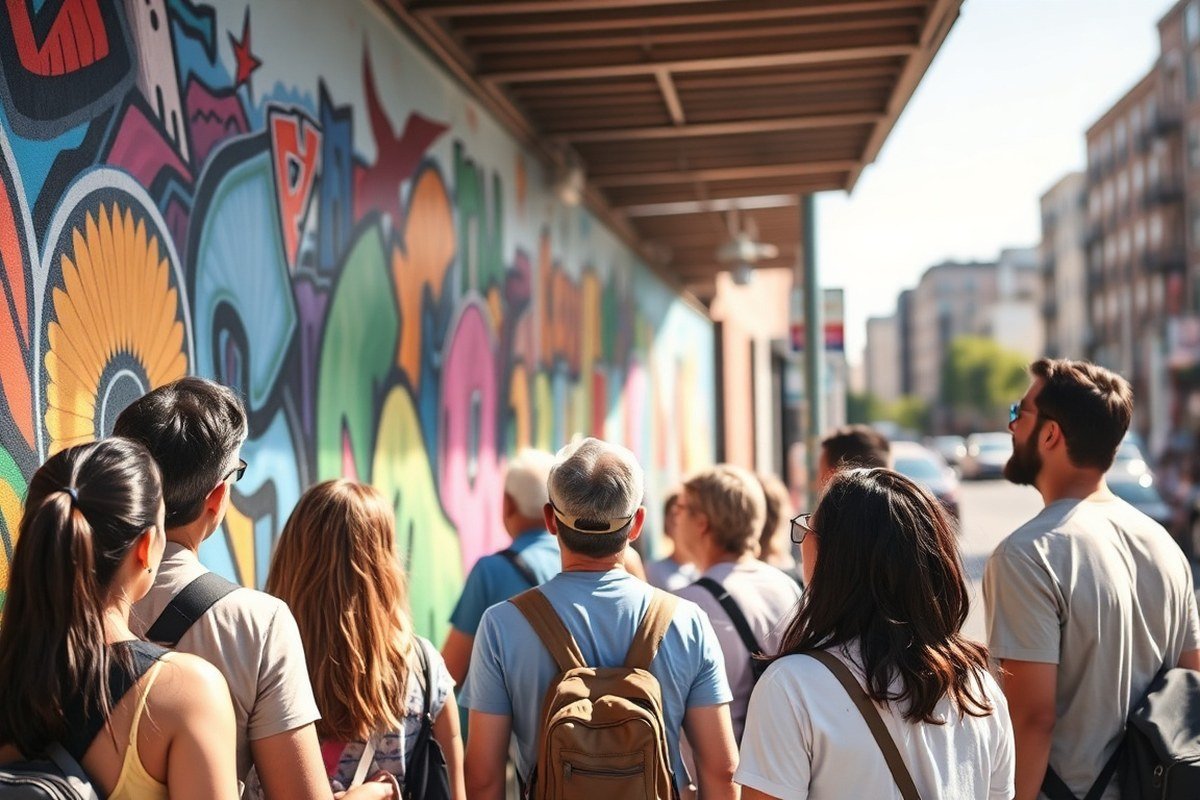
Art strengthens communities by creating shared spaces where people from diverse backgrounds connect and collaborate. Public murals, community festivals, and artist residencies in underserved neighborhoods encourage Social cohesion by providing common ground for dialogue and cultural exchange. These art activities inspire civic pride and build lasting social bonds by engaging residents in collective creativity.
To effectively promote and integrate art in your community, combine public art programs with education and outreach. Art projects that invite participation foster a sense of ownership and inclusion. Collaboration between artists, local organizations, and residents helps develop relevant themes that resonate with community values and histories.
- Form a diverse planning committee including artists, community leaders, and residents
- Choose locations that are accessible and visible to encourage public interaction
- Secure funding through grants, sponsorships, or local government support
- Provide workshops or forums to engage community input and build skills
- Set clear goals for social impact and measure success through participation rates and feedback
- Plan for long-term maintenance and sustainability of the art installation or program
Successful community art initiatives cost time and resources for organization, materials, and artist fees but offer benefits like increased civic engagement and neighborhood pride. Projects that fall short often lack community involvement or fail to reflect local culture. Collaborative public art works best with open communication and flexibility to adapt to community needs, resulting in stronger social bonds and a more vibrant communal life.
4. The Role of Art in Education and Personal Development
Art plays a significant role in education by nurturing cognitive skills like critical thinking, problem-solving, and decision-making. Studies show arts programs can increase graduation rates by 23% across diverse student groups, illustrating clear educational benefits. These programs engage students actively, encouraging deeper understanding and retention of knowledge beyond rote learning methods.
Integrating art into curricula effectively involves balancing structured lessons with open-ended creative projects. Schools might allocate time weekly for visual arts, music, drama, or dance classes where students practice expressing ideas and emotions. Collaborative art tasks promote teamwork and communication, while individual assignments support personal growth. Costs vary, but investment may include materials, instructor training, and dedicated classroom time.
Fostering self-expression through art supports emotional wellbeing for learners of all ages. Children develop language and emotional literacy by describing their creations, while adults often use art to explore identity and manage stress. This expressive process builds confidence and empathy, contributing to healthier social environments and more resilient individuals.
For example, a middle school implementing a year-long visual arts program saw a notable improvement in student engagement and test scores alongside the 23% rise in graduation rates. Teachers reported improve classroom dynamics as students used creative approaches to solve problems in subjects like math and science. To achieve similar outcomes, schools should ensure continuous arts education with clear objectives aligned to broader learning goals, rather than occasional or extracurricular offerings.
Variants depend on community resources and student needs. Underserved areas may focus on community-based art programs to offer pathways to economic mobility and personal development where traditional educational options are limited. Successful integration respects cultural diversity and adapts to different learning styles to strengthen the impact of art on education and personal growth.
5. Art as a Catalyst for Mental Health and Social Change
Art holds therapeutic benefits that help people cope with trauma, stress, and mental health challenges. Recognized as a formal approach called art therapy, it engages individuals in creating or reflecting on art to express feelings when words fall short. For example, producing visual art or participating in guided creative sessions can reduce anxiety and depression symptoms by providing emotional release and promoting mindfulness. This therapy often requires a licensed art therapist and may cost $50 to $150 per session, depending on location. In less formal settings, community art workshops or personal journaling through art can also support mental well-being at little to no cost.
Art is a powerful tool for social change and can challenge existing power structures. It initiates conversations about difficult social issues by exposing hidden truths and pushing audiences to reconsider norms and injustices. Movements like Black Lives Matter have relied on murals, protest songs, and digital art activism to mobilize awareness and solidarity. To engage in activism through art, you can create visual pieces or performances that highlight specific causes, host public exhibitions, or use social media to amplify messages. Costs vary widely, from low-budget digital campaigns to elaborate public murals funded by grants or donations.
Some myths surround art’s role in society, such as the belief that political art is mere propaganda or that art must always have a social purpose to be valuable. In reality, art can be both a creative expression and a catalyst for change without being propagandist. It is not necessary for every piece to serve activism; however, community-focused art programs increase impact by encouraging participation and dialogue around shared issues.
Art’s ability to foster mental health and inspire social transformation depends on context and intent. When used thoughtfully, it reconnects individuals and communities, motivating progress and healing even amidst social challenges. Incorporating art into therapy or activism requires clear goals, appropriate resources, and sensitivity to the audience and environment to achieve meaningful results without unintended backlash or fatigue.
Getting Involved with Art: A Quick-Start Plan
Start supporting and engaging with art in your community right now by following these simple steps. Each action helps you connect with art’s benefits personally and socially.
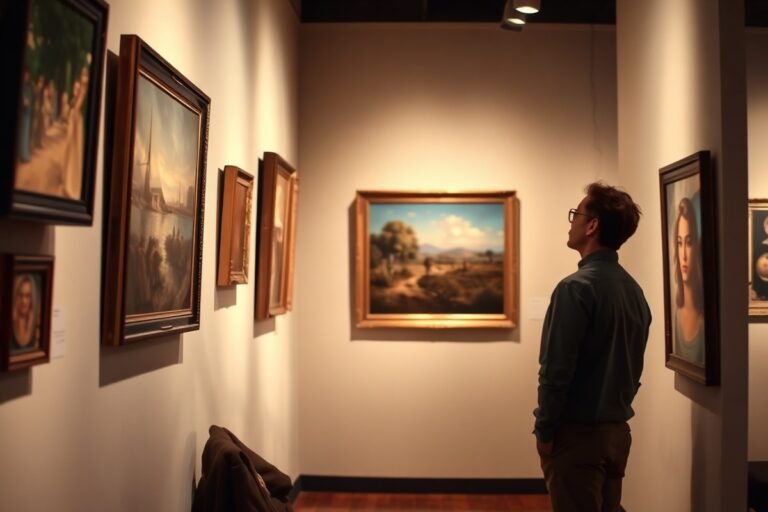
- Today: Visit a local gallery, museum, or public art installation. Notice what emotions or thoughts the art stirs; that’s your personal connection forming.
- This week: Attend an art workshop or class to experience creating art yourself. Feel your skills grow and your confidence build as you participate.
- Within 2 weeks: Join a local art group or online community focused on arts and culture. Track your involvement by meeting new people or sharing your work and insights.
- After one month: Volunteer or donate to an arts nonprofit or community project. Confirm your impact by seeing how your contribution supports local artists or education.
- Next 3 months: Advocate for arts programs in schools or public spaces by attending meetings or writing to officials. Measure progress by changes in funding or programming.
- Ongoing: Make art a regular part of your life, whether visiting exhibitions, creating, or discussing art. Notice how it continuously enriches your mental health, social connections, and understanding of culture.
Frequently Asked Questions
How Does Art Preserve Cultural Memory in Society?
Art preserves cultural memory by capturing stories, traditions, and experiences across generations. It helps people connect with their heritage and understand diverse histories, ensuring that important cultural moments are not forgotten. Viewing different artworks can deepen your appreciation of cultural diversity.
What Role Does Art Play in Public Debate and Social Awareness?
Art stimulates public debate by challenging social norms and raising awareness about critical issues. It encourages people to reflect on and question power structures, promoting discussions that can lead to social change. Exhibitions and performances often create spaces for community conversation on current matters.
Can Engaging with Art Improve Critical Thinking Skills?
Engaging with art improve critical thinking by encouraging interpretation and analysis of complex themes or symbolism. It develops your ability to view situations from multiple perspectives, a skill valuable in education and life. Try exploring diverse art styles to strengthen these cognitive abilities.
How Does Art Contribute to Individual Self-Expression Beyond Communication?
Art offers a unique outlet for self-expression, allowing individuals to explore their identity and emotions creatively. This process supports personal growth and mental well-being by providing a way to articulate feelings that might be hard to express otherwise. Creating your own art can be therapeutic.
Why Should Communities Invest in Supporting Local Artists?
Supporting local artists sustains the creative economy and enriches community identity with unique, authentic perspectives. Investments contribute to economic development and foster a vibrant cultural environment that attracts visitors and residents alike. Attend local art events to see this impact firsthand.
The Bottom Line
Art shapes our society by connecting individuals, sparking change, and enriching minds. Engaging with local art scenes or projects allows you to experience and support these benefits firsthand. Start by exploring a nearby art event or exhibition and see how it changes the way you relate to the world around you.