Can You Sell AI Art? A Complete Guide with Proven Selling Strategies
Can you sell AI art? Yes, you can legally sell AI-generated artwork, provided you understand copyright rules and clearly disclose AI involvement when required. Starting with popular platforms like Etsy or Redbubble helps you reach buyers already interested in digital art. Focus on creating appealing designs and optimizing listings with clear titles and keywords to attract attention.
Key Takeaways
- Confirm ownership rights for AI-generated images before selling to avoid legal issues.
- Sell digital wall art prints and themed clipart packs on Etsy for affordable entry.
- Use keyword-rich titles like “surreal forest digital download” to boost visibility.
- Start with print-on-demand services to minimize upfront costs and inventory.
- Price digital downloads between $3 and $15 for volume sales potential.
- Offer custom AI art commissions on Fiverr to earn $25 to $200+ per project.
Is It Legal to Sell AI-Generated Art?
Yes, you can legally sell AI-generated art, but the key factor lies in Copyright ownership and usage rights. In the United States, works created entirely by AI without meaningful human input are not eligible for copyright protection according to the U.S. Copyright Office. This means that if your digital artwork was generated with just minimal interaction, you likely do not hold exclusive rights, which can affect your ability to prevent others from using similar images.
Human input is essential for obtaining copyright protection. Substantial creative involvement, such as editing, combining multiple AI outputs, or directing the AI tool in unique ways, strengthens your claim. This layer of creative authorship differentiates your work from raw AI outputs and reduces legal risks linked to copyright infringement.
Verifying your commercial rights starts by carefully reviewing the terms of service of the AI tool used. Many popular platforms like Bing Image Creator or Craiyon explicitly grant commercial licenses, allowing you to sell generated images. However, licensing terms vary, especially for tools hosted on platforms like Hugging Face, where underlying model licenses dictate usage rights. Always confirm if the license permits commercial use before selling, which prevents unexpected legal conflicts or removal of your listings.
To ensure you can sell AI-generated art without issues, use this checklist: Confirm the AI platform’s commercial license, verify you’ve added sufficient human creative input, and keep documentation of the creative process. For example, save your prompt texts, screenshots of edits, or version history. This documentation supports your ownership claims in case of disputes.
Legal protection for AI-generated art differs from traditional artwork. Selling AI art gives you commercial use but usually not exclusive rights to the image concept. Knowing these distinctions helps you build a sustainable business selling AI art, focusing on what you uniquely contribute alongside the AI tool.
Choosing the Best Platforms to Sell AI Art
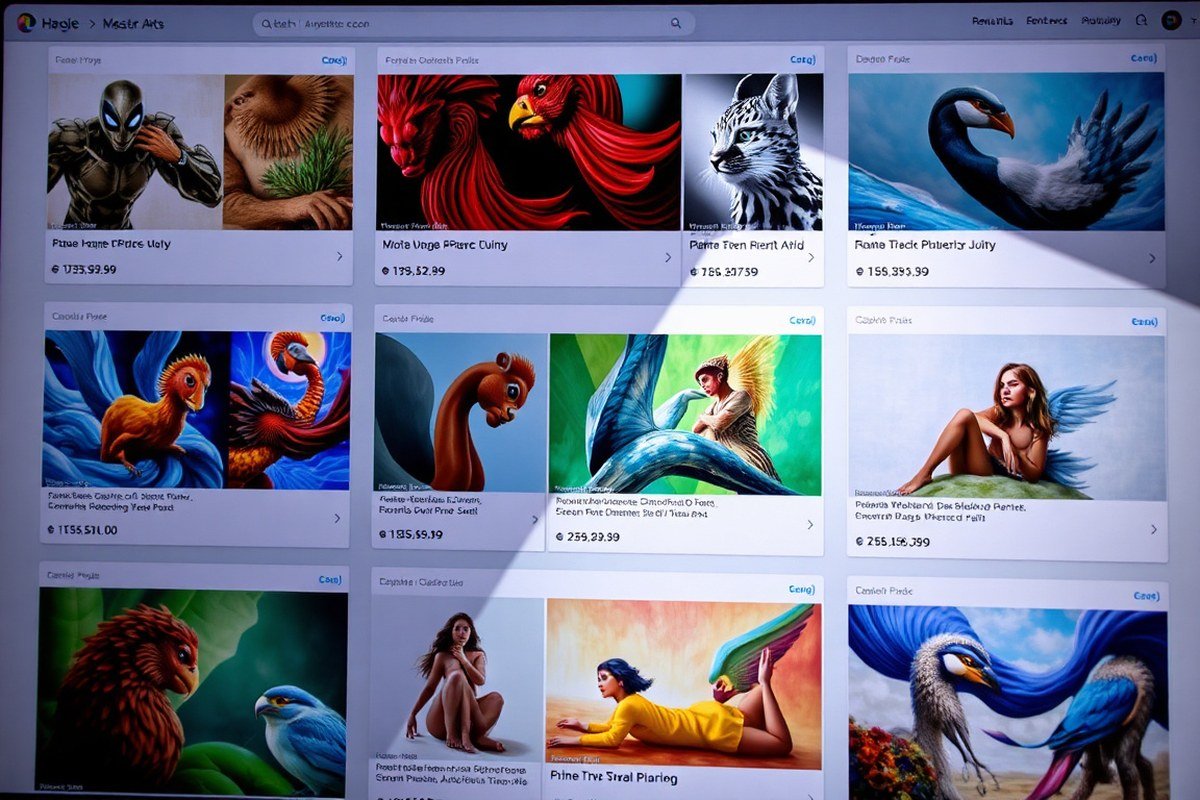
You can sell AI-generated art on a variety of marketplaces tailored to physical products, digital downloads, or licensing. The choice depends on your target audience and preferred product type. Platforms like Etsy and Redbubble are popular for print-on-demand items featuring AI designs, while sites such as Artstation and Saatchi Art focus more on art collectors and physical prints. Some marketplaces also allow selling digital downloads or prompt bundles directly to consumers.
Print-on-demand sites let you offer your art on apparel, posters, and home goods without upfront inventory. Etsy stands out for beginners due to its built-in audience and ability to list both physical and digital products, though it charges $0.20 per listing plus 6.5% of each sale. Larger platforms like Shopify let you build your own branded online store with monthly fees but complete control. Stock photo sites and marketplaces for digital licenses can generate passive income but usually require you to build your own audience.
| Platform | Primary Product Type | Fees | AI Art Policy | Audience Fit |
|---|---|---|---|---|
| Etsy | Print-on-demand, digital downloads | $0.20 per listing + 6.5% transaction | AI art allowed with no explicit ban | Beginners and handmade/digital art buyers |
| Redbubble | Print-on-demand merchandise | Base price plus artist markup | Accepts AI-generated designs | Fans of unique printed goods |
| Society6 | Print-on-demand products | Artist markup on retail price | Supports AI artwork | Decor and art collectors |
| Saatchi Art | Physical prints, original art sales | 35% commission | Open to AI art | Art collectors and buyers |
| Artstation | Digital downloads, prints | 5% transaction fee on free plan | Allows AI art sales | Professionals and digital artists |
| Zazzle | Print-on-demand products | Artist sets royalty rate | Accepts AI art | Custom product shoppers |
| Shopify | Full online store for any product | $29-$299/month + payment fees | Depends on seller | Brand builders with marketing skills |
| Adobe Stock | Stock photos and digital licensing | Royalty per license | Permits AI-generated content | Businesses and designers needing licenses |
Platforms with low or no upfront listing fees, like Artstation, suit artists focused on digital downloads and small commissions, while Etsy balances accessible fees with a large potential customer base. Print-on-demand sites streamline physical product sales but can limit profit margins due to base costs and markups. Shopify requires more investment and effort but offers control over branding and sales channels. Choosing the platform aligns with your sales goals, whether it’s quick exposure or building a branded business selling AI art.
How to Prepare AI Art Files for Sale

Preparing your AI-generated art files properly can boost sales by ensuring you deliver professional-quality digital downloads and prints. High resolution is key, especially for prints and apparel where 300 dpi at actual print size is standard to maintain crisp detail. Common file formats include PNG and TIFF for lossless quality, while JPEG at high-quality settings can be used for faster downloads or apparel previews. Editing raw AI outputs adds value, cleaning up unwanted artifacts and refining colors helps your art stand out on crowded marketplaces. Free tools like PicLumen or paid apps like Adobe Photoshop are useful for upscaling images without losing sharpness, removing noise, and adjusting contrast. Creating clear, attractive mockups paired with keyword-rich titles like “minimalist mountain landscape digital wall art” improves search visibility and buyer appeal.
- Check resolution and size. Confirm your artwork is at least 300 dpi at the desired print dimensions (e.g., 12″ x 16″ for popular wall art sizes). Upscale images using AI-based tools like Gigapixel AI if resolution is low.
- Choose file formats. Save final prints in TIFF or PNG for best quality; JPEG works well for previews or apparel mockups. For digital downloads, offer multiple formats if possible.
- Edit for clarity and color. Use software to remove AI artifacts, balance colors, and sharpen details. Avoid selling raw outputs to increase perceived quality.
- Create appealing mockups. Place your art on realistic backgrounds, frames, apparel, phone cases, using free templates or mockup generators. This shows buyers how the art looks in use.
- Write keyword-rich titles. Include descriptive terms plus “AI-generated wall art” or “digital download printable art.”strong> For example, “Surreal forest digital download with vibrant colors.”
- Bundle files if needed. Compress multiple related images into a .zip folder for easy purchase and download of clipart packs or sets.
Pricing Your AI Art: Strategies That Work
Pricing your AI art starts with understanding the category and platform you choose. For digital AI art prints, typical prices range from $5 to $25 per print, depending on size and exclusivity. Bundle discounts, like “Buy 3 digital prints for $25,” attract buyers and increase average order value. When selling custom commissions, for example, on Fiverr, prices usually start at $25 and can reach over $200 based on complexity and delivery time. Brand asset packages command higher rates, from $200 to $1,000, reflecting the additional licensing and exclusive usage rights.
Print-on-demand apparel featuring your AI art often yields margins around 20% to 30%. For instance, if a T-shirt costs $15 production and shipping on demand, pricing it at $30 to $40 offers reasonable profit after platform fees. Platform fees vary: Etsy charges around 6.5% per sale plus a listing fee, while Shopify plans differ but often include subscription fees and payment processing fees near 2.9% plus 30 cents. These fees must factor into your final price to avoid eroding profits.
Practical pricing starts with this checklist: estimate production or delivery costs, add platform fees, include your target profit margin, and consider competitor pricing. For example, selling a $20 digital print with zero production cost but 10% platform fee yields $18. Subtract your desired $8 profit; your break-even is under $10 in costs, which is zero here, so the price holds.
Offering bundles or discounts works especially well for digital downloads where costs stay low and selling multiple files maximizes revenue. Custom commissions need clear communication about pricing tiers based on revisions and exclusivity. Higher prices suit complex work or brand usage rights, while quick, simple AI portraits fit lower tiers.
Check each platform’s fee structure before setting prices. Platforms with high upfront fees often require higher pricing for viability. Selling on multiple channels, such as Etsy, your own Shopify store, and stock photo sites, spreads risk and allows flexible pricing per channel. Accurately factoring in these variables ensures your AI art pricing covers costs and meets market expectations.
Common Mistakes to Avoid When Selling AI Art
Ignoring licenses or copyrights can stop your sales before they start. You must verify that the AI tool or images used allow commercial use and that you own the resulting artwork’s rights. Selling art created from copyrighted inputs without permission risks legal action and platform bans.
Low-resolution images or poor file formats make your art look unprofessional and turn buyers away. Use high-res files (at least 300 dpi for prints) and save them in common, high-quality formats like PNG or TIFF. Clear, sharp visuals build trust and justify higher prices.
Generic titles like “Cool AI Art #1” do not attract buyers or rank well in searches. Instead, use descriptive titles that evoke mood, style, or theme, like “Sunset Over Ocean, Vibrant Abstract AI Painting.” This improves SEO and helps buyers find and connect with your work.
- Skip legal checks: Always confirm commercial licenses for AI software and input materials to avoid legal troubles.
- Upload low-res images: Provide at least 300 dpi, high-quality files for print or digital downloads.
- Write vague titles and descriptions: Use specific, keyword-rich titles and clear descriptions tailored to buyers’ interests.
- Ignore ethical implications: Avoid using others’ styles or copyrighted elements without permission; be transparent about AI use.
- Neglect platform policies: Review the rules of marketplaces or print-on-demand sites before listing your AI art.
- Fail to proofread listings: Typos and unclear language reduce credibility; always edit carefully.
- Overprice or underprice: Research comparable AI art prices to set competitive and fair rates.
- Miss marketing opportunities: Use targeted tags, social media, and email lists to reach your buyer audience.
Ethical concerns about transparency and respecting original artists’ rights matter. Clearly state your art is AI-generated and disclose sources when relevant. Honest communication builds trust and avoids backlash. Correcting these mistakes costs little but requires time and attention, resulting in better sales, stronger reputation, and fewer legal headaches.
Marketing and Selling AI Art Successfully
Promoting AI art effectively on social media starts with choosing the right platforms where your audience hangs out, such as Instagram, Twitter, or Behance. Share your work regularly, post process videos or time-lapse clips to engage followers, and use relevant hashtags like #AIart or #digitalartist to boost visibility. Engaging directly with fans by responding to comments and sharing behind-the-scenes content builds interest and trust. You can sell print-on-demand products featuring your AI designs through services like Printful or Redbubble without any upfront cost, aiming to make your first $100 to $500 per month, which is a realistic early goal.
Building your own online store can be a smart move if you want more control and higher profit margins. Platforms like Shopify or Etsy let you showcase your AI art and use integrated print-on-demand options. Establishing a brand with a memorable name, consistent style, and clear message helps attract repeat customers. For example, plan your launch by first creating a cohesive portfolio, setting up social media profiles, then running targeted ads or promotions to drive traffic to your store. Brand trust grows when you deliver quality products and maintain regular communication through newsletters or exclusive offers.
NFTs can play a role for AI artists looking to tap into crypto collectors. However, success depends heavily on having an active social media following since fan engagement is important to generate excitement around NFT drops. For creators not focused on NFTs, traditional marketing channels like social media, online art communities, and print-on-demand platforms remain most effective for reaching a global audience. Consistency matters, posting frequently and collaborating with other artists or influencers can steadily expand your reach and sales potential over time.
Your First 30 Days: A Quick-Start Plan for Selling AI Art
Follow this step-by-step plan to start selling your AI-generated art legally and profitably. Each step tracks your progress with a specific goal.
- Before you start: Confirm your AI art usage rights by reviewing the terms of your AI tool. Success looks like clear permission to sell your creations.
- Day 1: Select one or two online platforms to sell on, such as Etsy or ArtStation. Verify your chosen platform supports AI art sales and fits your target audience.
- Week 1: Prepare your digital files by resizing for optimal quality and adding metadata. Check that your files open correctly and look polished on different devices.
- Week 2: Set prices based on your research of similar AI art and your costs. Confirm your pricing attracts initial interest by monitoring views or inquiries.
- Week 3: Create marketing content like social media posts or email newsletters featuring your AI artwork. Measure engagement through likes, shares, or clicks.
- Week 4: List your artwork with clear descriptions and disclosures about AI generation. Ensure smooth sales by tracking first transactions and customer feedback.
- After 30 days: Analyze which pieces and marketing efforts performed best. Adjust your offerings and promotions to improve sales over the next month.
Frequently Asked Questions
Can You Sell AI Art Created with Free AI Tools?
You generally cannot sell AI art created with free accounts, as they usually lack commercial rights. Always check the AI tool’s terms of service to confirm your right to sell the images you generate.
Do I Need to Disclose That My Art Was Made by AI When Selling?
Disclosure is not legally required but can build trust with buyers. Being transparent helps set expectations and avoids potential ethical concerns.
Can I Sell AI Art on Print-On-Demand Platforms Without Extra Fees?
Using print-on-demand platforms usually involves fees like production and commissions, so factor those into your pricing. Some sites have upfront listing fees, so review each platform’s cost structure.
Are AI Art Royalties Possible When Selling on Marketplaces?
Most platforms don’t support royalties for AI art like traditional art licensing. You can set prices but recurring payments require special platform features or separate licensing agreements.
How Can I Protect My AI Art from Unauthorized Copying?
Copyright applies only when there’s sufficient human creativity, so AI art protection can be complex. Adding watermarks or using blockchain verification methods helps deter theft but doesn’t guarantee legal protection.
Wrapping Up
You can legally sell AI-generated art if you respect copyright rules and platform policies. Generating high-quality files and choosing the right market approach increases your chances of success. Start by verifying your usage rights today to build a solid foundation for your AI art business.