
What Is Art Appreciation in College? A Complete Guide with Skills & Benefits
What is art appreciation in college? It is a course that helps you understand and enjoy visual art by exploring different art forms, cultures, and historical periods. This subject teaches you to see beyond the surface, giving you the vocabulary and tools to discuss art thoughtfully. Starting with an introductory course can earn college credits and open a new way of viewing the world around you.
Key Takeaways
- Art appreciation courses often fulfill general education requirements, including fine arts credits.
- They cover major art movements like Impressionism, Cubism, Surrealism, and Abstract Expressionism.
- You’ll learn to analyze art by examining cultural context, techniques, and historical significance.
- Courses develop critical skills to understand the relationship between art and the society that created it.
- Art appreciation encourages a deeper emotional connection with visual arts and personal creativity.
- Many courses are available online, offering transferable credits and flexible scheduling.
What Is Art Appreciation in College and Its Core Purpose

Art appreciation in college involves more than just looking at paintings or sculptures. It is an academic course designed for students without prior art experience to develop a rich understanding of visual arts. Students learn to identify and analyze the formal elements and principles of design while placing artworks in their historical, social, and cultural contexts. This process cultivates an ability to see art as a reflection of diverse societies and time periods.
Anyone can take an art appreciation course without needing artistic skills or background. These courses often carry around 3 credit hours and fulfill general education requirements, making them accessible and valuable for many college students. The course curriculum typically includes exploring different art mediums, themes of art, and key movements throughout history, allowing you to build a vocabulary to discuss art thoughtfully.
Art appreciation means engaging with art on multiple levels. Beyond just viewing, it requires critical observation, listening to various perspectives, and emotional engagement with the work. Such engagement promotes open-mindedness by showing there can be many solutions or interpretations to the same artistic problem. Learning to make connections between the artist’s context and your own experiences deepens your understanding not only of the artwork but also of cultural and societal interactions.
The educational purpose of art appreciation in college is to foster critical thinking skills while enriching your cultural awareness. You will practice observing, responding, and analyzing, all of which support a broader worldview. Good results include improved ability to articulate your thoughts about art and an expanded appreciation for cultural diversity. Without this foundation, you might only see art superficially rather than understanding its full significance.
How Art Appreciation Courses Teach Critical and Cultural Skills

Art appreciation courses focus on developing critical and cultural skills that deepen your understanding of art and its context. You learn to observe artworks closely, describing details and supporting your observations with clear evidence. This process improves your critical thinking by encouraging you to question and analyze what you see rather than simply reacting to it. The development of visual literacy helps you recognize elements like balance, color, and composition, which artists use to guide your eye and evoke emotions.
Cultural understanding plays a key role because art reflects the time and place where it was created. You study art through the lens of history, learning how societal conditions, materials, and cultural values shaped each piece. This broadens your perspective by exposing you to diverse experiences and worldviews, cultivating empathy and open-mindedness toward different cultural expressions.
To build these skills, courses often use a step-by-step system that involves observation, analysis, interpretation, evaluation, and discussion. When analyzing art, follow this checklist: first, describe what you see in detail; second, identify the use of artistic elements and principles; third, consider the cultural and historical background; fourth, interpret the meaning or message; and finally, offer your judgment about its aesthetic or cultural value.
Engaging in class discussions and writing assignments strengthens your ability to communicate complex ideas clearly and logically. This practice helps you develop verbal and written communication skills important for academic and professional settings. By regularly examining artworks and their contexts, you refine your critical thinking and cultural awareness, skills that extend beyond art into everyday decision-making and interpersonal understanding.
What Topics and Art Movements Are Covered in College Art Appreciation
College art appreciation courses cover a range of topics designed to familiarize you with the fundamental Elements of visual art such as line, shape, color, texture, value, form, and space. These elements act as the building blocks for creating and understanding art. Alongside these basics, you learn the Principles of design that guide how artists organize these elements. These include balance, contrast, pattern, rhythm, unity, proportion, scale, and variety. Understanding these helps you see how artists create harmony or tension in their work, which shapes your overall interpretation and enjoyment.
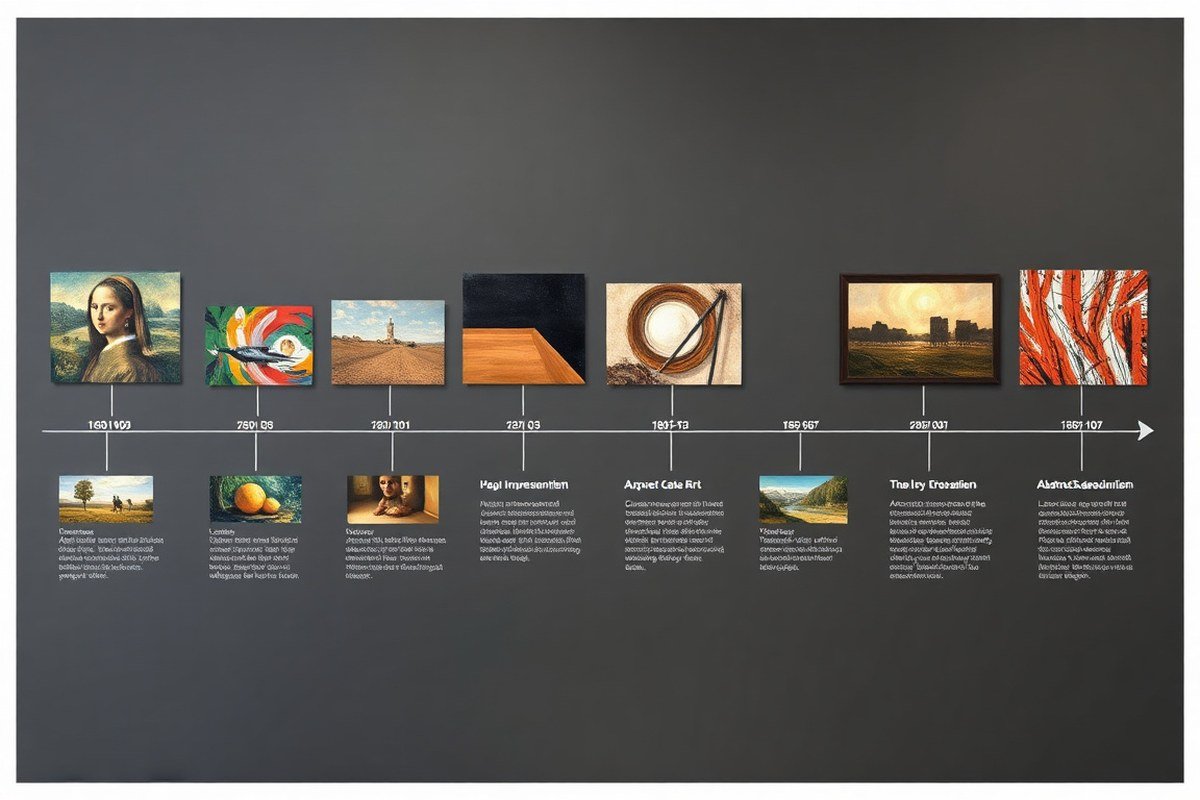
The courses also introduce you to various Art movements spanning from ancient cultures to modern and contemporary art. Movements like Classical, Renaissance, Baroque, Romanticism, Impressionism, Cubism, Surrealism, and Abstract Expressionism represent specific time periods where artists shared styles or philosophies. Recognizing the features of each movement enables you to place artworks in historical context and appreciate the evolution of visual expression.
| Category | Key Concepts | Example Art Movements |
|---|---|---|
| Elements of Art | Line, shape, color, texture, value, form, space | N/A |
| Principles of Design | Balance, contrast, pattern, rhythm, unity, proportion, scale, variety | N/A |
| Art Movements | Shared styles, philosophies defining periods | Ancient, Renaissance, Baroque, Romanticism, Impressionism, Cubism, Surrealism, Abstract Expressionism |
You also explore different visual art mediums such as painting, sculpture, printmaking, photography, and digital arts. This hands-on familiarity helps deepen your understanding of how artists use varied materials and techniques to convey ideas and emotions. The study of art movements and media combined with elements and principles equips you with skills to identify, analyze, and appreciate artworks in diverse contexts.
How to Analyze and Critique Art: Methods Used in College Courses
Analyzing and critiquing art in college begins with understanding formal analysis, contextual analysis, and subjective interpretation. Formal analysis focuses on examining a work’s physical features such as line, shape, color, texture, and overall composition. This step uses an objective lens, describing what you see without personal judgment. For example, you might note that a painting uses bold colors, diagonal lines, and asymmetrical balance to create a sense of movement.
Next, contextual analysis places the artwork within its cultural, historical, or social settings. You consider the time period, artist’s background, historical events, or prevailing attitudes when the work was created. This method lets you explore why the artist made certain choices and what messages the art aimed to convey at that moment. For instance, understanding that a sculpture was made during a war can reveal themes of conflict or resilience embedded in the piece.
Finally, subjective interpretation draws on your personal reactions and emotions triggered by the artwork. This step connects you to the art on a deeper level, encouraging you to use your own experiences to find meaning. In college courses, you learn to balance this personal insight with formal and contextual evidence, making your critique well-rounded and thoughtful.
Typical assignments include writing structured critiques where you describe the work, analyze its elements, explore its context, and interpret your response. Professors often provide step-by-step templates guiding you through these stages: first describe the artwork objectively, then analyze key elements, add historical or cultural context, and finish with your reflections. Doing this regularly hones your ability to discuss art clearly, whether through essays or class discussions.
Effective critiques rely on careful observation and research, which take time, expect to spend several hours per assignment gathering information and organizing your thoughts. Missing context or focusing only on personal opinion can weaken your analysis. Good results present a balanced view that explains how the artwork functions visually and culturally, paired with thoughtful interpretations that enrich your understanding.
Why Art Appreciation Matters: Emotional and Personal Benefits for Students
Art appreciation offers college students more than just knowledge about paintings or sculptures; it deepens emotional connection and boosts cultural sensitivity. Engaging with art helps students develop empathy by exposing them to diverse experiences and perspectives represented in various styles, from Impressionism’s play on light to Surrealism’s exploration of dreams. This emotional engagement enables you to relate personally to the artwork, which enriches your understanding and makes the learning process more meaningful.
The study of art appreciation challenges common misconceptions such as the belief that it requires prior artistic skill or that it’s only about liking or disliking art. Instead, it focuses on observing details, understanding context, and interpreting meaning. You can practice this by asking specific questions about a piece, like what emotions it evokes or which cultural factors influenced its creation, helping you open your mind to unfamiliar or challenging works.
Developing cultural sensitivity happens naturally when you explore art from different regions and time periods. For example, recognizing how abstract expressionism expresses emotions through gestures versus how cubism uses geometric forms can teach you to appreciate diversity in expression and thought. This fosters open-mindedness as you learn to respect unfamiliar ideas or aesthetics without quick judgment.
Forming a habit of regularly visiting galleries, watching films that feature notable artistic cinematography, or attending art talks can sustain these benefits over time. The effort required is mainly consistent curiosity and willingness to engage with art beyond surface-level interest. By doing so, you build skills valuable for any career that involves creativity, communication, or cultural interaction. Avoid expecting instant emotional reactions; sometimes it takes studying a piece or movement over several sessions to fully appreciate its impact.
Your First Steps for Appreciating Art in College
Start engaging with art appreciation now to deepen your understanding and enrich your college experience.
- Before Classes Start: Review the syllabus to familiarize yourself with the art periods and movements covered; this helps you prepare mentally for the topics ahead.
- Week 1: Attend all lectures and take notes focusing on key artists and styles; effective note-taking shows you’re absorbing the core concepts.
- Week 2: Visit the campus art gallery or museum and observe artworks discussed in class; being able to identify styles or techniques indicates growing familiarity.
- Week 3: Practice analyzing an artwork using course methods, like examining composition and cultural context; compare your critique with class discussions to test your skills.
- Week 4: Join a study group or art club to talk about different perspectives; active participation reflects expanding critical thinking.
- Midterm: Write a short essay linking an artwork to its historical and cultural background; clear connections mean you’ve grasped interpretive skills.
- After Midterm: Reflect on how art affects you emotionally and personally and share these insights in class or journals; awareness of personal impact shows deepening appreciation.
- End of Course: Select a favorite artwork and prepare a presentation explaining why it matters to you; successful delivery proves confidence and understanding.
Frequently Asked Questions
What Skills Can You Expect to Gain from an Art Appreciation Class in College?
You gain skills in visual literacy and art vocabulary, helping you discuss and interpret various artworks confidently. This foundation supports critical thinking and broadens your cultural awareness.
How Does Art Appreciation in College Fulfill General Education Requirements?
This course often counts as an arts and humanities general education credit, making it a useful option for students seeking to fulfill degree requirements while learning about art.
Can You Take Art Appreciation Courses Online for College Credit?
Yes, you can enroll in online Art Appreciation classes that offer transferable credits, making it convenient to study art without attending campus.
Are There Specific Art Forms Emphasized in College Art Appreciation Courses?
Courses introduce diverse media, including two-dimensional and three-dimensional art, allowing you to explore a wide range of artistic expressions.
Does Art Appreciation Focus Only on Western Art Traditions?
No, it covers a variety of global art movements and cultural perspectives to provide a broader understanding of art history and diversity.
Before You Go
Art appreciation in college goes beyond identifying styles. It builds your ability to think critically, connect with cultures, and engage emotionally with creative works. Start observing art in your surroundings and apply analytical skills you’re learning to deepen your experience. This approach will make the course more meaningful and practical in your life.