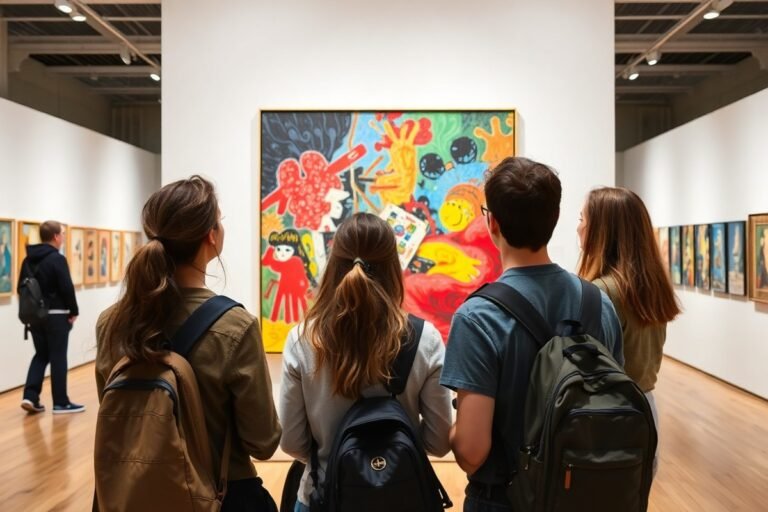

What Does an Art Therapist Do? A Complete Guide to Their Role and Methods
What does an art therapist do? An art therapist uses creative methods such as drawing, painting, and sculpting to help people explore their feelings, resolve emotional conflicts, and improve mental health. They guide clients in expressing themselves visually when words aren’t enough, making therapy more accessible and effective. Starting with a session that lets you create freely can open new paths to healing.
Key Takeaways
- Art therapists integrate art-making with talk therapy to access emotions difficult to express verbally.
- The sessions may involve individual, group, or family work depending on client needs.
- Art therapy supports mental health by reducing stress, anxiety, depression, and trauma symptoms.
- Completing a master’s degree with around 600, 700 supervised clinical hours is required for credentialing.
- Clients benefit from safer, clinically guided sessions ensured by rigorous practicum supervision.
- Art therapy can effectively complement traditional treatments for mental and emotional health.
What Happens in an Art Therapist’s Sessions?

During an art therapy session, you engage in creating art using various materials such as color pencils, paints, clay, or collage. The art therapist guides you through the creative process, encouraging you to express emotions or thoughts that might be difficult to put into words. The focus is not on your artistic talent but on how your choices in colors, textures, and forms reflect your inner experiences.
The session usually starts with a conversation where the therapist learns about your reasons for seeking help and explains how art therapy can support you. After this introduction, you move into the art-making phase, which might involve specific prompts or simply free expression. Your art therapist helps you explore the meaning behind your creations, connecting the artwork to your feelings or memories. This exploration aids in gaining self-awareness and emotional insight.
Typical art therapy materials include drawing tools, paint, clay, and collage supplies. Each medium offers different ways to express and process emotions. For example, clay allows a tactile experience that can be grounding, while collage can help piece together fragmented feelings. The therapist selects materials based on your needs, preferences, and the therapeutic goals you both discuss.
The process is step-by-step: conversation to set the session’s focus, creating art, reflecting on the artwork with the therapist’s guidance, and sometimes discussing how to apply these insights outside the session. Sessions usually last around 45 to 60 minutes but can vary. If you stop sessions abruptly, unresolved emotions may resurface, so gradual transitions are advised. Art therapists hold credentials such as ATR to ensure they are trained to connect the creative process with psychological healing effectively.
How Art Therapy Supports Mental and Emotional Health
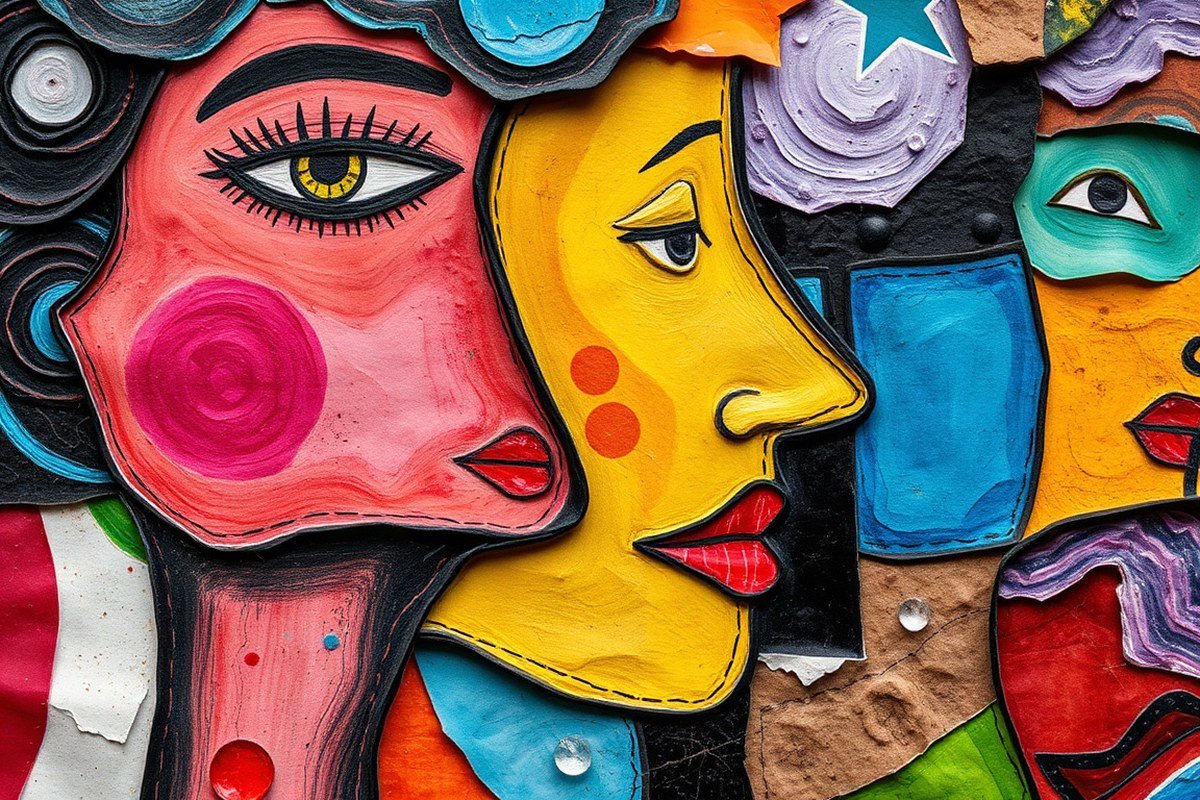
Art therapy supports mental health by providing a safe, creative outlet for people to express difficult emotions like anxiety, depression, or grief. Through making art, clients access feelings they may struggle to communicate verbally. This process promotes self-awareness and emotional regulation, which are key to personal growth and healing. Licensed art therapists guide clients in exploring their emotions while teaching how creative expression can benefit their mental well-being.
Clients’ artworks serve as valuable tools for understanding their emotional and mental state. Therapists analyze themes, colors, shapes, and symbols in the art to gain insights into clients’ feelings, stress levels, and coping abilities. These observations help track progress over time and identify areas needing attention. For example, recurring dark colors might indicate persistent sadness or anxiety, while more vibrant art could reflect improvement in mood.
Successful art therapists possess qualities like sensitivity, empathy, and emotional stability, which enable them to create a trusting atmosphere for clients. Patience and strong interpersonal skills are essential for navigating clients’ unique experiences and challenges. Knowledge of art techniques and psychology helps therapists choose the right art activities and interpret client expressions accurately.
Art therapy can suit different situations by adjusting techniques based on client needs. For example, it works well alongside psychotherapy for mood disorders and supports children with behavioral challenges by encouraging playful self-expression. Therapists often collaborate with mental health professionals to integrate art therapy into broader treatment plans.
Training, Credentials, and What It Takes to Become an Art Therapist

Earning a master’s degree in art therapy or a related field that combines visual arts and psychotherapy is required to become an art therapist. These programs usually last between two and three years and must comply with standards established by the Council for Higher Education Accreditation (CHEA). The coursework includes both theoretical study and practical training, with a focus on supervised clinical hours that provide hands-on experience. You must complete approximately 600 to 700 hours of supervised internships, ensuring at least half involve direct therapy with individuals, groups, or families. This direct engagement is important for developing skills in mental health support and managing clinical documentation.
After completing your master’s and the internship, you can apply for the Registered Art Therapist (ATR) credential from the Art Therapy Credentials Board (ATCB). This certification requires submitting proof of your education, supervised clinical hours, and references that confirm your competency. Some states may demand additional psychology credentials or a specific license to practice legally, so it’s essential to check local regulations. Once you earn your ATR or ATR-BC (board-certified) status, you’ll also need professional liability insurance to work as a licensed art therapist, especially in clinical or institutional settings.
While strong art skills help, you don’t have to be a professional artist to be an effective art therapist. The focus is more on using art as a medium to explore thoughts and emotions rather than producing gallery-quality work. Training teaches you how to interpret and guide these creative expressions therapeutically. A typical timeline for becoming an art therapist could be around three to five years, including your master’s program and required clinical hours, plus time for credentialing and licensing processes. Adhering closely to these steps ensures you meet professional standards and can provide quality care to your clients.
Where and with Whom Do Art Therapists Work?
Art therapists work in a broad range of settings, each offering unique opportunities to support healing through creative expression. Common workplaces include hospitals, mental health clinics, rehabilitation centers, schools, and community organizations. Some art therapists hold positions in senior centers and correctional facilities, while others run private practices or lead workshops. The choice of setting often shapes the types of clients they serve and the approaches they use.
Client populations vary widely. Art therapists support children facing behavioral challenges or developmental disorders such as Autism Spectrum Disorder. They also work with adults dealing with mental health issues, chronic illnesses, or recovering from trauma. Geriatric clients, often found in senior centers or nursing homes, benefit from art therapy to address cognitive decline, depression, or social isolation. In medical settings like cancer treatment centers or psychiatric facilities, art therapists collaborate with healthcare teams to help patients manage pain, anxiety, and emotional adjustment during difficult procedures or diagnoses.
Specializations within art therapy reflect the diversity of practice areas. Some art therapists specialize in Medical art therapy, focusing on patients undergoing physical healing or managing chronic conditions. Others may concentrate on geriatric care, designing sessions that cater to age-related needs and cognitive challenges. Educational settings offer chances to work with school-aged children, while forensic art therapy involves working with clients in the criminal justice system. Specializing often requires additional training or certifications tailored to the population and setting. The table below illustrates common environments, client types, and specialization areas in art therapy:
| Workplace | Client Population | Specialization |
|---|---|---|
| Hospitals, Cancer Centers | Patients with acute or chronic illness | Medical Art Therapy |
| Mental Health Clinics, Psychiatric Facilities | Individuals with mental health disorders | Mental Health Art Therapy |
| Schools, Educational Centers | Children and adolescents | Child and Adolescent Art Therapy |
| Senior Centers, Nursing Homes | Older adults with cognitive or emotional challenges | Geriatric Art Therapy |
| Community Centers, Correctional Institutions | Diverse groups including at-risk populations | Forensic or Community Art Therapy |
| Private Practice, Workshops | Individuals, couples, and groups across ages | General Clinical Art Therapy |
Ethics, Challenges, and Professional Practices in Art Therapy
Art therapists protect client safety and confidentiality by following strict ethical guidelines and professional standards. They keep detailed records of sessions but ensure that all client information remains private unless there is a legal obligation to disclose it. Confidentiality agreements are explained clearly to clients at the start. Therapists also create safe environments where clients feel secure expressing themselves, especially when dealing with trauma or emotional challenges.
Common challenges in art therapy include clients resisting emotional expression or feeling vulnerable sharing their artwork. Some may struggle with interpreting their art or feel misunderstood. Art therapists address these by providing gentle support, using open-ended questions, and allowing clients to guide how much they share. They might also adjust from individual to group sessions if social interaction becomes beneficial.
Interpreting client artwork ethically involves caution and collaboration. Therapists avoid imposing fixed meanings on artistic expressions. Instead, they share their observations and invite clients to explore what the art might represent, respecting cultural and personal contexts. For example, a therapist might say, “I notice dark colors here; how does that relate to how you feel?” This approach prevents misinterpretations and empowers clients.
Deciding When to see an art therapist instead of other types of therapists depends on your comfort with creative expression. Art therapy is especially helpful for those who find it hard to talk about feelings directly or who respond well to visual and tactile methods. If emotional or psychological issues have not improved through verbal therapy alone, choosing art therapy could provide alternative insights and healing pathways.
A practical checklist for choosing art therapy includes confirming that the therapist holds at least a master’s degree from an AATA-approved program, understands your specific concerns, and explains confidentiality and session structure clearly. You can also ask about their experience handling challenges like trauma or resistance. This ensures you engage with a qualified professional equipped to support your mental health effectively.
Your First Steps Toward Exploring Art Therapy
Starting your journey in art therapy means understanding how to engage with it and evaluate your experience along the way.
- Day 1: Research local art therapists and their specialties to find one who aligns with your needs or interests. Check for licensed credentials to ensure quality.
- Week 1: Schedule an initial session to experience how art therapy sessions flow and notice your comfort level with the process.
- After 1 session: Reflect on your emotional response and whether the art activities feel expressive and helpful.
- Week 2-3: Attend 2-3 more sessions to observe whether regular participation deepens your insight or reduces stress.
- Week 4: Decide if art therapy contributes to your goals by assessing changes in mood or self-awareness.
- Month 2: Consider discussing progress with your art therapist to adjust techniques or focus areas as needed.
- Ongoing: Explore training courses or volunteer opportunities if pursuing art therapy as a career path interests you.
Frequently Asked Questions
What Types of Clients Do Art Therapists Typically Work With?
Art therapists work with diverse clients, including children, older adults, and individuals facing mental health or trauma. Their specialization often determines the client group, such as child art therapists or psychiatric art therapists. This helps tailor art therapy to client needs.
How Do Art Therapists Measure Progress in Therapy?
Art therapists often assess progress through changes in clients’ art and verbal reflections, alongside traditional clinical tools. They observe emotional expression, coping skills, and behavioral changes during sessions. Tracking growth helps adjust therapeutic approaches.
Can Art Therapy Be Combined with Other Treatments?
Art therapy is often used alongside counseling, medication, or physical therapy for a holistic approach. Combining treatments can improve recovery by addressing emotional and physical needs together. Coordination with other providers is common.
What Role Does Creativity Play in Art Therapy?
Creativity is the core of art therapy, enabling clients to express feelings nonverbally. It aids in exploring emotions and solving problems through art-making, fostering insight and healing. This makes therapy accessible beyond words.
How Does an Art Therapist Handle Confidentiality?
Art therapists follow strict confidentiality guidelines similar to other therapists, protecting client privacy. They explain limits to confidentiality clearly to clients. Confidentiality builds trust essential for effective therapy.
Final Thoughts
Art therapists combine creative expression with mental health support to guide clients through personal challenges. You can take immediate steps by connecting with a licensed art therapist to experience this approach firsthand. Whether for personal growth or a professional pursuit, engaging with art therapy opens a path toward better understanding emotions and fostering well-being.