What Is Fan Art? A Complete Guide to Creation, Sharing, and Legal Basics
What is fan art? Fan art is original artwork created by fans using characters, settings, or themes from movies, TV shows, books, games, or other media. It is made by people outside the original creators to celebrate and explore their favourite stories and characters in visual form. Starting with a character or scene you love can help you begin your own fan art journey.
Key Takeaways
- Fan art includes drawings, digital paintings, cosplay, redesigns, and memes inspired by existing media.
- Most fan artists choose characters or scenes as their main subjects to connect with their fandom.
- Developing a unique style helps fan artists stand out and gain recognition in online communities.
- Popular digital tools for fan art include Procreate, Clip Studio, and traditional ink sketching.
- Sharing fan art on platforms like deviantART provides feedback and helps build a fanbase.
- Fan art often raises legal concerns, so understanding copyright and fair use is important.
What Is Fan Art and Who Creates It?
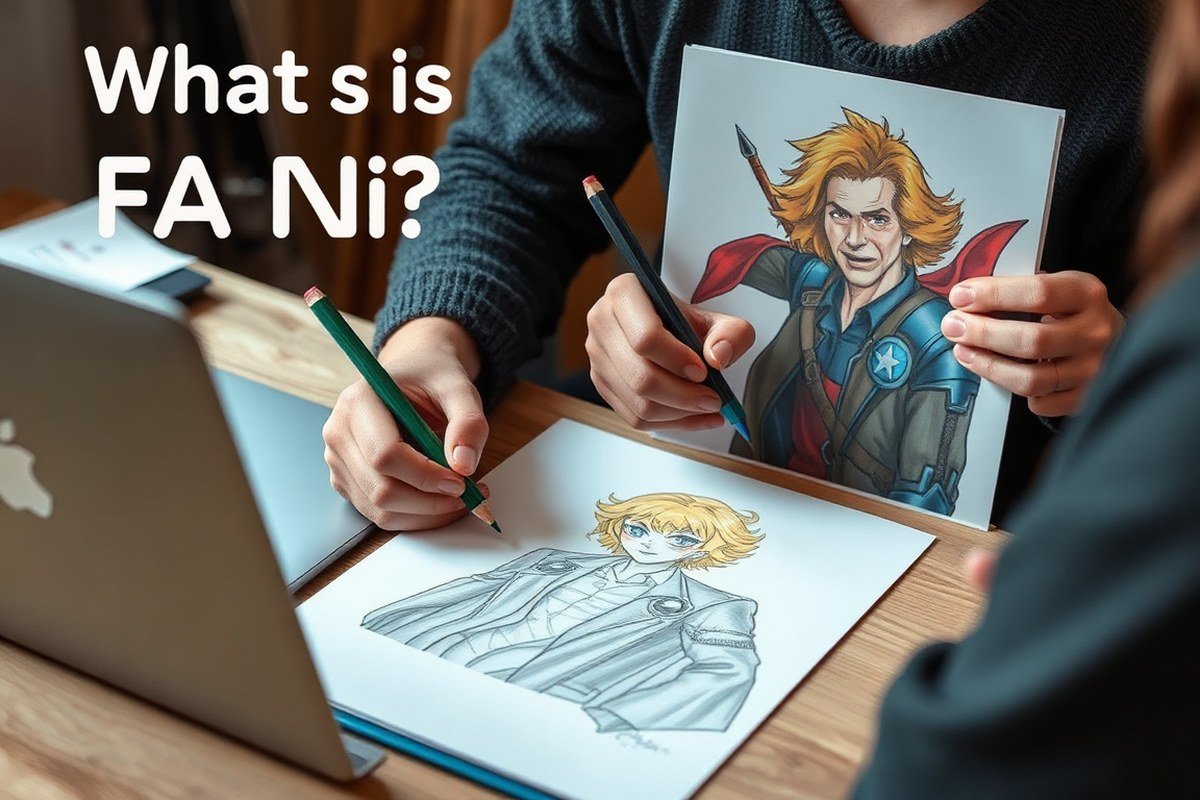
Fan art is artwork created by fans that depicts characters, scenes, or worlds from existing media like movies, TV shows, books, comics, anime, or video games. It is made independently, without involvement from the original creators. The idea of fan art dates back to the early 20th century when fans of cartoon characters began illustrating their favorites. Today, fan art appears in many forms, often as digital paintings, ink sketches, or 3D models.
Typically, fan artists focus on popular characters and storylines, producing Character drawings, scene recreations, and redesigns. A study from a well-known online fan art database shows that 40 percent of fan art features character drawings, 24 percent are scene recreations, and 16 percent involve character redesigns. These works commonly come from major franchises in animation, live-action TV, comics, and gaming.
The people making fan art range widely in skill and background. Some are casual fans enjoying a hobby, while others are deeply passionate about their favorite media. Many fan artists use fan art to explore personal creativity or to imagine new adventures and relationships for beloved characters. Some may not create original work easily but enjoy copying styles they admire. Others use fan art to represent characters or themes not often seen in mainstream media, adding unique perspectives.
Creating fan art usually starts by choosing a favorite character, scene, or crossover idea and selecting an art medium such as digital software or traditional tools. Since fan art involves copyrighted material, artists typically share their work on social media, fan sites, or conventions and should be aware of the rights and policies set by the original creators.
How Do Fan Artists Create and Share Their Work?
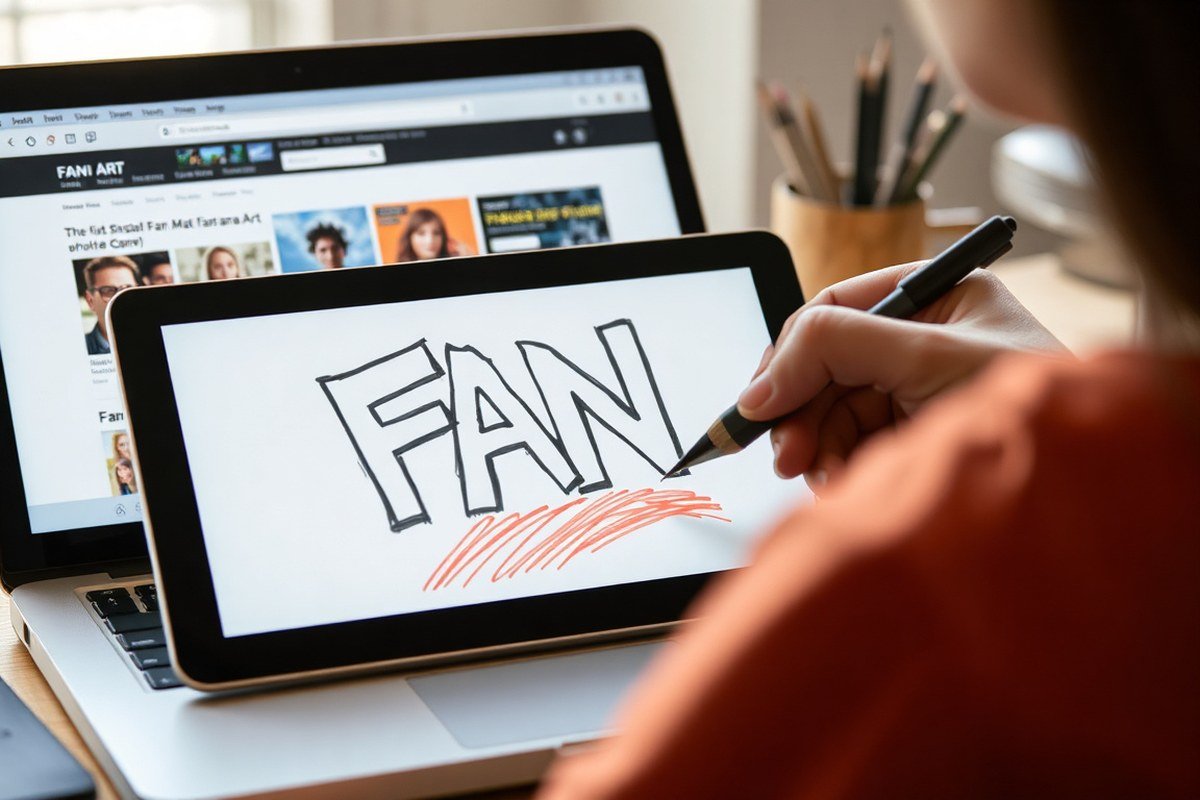
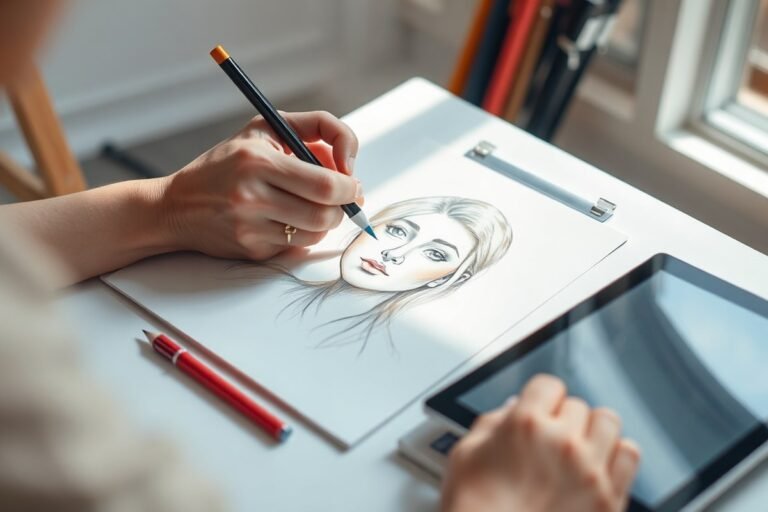
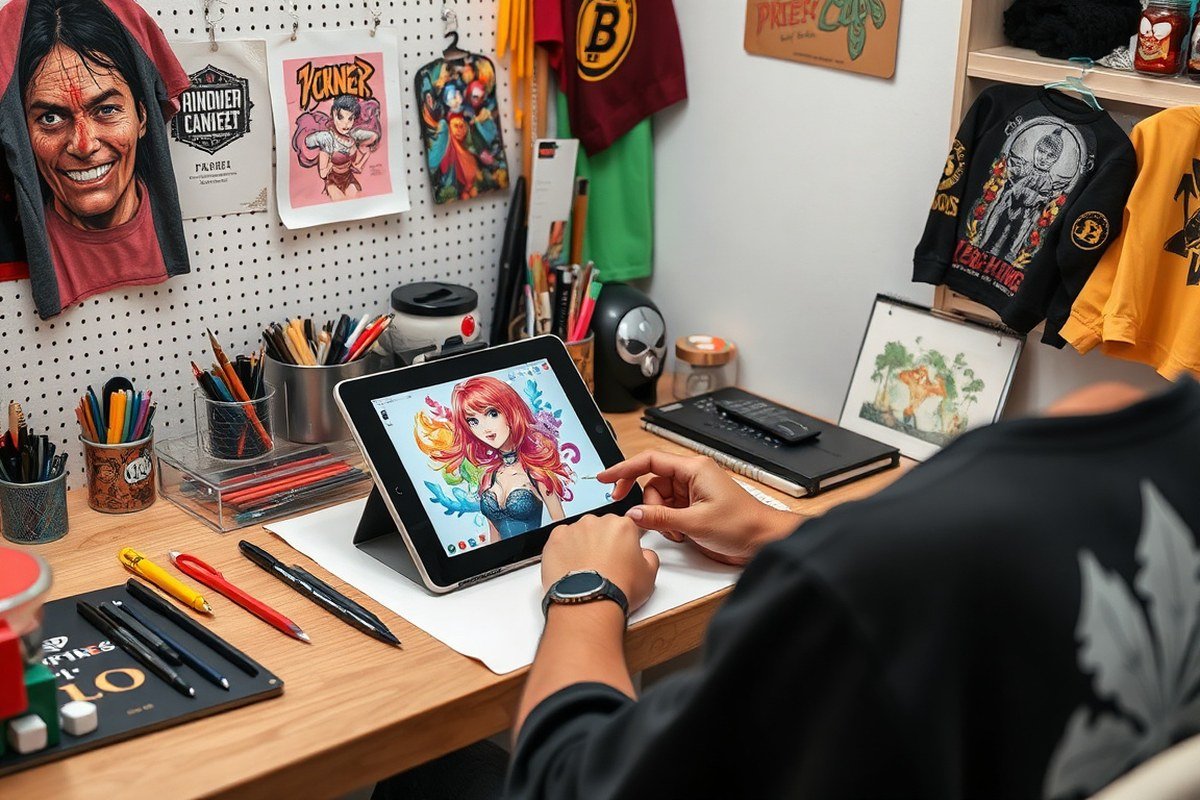
Fan artists create their work using a variety of tools and materials that depend on their preferred style and skill level. Many start with traditional mediums such as pencils, ink, markers, and watercolor paints. These offer an accessible, low-cost way to experiment and produce original pieces. Others use digital art software like Adobe Photoshop and Procreate, which allow for high-quality, versatile artwork on tablets or computers. Digital tools offer advantages like easy corrections, layering, and a wide range of brushes and effects. Some fan artists combine techniques, such as sketching by hand before coloring digitally, to achieve unique styles.
Creating basic fan art involves several steps. Begin by choosing a character or scene you want to depict. Next, make rough sketches to outline your composition. Refine your line art with clean, deliberate strokes, then add color or shading to bring depth and life to your piece. Take your time with details that help capture the personality of the characters or mood of the scene. Digital artists can use layers to separate different parts and make editing easier. Expect to spend at least one to three hours on a simple fan art drawing, depending on complexity and skill level.
Sharing fan art connects you with others and offers valuable feedback to sharpen your skills. DeviantART is a well-established and large community focused on fan artists. Platforms like Instagram, Twitter, and Tumblr attract broad audiences and encourage fan interaction. For anime fans, Pixiv is a popular choice, especially among Korean and Japanese creators. Many artists enter contests and challenges on these sites to exhibit their work and interact with fellow fans. While some display printed art at conventions, posting online remains the main way to share fan creations worldwide.
What Are Common Fan Art Styles and How Can You Create Unique Art?
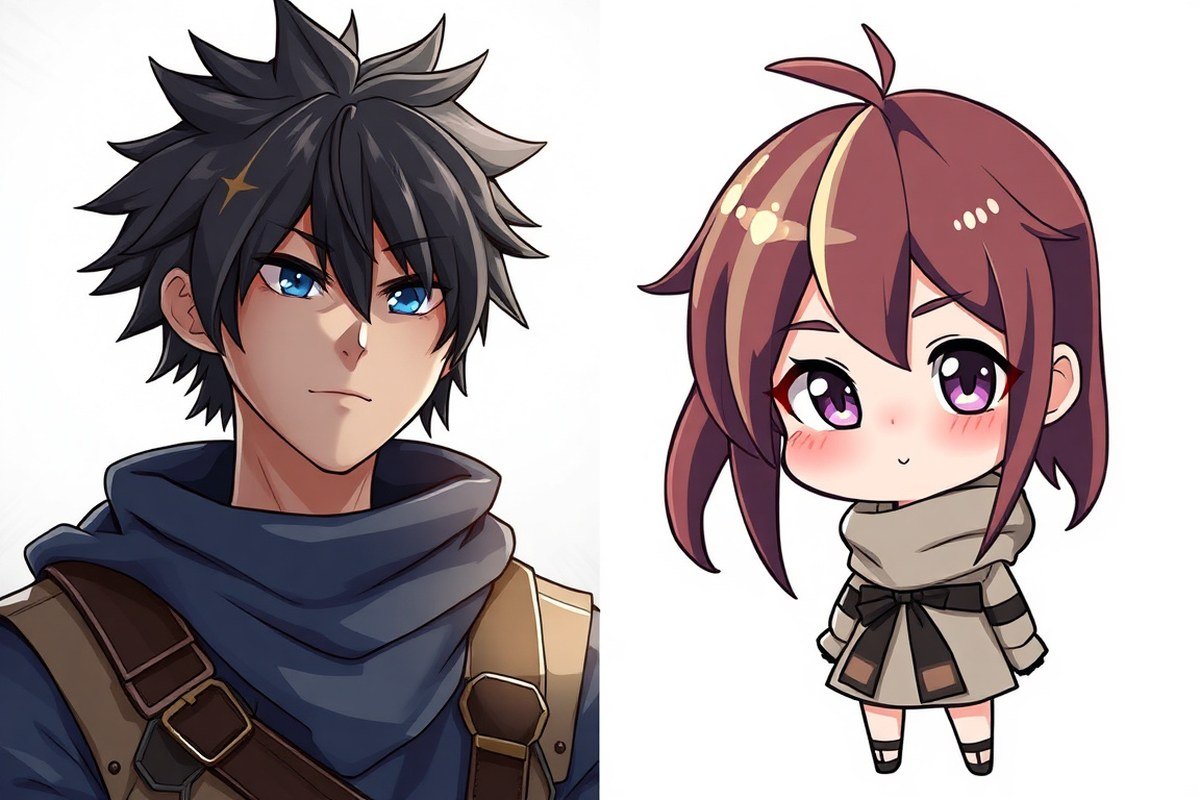
Fan art mainly takes form in character drawings, scene recreations, and character redesigns. Character drawings capture your favorite character’s look and personality, making them the most popular style among fan artists. Scene recreations revisit iconic moments from the original media, allowing artists to highlight meaningful story points or emotions. Character redesigns offer freedom to change costumes, colors, or even the character’s age and style, showing fresh interpretations. Each style serves different creative goals and appeals to varying fan interests.
| Fan Art Style | Description | Popularity |
|---|---|---|
| Character Drawings | Depicts known characters closely, often with expressive details. | Very high, a common entry-level fan art approach. |
| Scene Recreations | Recreates memorable scenes, emphasizing emotion or story beats. | Moderate, popular for storytelling focus. |
| Character Redesigns | Alters character design elements to create a new look. | Growing, valued for creativity and uniqueness. |
Developing a unique style starts with observing what makes your favorite characters distinctive. Pinpoint features like hairstyle, costume details, or signature poses. Carry those over but add your personal touch, alter colors, use different line styles, or change proportions slightly. This balance keeps your art recognizable while showing originality. Many fan artists aim for a style that stands out in the fandom community, which often means experimenting with digital brushes, mixing media, or blending other art influences.
Common themes include celebrating characters’ personalities, exploring alternate storylines through redesigns, or recreating emotional scenes. Across cultures, fan art brings varied stylistic influences, making global fandoms vibrant hubs where artists both honour and reinterpret original works. Creating fan art is both a skill-building exercise and a way to contribute personal insight to the media you love.
What Legal and Ethical Issues Should Fan Artists Understand?
Fan art exists in a complex legal space because it involves copyrighted characters or stories created by others. Creating fan art generally does not break copyright laws if it is for personal use and shared freely within fan communities. Problems arise primarily when selling or mass-producing fan art, which can infringe on intellectual property rights. Courts usually side with copyright holders, making it risky for artists to profit from fan art without permission.
To stay on the safe side, avoid selling fan art directly unless you have a license or permission from the rights holder. Websites like Redbubble can handle legal details for selling fan-made products, which helps artists focus on creation without worrying about copyright lawsuits. Still, these platforms have rules that limit what you can sell and how you attribute the original work.
When sharing fan art, respect the creator’s guidelines and avoid misrepresenting your art as official or endorsed by the original franchise. Ethical fan artists acknowledge the source material and engage positively within fan communities, supporting rather than exploiting the original work. Harassment or disrespect toward creators or fans damages the community and the reputation of fan art as a whole.
A practical checklist for legal and ethical fan art creation: Do use original expressions that add your own style or perspective. Do share freely on social platforms that welcome fan work. Don’t sell fan art without clear permission or a framework that covers legal rights. Don’t claim ownership of characters or stories created by others. Don’t use fan art for commercial advertising without rights clearance. This approach respects copyright law and fosters goodwill with the fandom and creators alike.
How Can Fan Art Impact Your Connection to Fandoms and Creativity?
Fan art strengthens fandom communities by providing a shared space where fans express their love for characters and stories. When you create or share fan art, you connect with others who have similar interests, making the community more welcoming and interactive. Groups like Fan-Art-World on DeviantArt help artists gain recognition and find support, encouraging newcomers to improve their skills. This sense of belonging boosts motivation and keeps fans engaged over time.
Creating fan art can also open pathways to a creative career. Some artists have caught the attention of companies or commissions simply by sharing their work online within fan circles. This often takes time and consistent effort, with a focus on improving technique and networking within the community. While fan art is typically non-commercial, showcasing your creativity can lead to professional opportunities, such as freelance work or collaborations, especially if you build a strong presence on platforms like Instagram or Twitter.
Pop culture influences fan art by shaping the themes and styles you may explore. Trends within media franchises encourage diverse artistic interpretations, from realistic portraits to stylized cartoons. Fan art often reflects current events, changes in the fandom, or new releases, which keeps the artwork fresh and relevant. However, controversies may arise around certain fan art choices, so understanding your community’s views is key to positive engagement.
To use fan art to engage your community, share your work regularly on fan forums or social media with hashtags related to the fandom. Participate in fan art challenges or collaborations, which create interaction and expose you to different styles. Always respect community guidelines regarding fan art sharing and commercial use to maintain trust. Doing so helps you build connections, showcase your creativity, and support the vibrant culture around your favorite media.
Quick-Start Action Plan for Creating and Sharing Fan Art
Starting fan art is simple when you break it into clear steps. Use this plan to create your first piece and connect with a fan community quickly.
- Day 1: Choose a fandom you love and identify a character or scene you want to draw. Your excitement will show in your art.
- Day 2: Gather reference images from official sources or fan sites. Comparing details helps ensure your art feels authentic.
- Day 3: Sketch your idea using pencil and paper or a digital tool. If the sketch looks like what you imagined, move on.
- Week 1: Add color or shading using your preferred medium, trying a style you enjoy. Your style will start to stand out.
- Week 2: Share your work on a fan art platform or social media group with a relevant hashtag or tag the fandom. Getting likes or comments means people are seeing it.
- Week 3: Review feedback to improve your skills or try new styles. Notice what you want to change or keep about your art.
- Month 1: Join a fan art challenge or collaboration to deepen your connection to the community. Participating shows your commitment and grows your network.
Frequently Asked Questions
What Are the Most Popular Types of Fan Art?
Character drawings make up about 40 percent of fan art, followed by scene recreations and character redesigns. Knowing this can inspire you to explore popular themes or try less common types for originality.
How Has Fan Art Evolved with Internet Platforms?
Sites like deviantART and Tumblr allowed fan art to reach global audiences, growing communities and feedback. This online exposure lets new artists connect and learn from peers worldwide.
When Was the Term “Fan Art” First Used?
The term was first used in 1960s science fiction fanzines, marking the start of organized fan art culture. This history shows fan art’s roots in dedicated fan communities.
Can Fan Art Include Cosplay Photography?
Yes, cosplay photos are a popular fan art form, making up around 10 percent of fan works. Photography blends creativity with fandom, expanding fan art beyond drawings.
How Do NFTs Relate to Fan Art?
NFTs let fan artists sell and get recognition for digital works, adding a new dimension to fan art’s economy. This option is growing but involves digital ownership complexities.
Before You Go
Fan art lets you express your love for stories and characters while growing your creative skills. Start by drawing something simple today and sharing it with others who appreciate the same fandom. Engaging this way opens up new chances to enjoy your favorite media in a more personal way.