

What Are Art Commissions? A Complete Guide to How They Work and How to Price Them
What are art commissions? An art commission is a custom artwork created specifically for a client who requests and pays for it. Artists work directly with clients on details like subject, size, and style. Starting with a clear agreement on these elements helps ensure the finished piece matches what the buyer wants.
Key Takeaways
- Clients usually pay 50% upfront as a deposit when commissioning art.
- Artists invoice the remaining 50% only after completing and approving the art.
- Commission completion times vary widely depending on complexity and medium.
- Common commissioned works include portraits, illustrations, digital art, and paintings.
- Pricing varies by skill level, work detail, and time required, from $10 to thousands.
- Calculate how many commissions you need monthly to meet income goals.
What Are Art Commissions and How Do They Work?

Art commissions are personalized requests where a client hires an artist to create a specific piece of artwork tailored to the client’s vision. This process involves a clear agreement on the style, medium, subject matter, and sometimes size or format. Unlike buying pre-existing art, commissioning means the work is made from scratch to meet particular needs or preferences.
The Commission process typically starts with the client reaching out to the artist, often through a dedicated commission page on the artist’s website or an art platform. The client provides details about what they want, including any reference images, preferred colors, and usage intentions. The artist then confirms whether the request fits their style and availability, providing a price quote and estimated timeline.
Once the client agrees and usually pays a deposit, often in US dollars through platforms like PayPal, the artist begins the work. The timeline varies, generally lasting from one week up to several weeks or more depending on complexity. Throughout the process, clients often receive progress updates and may request up to three rounds of revisions to ensure the final piece matches their expectations.
Typical participants in an art commission include the client, who defines the project’s needs, and the artist, who interprets and executes the vision. Clear communication is key during the commission, especially around payment terms, revision limits, and copyright ownership. Artists may reserve rights to cancel a project if terms are not met or if the scope changes significantly.
Commissioning art offers clients a chance to be involved in the artistic process while ensuring the final product fits their personal or commercial purpose. The cost varies widely, from as low as $10 for simple digital sketches to thousands for complex, large-scale paintings. Successful commissions balance clear expectations, fair pricing, and open dialogue between artist and client.
How Long Does a Typical Commission Take?

The time it takes to complete an art commission varies widely depending on the type and complexity of the work. For example, a simple digital portrait may require a few days, while a detailed oil painting could take several weeks or even months. Larger or multi-subject pieces generally need more time, as do commissions that involve multiple revisions or special materials. It makes sense to track how long different commission types have taken you in the past to set realistic expectations.
Several factors influence turnaround time. These include the artist’s familiarity with the style or subject, the client’s responsiveness during approval steps, and the artist’s current workload. Commissions requiring multiple sketches or refinements naturally extend the timeline. Also, consider extra days for drying if the medium is traditional paint, and shipping time for physical delivery. Including all these steps in your timeline agreement helps prevent misunderstandings.
Setting a clear timeline in your commission contract is essential. Specify how long you need to review the contract, create preliminary sketches, and complete the final artwork. Outline the payment schedule, usually a 50% deposit upfront and the remainder upon completion before delivery. This structure secures your time and covers initial costs. For example, you might commit to 2 weeks for a digital piece and 6 weeks for a larger painting, adding buffer days if you expect client revisions.
It’s common for artists to feel overwhelmed by multiple commissions at once, so sticking to what you know well can save time and frustration. As demand grows, your time becomes more valuable, and you should adjust pricing and timelines accordingly. Good communication about timelines makes clients understand the process better and increases satisfaction with the final piece.
Common Types of Art That Get Commissioned
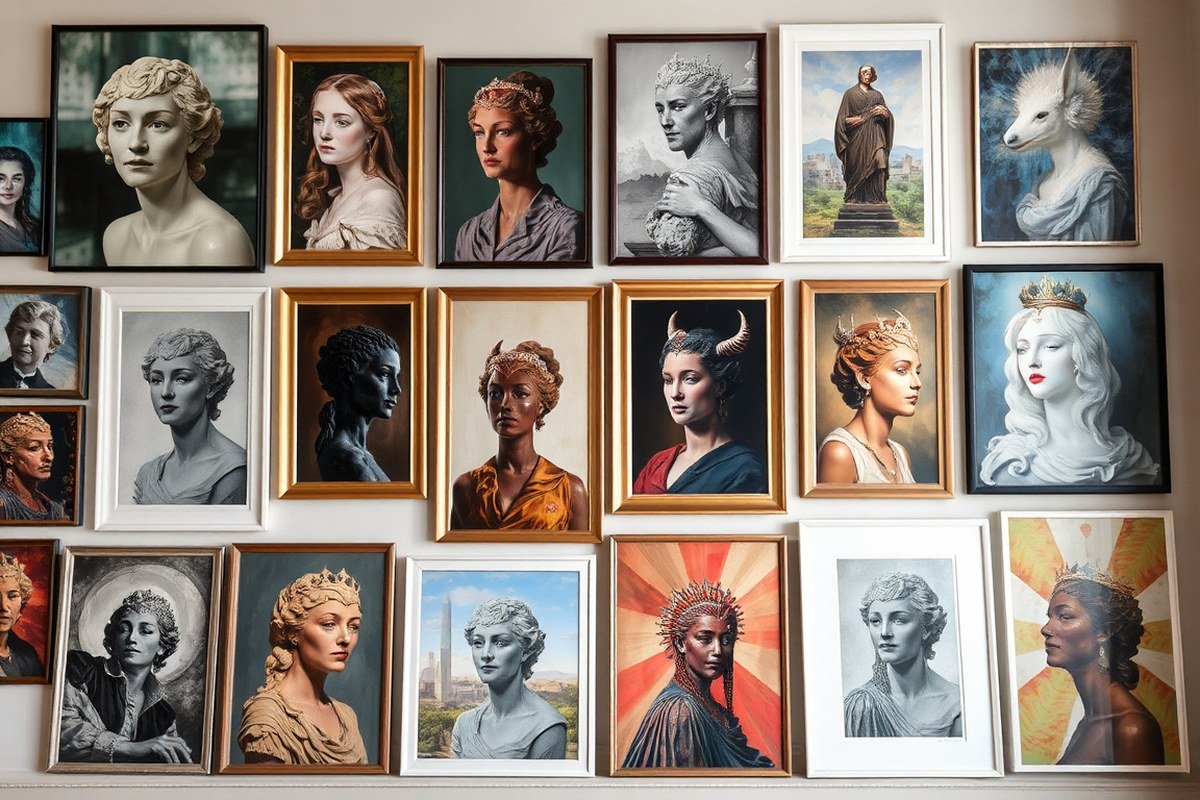
Clients often commission portraiture, including busts, half-body, or full-body portraits, which remain popular across both traditional and digital forms. Portraits capture the essence or personality of the subject, making them a sought-after genre for personal gifts or commemorations. Other common commissions include landscapes, pet portraits, fan art, character designs, and custom illustrations tailored to specific themes or stories. Each type reflects the client’s intent, whether it’s personal decoration, gift-giving, or professional use.
The choice between traditional and digital commissions significantly shapes the project. Traditional works, such as oil paintings, charcoal drawings, or watercolor pieces, require physical materials and more elaborate setup. They often take longer to finish due to drying times and shipping if the artwork is delivered physically. Costs may be higher to cover supplies, framing, and shipping expenses. Digital commissions, by contrast, use software tools and graphics tablets, allowing for faster revisions and digital delivery, which reduces or eliminates shipping costs. A digital artist can offer animations, layered files, or prints, broadening the scope of what clients can request.
Artists usually list clear options for commission types, showing differences in size, pose, and complexity along with transparent pricing. This clarity helps clients choose the product that fits their budget and vision while helping artists manage expectations. Stating whether you accept only digital work or also traditional pieces is essential to avoid confusion. Clients commissioning professional or commercial work often expect detailed contracts and usage licenses, so explicitly defining the media and rights in advance avoids disputes.
Whether you handle traditional or digital art, good results come from matching your skill set with what the client wants and maintaining open communication about materials, time frames, revisions, and budget. Common pitfalls include underestimating the time traditional media takes or overpromising complex digital effects. By clearly listing your commission types and limitations, you pave the way for smoother projects that meet both artistic and client needs.
How to Price Art Commissions Effectively
Pricing Art commissions effectively begins with researching artists who share your style and skill level to see their rates. Many beginners charge between $30 and $50 for a digital sketch, while professionals typically ask for $80 to $120. For a full painting, beginner artists might set prices around $100 to $150, but experienced artists can charge between $250 and $500. Custom sculptures start higher, with beginners around $150 to $200 and pros charging $400 or more. This pricing comparison offers practical benchmarks to guide your own rates.
Several factors influence how you set prices. Your skill level is the primary one: higher expertise justifies higher fees. The type and complexity of the artwork also matter, as a detailed full painting takes more time and resources than a simple sketch. Consider the time it will take; an artwork demanding many hours should reflect those labor costs. Also, your business goals affect pricing, if you want to grow your commission base, you might introduce package deals or slightly lower prices at first. Conversely, pricing too low risks undervaluing your work and burning out.
A simple decision rule works well: multiply your estimated base rate by the project’s complexity and your confidence in your skill. For example, if your base is $20 per hour and the project equates to four hours of work, charging $80 fits the calculation. Asking around other artists and adjusting for materials or licensing fees secures a fair offer for both you and the client. Remember, transparency with clients about pricing and the reasons behind it builds trust and clears expectations, leading to smoother commissions.
Establishing Clear Payment Terms and Contracts
Standard payment schedules for art commissions usually involve a deposit upfront, often around 30% to 50% of the total agreed price. This deposit secures the artist’s time and materials, showing the client’s commitment. The remaining balance typically gets paid upon completion but before the art transfers ownership. For larger projects or long timelines, splitting payments into milestones tied to specific deliverables can help both parties stay on track and reduce risk.
An art commission contract should include clear details about the scope of work, such as the art style, size, materials, and any deliverables like sketches or revisions. Payment terms must cover the deposit amount, final payment deadline, and methods accepted. Deadlines or delivery dates ensure expectations align on timing, and clauses addressing intellectual property rights clarify who owns reproduction and display rights after completion. Also include revision limits and cancellation policies to protect against misunderstandings.
Contracts protect artists and clients by making the agreement legally binding and reducing confusion. The artist can hold the client accountable to pay in full, which is important for cash flow and motivation. The client gains assurance the artist commits to deliver as agreed. Both parties avoid disputes by documenting expectations upfront.
A simple contract template includes sections like: party details, project description, payment schedule (deposit and balance), deadlines, ownership of rights, revision policy, cancellation terms, and signatures. Using a contract checklist, verify you’ve covered scope, payments, delivery, rights, and how to handle changes or disputes. Some artists use platforms like Etsy or Fiverr, which offer built-in contract functions, but a personalized written contract emailed or signed digitally is often more flexible.
Costs for drafting a contract are usually minimal, especially if you use free templates online tailored for art commissions. The time needed is mostly upfront but saves hours of potential issues later. Clear payment and contract terms help establish professional relationships that encourage timely payments and quality results, avoiding common pitfalls like late payments, scope creep, or misunderstandings about usage rights.
Tips for Managing Client Communication and Revisions
Clear and consistent communication is key throughout the commission process. Start by confirming the client’s vision in writing, summarizing details like style, size, and subject. Regular updates, such as sharing rough sketches or progress shots, help manage expectations early. When clients request changes, ask them to be as specific as possible about what they want adjusted. For example, you might say, “Could you please tell me which parts you’d like changed and how?” This keeps feedback focused and easier to address.
Offering a reasonable number of revisions, often one to two rounds included in the initial price, helps balance client satisfaction with your time. Beyond that, explain that additional changes may require extra fees. You might use a script like this: “I’m happy to make these two revisions as part of your commission. For further changes, there would be an additional charge to cover the extra work. Would you like me to provide a quote for that?” This approach sets limits kindly but firmly.
When clients request excessive changes, stay professional and refer back to the initial agreement. Remind them of the agreed revision limit and time frame, emphasizing your goal to deliver quality work efficiently. For example: “I want to make sure you love the final piece. Since we’ve already completed the included revisions, further adjustments will need extra time and cost. Review how you’d like to proceed next.” Setting these boundaries protects your schedule and income while keeping communication respectful.
Good communication in art commissions saves time and helps build trust. It prevents misunderstandings and ensures both you and your client feel confident moving forward. Without this clarity, projects can stall or become frustrating, costing you more effort and potentially harming your reputation.
When to Accept or Decline Commission Requests
Deciding whether to accept or decline an art commission depends on clear, practical criteria. Start by assessing if the project fits your artistic style and interests; working on something outside your comfort zone can lead to dissatisfaction and a product you don’t feel proud of. Next, evaluate your current schedule and workload. Deadlines that are tight or require sacrificing other commitments might mean it’s better to decline. Also, consider how the commission aligns with your values, say no if the content conflicts with your principles.
Watch for red flags in client communication. A potential client who is vague about their expectations, unwilling to provide reference images, or hesitant to agree on payment terms should raise concerns. Sometimes, these signs indicate a difficult working relationship or delayed payments. Asking for a deposit upfront and setting clear contract terms often prevent misunderstandings.
An effective decision rule is to say yes only when the project matches your style, you have enough time, and the client respects your process including payment and communication terms. Use a simple mental checklist: Does this challenge my skills positively? Can I meet the deadline? Is the client clear and professional? Is the payment fair and secure? Any time the answer is no, politely decline or refer the inquiry to another artist. This protects your time, energy, and reputation, ensuring your commissions contribute positively to your growth as an artist rather than causing burnout or conflict.
Step-by-Step Action Plan for Starting Your Art Commission Journey
Use this plan to begin handling art commissions smoothly and professionally, ensuring positive experiences for both you and your clients.
- Before you start: Set your pricing clearly based on your skill level and the type of artwork. Confirm your prices feel fair by comparing with similar artists online.
- Day 1: Create a simple contract template including payment terms, scope, and revision limits. Make sure a few trusted peers review it for clarity and fairness.
- Week 1: Reach out to potential clients or announce your availability on social media. Track inquiries to see which platforms bring the most interest.
- When you receive a request: Communicate clearly about the timeline, payment, and your process. Check you and the client agree before starting work.
- During the project: Share work-in-progress updates regularly and manage revisions within agreed limits. Confirm client satisfaction at each stage.
- Upon completion: Deliver the final artwork only after full payment. Ask the client for feedback and permission to use the piece in your portfolio.
- After the commission: Review the process to identify what worked and what could improve. Adjust your pricing, contract, or communication based on your experience.
Frequently Asked Questions
What Are the Main Benefits of Taking Art Commissions?
Art commissions provide artists with financial security and steady income before a piece is complete. They also deepen your connection with clients who value your unique style.
How Can I Promote My Availability for Art Commissions Effectively?
Creating a dedicated art commissions page or website helps advertise your services clearly. Use social media and online communities to spread the word about your availability.
What Should I Include in My Art Commission Contract?
Clarify payment terms, deadlines, revision limits, and usage rights in your contract. This protects you and sets clear expectations to avoid conflicts.
Can I Refuse a Commission If the Project Doesn’t Fit My Style?
Yes, declining projects is advisable if they don’t align with your skills or values. It keeps your portfolio consistent and ensures you deliver quality work.
How Do Art Commissions Differ from Selling Ready-Made Artwork?
Commissions are custom and paid upfront, while ready-made art is sold as is. Commissions involve client collaboration and specific requests tailored to buyers.
Key Points to Remember
Art commissions offer a structured way to create custom work while building your reputation and income. Taking clear steps to set expectations, price fairly, and communicate well will help you succeed. Start today by drafting your contract and pricing list, then reach out to your network to find your first commission opportunity.