
Where Art Is Shown Off and Sold: 5 Key Places to Showcase and Sell Art
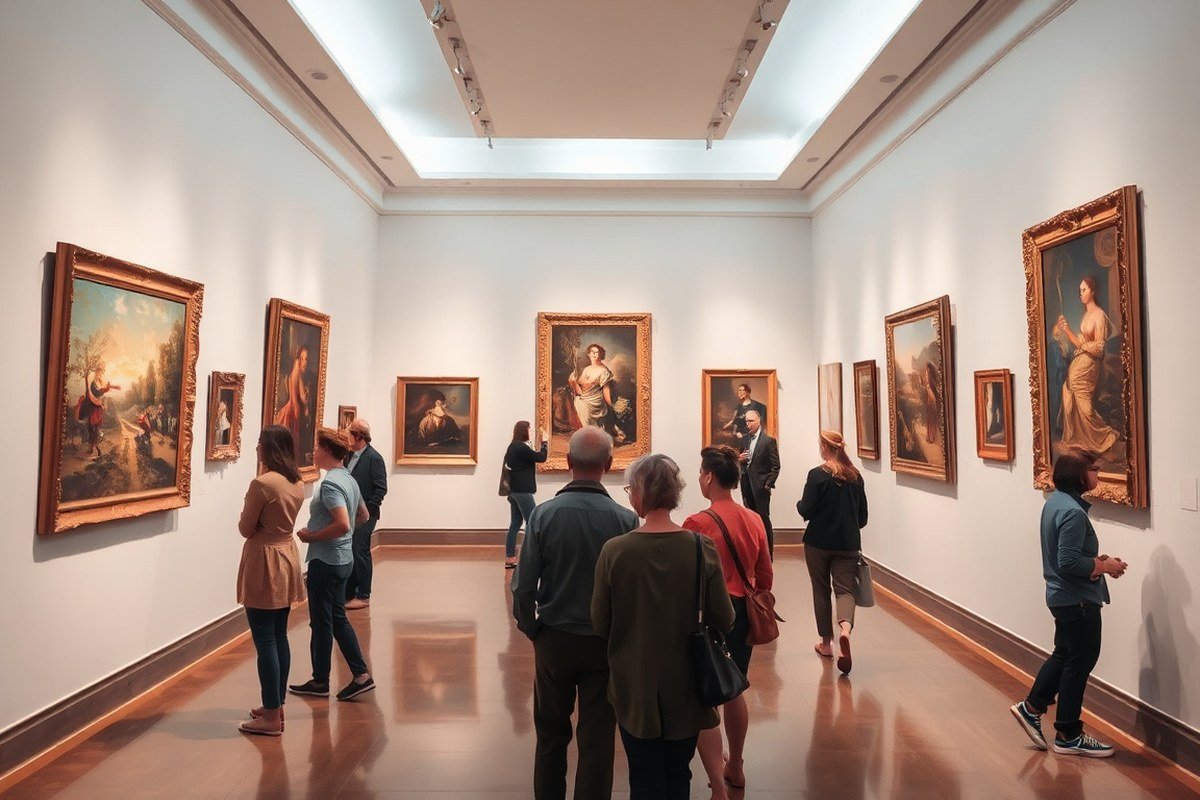
Knowing Where art is shown off and sold helps you place your work where buyers are ready to engage. Art spaces range from galleries and auction houses to local cafés and online marketplaces. Start by selecting locations that match your art style and attract your target audience for the best results.
Key Takeaways
- Choose venues that fit your art and where your potential buyers naturally gather.
- Show your art in community spots like coffee shops or offices to reach diverse crowds.
- Use the 70/30 rule when working with galleries or platforms to understand your net earnings.
- Pop-up shows and street exhibitions can quickly boost both exposure and sales.
- Keep detailed records of sales and exhibitions to maintain your archive if galleries close.
- Affordable prints under $100 with local themes often sell fast to authentic art buyers.
Top Venues Where Art Is Shown Off and Sold
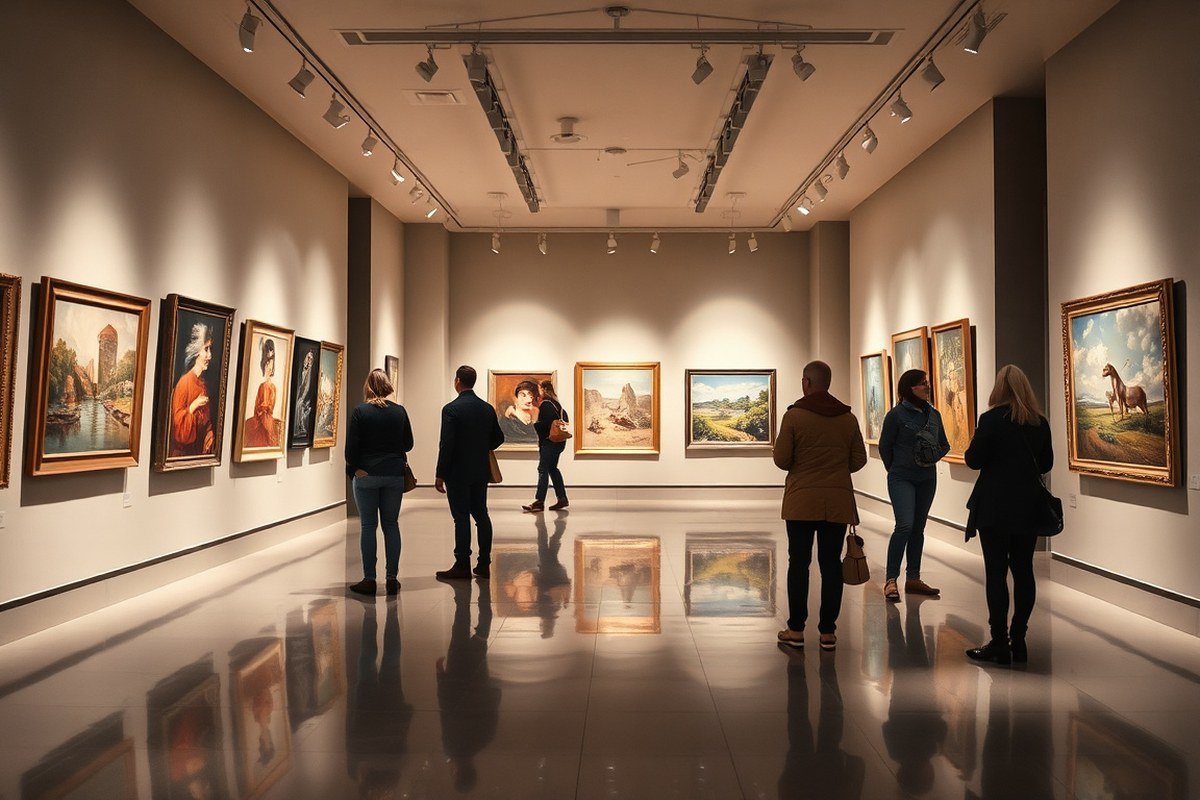
Physical venues for showing off and selling your art include galleries, local businesses, and art fairs. Art galleries provide dedicated spaces tailored to showcase your work to targeted audiences, often attracting serious collectors and art enthusiasts. Galleries typically charge a 30% commission on sales, meaning you keep 70% of the sale price. This venue suits artists with polished portfolios aiming for higher-value sales and exposure through curated exhibitions.
Local businesses such as coffee shops, restaurants, and offices offer a more casual setting. These venues bring your art to an everyday audience, increasing visibility but usually resulting in smaller, more frequent sales without commissions.
Art fairs and festivals give you direct access to broad and enthusiastic crowds. These events allow for immediate sales and networking but often require fees for booth space and involve busy, competitive environments.
| Venue Type | Audience | Typical Commission | Accessibility | Sales Opportunities |
|---|---|---|---|---|
| Art Galleries | Targeted collectors and art lovers | 30% | Selective, requires portfolio review | Higher-value sales, professional exposure |
| Local Businesses | General public and casual viewers | Usually none | Easy, may need owner permission | Consistent small sales, brand building |
| Art Fairs and Festivals | Wide and diverse audience | None to moderate booth fees | Open to most artists | Immediate sales, direct buyer contact |
Online platforms like Etsy and Artbroker.com extend your reach beyond local boundaries, connecting you with global buyers. These platforms usually take around a 30% commission combined with listing fees. Selling online offers convenience and continuous exposure, but standing out requires clear images, detailed descriptions, and active promotion to attract buyers browsing thousands of works.
The primary difference between physical and online venues lies in audience interaction and sales timing. Galleries and fairs allow buyers to experience art firsthand, often leading to quicker, more confident purchases. Online platforms provide accessibility and scale but may have slower sales and require you to build trust virtually. Using both methods together can balance broad reach with personal engagement, improving your art’s visibility and selling potential.
How to Choose the Best Place to Display and Sell Your Art

Choosing the best place to display and sell your art depends on a few key factors: your art style, price range, desired audience, and personal goals. Start by clarifying what you want, exposure, sales, or building connections, and match venues that support those goals. For example, galleries often suit established artists with higher-priced pieces seeking serious collectors. Their professional handling can boost your credibility, but expect commission fees typically around 30-50% and some gatekeeping based on style and market fit. Alternatively, local businesses like coffee shops or boutiques offer steady exposure to diverse, casual audiences. These venues usually work on consignment, meaning your art stays visible without upfront costs while giving you direct selling opportunities with less pressure. Pop-up galleries and community centers are great if you want to engage directly with buyers and even host personal art events, building loyal supporters over time.
Your art’s style and price help narrow choices. For unique, experimental art or affordable pieces under a few hundred dollars, starting with local businesses or art fairs can create buzz and direct feedback. Higher-priced, traditional pieces might fare better in recognized galleries or online platforms with established buyer traffic. Think about reach too: local venues offer face-to-face sales and community ties, while online platforms expand your visibility nationally or globally but require active promotion on social media to drive traffic.
Apply a simple decision rule: Match your target buyer’s habits and your sales goals with the venue’s audience and selling model. For example, if your art prices average $100 to $500 and you want personal connections, local cafes or art fairs keep you grounded in your community with low barriers. For artworks priced over $1,000, galleries or specialized online platforms may offer better returns but involve higher costs and competition. Avoid venues that don’t align with your style or can’t support your pricing to prevent poor sales or wasted effort.
Keep costs and time in mind. Galleries and pop-up spaces may require application fees, setup time, and commission. Local business consignments usually cost less but need ongoing communication and promotional effort to succeed. Track what venues generate actual interest and sales to refine your choices, focusing your energy where your art connects best.
Preparing Your Art and Materials for Exhibition and Sale
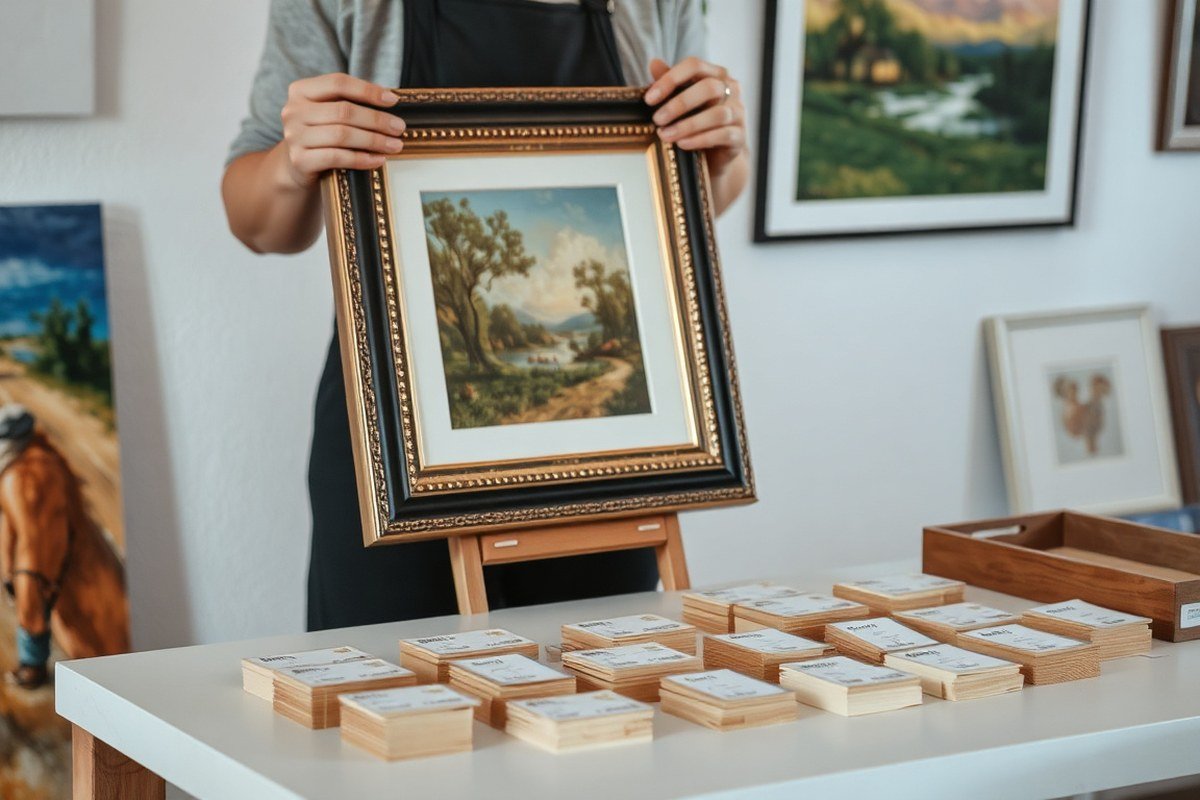
Presenting your art professionally begins with clean, appropriate framing that protects and complements your work. For most venues, frame your piece in a simple, sturdy frame with acid-free mats to prevent damage. Consider your art style and venue audience when selecting colors and materials. Use UV-protective glass or acrylic to reduce sun damage, especially for outdoor or well-lit spaces. For sculptures or unframed art, secure sturdy bases or display stands to keep the piece stable and safe during transit and exhibition.
Labels and documentation add value and clarity to your presentation. Include a label with the artwork’s title, medium, size, price, and your contact details. An Artist statement describing your inspiration and process gives buyers insight and connection. Bring printed copies of your CV or portfolio for galleries or collectors interested in your background. Ensure you have provenance information ready, such as creation date and exhibition history, preferably organized using an app or spreadsheet for quick access. This professional approach signals trustworthiness and makes follow-ups easier.
- Frame artwork with acid-free mats and UV-protective glazing
- Attach clear, concise labels with title, medium, size, price, and contact info
- Prepare an artist statement highlighting your vision and techniques
- Bring printed CV or portfolio samples for professional venues
- Use a digital or printed inventory system to track provenance and sales
- Set prices based on venue and audience, balancing market research with your costs
- Prepare simple contracts or consignment agreements when selling through galleries
Pricing your art varies by venue. Galleries often expect a 40-50% commission, so set prices with that in mind. Local markets or pop-ups may require lower prices but no commission, making sales quicker. Research similar works and adjust for size, medium, and your experience level. Have flexibility if needed to negotiate but avoid undervaluing your work. Contracts ensure clarity on payments, display duration, and commission, protecting you legally and financially. Clear preparation helps your art shine and buyers feel confident.
Maximizing Sales Through Local, Community, and Pop-Up Events
Art fairs and pop-up galleries offer dynamic, in-person settings where you can engage directly with buyers and display your work beyond traditional galleries. These events typically last from one day to a weekend, allowing you to set up a booth or temporary space to showcase multiple pieces. Organizing or joining a pop-up involves choosing a high-traffic location, securing necessary permits if outdoors, and promoting the event through social media and local flyers. Costs might range from $50 to several hundred dollars for booth rental, depending on event size. Success at these fairs depends on your ability to present your art attractively and communicate your story to visitors, making your work memorable enough to prompt purchases or commissions.
Showing art in coffee shops and local businesses provides a relaxed atmosphere where your work can reach a steady stream of community members. Many coffee shops offer consignment opportunities, where you leave your art to sell in exchange for a commission, commonly between 20, 40%. To start, approach local businesses with a professional portfolio and a simple consignment contract. Display cards with pricing and your contact details help potential buyers connect with you. These venues tend to attract casual buyers, so keep prices accessible to encourage impulse purchases.
Engaging buyers at any in-person event benefits from a few key practices. Prepare a brief introduction explaining your artistic inspiration and medium. Ask open questions to involve visitors, such as what type of art they connect with or where they might display a piece. For pop-ups or fairs, consider accepting multiple payment options, including cash, card, and apps like Venmo. Offering small giveaways or holding a raffle for a print can also keep visitors interested and build your mailing list for future sales. Within community events, regularly hosting shows or open studio days can turn occasional viewers into repeat customers by creating a local following.
Using Online Platforms and Building Lasting Buyer Relationships
Platforms like Etsy, WooCommerce, and artbroker.com connect artists directly to buyers worldwide. Etsy focuses on handmade and unique artworks, and artbroker.com centers on linking artists with fine art collectors. These sites commonly charge a commission split, such as keeping 70% of the sale price while paying 30% in fees. For example, selling a $500 piece would net you $350 after the $150 platform fee. Knowing this cost structure helps you price your work to stay competitive while covering expenses.
Promoting your art online requires a clear, consistent strategy. Use social media to share high-quality images and stories behind your work, ideally posting 3 to 4 times a week across platforms like Instagram and Facebook. Include event announcements, behind-the-scenes content, and buyer testimonials to engage potential collectors. Pair posts with relevant hashtags and geotags to increase reach. Also, collaborating with local businesses or influencers can boost your visibility beyond typical audiences.
Maintaining relationships after a sale is key to building your reputation and encouraging future commissions. Keep detailed records of buyers using a spreadsheet or an art management app, noting the artwork title, sale date, and contact information. Follow up within a week with a personalized email like: “Thank you for your purchase of [Artwork Title]. I hope it brings you as much joy as it did in creating it. Please feel free to reach out with any questions or to hear about future works.” Send occasional updates or exclusive previews tailored to returning collectors. This ongoing communication builds trust and often leads to repeat sales or referrals.
Your First 30 Days: A Quick-Start Plan
Start showing and selling your art by targeting the best venues and building buyer connections. Follow these steps to set yourself up for successful exhibitions and sales.
- Day 1: Research local galleries, pop-up events, and online platforms that fit your art style. Check their submission guidelines and audience reach to decide where to apply first.
- Week 1: Prepare your portfolio including high-quality photos and artist statements. Use this material to apply for exhibitions or online listings and measure success by accepted shows or platform approvals.
- Week 2: Set up your online presence on at least one art sales platform. Track engagement levels and inquiries as indicators of buyer interest.
- Week 3: Attend local art shows or pop-up markets to network with collectors and other artists. Count new contacts or leads gathered during these events.
- Week 4: Create promotional materials like business cards and social media posts highlighting your upcoming shows or online listings. Look for increased following or direct messages from potential buyers.
- After 1 month: Review which venues and platforms yielded the best leads or sales. Focus your efforts there while planning your next exhibition or online campaign.
Frequently Asked Questions
Where Art Is Shown Off and Sold in Persona 5?
In Persona 5, you can display and sell art at spots such as the LeBlanc café, underground malls, specialty stores, and occasional galleries. These varied venues show the game’s blend of relaxed and formal art settings.
Where Is Crossword Puzzle Persona 5?
The Persona 5 crossword puzzle appears on social media and virtual platforms such as digital galleries and pop-up shows. These are often promoted within fan communities online.
What Is the Answer to Persona 5 Crossword Puzzle 2?
Answers to Persona 5 crossword puzzles vary, but the second puzzle typically includes terms from the game’s characters or events. Check fan forums or game guides for exact solutions.
What Are the Answers to the Persona 5 Crossword Puzzles?
Answers to the Persona 5 crossword puzzles often relate to character names, locations, and events from the game. Online fan sites and walkthroughs provide detailed solutions.
Where Can I Find Art Shows Outside Traditional Galleries?
You can find art shows outside traditional galleries in lively local spots like coffee shops, restaurants, offices, street exhibitions, and pop-up events. These venues attract diverse crowds and boost visibility for your work.
The Bottom Line
Showing off and selling your art effectively depends on choosing the right venues and actively engaging with buyers both in person and online. Start with targeted research and steady outreach to build momentum. Take the first step now by submitting your work to one local gallery or online platform that matches your style and audience.