What Is Glass Art? A Complete Guide to Styles, Techniques, and History
What is glass art? It is the craft of shaping and decorating glass to create artistic pieces, combining creativity with skilled techniques. Glass art turns raw materials like silica sand into sculptures, vessels, or decorative objects using heat and various methods. Starting with basic glasswork helps you appreciate how intricate and varied this art form can be.
Key Takeaways
- Glass art originated over 2,500 years ago with ancient civilizations like the Egyptians using molten glass in open molds.
- The Studio Glass movement in the 1960s shifted glass from functional objects to expressive, sculptural artworks.
- Hotworking involves shaping molten glass at around 2,100°F, where it becomes honey-like in consistency.
- Warmworking uses kilns heating glass between 1,250° to 2,000°F to bend, fuse, or slump glass pieces.
- Fusing glass involves heating pieces up to 1,600°F to bond them into one solid surface.
- Renowned glass art studios include Lundberg Studios, Orient and Flume, and Parabelle Glass, known for their unique styles.
What Is Glass Art and How Did It Begin?
Glass art is the creation of decorative or functional objects using glass as the primary medium. This art form spans centuries, combining both craft and artistic expression. Its origins trace back to around 3500 BC in Ancient Egypt, making it one of the oldest human artistic activities involving materials.
Early glass art began with casting molten glass, made from silica sand, lime, and soda, into open molds by Egyptians, Assyrians, and Mesopotamians between 5000 and 2500 years ago. Some of the oldest surviving examples appear in King Tutankhamen’s burial chamber, discovered in 1922, showcasing the sophistication of Egyptian glass craftsmanship.
| Period | Key Milestones |
|---|---|
| ~3500 BC | Earliest known glass art in Ancient Egypt (casting with sand, lime, soda) |
| 1st century BC | Glassblowing invented, revolutionizing glass shapes and artistry |
| Middle Ages | Millefiori technique used by Romans, Phoenicians, and Islamic artists |
| Late 1800s | Louis Comfort Tiffany patents iridescent “Favrile glass” |
| 1960s | Small furnaces enable individual studio glass art production |
| Late 20th century | International studio movements emerge, such as Murano and Chinese Liuli art |
The invention of glassblowing around the 1st century BC allowed artists to create more complex shapes with thinner walls, improving both utility and artistry. Techniques like millefiori, thin canes of coloured glass fused into patterns, originated with ancient Mediterranean cultures and were refined in Venetian glassmaking on Murano Island. The 19th century saw new innovations by artists like Tiffany, who produced distinctive art glass with complex colouring effects. By the 1960s, affordable small furnaces made it possible for individual artists and small groups to operate private studios, drastically expanding creative possibilities.
Producing glass art typically involves heating raw glass to temperatures above 2100°F, where it becomes soft and workable but still viscous, resembling thick honey. This process requires precision and experience to avoid cracking or unwanted bubbles. Today, artists worldwide blend these age-old methods with modern technologies for sculptures and functional pieces, continuing a craft with roots stretching back over 5,000 years.
What Are the Main Styles and Artistic Forms of Glass Art?
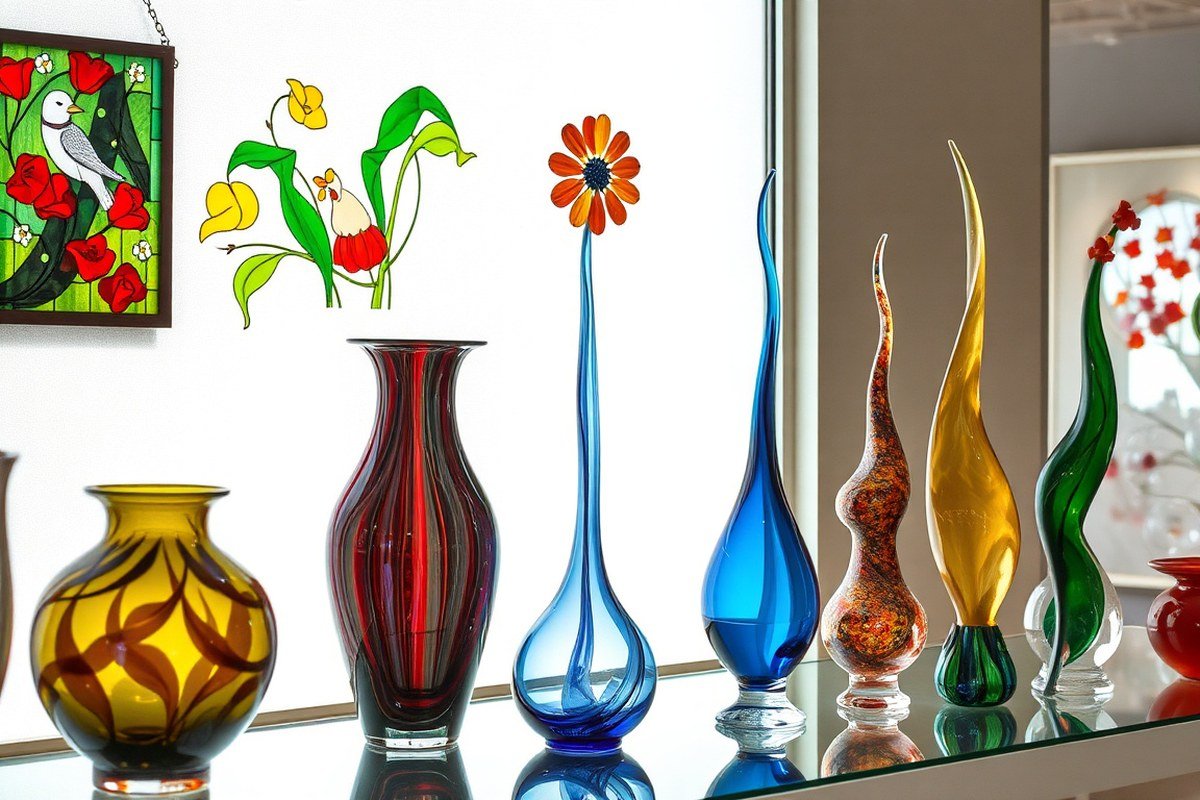
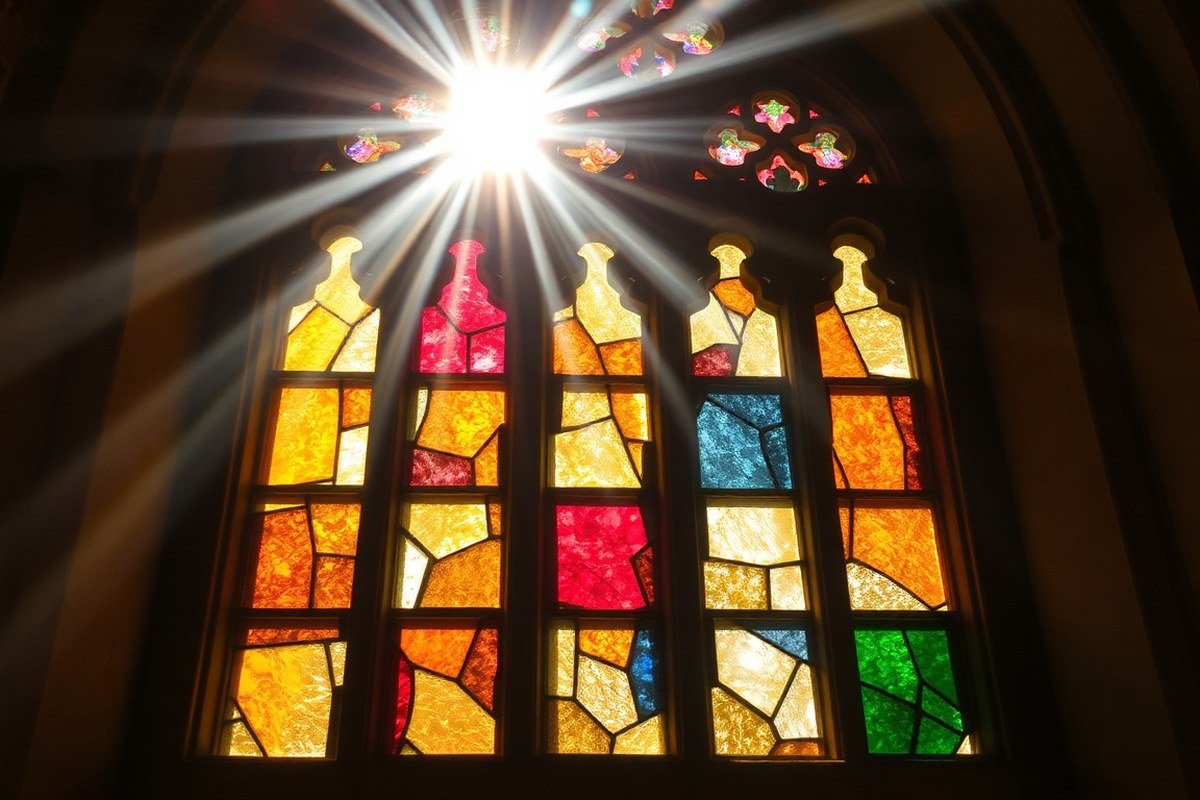
Glass art spans many styles, each with unique forms and historical roots. Stained glass is among the oldest styles, traditionally found in church windows featuring vivid colours joined by lead came. Today’s stained glass artists push boundaries by using contemporary designs while preserving these centuries-old techniques. Vessels such as bowls, vases, and bottles showcase blown glass skill, where molten glass is inflated and shaped using tools and a punty rod. This form balances utility and beauty, with prices often ranging from $50 for beginner works to thousands for artist-signed pieces.
Paperweights became collectible art in the mid-1800s, initially simple utilitarian objects now valued for intricate internal designs created by lampworking techniques that melt rods of coloured glass. Sculptural glass is a broad style that emerged strongly with the Studio Glass movement, which started in the early 1960s in Toledo, Ohio. This movement marked a shift by treating glass as a medium for contemporary art rather than factory production. Sculptural pieces often use casting and fusing, allowing artists to create forms that play with light, texture, and transparency.
Modern glass artists blend traditional methods like blowing and casting with new technology, including kiln forming and cold working, to produce works that range from abstract shapes to realistic figurative art. The Studio Glass movement expanded the scope of glass art worldwide, inspiring artists to experiment beyond vessels toward architectural installations and intricate, small-scale objects. Historical glass styles typically focused on function or decoration, while contemporary glass art often serves pure artistic expression or conceptual purposes.
Comparison of glass art styles: Stained glass features colourful leaded panels, typically 3-10 mm thick and created in sections joined with solder. Blown glass vessels are formed at 2,000°F, shaped in seconds, requiring rapid cooling over hours. Paperweights involve detailed, miniature work inside 1-3 inches of glass, often needing 5-10 hours per piece to complete. Sculptures can vary widely, from cast glass cooled slowly over days to fused glass sheets heated near 1,500°F for layered effects. Studio Glass prioritizes artistic freedom and small furnaces (about 2 cubic feet) for on-site creation, unlike factory methods.
Which Techniques Do Artists Use to Create Glass Art?
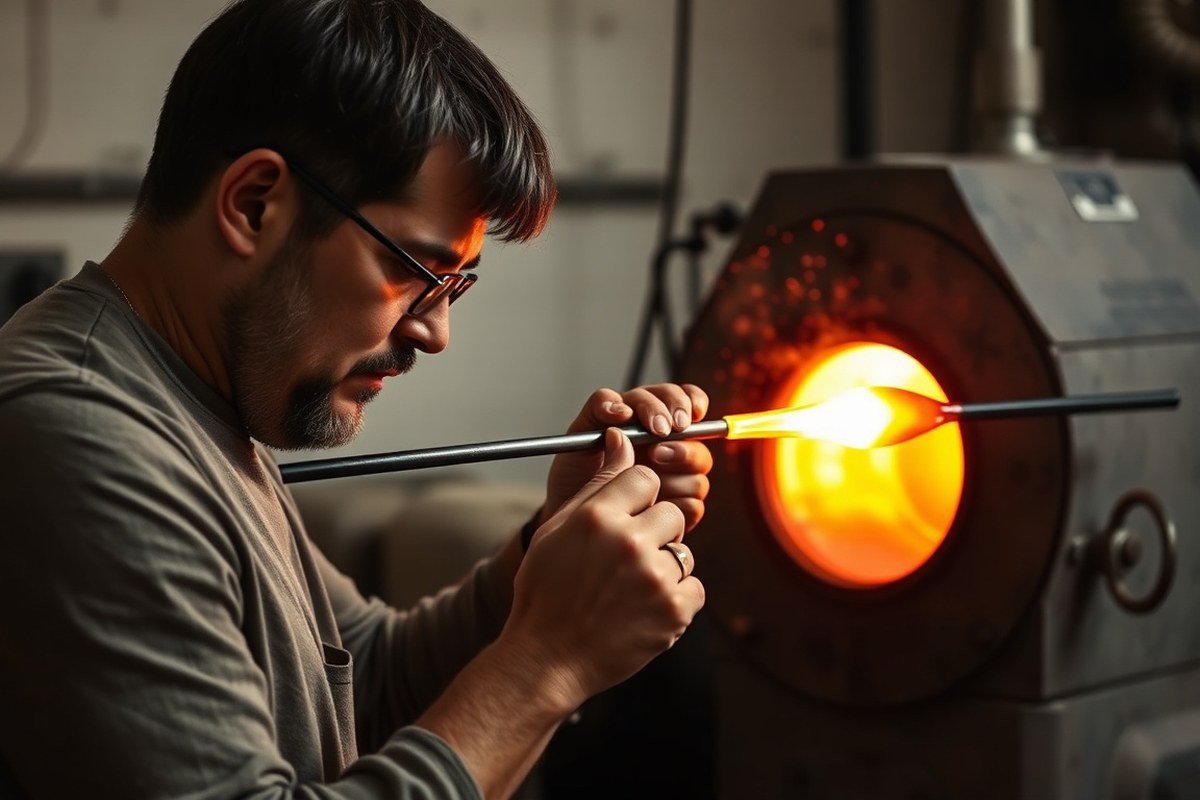
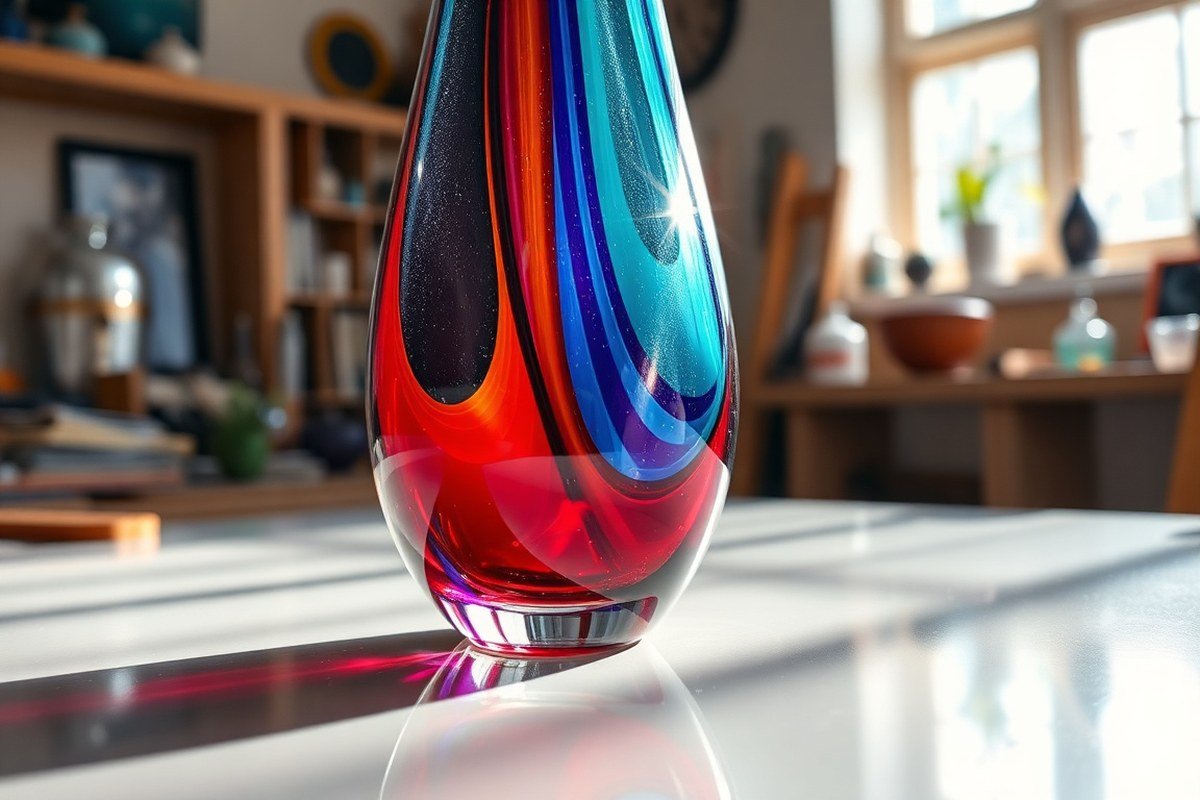
Glass art techniques range widely, but they often fall into two main categories: hot glass and warm glass methods. Hot glass working involves handling molten glass at temperatures over 2000°F (1100°C). This high heat keeps the glass fluid, allowing artists to shape it using tools like blowpipes for glassblowing or paddles and tweezers for hot sculpting. Glassblowing is the traditional hot glass technique where a gather of molten glass is inflated into bubbles and manipulated into forms. This method requires a furnace to keep glass molten and tools for shaping, and it usually costs thousands of dollars to set up a studio space due to the specialized equipment and safety gear.
On the other hand, Warm glass techniques use glass heated in a kiln at lower temperatures, typically between 1250°F and 1600°F (675°C to 870°C). Warm glass includes fusing, where flat glass pieces are heated until they melt together, and slumping, where glass bends and takes the shape of a mold. These methods require kilns that reach moderate temperatures and use sheets of compatible glass with specific coefficients of expansion to avoid cracking. Kilns can cost from a few hundred to several thousand dollars, but warm glass studios often have lower ongoing costs and safety risks than hot glass studios.
Cold working involves shaping or decorating glass at room temperature, such as cutting, engraving, or coating with metal leaf. This technique does not need furnaces or kilns but depends on specialized grinders, saws, or etching tools. Each technique affects color and form differently: hot glass allows more fluid, organic shapes, while warm glass excels in layered colors and controlled shapes. Good results in hot working show smooth, even surfaces with no cracks, and warm glass pieces should show consistent fusing or slumping without stress marks or bubbles.
| Aspect | Hot Glass | Warm Glass |
|---|---|---|
| Temperature Range | >2000°F (1100°C) | 1250°, 1600°F (675°, 870°C) |
| Main Equipment | Furnace, blowpipe, shaping tools (paddles, shears) | Kiln, molds, compatible glass sheets |
| Common Techniques | Blowing, hot sculpting, flame-working | Fusing, slumping, casting |
| Typical Studio Setup Cost | $10,000 and up | $500 to $5,000 |
How Is a Glass Art Piece Made Step-by-Step Safely?
Creating a glass art piece through blowing involves heating glass to a molten state, shaping it by blowing air through a tube, and carefully cooling it to prevent cracks. Safety is critical because the process deals with extreme heat, sharp glass, and heavy tools. Beginners should start with the right materials and a clear checklist to reduce common mistakes like overheating or poorly managing the glass’s temperature changes. You’ll need a glassblowing furnace (heated to around 2,100°F to 2,400°F), a blowpipe, various shaping tools, protective clothing, and safety gear such as heat-resistant gloves and eye protection. Follow these basic steps to make a glass art piece safely:
- Gather materials and safety gear. Wear heat-resistant gloves, long sleeves made of natural fibers, closed-toe shoes, and protective eyewear. Set up your workspace with easy access to water and a fire extinguisher.
- Heat the glass. Retrieve a gather of molten glass from the furnace on the end of a blowpipe. Keep it rotating constantly to maintain even heat and prevent sagging.
- Shape the glass. Blow gently into the pipe to create a bubble. Use tools like jacks, paddles, and shears to shape the molten glass as desired. Continue reheating in the furnace to keep it pliable, typically no longer than a few minutes each session.
- Cool gradually. Place the finished piece in an annealer to cool slowly over several hours or more, sometimes up to 24 hours or longer depending on its thickness. This step reduces internal stress and avoids cracking.
Common beginner mistakes include overheating the glass, causing it to become too thin or misshapen, and rushing the annealing process, which often leads to breakage. Maintain even heating and cooling, regularly check the temperature, and never handle the hot glass without protection. This careful control of temperature and timing produces a successful glass art piece ready for further decorating or display.
How Do New Technologies and Trends Impact Glass Art?
New technologies like 3D printing are expanding what’s possible in glass art. Artists use 3D printing to create precise molds or designs that can then be cast or blown in glass, allowing for complex shapes that traditional techniques struggle to achieve. This integration makes glass art more versatile and accessible, but it requires equipment costing several thousands of dollars and knowledge of digital design software. Glass couture, a recent trend, combines glass elements into wearable art like jewelry or fashion accessories. This brings glass art into everyday life, blending craftsmanship with contemporary style and often demanding careful handling since glass pieces remain delicate.
Communities and museums play a key role in supporting glass art today. Institutions like the Corning Museum of Glass, home to over 50,000 objects, offer extensive exhibitions and research resources, preserving glass art history while showcasing modern works. These spaces introduce narrative glass art, installations, and technical innovations to the public, encouraging appreciation and learning. You can find local artist groups and online forums that share techniques, hold workshops, and promote new creators, offering valuable support and inspiration for hobbyists and collectors.
Proper display and care ensure glass pieces remain safe and visually appealing. Place glass art on stable surfaces away from high-traffic areas or direct sunlight, which can cause fading or thermal stress. Use padded bases or stands designed for glass objects to avoid scratches or cracks. Dust regularly with a soft cloth and avoid harsh chemicals; mild soap diluted in water works well. Keep room temperatures between 60°F and 75°F with stable humidity to prevent stress fractures. Display lighting should be indirect or use LED bulbs to reduce heat buildup.
Your First Steps: Starting with Glass Art
Here’s a simple plan to begin exploring glass art as a new hobby or interest.
- Day 1: Research local studios or classes that offer beginner glass art workshops to get hands-on experience. Check if they provide safety instructions and basic tools to confirm a good learning environment.
- Week 1: Gather essential safety gear like heat-resistant gloves, eye protection, and proper ventilation guidance. Confirm these tools are in place before trying any glassworking techniques.
- Week 2: Practice basic glass techniques with inexpensive glass rods or beads, focusing on simple shapes. Successful shaping without cracking shows you’re ready for more complex work.
- Week 3: Watch videos or read about glass art styles to decide which appeals most to your taste and skill level. Knowing your preferred style helps focus your practice effectively.
- Week 4: Try one full project using a straightforward method like glass fusing or lampworking. Finish a piece without safety incidents to confirm your readiness for regular practice.
- After 1 Month: Connect with an online or local community of glass artists for feedback and inspiration. Active engagement helps improve your skills and keeps you motivated.
- Ongoing: Invest gradually in better tools and materials as you grow more confident. Upgrading gear should match your increasing skill to avoid overwhelm or injury.
Frequently Asked Questions
How Has Glass Art Influenced Modern Decorative Trends?
Glass art shapes modern decoration through unique textures and colors, offering a distinctive style that blends tradition with modern aesthetics for interiors. Its versatility allows artists and designers to innovate in both functional and purely decorative objects.
What Makes Hand-Blown Glass Art Unique Compared to Other Methods?
Hand-blown glass art is unique because each piece is individually shaped by the artist, making no two identical. This technique adds value and character through slight variations invisible in mass-produced glass items.
Why Is Corning Museum Important for Glass Art Enthusiasts?
The Corning Museum holds a vast array of glass art spanning 3,500 years, making it a key resource for enthusiasts to study historical and modern glassmaking craftsmanship worldwide. It offers insights into the evolution and techniques of glass art.
How Can Beginners Safely Start Working with Glass Art at Home?
Beginners should start with basic glass projects using kits and safety gear like goggles and gloves, ensuring proper ventilation and avoiding extreme heat setups initially. Learning simple methods builds skills while reducing risks.
What Role Did the Studio Glass Movement Play in Glass Art History?
The Studio Glass movement, starting in 1962, redefined glass from industrial use to fine art by enabling artists to create unique, expressive pieces in small studios instead of factories, spurring creative freedom and innovation.
The Bottom Line
Glass art combines beauty and craftsmanship through a variety of styles and techniques, offering a unique creative outlet. Starting gradually with attention to safety lets you enjoy the art form while building skill and confidence. Try making a small piece today to experience firsthand the rewarding process of shaping glass.