
How to Get an Art Agent: A Complete Guide with Proven Steps and Tips
How to get an art agent starts with having a strong, polished portfolio that highlights your unique style and skills. An art agent connects you to galleries and clients, handles negotiations, and helps manage the business side of your art career. Begin by creating 10-15 high-quality pieces that clearly represent your work to attract serious agents.
Key Takeaways
- Create a portfolio with 10-15 finished artworks that showcase your individual style and technical skill.
- Research art agents who specialize in your niche and have a track record of representing artists like you.
- Approach agents professionally with a tailored pitch and your polished portfolio to make a strong first impression.
- Expect art agent commissions to range between 20% and 50%, impacting your net earnings from sales.
- Review contracts carefully to understand commissions, exclusivity clauses, and kill fees for canceled projects.
- Maintain open communication with your agent to build a mutually beneficial working relationship over time.
What Does an Art Agent Do and When Do You Need One?

An art agent acts as your professional representative, handling sales, negotiations, and promotion of your artwork. They connect you with galleries, collectors, licensing companies, and commercial clients to increase your opportunities. Agents also manage contracts and payments, allowing you to concentrate on creating art rather than the business side. Their commissions typically range from 20% to 50% of sales, so understanding their fees upfront is essential.
You might consider hiring an art agent if you have established a strong portfolio and your career has plateaued, or if you lack gallery representation and need help handle the market. Emerging artists sometimes benefit from an agent to gain access to better exposure and licensing deals. However, if you are still developing your style and body of work, focusing on your craft and building a solid reputation first usually makes more sense. The right time to seek representation depends on your goals and readiness to share control of your sales and promotion.
The benefits of working with an art agent include expanded reach, professional negotiation, and more time to focus on your art. A good agent advocates for your worth and can introduce you to new clients and markets. On the downside, agents take a substantial commission, and choosing the wrong one may limit your career flexibility or lock you into restrictive contracts lasting for years. Finding an agent aligned with your artistic vision and goals takes careful research. Consider your short- and long-term objectives and weigh if the agent’s contacts and services match your needs before committing.
How to Prepare Your Portfolio and Profile to Attract Agents

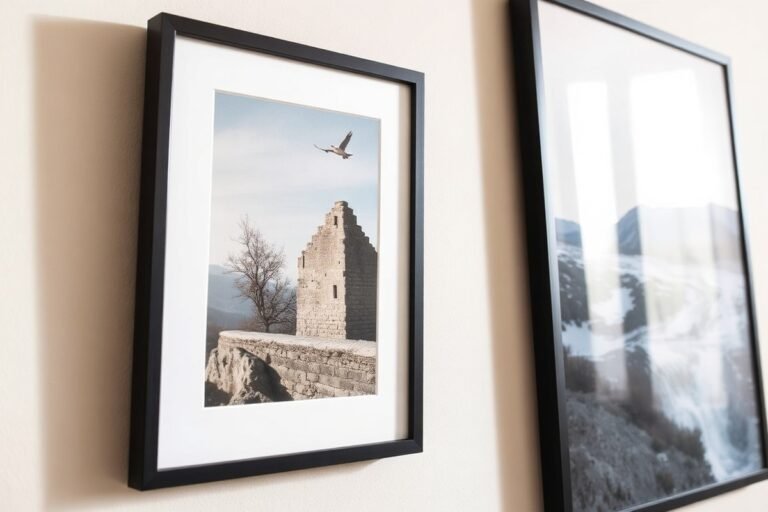
Your portfolio is the foundation to attract an art agent. Include 10 to 15 high-quality, fully finished pieces that showcase your unique style and skills. The collection should be cohesive and reflect the genre you want to work in, such as fine art, illustration, photography, or patterns. Quality matters more than quantity; each work must be sharp, well-lit, and accurately represent your practice. A polished portfolio with clear images sized around 1200 pixels on the longest side works well across devices and submissions.
Tailoring your portfolio and online profile to the specific agent shows you understand their focus. Research their preferred art styles and previous representations. For example, if an agent represents wall art and home decor, highlight patterns and decorative pieces. If they prefer fine art prints or photography, focus on those themes. Alongside your portfolio, maintain an online profile with consistent branding, artist statements, and easy navigation. Use professional platforms like your website or curated Instagram galleries to support your application.
- Choose only your strongest and most relevant artworks, 10-15 total.
- Maintain consistent image quality, well-lit and detailed photographs.
- Create multiple versions of your portfolio tailored to different agent specialties.
- Include brief descriptions with medium, size, and inspiration for each piece.
- Ensure your online profile mirrors your portfolio style and includes contact info.
- Reference each art agent’s preferences in your submission email or cover letter.
- Keep the file sizes manageable, JPEG or PDF under 10MB works best.
A focused and polished portfolio reduces confusion and increases the chance of an agent seeing you as a professional investment. Neglecting to tailor your materials or submitting low-quality images may cause agents to overlook your work. Developing this material takes time and possibly some investment in professional photography or website hosting, but it demonstrates commitment and helps your art stand out in a competitive market.
Where and How to Find and Approach Art Agents Successfully
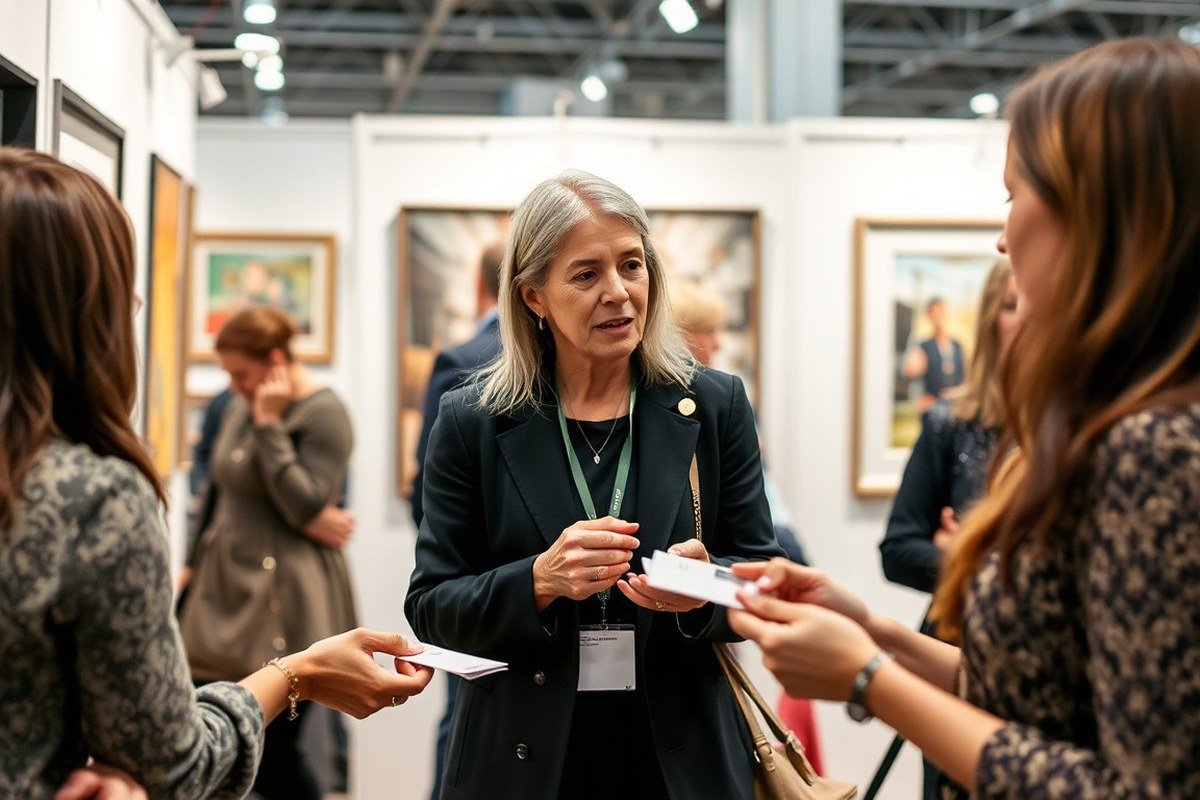
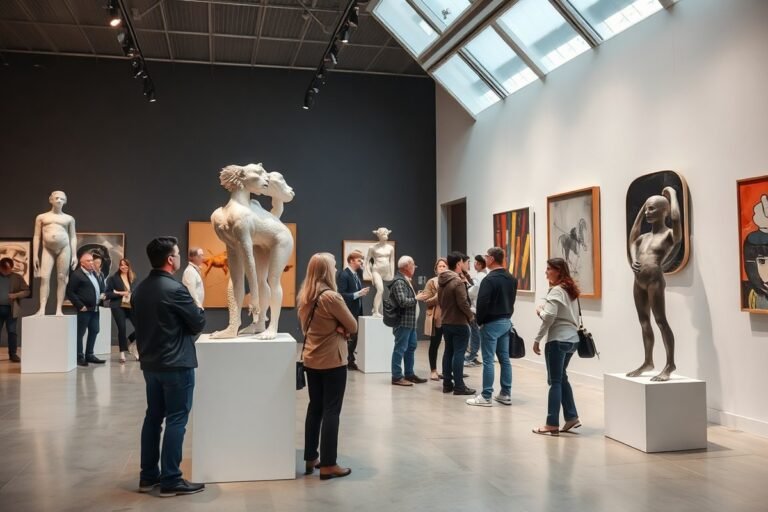
Finding the right art agent involves targeted research and professional outreach. Begin by identifying agents who specialize in your art style and medium to ensure better alignment with your career goals. Use online directories such as the Association of Professional Art Agents or platforms like LinkedIn, Instagram, and Twitter. Search with hashtags like #openforsubmissions or terms like “art agent” to discover agents currently seeking new talent. Attending art fairs, gallery openings, and industry networking events can also offer direct contact opportunities and allow you to better gauge an agent’s reputation.
Verifying an agent’s legitimacy matters to avoid scams and ensure proper representation. Check for a professional website, client testimonials, and industry recognition. Look up any affiliations with recognized art organizations. Request references from current or former clients if possible. Be cautious if agents ask for upfront fees without clear contract terms or proof of their track record.
When you reach out, keep your communication concise and professional. Introduce yourself, mention why you chose to contact them specifically, and invite them to review your portfolio. A clear, polite message increases your chances of a reply.
- Search on social media platforms like LinkedIn, Instagram, and Twitter using art-specific keywords and hashtags.
- Use reputable online directories and industry websites to compile a list of potential agents who focus on your genre.
- Research each agent’s background, current clients, and reputation through websites, online reviews, and art community forums.
- Attend local and regional art events, such as gallery openings and art fairs, to meet agents face-to-face and gather contacts.
- Prepare a professional email that includes a brief introduction, your artistic focus, and a link to your portfolio or website.
- Send your initial contact email and follow up politely if you have not heard back within four to six weeks.
- Evaluate responses by checking for professionalism and willingness to discuss potential representation terms.
Use this initial contact email template as a guide:
Subject: Representation Inquiry, [Your Name] Dear [Agent’s Name], My name is [Your Name], and I am a visual artist specializing in [your medium/style]. I came across your profile while researching agents who represent artists working in a similar vein, and I admire your work with [mention a known artist or project if relevant]. I would appreciate the opportunity to share my portfolio for your consideration. You can view my work at [insert portfolio or website link]. I am seeking representation to help advance my career and would value discussing whether my work aligns with your current roster. Thank you for your time and consideration. I look forward to the possibility of working together. Sincerely, [Your Name] [Your Contact Information]
How to Evaluate and Negotiate Art Agent Contracts
Commission rates vary depending on the type of agency and services offered. Typical art agents charge between 10% and 20% of sales, while galleries often take about 50%. Some contracts bundle agent and gallery commissions, which can dramatically reduce your net income. For example, a 50% gallery cut plus a 20% agent fee means you only keep 30% of the sale price. To make the right decision, compare these rates carefully before signing.
| Agency Type | Typical Commission Rate | Notes |
|---|---|---|
| Art Agent | 10% – 20% | Handles sales, marketing, contracts |
| Gallery | 40% – 50% | Exhibition, sales, promotion |
| Vanity Galleries | Varies, often with added fees | Can charge excess fees plus commissions |
| Literary Agents (for comparison) | ~15% | Standard commission in publishing |
Critical contract terms include commission splits, duration, termination clauses, and expense responsibilities. Negotiable items often include recouping marketing costs and limits on exclusivity. Avoid contracts that require you to pay for marketing fees upfront, such as art directory listings or convention submissions. Instead, request that those expenses be covered by the agent or shared only if reasonable and clearly defined.
Watch for Red flags such as demands for upfront payments, lack of clarity on commission percentages, or overly long exclusive agreements without an easy exit option. For example, a contract promising promotion but asking for fees before any sales occur is a warning sign. Request wording changes that clarify payment timelines and allow termination with notice. Always require the agent to explain contract terms in plain language before signing.
How to Build a Successful Relationship with Your Art Agent
After signing with an art agent, expect a professional partnership focused on promoting your work and managing sales opportunities. Clear communication and aligned expectations are essential to make the relationship successful. You will need to provide regular portfolio updates, respond promptly to inquiries, and be open about your availability for exhibitions or projects. Consistency builds trust and shows your commitment.
Maintaining professional communication means balancing thorough updates with respect for your agent’s time. Avoid overwhelming them with frequent messages, but keep them informed about new work, upcoming events, or changes in your availability. If your agent ignores your messages or acts dismissively, it may reflect a lack of investment in your career. Address such issues early to prevent misunderstandings.
To optimize marketing and sales collaboration, use a clear workflow and tracking system. Create a shared checklist or spreadsheet to monitor opportunities, deadlines, and deliverables. Include deadlines for submitting promotional materials, exhibition dates, sales follow-ups, and royalty payments. Having an organized system will help both you and your agent stay on the same page and avoid missed chances or confusion.
- Set regular check-in times each month for brief updates
- Keep an ongoing list of active sales and exhibition leads
- Agree on preferred methods of communication (email, phone, etc.)
- Share new artwork well in advance of promotional campaigns
- Keep track of contract renewal dates and commission structures
- Be responsive within 24 to 48 hours to agent requests
A successful artist-agent relationship depends on mutual respect and transparency. Be proactive about sharing information and addressing concerns before they escalate. This partnership takes effort but can significantly increase your visibility and sales, especially when your agent has clear insights into your goals and timeline. Always review your progress quarterly to adjust your collaboration if needed.
Your First 30 Days: A Quick-Start Plan to Secure an Art Agent
Follow these steps to lay a strong foundation for attracting and partnering with an art agent. Each phase helps you measure progress and stay on track.
- Before you start: Finalize your portfolio with diverse, high-quality works and write a concise artist statement. You’ll know you’re ready when your portfolio clearly reflects your style and range.
- Week 1: Research at least 10 art agents who represent your visual art style and have credible track records. Success means you have a list with up-to-date contact info and agent preferences.
- Week 2: Craft personalized, professional email pitches including your portfolio link and artist profile. Track responses to see who shows interest or requests more information.
- Week 3: Follow up politely with interested agents to schedule calls or meetings. Confirmation of a scheduled conversation shows your approach is working.
- Week 4: Evaluate any contract offers with a focus on commission rates, exclusivity, and term length. You’ll know it worked when you identify acceptable terms or areas needing negotiation.
- After 4 weeks: Negotiate terms clearly and thoughtfully; seek legal advice if unsure. A signed agreement means you’ve secured formal representation.
Frequently Asked Questions
How Long Does It Typically Take to Secure an Art Agent?
Finding an art agent can take several months to over a year, depending on your network and portfolio strength. Persistence and attending industry events often speed up the process.
Can Social Media Increase My Chances of Getting an Art Agent?
Yes, a strong social media presence can showcase your work to a wider audience and catch agents’ attention. Consistency and professional posts highlight your seriousness as an artist.
What Should I Avoid When Approaching an Art Agent for the First Time?
Avoid being unprepared or sending unsolicited bulk emails. Tailor your approach, including your portfolio and introduction, to each agent’s focus area to make a good impression.
Are Commissions Negotiable When Signing with an Art Agent?
Commissions often range from 20% to 50% and can sometimes be negotiated based on your experience or sales volume. Always review contract terms carefully before agreeing.
Can I Have More Than One Art Agent at the Same Time?
Typically, exclusivity clauses prevent multiple agents representing you simultaneously, but non-exclusive deals exist. Clarify terms in the contract to avoid conflicts.
Key Points to Remember
Securing an art agent involves clear preparation, targeted outreach, and careful contract review. Start by sharpening your portfolio and identifying agents who align with your style. Take the next step today by sending your first personalized pitch to an agent that feels like the right fit for your work and goals.