What Is Repetition in Art? A Complete Guide to Its Types and Effects
What is repetition in art? Repetition is the intentional use of the same elements or motifs multiple times within a piece to create unity and emphasis. This technique helps guide the viewer’s eye and builds a sense of cohesion. Start by identifying key shapes, colors, or lines you want to repeat to reinforce your artwork’s message.
Key Takeaways
- Use consistent visual elements to strengthen the unity and impact of your artwork.
- Regular repetition creates a steady, predictable rhythm that calms the viewer.
- Irregular repetition adds visual interest by varying repeated elements unpredictably.
- Progressive repetition changes elements gradually to convey movement or transformation.
- Repetition plays a structural role in many art forms, including sculpture and digital art.
- Artists like Andy Warhol mastered repetition to improve commercial appeal and artistic identity.
What Is Repetition in Art and Why It Matters
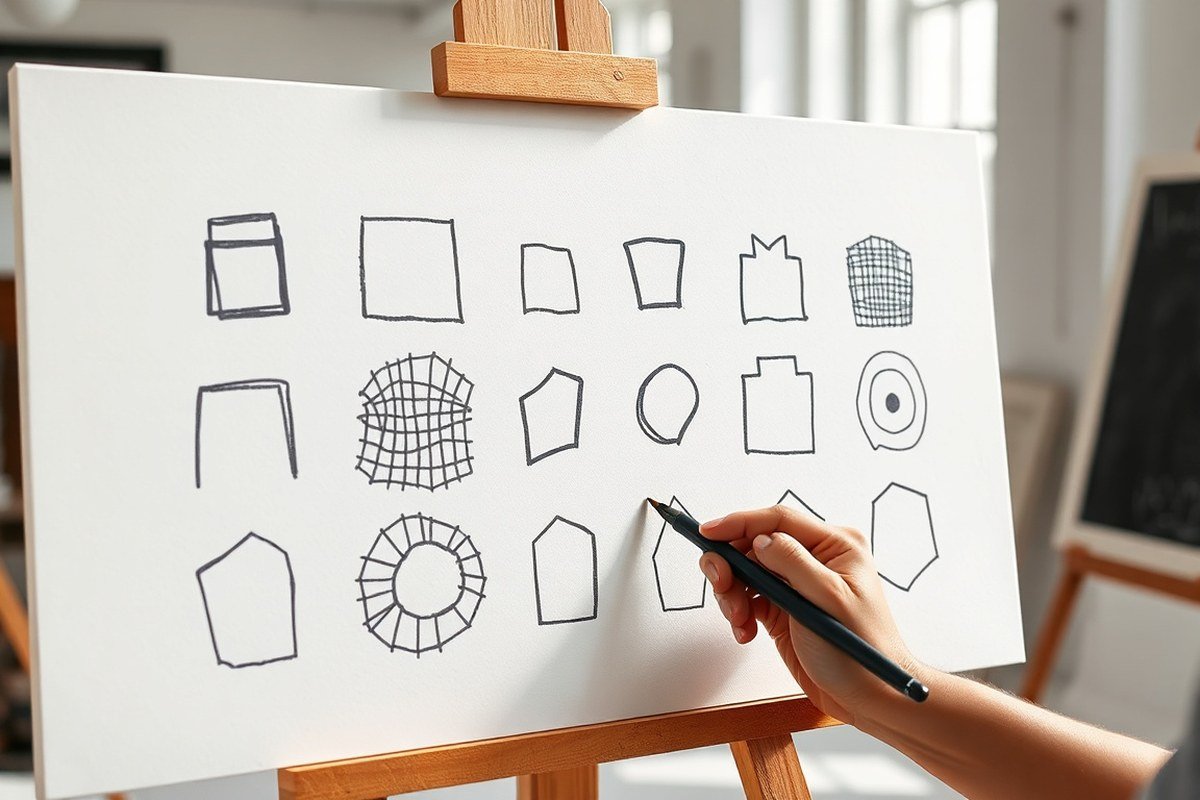
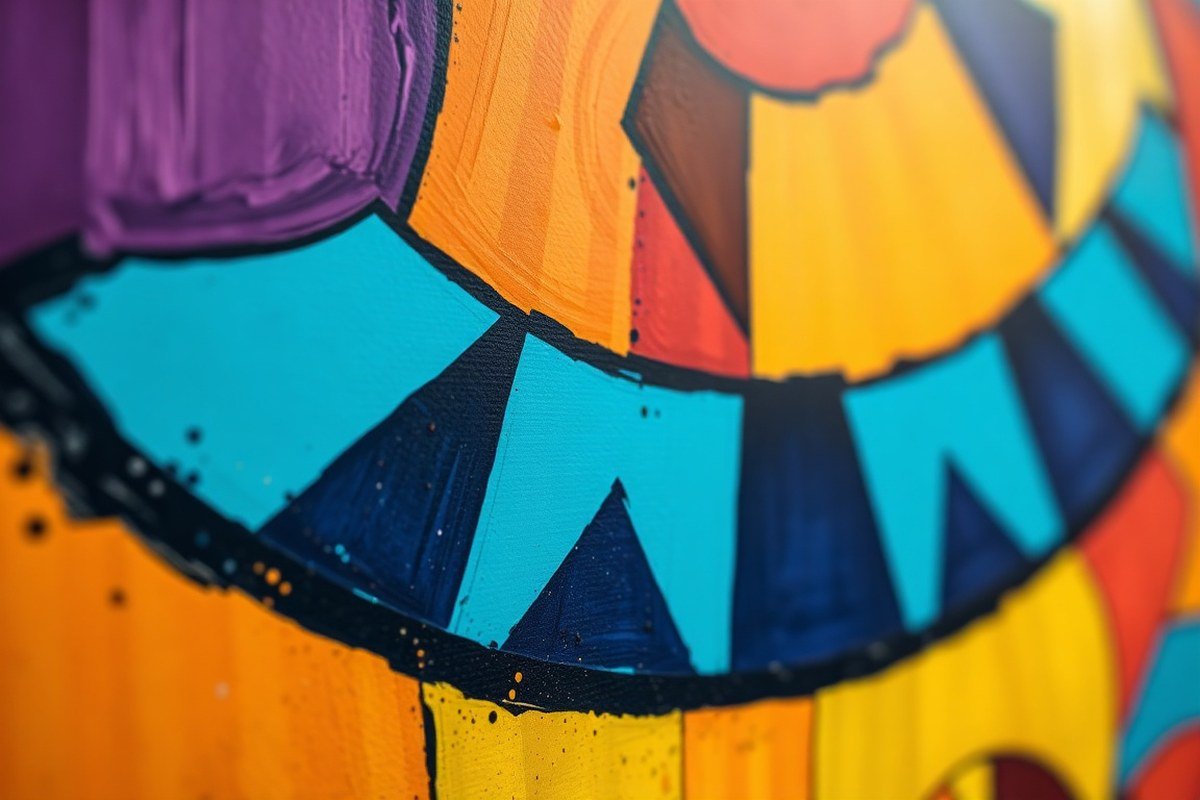
Repetition in art is a design principle that involves the deliberate recurrence of visual elements such as color, shape, line, or texture within an artwork. Artists use repetition to create unity, making the overall composition feel connected and cohesive. This visual consistency helps the viewer’s eye move smoothly across the piece, establishing a rhythm that brings harmony and balance to the design. For example, repeating a curved line shape throughout a painting can create a gentle flow, while repeatedly using a bold color can tie different areas of an artwork together.
Repetition works by building visual patterns that the brain recognizes quickly, providing comfort and predictability without boredom. It contributes to Unity by ensuring the individual parts of an artwork belong together and support a common theme or mood. This principle often overlaps with rhythm, which relies on the repetition of elements to generate a sense of movement or beat within the image. Typical elements that artists repeat include lines, colors, shapes, textures, and even specific motifs.
To spot repetition in a composition, look for identical or similar shapes and colors placed at regular or irregular intervals. Artists might repeat a series of vertical lines to introduce structure or echo a particular color to maintain harmony. However, repetition should be used thoughtfully; too much repetition without variation can make a work feel monotonous, while too little can lead to visual chaos. Successful repetition balances consistency with variety, guiding the viewer’s attention and creating a unified, balanced artwork.
Types of Repetition in Art and Their Visual Effects
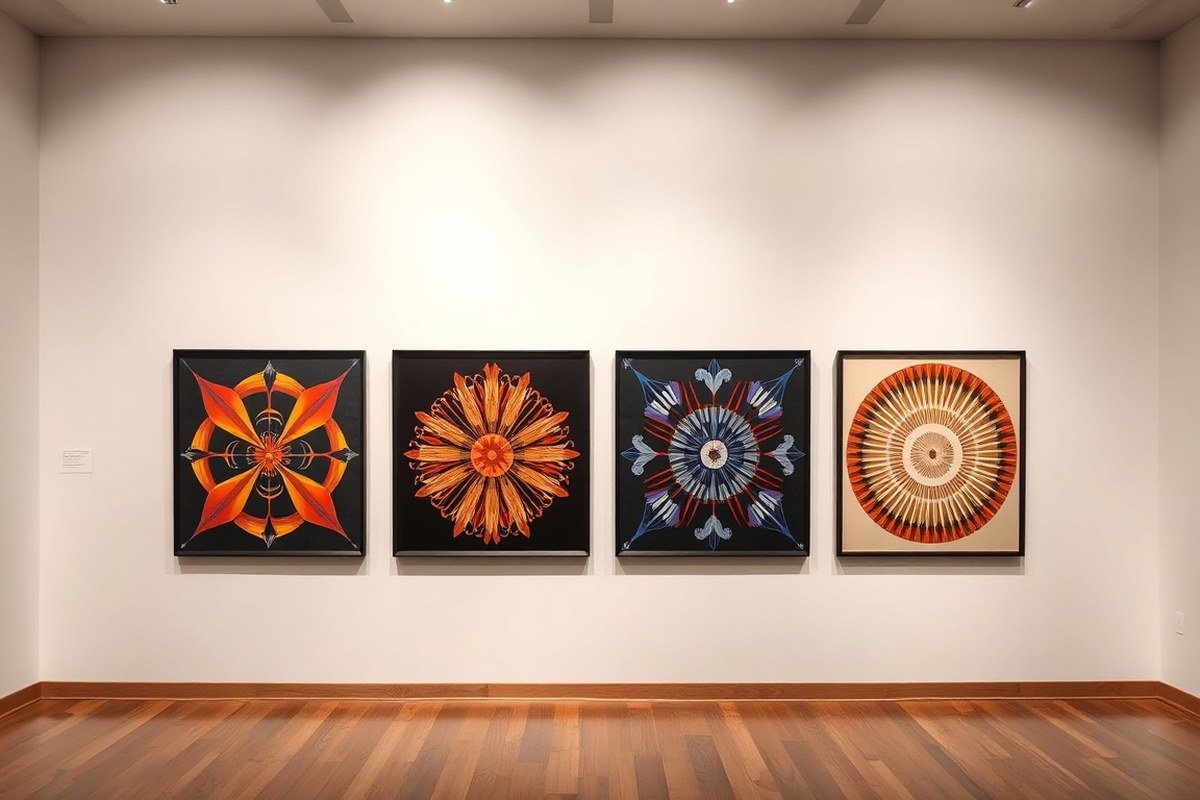
Repetition in art takes several major forms, each shaping how viewers experience rhythm and mood. Regular repetition repeats elements evenly and predictably, creating a sense of order and calm. Donald Judd’s print Untitled (Stack) (1967) shows this clearly with its steady geometric forms. Irregular repetition uses less predictable spacing or variation, which energizes a composition. Anni Albers’ textile pieces and Piet Mondrian’s Blue and Red combine irregular repeats for dynamic effects. Progressive repetition changes the repeated element gradually, seen in Marcel Duchamp’s Nude Descending a Staircase, No.2 (1912), where shapes shift size and orientation to suggest motion. Lastly, Alternating repetition swaps between two or more elements in sequence, as in Op art, which uses it to create visual vibration.
| Type | Visual Effect | Example Artwork |
|---|---|---|
| Regular | Order, stability, calm | Donald Judd’s Untitled (Stack) (1967) |
| Irregular | Dynamic, energetic | Anni Albers’ textiles; Piet Mondrian’s Blue and Red |
| Progressive | Movement, transformation | Marcel Duchamp’s Nude Descending a Staircase, No.2 (1912) |
| Alternating | Visual vibration, rhythm | Works by Op artist M. |
To apply these repetition types successfully, choose one based on what mood or rhythm you want to convey. Regular repetition helps organize complex scenes, making them feel balanced. Irregular repetition suits experimental or abstract work where unpredictability adds interest. Progressive repetition requires careful planning to scale or shift elements smoothly, which adds movement but can confuse viewers if overdone. Alternating repetition works well for art aiming to engage the eye continuously, like in Op art, but may tire the viewer if too busy.
How Repetition Differs from Pattern and Rhythm in Art
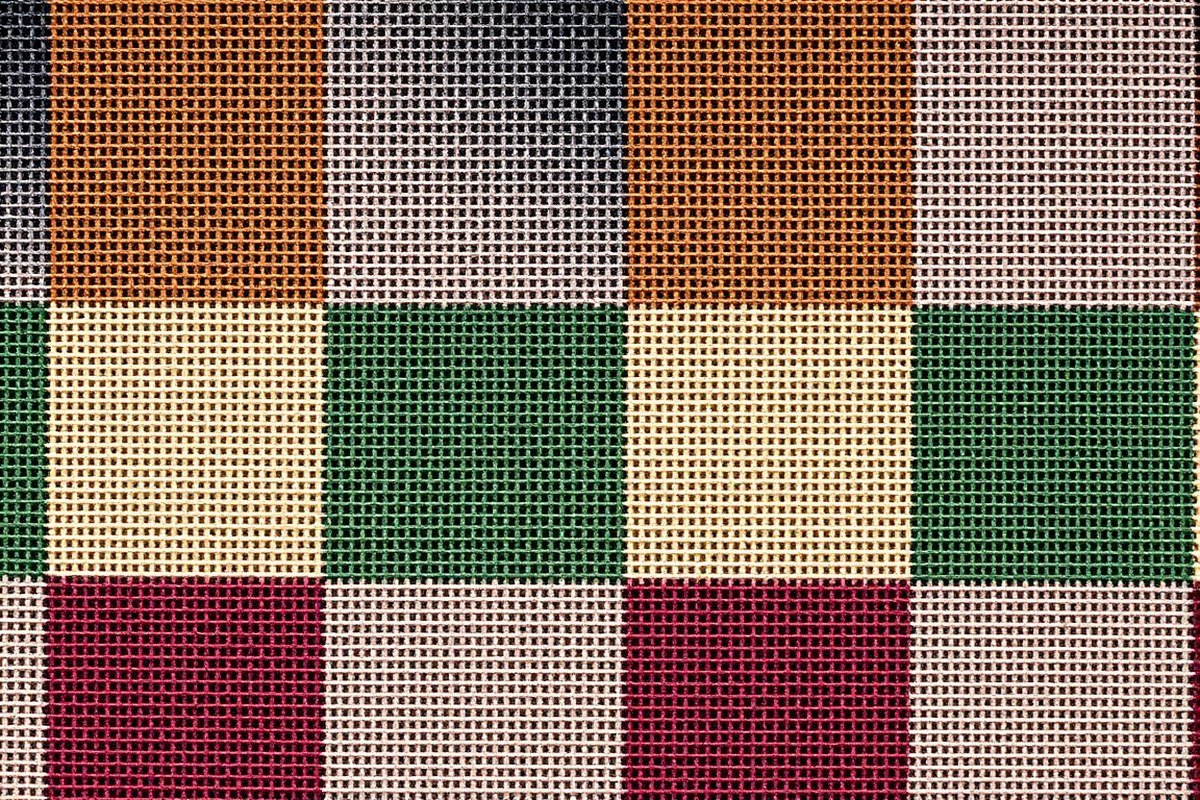
Repetition in art refers to using the same element, such as a shape, color, or line, more than once within a piece. It creates familiarity and recognition but does not require a fixed order or spacing. For example, repeated circles scattered across a canvas illustrate repetition by bringing visual unity without forming a strict arrangement.
Pattern is a specific type of repetition where elements repeat at regular, predictable intervals. This steadiness generates a sense of stability and calm. Moroccan zellige tilework offers a clear example, with its orderly, repeating geometric designs that create visual structure. Patterns are often regular and consistent, which distinguishes them from simple repetition.
Rhythm builds on repetition by introducing variation in spacing, size, color, or direction, creating a sense of movement or flow within the artwork. This variation influences how your eye travels across the piece, evoking energy or mood. Vincent van Gogh’s “The Starry Night” demonstrates rhythm with swirling, repeated shapes that change subtly, suggesting motion.
You can encounter repetition without forming a pattern or rhythm. For instance, placing identical elements randomly can create repetition without rhythm’s movement or pattern’s predictable intervals. This approach suits creating texture or drawing attention without implying order or flow.
Use this checklist to identify differences in artworks: repetition involves multiple uses of an element regardless of placement; pattern requires evenly spaced, predictable repeats; rhythm adds variation to repeated elements to suggest motion or emotion. Recognizing these distinctions helps you understand and apply each principle effectively in your art.
Famous Artworks That Use Repetition and What They Show Us
Andy Warhol’s “Campbell’s Soup Cans” is a prime example of using repetition to comment on consumer culture. By repeating the same soup can image 32 times with minor variations, Warhol emphasizes mass production and challenges traditional ideas of art. This technique grabs attention and creates a rhythmic flow across the canvas.
Yayoi Kusama’s “Infinity Mirror Rooms” use repetition of lights and mirrors to create an immersive experience of endless space. Her repetition isn’t just visual but experiential, forcing viewers to confront ideas of infinity and personal perspective. This shows how repetition can extend beyond patterns to shape how people physically interact with art.
Bridget Riley’s Op Art paintings use Repeated geometric shapes and lines to create optical illusions that move or vibrate. Her precise repetition of forms demonstrates how subtle shifts detail can drastically impact visual perception. This teaches you how repetition can manipulate space and create dynamic energy in your compositions.
Claude Monet’s “Water Lilies” series repeats motifs of flowers and reflections with varying light and color to explore time and nature’s change. Monet’s subtle use of repetition fosters continuity and rhythm, helping viewers sense movement and seasonality instead of static scenes.
Islamic architecture offers centuries-old examples of Mathematically precise geometric repetition in tilework and mosaics. These patterns produce complex visual harmony and spiritual symbolism. Here, repetition balances precision and creativity, inspiring detailed craftsmanship that evokes transcendence.
Analyzing these artworks starts with noticing what element repeats, shape, color, or form, and asking why the artist chose that repetition. Check how repetition affects your eye’s movement and the overall mood or message. Effective repetition usually balances consistency with variation to sustain interest without monotony. Try applying these lessons by repeating a motif with slight changes in your own work to explore rhythm and meaning across styles and purposes.
How to Use Repetition Effectively in Your Own Art
Creating repetition in your artwork starts with choosing the element you want to repeat, such as a shape, line, or color. Use tools like stencils, stamps, or digital brushes to ensure consistency, especially when working in painting or digital media. In sculpture, repetition can come from repeating forms or textures across the piece. Combine different materials or techniques, for example, layering ink over painted surfaces, to generate unique effects that maintain repetition but add depth.
Maintaining balance between repetition and variation is key to avoiding monotony. Introduce subtle changes in size, color shade, or spacing to keep viewers engaged. You can also insert a contrasting or unexpected element within the repeated sequence to create visual interest without breaking the rhythm.
- Choose the element to repeat (shape, color, line)
- Decide on the frequency and spacing of repeats
- Use consistent tools or methods (e.g., stencil, digital brushes)
- Mix materials and techniques to enrich texture and depth
- Add variation by altering size, shade, or orientation
- Include a contrasting element for surprise and interest
- Avoid overuse by limiting repetition intensity or area
Common mistakes include repeating elements too uniformly, which may cause boredom, or overloading the artwork with repetitive elements, making it chaotic. In painting, layering too many repeated shapes without variation can overwhelm the composition. In digital art, avoid mechanical-looking repetition by slightly varying your brush pressure or opacity. For sculptures, ensure repeated forms serve the overall concept and don’t just fill space. Thoughtful repetition improve your composition’s rhythm and depth, inviting viewers to explore the piece more deeply.
Step-by-Step Action Plan for Using Repetition in Your Art
Start applying repetition in your art by taking small, focused steps to see its impact clearly.
- Before you start: Choose a simple shape or element you want to repeat. This helps maintain consistency as you create.
- Day 1: Sketch a composition using at least three repeated elements. Check if your eye is naturally drawn across your piece.
- Week 1: Experiment with varying the size or color of the repeated elements. Notice how these changes affect the mood and balance of your work.
- After 2 weeks: Create a piece focusing on either symmetry or deliberate irregularity in repetition. Observe which approach feels more engaging to you.
- Week 3: Add one contrasting element to your repeated pattern to create emphasis. Confirm it stands out without breaking the overall flow.
- After one month: Review your pieces for the use of repetition. Identify what worked well and plan adjustments for your next artwork.
Frequently Asked Questions
How Does Repetition Influence a Viewer’s Emotional Response in Art?
Repetition can create rhythm and harmony that evoke feelings of calm or excitement. The way repeated elements are arranged affects whether the mood feels soothing or dynamic.
Can Repetition Affect the Market Value of an Artwork?
Yes, consistent repetition can increase recognition and desirability, impacting sales. Brands and artists who use Visual repetition effectively tend to attract more collectors, as shown by the 23% revenue increase from branding studies.
Do Digital and Photography Art Forms Use Repetition Differently Than Painting?
Digital art and photography often use repetition to emphasize structure and pattern, similar to painting. However, their ability to manipulate images quickly makes repetition more flexible and experimental.
Is Repetition in Sculpture the Same as in Two-Dimensional Art?
Sculptural repetition often involves repeating shapes or forms in 3D space, creating physical rhythm. This spatial repetition affects how viewers move around and perceive the artwork from different angles.
What Role Does Repetition Play in Social Media Art Marketing?
Repetition creates brand consistency and helps art stand out online. According to the Art Basel and UBS Survey, 51% of collectors discover art on Instagram partly due to repeated visual themes.
Final Thoughts
Repetition in art sharpens your visual storytelling by building rhythm and unity that connect elements clearly. Try incorporating repeated shapes or colors in your next project and watch how your composition becomes more coherent and eye-catching. Keep practicing with variations to find your unique way of using repetition effectively.