
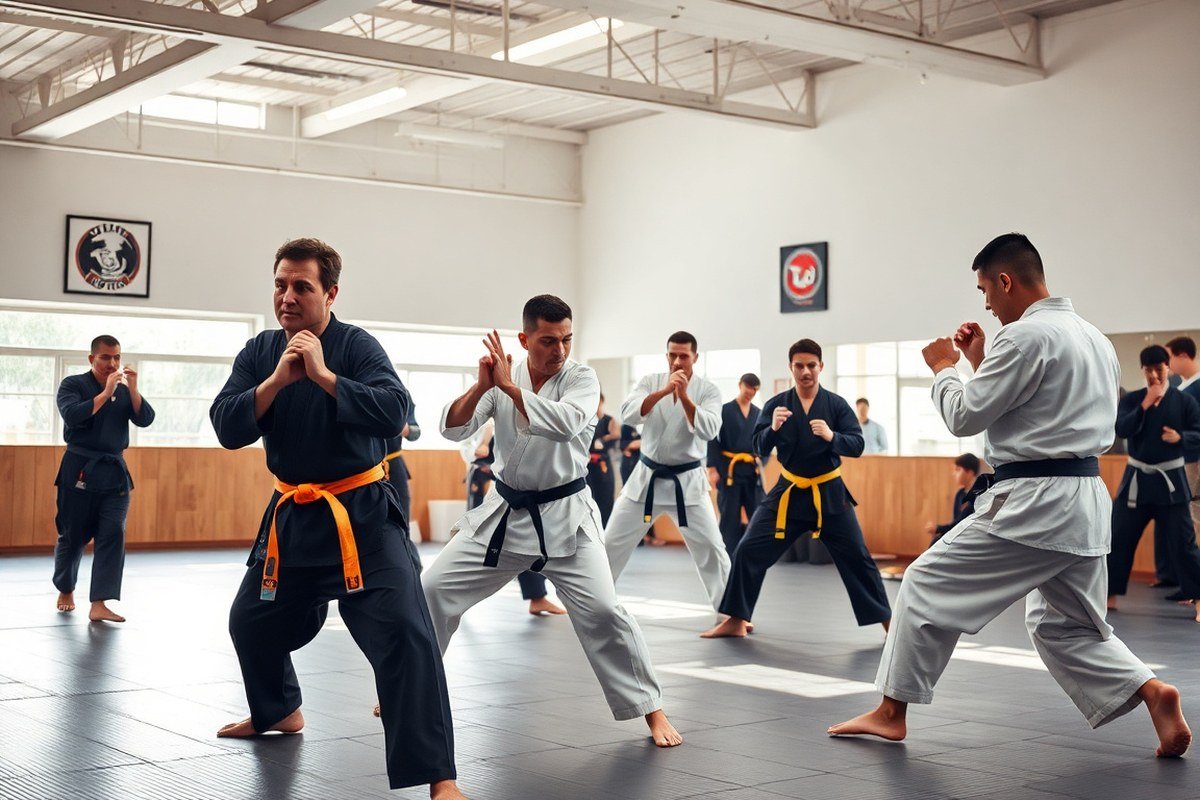
What Is the Strongest Martial Art? A Clear Comparison of Top Styles
What is the strongest martial art? There isn’t a single style that claims this title universally because each martial art excels in different combat scenarios. The strongest martial art depends on your goals, such as self-defense, competition, or fitness, and how well you train in its specific techniques. Starting with a martial art that matches your physical abilities and interests helps build solid foundations for effectiveness.
Key Takeaways
- Brazilian Jiu-Jitsu is highly effective for ground combat and joint manipulation but requires over 10 years to master at a black belt level.
- Muay Thai uses all eight limbs, making it powerful in striking at various ranges.
- Taekwondo focuses on fast, dynamic kicks and is useful for speed and agility training.
- Judo emphasizes throws and grappling, useful in self-defense and MMA, with a strong competition record.
- Krav Maga is practical for real-world self-defense with techniques designed to neutralize threats quickly.
- Choosing a martial art should consider personal factors like physical condition, patience for training, and the type of combat situations expected.
Which Martial Art Is Considered the Strongest?
Determining the Strongest martial art depends on how you define strength. Experts often consider criteria like combat effectiveness, practical application, adaptability, and lethality. Strength goes beyond raw physical power to include efficiency in neutralizing threats quickly and controlling opponents under pressure.
Among top contenders, Brazilian Jiu-Jitsu (BJJ) excels in ground fighting and submissions, allowing smaller practitioners to control larger opponents. Its high success rate in international competition, about 97% of practitioners score wins, shows its practical dominance. It’s best when a fight goes to the ground but has limited stand-up defense.
Muay Thai is known for stand-up striking using fists, elbows, knees, and shins. Its powerful “art of eight limbs” strikes can cause severe injury fast, making it ideal for stand-up fights. However, it’s vulnerable to takedowns by skilled grapplers.
Krav Maga focuses on real-world self-defense with no-nonsense, quick neutralization tactics, combining grabs, strikes, and weapon defenses. It’s practical for survival, although it lacks the sport sparring that hones technique under controlled conditions.
Other martial arts like Boxing emphasize precision hand strikes and footwork, while Judo and Sambo specialize in throws and joint locks, blending grappling and striking. Silat incorporates strikes, joint manipulation, and weapons, adding another layer of lethality. Styles like Wing Chun and Jeet Kune Do focus on speed and efficiency in close quarters.
| Martial Art | Key Strength | Combat Style | Best for | Effectiveness |
|---|---|---|---|---|
| Brazilian Jiu-Jitsu | Grappling, submissions | Ground fighting | Control larger opponents | High in ground combat |
| Muay Thai | Powerful strikes | Stand-up striking | Heavy hitting | High knockout power |
| Krav Maga | Quick threat neutralization | Mixed combat | Self-defense | High in real-world defense |
| Boxing | Hand speed & precision | Striking | Stand-up fighting | High in punches |
| Judo | Throws & control | Grappling & throws | Close combat | High in clinch situations |
| Sambo | Mixed grappling & striking | Grappling/striking | Combat versatility | Effective in mixed fights |
| Silat | Joint locks & strikes | Close combat & weapons | Self-defense & weapons | Highly effective with weapons |
| Wing Chun | Speed & efficiency | Close-quarters striking | Quick neutralization | Good for tight spaces |
| Jeet Kune Do | Adaptability & speed | Mixed | Personalized combat | Flexible application |
| MMA | All-round combat | Mixed | Sport & self-defense | Very high in versatility |
Choosing the strongest martial art depends on your goals and the situations where you expect to use it. For pure combat skill, arts like BJJ and Muay Thai offer high effectiveness in grappling and striking, respectively. Systems like Krav Maga prioritize real-world survival tactics with fast, brutal responses. Understanding these differences is key to deciding which martial art offers you the strongest defense and attack.
How Do Different Martial Arts Techniques Compare in Combat?
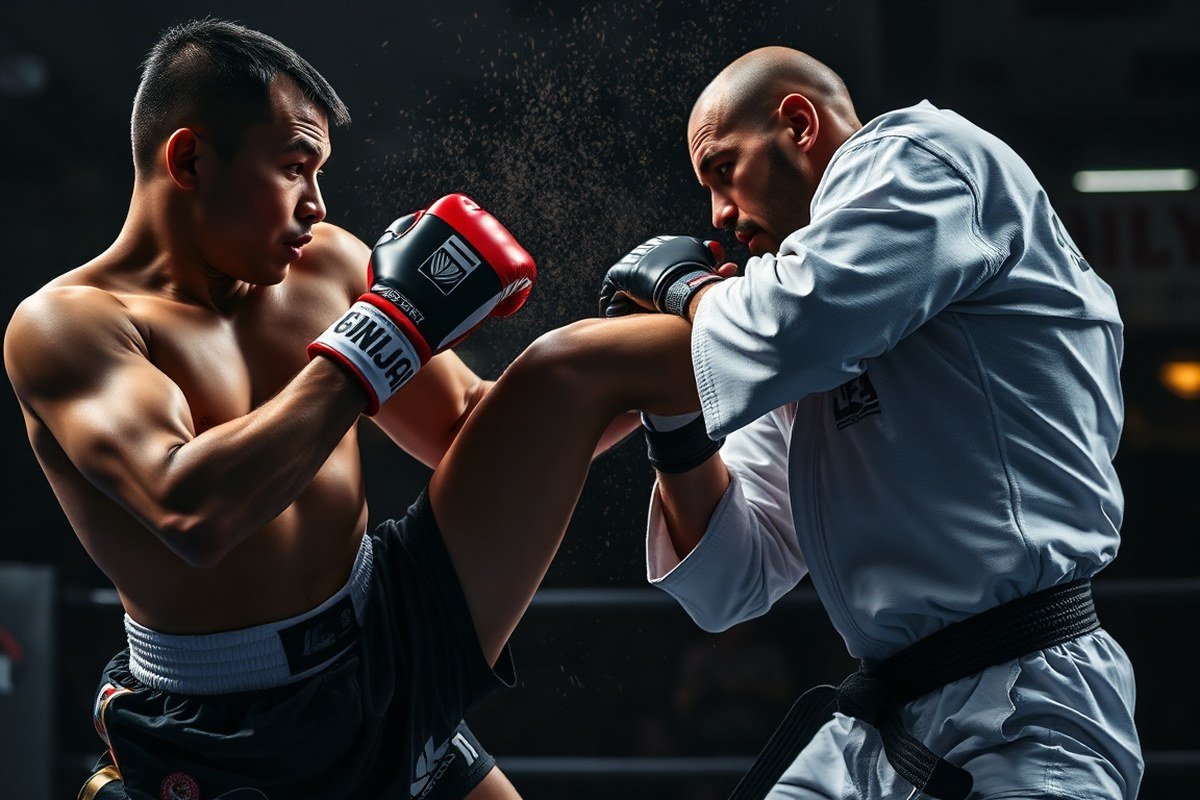
Striking martial arts like Muay Thai and Boxing specialize in delivering powerful punches, kicks, elbows, and knees. They focus on timing, footwork, and precision to incapacitate an opponent from a distance. Striking arts excel in stand-up combat where quick, decisive blows can end a confrontation swiftly. However, they can be less effective if the fight moves to the ground, where grappling arts dominate.
Grappling arts such as Brazilian Jiu-Jitsu and Judo emphasize controlling opponents through holds, throws, and submission locks. Their main strength lies in close-quarters combat, allowing a smaller person to neutralize a larger attacker by using use and technique. Grappling is ideal in situations where fights end up on the ground or where restraint, rather than striking, is desired.
Hybrid martial arts combine striking and grappling techniques to prepare practitioners for various combat scenarios. For example, Combat Sambo blends throws, punches, and submissions, while Mixed Martial Arts (MMA) trains fighters in a broad range of skills. These systems aim to cover weaknesses found in single-discipline training and offer versatile tools for unpredictable encounters.
Traditional martial arts often focus on Discipline, forms, and cultural values, teaching techniques passed down over generations. Though valuable for personal development, their real-world combat effectiveness can sometimes lag behind modern systems that emphasize sparring and scenario-based drills. Modern martial arts like Krav Maga prioritize practical self-defense and are continuously updated based on real fight data, focusing on quick, stress-tested responses.
Effectiveness in combat depends on context. Striking martial arts win fast stand-ups, grappling controls ground combat, and hybrids prepare you for both. Choosing the right style means considering where you expect to face danger and what skills fit your body and mindset. Training with pressure, sparring, and live drills improves your ability to apply techniques reliably under stress.
What Personal Factors Affect Martial Art Effectiveness?
Age, fitness, goals, and mental preparedness affect which martial art works best for you. Younger practitioners with high fitness levels can excel in striking arts like Muay Thai or Boxing that demand explosive power and endurance. Older beginners or those with limited mobility might find arts like Tai Chi or Aikido more suitable, focusing on balance, control, and joint health rather than raw strength.
Your physical attributes shape how effective you can be in each style. For example, if you have strong core and leg muscles, Wrestling or Judo might be ideal since they depend on explosive leg drive and using opponents’ momentum. Flexibility and agility support arts like Taekwondo or Capoeira, which emphasize kicks and dynamic movement. Assess yourself by checking your endurance, strength, balance, and flexibility to predict which martial art fits your natural abilities and limits.
Clarifying your goals helps narrow down your options. Prioritizing self-defense means choosing arts like Krav Maga, Brazilian Jiu-Jitsu (BJJ), or Muay Thai, which deliver practical skills for real-world situations. For fitness and agility, Taekwondo or Boxing offer intense cardio while building coordination. Ground fighting goals point to BJJ or Wrestling, while spiritual growth often aligns with Aikido or Tai Chi. This matching of goals to styles ensures your training stays relevant and motivating.
Mental preparedness plays a significant role too. Martial arts training requires discipline, focused situational awareness, and the ability to stay calm under pressure. Many effective martial arts develop these skills alongside physical techniques, making mental toughness part of their core curriculum. Struggling with stress or focus calls for a style that emphasizes mental training, such as Kalaripayattu or traditional Karate, both of which include meditation and breathing techniques.
Before choosing, run through this checklist: What is your age and physical condition? What are your main goals (self-defense, fitness, competition, or spiritual growth)? How much mental focus can you commit? These answers help you find the martial art with the strongest fit for your needs. Recognize that poor alignment between your body, mind, and goals increases the chance of injury, burnout, or slow progress.
How Long Does It Take to Master a Martial Art for Real-World Effectiveness?
Gaining basic competence in a martial art usually takes about six months to a year with regular practice three to five times weekly. This timeline varies depending on the martial art’s complexity and training focus. For instance, striking arts like Muay Thai or Taekwondo may show visible progress in power and technique within months, while grappling arts such as Brazilian Jiu-Jitsu (BJJ) often require longer to develop effective ground skills. The key milestone early on is mastering fundamental movements, proper stance, and basic defensive and offensive techniques, which set the foundation for real-world effectiveness.
Mastery depends significantly on the chosen style and training intensity. Martial arts like Krav Maga prioritize practical self-defense and quick application, so you may acquire life-saving skills faster than arts with broader, more traditional curricula like Kung Fu. However, excelling in arts used often in mixed martial arts (MMA) requires years of consistent live sparring to build reflexes and adaptability under pressure. Your effectiveness in actual combat scenarios grows as you integrate technical skills with physical conditioning and mental discipline.
Consistent training plays the most critical role in progressing beyond basics. Practicing regularly with qualified instructors and engaging in live sparring or rolling sessions accelerates skill absorption and learning to apply techniques dynamically. Complement your training with strength conditioning to boost power and metabolism, which improve performance during practice and real encounters. Monitoring your diet supports recovery and energy levels, avoiding plateaus caused by poor nutrition or overtraining. Scheduling regular assessments to set clear goals and vary drills keeps motivation high and prevents stagnation.
For example, a beginner in BJJ might spend the first year focusing on positional control and escapes. By the second or third year, they start refining submissions and counters under live pressure, an essential phase to become effective in self-defense. In contrast, a Muay Thai student may develop effective striking and clinching skills within a year but still requires ongoing sparring to master timing and distance. Tailoring your practice routine to emphasize applicable skills and real-world scenarios speeds progress and ensures what you learn sticks when it matters most.
Which Martial Art Should You Choose Based on Your Goals and Situation?
Choosing the right martial art depends largely on your personal goals and situation. For self-defense, Krav Maga stands out because it trains you to neutralize threats quickly and without restrictions on techniques, focusing on practical and aggressive responses suited for street safety. Your goal being sport and fitness, arts like Taekwondo or Boxing offer fast footwork, striking skills, and excellent cardiovascular exercise through sparring and drills. Brazilian Jiu-Jitsu emphasizes ground control and use, making it effective for both sport competition and real-life grappling situations in self-defense.
Cross-training can be highly beneficial if you want a well-rounded skill set. Combining striking arts like Boxing or Taekwondo with grappling-focused styles like BJJ creates greater adaptability in unpredictable self-defense scenarios. For example, learning how to strike and defend from a distance, then transitioning to ground control, covers common real-world encounters.
When selecting a martial art, consider the training environment and instructor philosophy. Choose a school that prioritizes responsible teaching of techniques, matches your values, and fits your lifestyle. Mental growth and discipline as goals lead many to traditional martial arts, which blend physical training with philosophical lessons and structured progressions to develop focus and resilience.
Begin by defining what you want: rapid, practical defense; fitness and competition; or personal development. Test a few classes to see what feels right physically and mentally. Expect to invest months to years to gain meaningful skills, with regular practice at least two to three times a week recommended. Prioritize schools with clear, transparent goals and safety standards to avoid injury and maximize learning.
Your First Steps to Choosing and Training the Strongest Martial Art for You
Start by focusing on what matters most to your goals and abilities. Follow this plan to begin training confidently and see steady progress.
- Before you start: Identify your primary goal (self-defense, fitness, competition). Choose a martial art that aligns with this goal.
- Week 1: Visit local dojos or gyms offering your chosen style. Attend a trial class to feel the teaching style and environment.
- Week 2: Begin training 2 to 3 times per week. Track your comfort with basic techniques and your level of engagement.
- After 1 month: Assess your physical conditioning and skill progress. Are fundamentals improving consistently?
- After 3 months: Introduce regular sparring or partner drills if your style incorporates live practice to test techniques.
- After 6 months: Reflect on your confidence using techniques realistically and your enjoyment of training. Adjust frequency or style if needed.
- After 1 year: Consider attending self-defense seminars or cross-training to improve your overall effectiveness.
Frequently Asked Questions
What Makes a Martial Art the Strongest?
The strongest martial art depends on effectiveness in combat and adaptability to situations. It also depends on your physical fitness, training consistency, and understanding of techniques.
Can a Martial Art Be Strong Without Physical Power?
Yes, kinetic efficiency and combat strategy often matter more than brute strength. Techniques that maximize energy use and target important points increase effectiveness.
Does Training Style Affect Martial Art Strength?
Training style greatly impacts a martial art’s strength by shaping skill development and real-world application. Consistent, realistic practice improves reaction time and efficiency.
How Do Goals Influence the Choice of a Strong Martial Art?
Your martial arts goal shapes what’s strongest for you, whether self-defense, sport, or fitness. Choose a style that fits your needs and body type.
Can the Strongest Martial Art Change over Time?
Yes, martial arts evolve with new techniques and training methods, shifting what’s considered strongest. Always stay updated and open to cross-training.
Final Thoughts
The strongest martial art depends on your goals, body type, and dedication to training. Choosing a style that fits you personally will have the biggest impact on your real-world effectiveness. Start by committing to consistent practice this week, and stay open to adapting your approach as you grow.