What Is Muzan’s Blood Demon Art? A Complete Guide to His Biokinesis Power
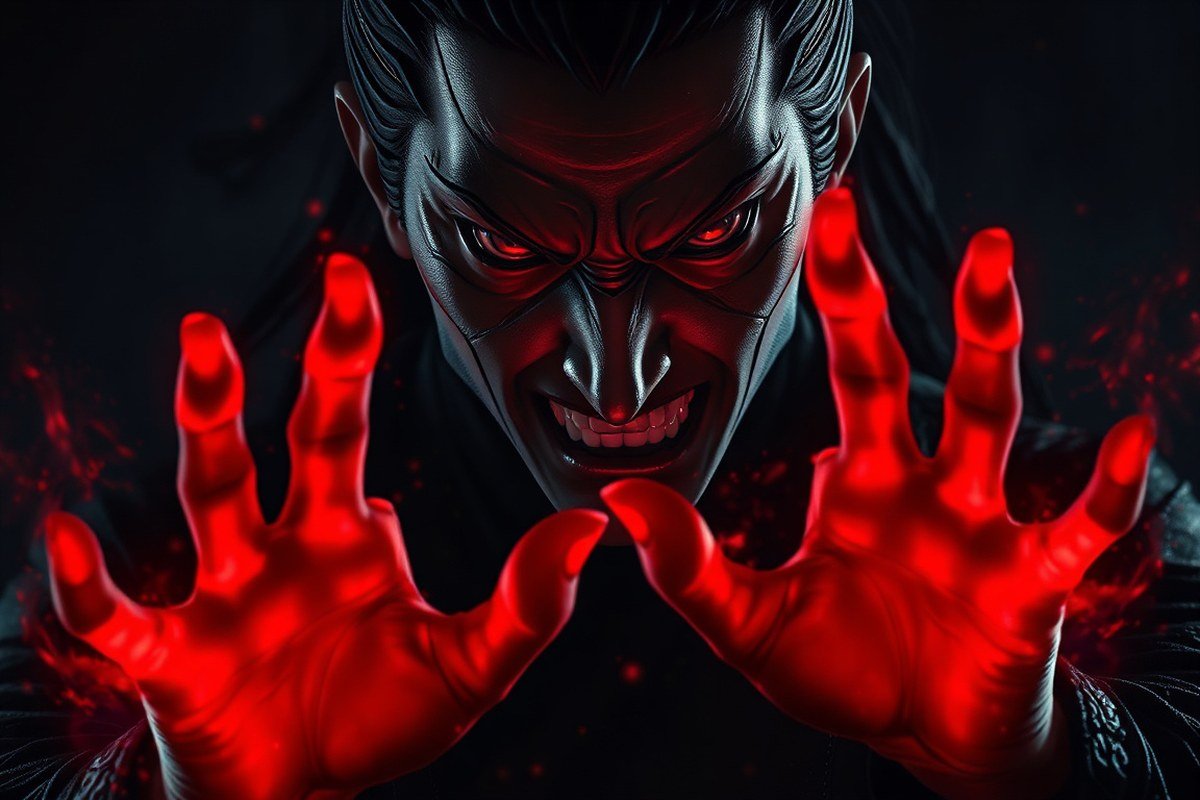
What is Muzan’s Blood Demon Art? It’s a power called biokinesis, which lets Muzan control his body shape and functions at will. This ability fits his status as the original demon and gives him lethal adaptability in battle. Understanding biokinesis clarifies how Muzan dominates his foes and why his power is feared.
Key Takeaways
- Muzan’s Blood Demon Art allows full control over his body, enabling shape-shifting and rapid regeneration.
- Biokinesis lets Muzan manipulate his blood and flesh for offensive and defensive tactics.
- High-level demons unlock Blood Demon Arts by consuming many humans, which amplifies their power.
- Each Blood Demon Art is unique to the demon, reflecting their identity and combat style.
- Muzan’s ability is not truly unique; other demons like Nezuko and Susamaru exhibit their own biokinetic powers.
- Nezuko can combine her blood power with weapons for improve attacks, showing versatility in Blood Demon Arts.
What Is Muzan’s Blood Demon Art and How Does It Work?
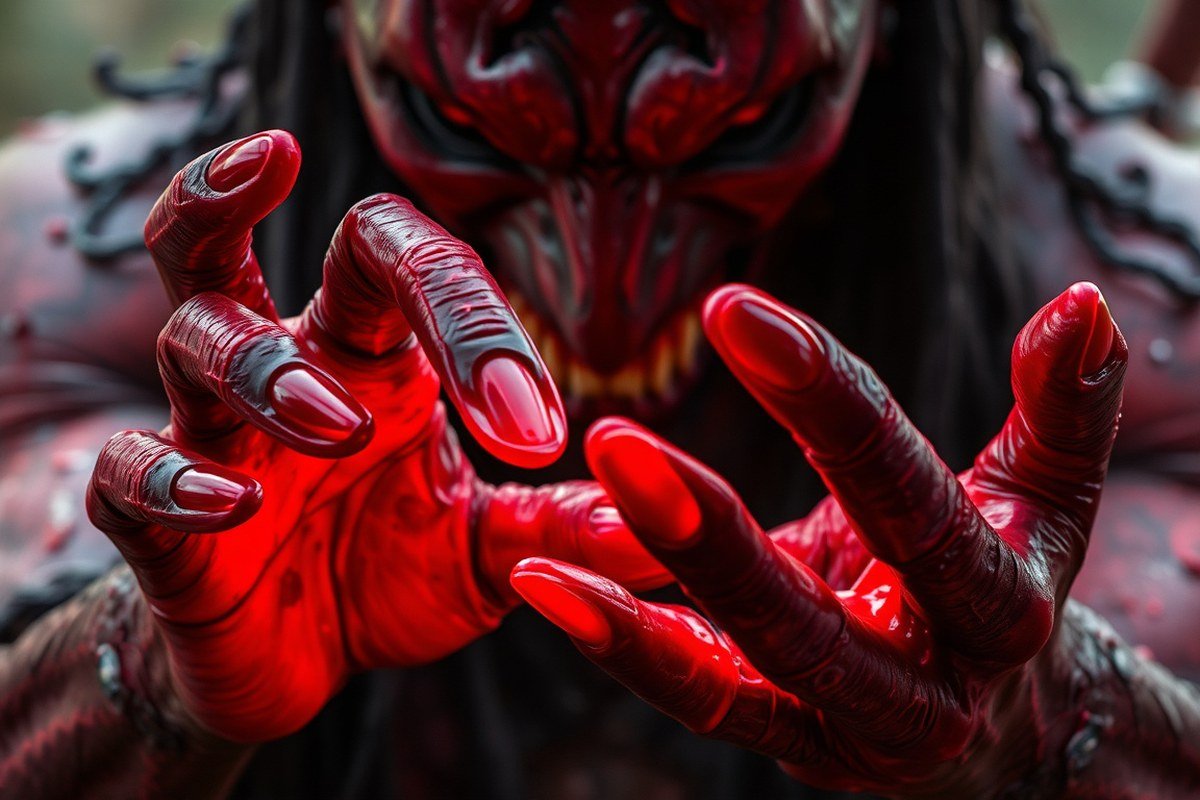
Muzan’s Blood Demon Art is a powerful ability known as biokinesis, granting him total control over his own body. This ability allows Muzan to manipulate his cells and blood at will, enabling transformations, regeneration, and offensive techniques. Unlike everyday physical changes, biokinesis means he can reshape his body into different forms, change his size or structure, and even produce weapons or blades directly from his flesh or blood.
Biokinesis, in the Demon Slayer series, refers to the control a demon has over their biological makeup. It’s a specialized form of body manipulation, unique to high-level demons who have fully awakened their Blood Demon Arts by consuming many humans. In Muzan’s case, this power is the original source from which all other demons’ abilities derive, emphasizing his role as the progenitor of demonic powers.
To understand how Muzan uses biokinesis precisely, imagine your body as a highly adaptable material rather than fixed flesh and bones. Muzan actively commands his cells like a sculptor shapes clay. He adjusts his form by directing how his blood flows and reshapes, creating weapons or altering size and shape instantly. This process requires rapid cellular regeneration and control over blood vessels, allowing him to heal wounds quickly or attack in unexpected ways.
The cost of using biokinesis is tied to Muzan’s stamina and concentration since continuously altering his body demands constant biological effort. Properly controlled, this grants him nearly unmatched versatility and durability in combat. However, losing control or sustaining significant injuries can limit how effectively he uses this power, though his regeneration capabilities usually compensate swiftly.
Unique Abilities Enabled by Muzan’s Blood Demon Art
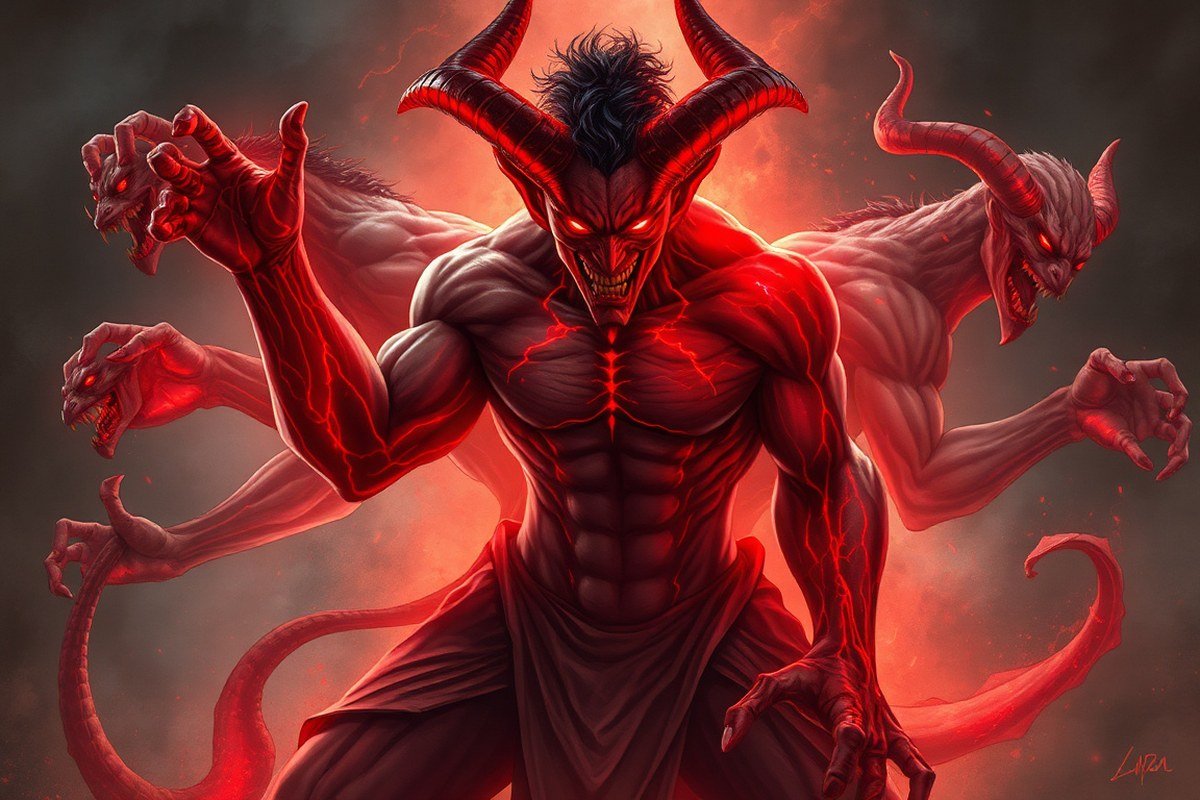
Muzan’s Blood Demon Art grants him a range of unique powers centered on extreme control over his body and blood. He can reshape his flesh, allowing him to produce weapons like spiked barbed-wire from his limbs to entangle and brutally attack opponents. This body manipulation extends to rapid regeneration, making him nearly impossible to defeat by healing from injuries instantly. Muzan also uses his stealth effectively, able to alter his appearance to blend in or deceive humans and demons alike.
This Blood Demon Art enables offensive and defensive tactics by controlling his blood outside his body or transforming parts of his body into living weapons. In battle, you’ll often notice his attacks change form fluidly, adapting from sharp, piercing projectiles to constricting tendrils. These signs show his ability to weaponize every part of himself. His powers make close combat extremely dangerous because his body can both absorb hits and retaliate with lethal precision.
- Shape-shifting allows Muzan to change his face and limbs instantly for disguise or attack
- Regeneration heals wounds in seconds, resisting most physical damage
- Body weaponization creates spikes, blades, or barbs from his blood and flesh
- Blood manipulation controls outward attacks like sharp wire to trap enemies
- Stealth permits blending with humans and demons, avoiding detection effectively
Recognizing Muzan’s powers in fights means watching for how his body seems fluid and unnatural, switching between forms smooth or extending limbs in ways normal anatomy cannot. His attacks often look like they come from nowhere, as he uses sudden shape-shifts to exploit openings. The cost of these abilities comes from relying on maintaining control over his blood and body shape, with prolonged fights tiring his concentration and precision.
How Muzan’s Blood Demon Art Compares to Other Demons’ Arts
Muzan’s Blood Demon Art shares Biokinesis with several powerful demons, especially those in the Upper Moons. His control over blood allows him to manipulate and even transform it on a large scale, including altering his own shape and healing quickly. Other demons with strong Blood Demon Arts often exhibit specialized abilities that reflect their personalities or fighting styles.
| Demon | Blood Demon Art | Description | Key Ability |
|---|---|---|---|
| Muzan Kibutsuji | Blood Manipulation | Manipulates blood to shapeshift, heal, create weapons, and control bodies | Extreme versatility and regeneration |
| Daki (Former Upper Moon Six) | Multiple Slash Attacks | Simultaneously releases several slashes from her obi sashes to cut enemies | Rapid, multi-target offense |
| Gyokko (Upper Moon Five) | Creature Summoning | Summons fish or octopus-like monsters from jars, origin unclear | Summoning and battlefield control |
| Kaigaku (Upper Moon Six) | Swordsmanship Enhancement | Improve sword techniques with blood demon power | Boosted combat capability |
| Douma | Multiple Angle Attack | Attacks from various directions with lethal, dominating force | Overwhelming offense in battle |
| Nezuko Kamado | Exploding Blood | Blood combusts explosively, can also infuse swords and purify poison | Offensive bursts and tactical support |
Compared to others, Muzan’s Blood Demon Art is not truly unique, but it is the most Versatile and broadly potent. His ability to manipulate blood grants him both offense and defense, which many Upper Moon demons lack. For example, Gyokko’s power focuses on summoning creatures for offense, while Daki’s attacks are mainly slashing. Nezuko’s exploding blood, while powerful, serves more specialized purposes like sword infusion and delaying regeneration, differing sharply from Muzan’s extensive shapeshifting and control abilities.
The cost of using these powers varies. Muzan’s regeneration is nearly instantaneous, but the energy required to maintain constant blood control may limit his ability to remain in one form. Others, like Kaigaku, rely on reinforcing existing skills with their Blood Demon Arts. In battles against Hashira, demons with multiple offensive angles or battlefield control, such as Douma and Gyokko, pose distinct tactical challenges, unlike Muzan’s broader but less specialized art.
Limitations and Weaknesses of Muzan’s Blood Demon Art
Muzan’s Blood Demon Art has notable limitations despite its terrifying power. He must avoid direct sunlight, as this instantly weakens him and can lead to his destruction. His ability to regenerate and manipulate his body falters under extreme physical damage or when specific Demon Slayer techniques are used to disrupt his cells. For example, in battle, when Muzan is severely wounded, his regenerative abilities slow, giving skilled Demon Slayers an opportunity to exploit this vulnerability.
Several counters to his Blood Demon Art are shown across the manga and anime. Demon Slayers use concentration and precise strikes targeting Muzan’s weak points, such as his core or areas disrupted by Total Concentration Breathing. Demon Slayer weapons coated with Nichirin blades, which are made from ore that absorbs sunlight, can suppress his powers more effectively than ordinary weapons.
- Sunlight exposure immediately weakens and threatens Muzan’s life.
- Severe physical damage can temporarily halt his regeneration.
- Precise strikes by Demon Slayers exploiting his weak points reduce his combat efficiency.
- Nichirin blades weaken Muzan due to their sunlight-absorbing properties.
- Muzan’s power decreases when overextending or sustaining prolonged damage.
- His Blood Demon Art requires concentration and control, which falters under extreme stress.
Demon Slayers capitalize on these limitations by maintaining pressure and avoiding Muzan’s overwhelming power bursts. They focus on coordinated attacks to restrict his movements and disrupt his ability to regenerate or shift forms. Fighting Muzan demands exploiting moments when his control slips or his body sustains damage, emphasizing precision and timing rather than brute force.
Why Muzan’s Blood Demon Art Is Not Truly Unique Despite Its Power
Muzan Kibutsuji’s Blood Demon Art is often seen as the origin point of many demon abilities rather than a fully unique power set on its own. His ability to manipulate his body and blood granted him tremendous strength and versatility, but many demons eventually develop variations of his powers through their growth and the inheritance of his cells. This means what appears unique about Muzan’s powers reflects a prototype from which other demons evolve, not a completely standalone skill.
The process of acquiring a Blood Demon Art typically involves a demon consuming humans and growing stronger over time. As demons consume more, they gain or refine special abilities closely related to or derived from Muzan’s original physiology. For instance, Nezuko’s capacity to ignite and explode her blood can be seen as a form of inherited Blood Demon Art specialized by her lineage and training. The fact that demons share these inherited traits indicates a clear connection back to Muzan’s foundational powers.
Blood Demon Arts become unique to each demon based on how they adapt or transform the blood-based abilities inherited from Muzan. This uniqueness depends on the demon’s individual growth, appetite, experiences, and intent, which create variations in how the powers manifest. Since Muzan is the progenitor, his role is not just to wield power but to provide the genetic and biological template enabling many demons to develop their own distinct Arts.
Despite Muzan’s strength, he operates at the top of a hierarchy sustained by this inheritance system. His legacy shapes the demon world; many powerful abilities trace back to his original bloodline, underscoring that no demon’s Art is entirely original. Instead, Muzan’s importance lies in being the source from which most demon abilities spring, making his Blood Demon Art foundational but not singularly unique in its nature or expression.
Mastering Your Understanding of Muzan’s Blood Demon Art: A Quick-Start Action Plan
Get a solid grasp on Muzan’s Blood Demon Art by breaking down its abilities and limitations step by step.
- Day 1: Focus on the core concept of Muzan’s blood manipulation and confirm your understanding by being able to explain how it controls other demons.
- Day 2: Study the unique abilities this art grants Muzan, like shapeshifting and regeneration; check mastery by listing at least three specific examples.
- Day 3: Compare Muzan’s powers to one other demon’s Blood Demon Art, noting similarities and differences; test comprehension by summarizing each art’s specialty.
- Day 4: Read on the known limitations such as vulnerability to sunlight and the risk of resistance development; verify by explaining how these affect his combat strategies.
- Day 5: Analyze why Muzan’s art isn’t truly unique by identifying traits shared with other demons; confirm understanding by showing how these shared traits impact his supremacy.
- Day 6: Apply your knowledge by predicting how Muzan’s Blood Demon Art might adapt if new weaknesses were exploited; measure success by outlining potential countermeasures.
- Day 7: Engage with Demon Slayer communities or watch key episodes discussing Muzan’s abilities to deepen your perspective; gauge your progress by joining conversations confidently.
Frequently Asked Questions
Is Muzan’s Blood Demon Art the Source of His Immortality?
Muzan’s Blood Demon Art grants him extensive control over his cells, aiding regeneration, but his immortality also depends on inherent demon traits and careful control of his body. His biokinesis lets him heal quickly and adapt, making him extremely durable in battle.
Can Muzan’s Blood Demon Art Be Inherited or Passed to Other Demons?
Muzan cannot directly pass his Blood Demon Art to others, but demons he creates inherit demon traits. Each demon develops their own unique Blood Demon Art based on personal identity and experiences, not Muzan’s exact biokinesis.
Does Muzan’s Blood Demon Art Have Any Visual Effects on His Body?
Yes, his Blood Demon Art allows him to alter his shape and appearance at will, often changing his form to deceive or fight. This shapeshifting ability is a direct result of his biokinesis.
How Does Muzan Suppress His Scent to Evade Demon Slayers?
Muzan’s Blood Demon Art extends to controlling his bodily functions, including suppressing his scent. This ability helps him avoid detection by Demon Slayers who rely on scent tracking during hunts.
Can Muzan Use His Blood Demon Art Remotely or Only on His Own Body?
Muzan’s Blood Demon Art primarily works on his own body, giving him shape-shifting and regeneration powers. It doesn’t extend to controlling others externally but he manipulates his own cells extensively.
Wrapping Up
Muzan’s Blood Demon Art remains powerful but not unmatched, defined as much by its capabilities as its limits. Understanding how it works, where it shares traits, and where it falls short sharpens your insight into the Demon Slayer universe. Start applying this knowledge by exploring interactions between other demons’ arts to see how Muzan’s power holds up in varied battles.