Can You Separate the Art from the Artist? A Clear Guide with Practical Tools
Can you separate the art from the artist? In many cases, yes, by focusing on the work’s intrinsic qualities rather than the creator’s personal conduct or beliefs. Separating art from artist allows you to appreciate creative achievements independently, but this depends on context and the art form. Start by understanding the content and impact of the work on its own merits.
Key Takeaways
- Evaluate the art’s form and message independently from the artist’s personal life or ethics.
- Consider historical context when judging older artworks and their cultural impact differently than current controversies.
- Recognize that some art forms, like public performances, tie the artist’s presence more closely to the work.
- Engage critically with art by acknowledging problematic aspects without letting them completely overshadow the work.
- Know when personal values clash and personal choice must guide avoiding an artist’s work.
- Use available knowledge about the artist’s behavior to make informed decisions about supporting or rejecting their art.
Can You Really Separate Art from the Artist?
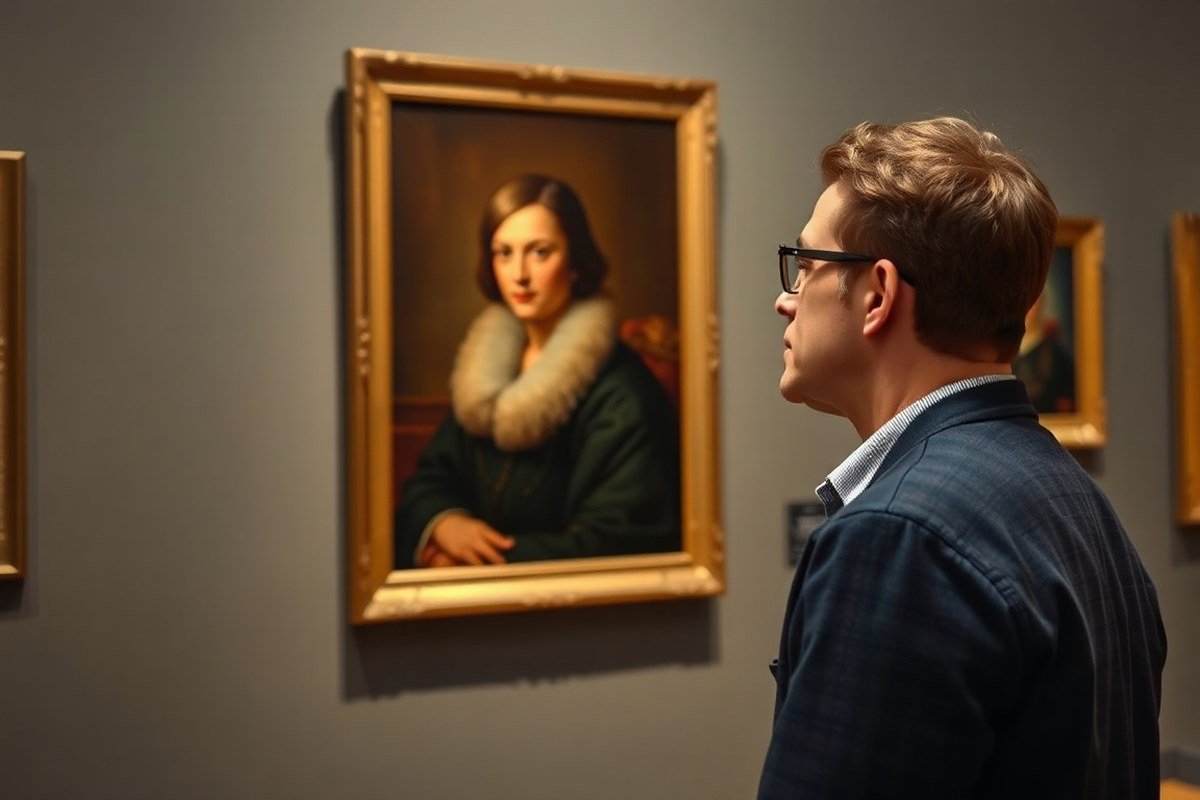
Separating art from the artist means evaluating a work solely on its own qualities without considering the creator’s personal behavior or beliefs. This idea gained traction from early 20th-century literary criticism, which treated the artist and their work as distinct entities. You can approach this separation as a conscious choice: deciding whether to engage with a piece of art independently of its creator’s ethics or history.
Arguments for separation emphasize that great art stands on its own merit. Some see the artwork as an autonomous object that can be appreciated regardless of the artist’s character. For example, people may choose to enjoy a singer’s music while disapproving of that person’s actions, treating the art and artist as separate. This approach allows you to appreciate skill, innovation, or emotional impact without endorsing the creator’s personal conduct.
Conversely, opponents argue that art is inseparable from its creator because artists channel their values and experiences through their work. Supporting an artist’s creations can indirectly support their harmful behaviors, as seen in debates over figures like R. Kelly. Sometimes, engaging with the art means financially or socially enabling the artist to continue their work. Critics also suggest that ignoring an artist’s actions dismisses the experiences of those harmed by them.
To decide whether to separate art from the artist, weigh the context and your personal values. Ask yourself: Does engaging with this work support or amplify harm? Can you appreciate it without compromising your ethics? This decision rule will vary depending on the severity of the artist’s behavior and how directly that influences the art. Good results occur when you feel comfortable with your choice and aware of its implications. Problems arise when separation is automatic, ignoring how art and artist interact in society or internal conflict over complicity.
Philosophical and Theoretical Perspectives on Art and Artist

Immanuel Kant’s concept of aesthetic autonomy argues that art should be judged solely on its intrinsic qualities, such as form and beauty, without considering the artist’s moral character or personal life. This view separates the art from the artist by focusing on the artwork as an independent entity. Similarly, New Criticism, a 20th-century literary theory, emphasizes analyzing the text itself, its language, structure, and form, to find meaning without reference to the creator’s intentions or background. Both theories support appreciating art on its own merit, which can be helpful when navigating controversial figures in arts and culture.
Roland Barthes’ 1967 essay “The Death of the Author” extends this idea by rejecting the belief that an artist’s identity or intentions provide the ultimate meaning of a work. According to Barthes, meaning arises during the audience’s encounter with the text or artwork, freeing the work from the creator’s control. This challenges the traditional notion that understanding an artist’s biography is necessary to interpret their work.
Reader-response theory complements Barthes by arguing that meaning is not fixed but actively created through the audience’s engagement with a piece. Developed by theorists like Stanley Fish and Wolfgang Iser, this approach highlights the subjective experience of the viewer, where interpretation varies depending on individual context and perspective. By focusing on this interaction, reader-response theory suggests that separating art from the artist involves recognizing multiple valid interpretations that evolve over time. The table below summarizes how these theories frame the art versus artist debate:
| Theory | Main Idea | Impact on Separating Art from Artist |
|---|---|---|
| Kant’s Aesthetic Autonomy | Art evaluated based on form and beauty alone | Supports evaluating art independently of the artist’s life or morality |
| New Criticism | Focus on text’s language and structure, ignoring author’s intent | Strengthens objective critique of art, minimizing biographical influence |
| Barthes’ Death of the Author | Artist’s identity irrelevant to meaning; meaning created by audience | Challenges reliance on artist’s biography, freeing art from creator’s control |
| Reader-Response Theory | Meaning shaped by audience engagement and context | Encourages varied interpretations and acknowledges personal interaction |
These theories collectively shift the focus to the artwork itself and the viewer’s role in creating meaning. By applying them, you can critically engage with art without necessarily endorsing the artist’s personal values or actions. However, this requires balancing objective analysis with awareness of the social and cultural context that influences both creation and reception.
How Different Art Forms Affect the Separation Debate
Separating art from the artist varies widely across music, film, literature, and visual arts due to differences in public awareness and the artist’s visible role. Music and film often involve collaborative efforts, making it harder to isolate one individual’s contribution from the entire work. For instance, a film’s final product reflects input from directors, actors, writers, and crew, so controversies involving one person may not diminish the achievements of others.
Live performance, especially in music, blurs lines because audiences directly witness the artist’s behavior and persona, merging the art with the artist’s presence. Studio recordings or written literature, by contrast, provide more distance. Literature, while often reflecting the author’s worldview, can be engaged with critically without attending live readings or author events. Visual arts tend to be more static and individual, making it somewhat easier to separate the work from the artist. Viewing a painting does not connect you to the artist’s current reputation in the same way watching a live show might.
Consider H.P. Lovecraft, whose literature is inseparable from his documented bigotry. Readers who want to study his work must engage with his problematic beliefs but can still appreciate genre innovation. Live music controversies, such as those involving performers’ conduct on tour, often provoke immediate audience reactions because the artist’s actions occur alongside the art. Films like Roman Polanski’s feature intense debate since filmmaking is collaborative but still strongly linked to the director’s vision and public image.
Trying to separate art from artist is simpler when the work is long past and in the public domain, like classical music or centuries-old paintings, where no direct benefits flow to the creator. However, for contemporary, collaborative, or performance-driven art, it demands a nuanced approach that acknowledges the interplay between the creator’s identity and the work’s cultural impact.
Practical Approaches for Engaging with Problematic Art
Engaging with art created by someone with a controversial or harmful past means handling strong emotions and ethical concerns carefully. You can appreciate the work while acknowledging the artist’s actions, which calls for a critical mindset rather than passive consumption. This matters because streaming, buying, or publicly praising an artist often supports them financially and socially.
Start by assessing the context of the art and its impact. Note that the artist’s identity often intertwines with their work, especially in media where personal experience shapes the content. Avoid ignoring uncomfortable truths about the creator, and don’t feel pressured to fully disavow or fully embrace their output.
- Make an informed choice about supporting the artist financially or spreading their work
- Discuss your feelings with others to process complex emotions
- Separate your personal experience of the art from your judgment of the artist’s ethics
- Consider the social consequences of your engagement, such as normalizing harmful behavior
- Set personal boundaries on how much controversy you tolerate before taking a stand
- Use disclaimers or context when sharing the work publicly, to acknowledge the artist’s issues
Boycotting is appropriate when you believe funding or promoting an artist perpetuates harm, especially in cases of abuse or exploitation. Continuing support might fit if the art significantly benefits your wellbeing or education, but remain vigilant about not enabling wrongdoing. Managing complex feelings involves recognizing that art and artist can’t always be neatly separated but that you have the agency to decide your relationship with both.
Breaking down impact versus intent helps clarify your stance. Even if the artist intended no harm, harmful elements in their work deserve attention. Asking “What messages does this art send to others?” rather than “Did the artist mean harm?” shifts focus to real-world effect over personal justification.
When Separating Art from Artist Is Not Possible or Ethical
Separating art from the artist can become ethically questionable if engaging with the art directly supports harmful behavior or legitimizes misconduct. For example, if attending a concert or purchasing work significantly boosts an artist’s income and public platform after a scandal involving abuse or exploitation, your support may enable further harm. In these cases, cultural values and personal ethics shape whether separation is possible.
Public accountability plays a key role when an artist’s actions have legal implications or cause direct harm. Supporting such art might minimize the seriousness of offenses or undermine efforts to hold the person responsible. For instance, if a filmmaker faces allegations of harassment, continued promotion of their movies risks trivializing victims’ experiences and can perpetuate harm by normalizing abusive behavior.
Art that explicitly reflects or enables harm often resists ethical separation. This includes works promoting hate or glorifying violence, which influence cultural attitudes negatively. Historical context matters too; art created under oppressive regimes may require careful evaluation since it can either challenge or uphold harmful ideologies. In these settings, refusing support can signal resistance to injustice rather than simple rejection of the artist.
Deciding when to separate art from the artist involves weighing your influence on the artist’s continued relevance and the potential cultural impact. A practical decision rule is to assess whether your engagement promotes harmful behavior or supports recovery and accountability. For example, avoiding new releases but studying older works critically might balance preserving cultural discourse without endorsing misconduct. Fully rejecting art risks losing valuable conversation about social issues embedded in the work, while uncritical acceptance risks enabling harm.
Immediate Steps for Thoughtful Art Engagement
Start applying mindful habits in how you interact with art and its creators. This approach helps you respect your values while still appreciating cultural works.
- Day 1: Identify artworks and artists causing discomfort or moral conflict. Acknowledge your feelings as valid, signaling you care about ethical consistency.
- Week 1: Research the context around the artist’s actions and the artwork’s creation. Use this knowledge to determine if distancing feels necessary or manageable.
- Week 2: Experiment with focusing on the artwork itself rather than the artist’s personal conduct. Notice if this shifts your appreciation or diminishes it.
- Week 3: Discuss your thoughts with others who have differing views. Understanding diverse perspectives can clarify your boundary between creator and creation.
- Month 1: Decide if and when you want to support works by problematic artists financially or publicly. Gauge your comfort level and any impact on your values.
- After 2 Months: Reassess your relationship with such art regularly. Your stance might shift as new information or perspectives arise.
- Ongoing: Remain open to modifying your approach based on personal ethics and evolving cultural conversations. This flexibility keeps your engagement authentic and responsible.
Frequently Asked Questions
What Role Does Cultural Context Play in Separating Art from the Artist?
Cultural context shapes how audiences interpret art and artist actions. Knowing an artist’s background or the culture their work comes from can influence whether you see the art separately from the artist or as inseparable.
How Do Fan Communities Influence the Separation of Art and Artist?
Fan communities often create shared boundaries around separating or not separating art from the artist. They can either support the artist despite controversies or reject the work altogether. This social dynamic affects how widely the separation is accepted.
Can Economic Factors Affect Decisions to Separate Art from Artist?
Economic interests, like sales or streaming revenue, can complicate separating art from artist. Supporting an artist financially often conflicts with ethical concerns about their behavior, making the choice to separate more difficult.
Does the Artist’s Intention Matter in Separating Art from Their Personal Life?
An artist’s stated intentions don’t always change how audiences perceive their work or personal actions. Some people give weight to intentions while others focus solely on outcomes, which impacts the separation debate.
How Do Different Ethical Frameworks Approach Separating Art from the Artist?
Ethical views such as consequentialism or deontology offer different reasons to separate or not separate art from artist. The framework you use often influences your conclusions about responsibility and forgiveness in engaging with problematic art.
Key Points to Remember
You can approach art and the artist as intertwined yet sometimes separable entities, depending on context and your values. Balancing appreciation with ethical concerns requires ongoing thought and sometimes tough choices. Start by choosing one artwork to explore with fresh eyes, focusing intentionally on your reaction to the piece itself. This simple step opens a path toward meaningful engagement.