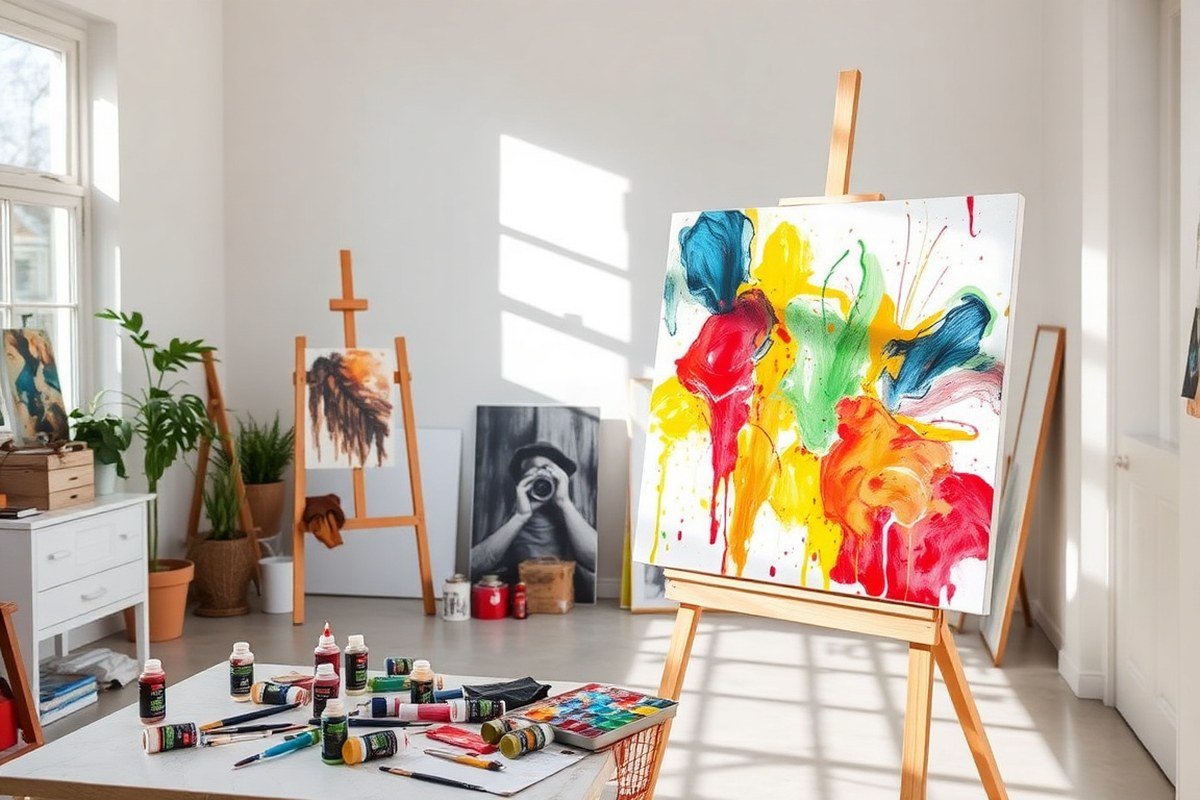
How to Make Abstract Art: A Complete Beginner’s Guide with Expert Tips
Knowing how to make abstract art starts with understanding that there are no rigid rules or mistakes. Use colors, shapes, and textures freely to express your feelings or ideas without needing to copy real objects. Begin by choosing basic materials like acrylic paints and simple brushes, because starting simple helps you focus on creativity instead of technique.
Key Takeaways
- Use acrylic paints because they dry fast and allow easy layering for rich textures.
- Start with affordable, medium-sized brushes to explore different strokes without worrying about cost.
- Pin large rolls of thick paper or canvas on a wall to work freely on big-scale abstract pieces.
- Build your painting in stages, letting earlier colors and shapes influence later layers.
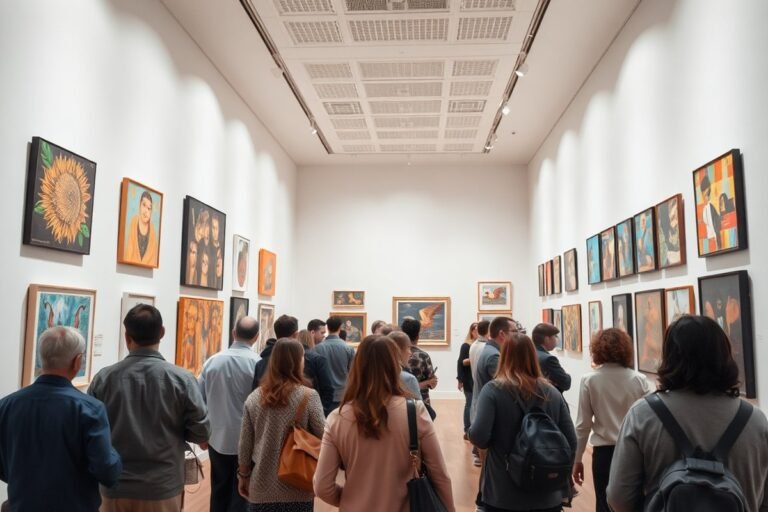
- Look at famous abstract painters to get ideas on how shapes and space create balance.
- Protect your finished acrylic work with a clear varnish after it dries for 24 hours.
What Materials and Setup Do You Need to Start Abstract Art?
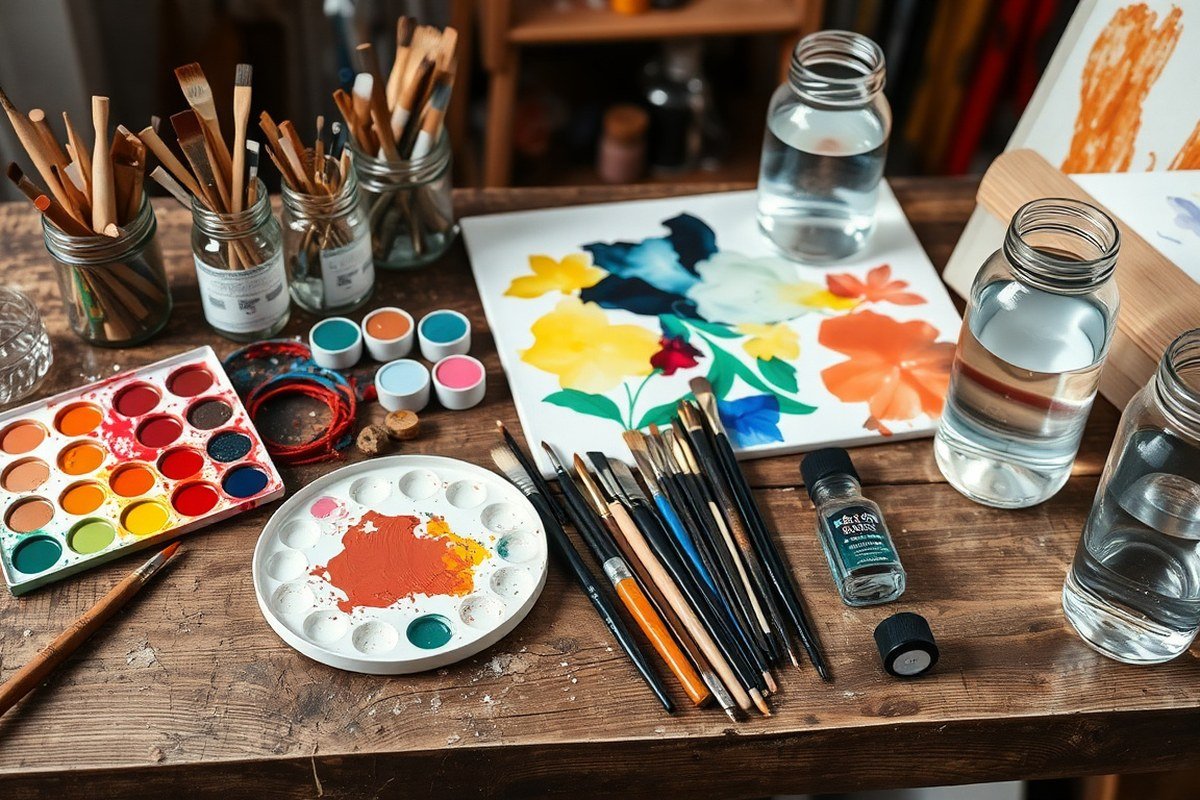
Start with acrylic paint because it dries fast, is affordable, and works well on most surfaces. You don’t need expensive brushes to create interesting textures; a few basic hard-bristle stencil brushes plus some household items like sponges or old credit cards work fine. For beginners, canvas boards or stretched canvases between 8×10 inches and 16×20 inches offer enough space to experiment without feeling overwhelmed or spending too much.
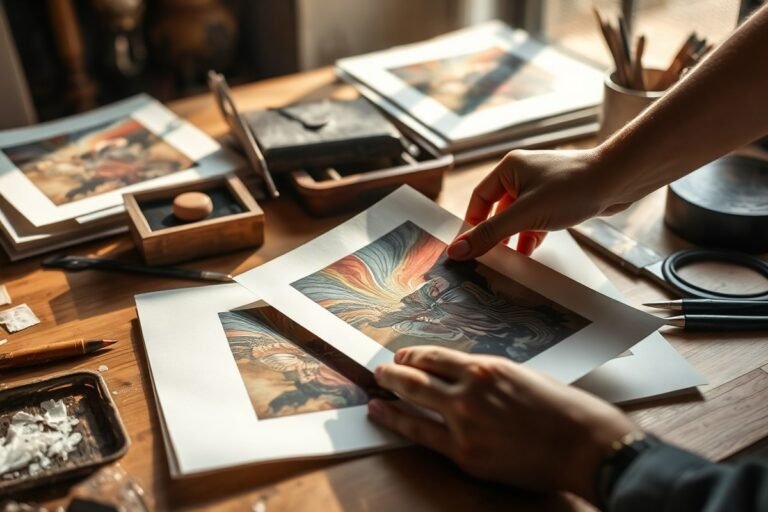
Setting up your workspace to allow creative freedom and easy cleanup is key. Use a flat surface covered with disposable painter’s paper or plastic to catch drips. Arrange your supplies for easy reach, and wear an apron or old clothes. Good lighting can help you see true paint colors and textures as you work.
- Acrylic paints in basic colors or a starter set
- Canvas boards or stretched canvases, 8×10 to 16×20 inches
- Hard-bristle stencil brushes, sponge, palette knife, or household items
- Disposable palette or plastic plate for mixing paint
- Painter’s paper or plastic sheet to protect your workspace
- A jar of water for rinsing brushes
- Paper towels or rags for wiping brushes and spills
Keep some ventilation in the room when painting, especially with acrylics. Avoid overcrowding your work area to maintain focus and flow of creativity. Following these steps helps you concentrate on the painting itself rather than cleanup, making abstract art more enjoyable and less stressful.
How to Begin Your Abstract Painting: Step-by-Step Process
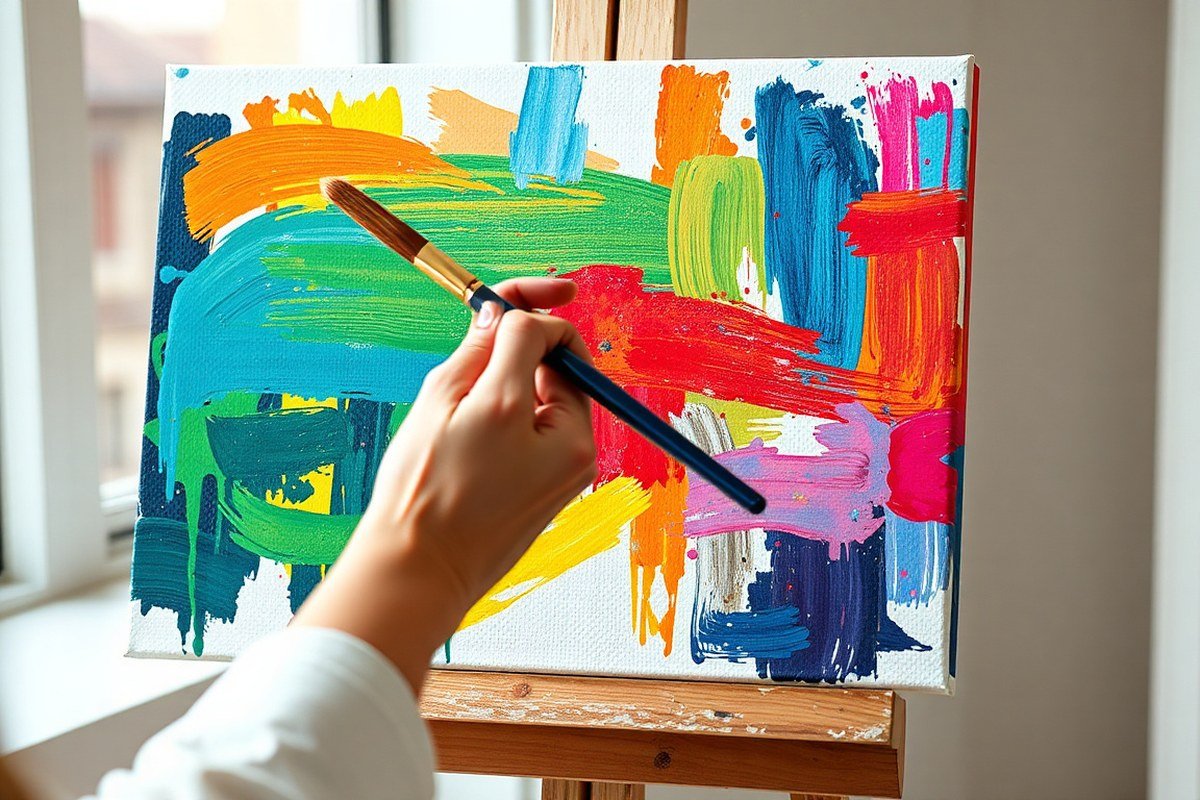
Starting an abstract painting begins with setting a mood or theme, then choosing your colors and shapes carefully to keep your work visually pleasing. Selecting a limited palette helps avoid muddy colors and keeps your piece coherent. You can start with one dark, one mid-tone, and one light color to create contrast and depth. Picking shapes that feel natural or reflect your mood adds energy and form to your painting. Focus on one piece at a time to maintain a fluid process and prevent overthinking.
- Decide on an anchor idea or mood. This could be an emotion, a color feeling, or a simple theme like “calm” or “movement.” Jot it down or keep it clear in your mind.
- Choose your color palette. Select three or four colors that harmonize in tone, not complements like red and green, to keep the painting clear and vibrant. Lay out globs of these colors on your palette or canvas edge.
- Select basic shapes and forms. Use simple shapes like circles, rectangles, or irregular forms. Think about how these can express your mood or theme rather than representing exact objects.
- Make your first energetic marks. Use broad, confident strokes to apply paint. Don’t worry about precision, focus on rhythm and flow to keep the process lively.
- Build layers gradually. Add shapes and colors in stages, letting each layer dry a bit. This gives depth and prevents muddy mixing of colors.
- Step back often. Look at your painting from a distance to see overall balance and make decisions about where to add or subtract elements.
- Stay open to changes. Let the painting evolve naturally instead of fixing on one idea. Adjust your shapes or colors as you go to keep the work fluid.
Techniques to Add Texture, Depth, and Layering in Abstract Art
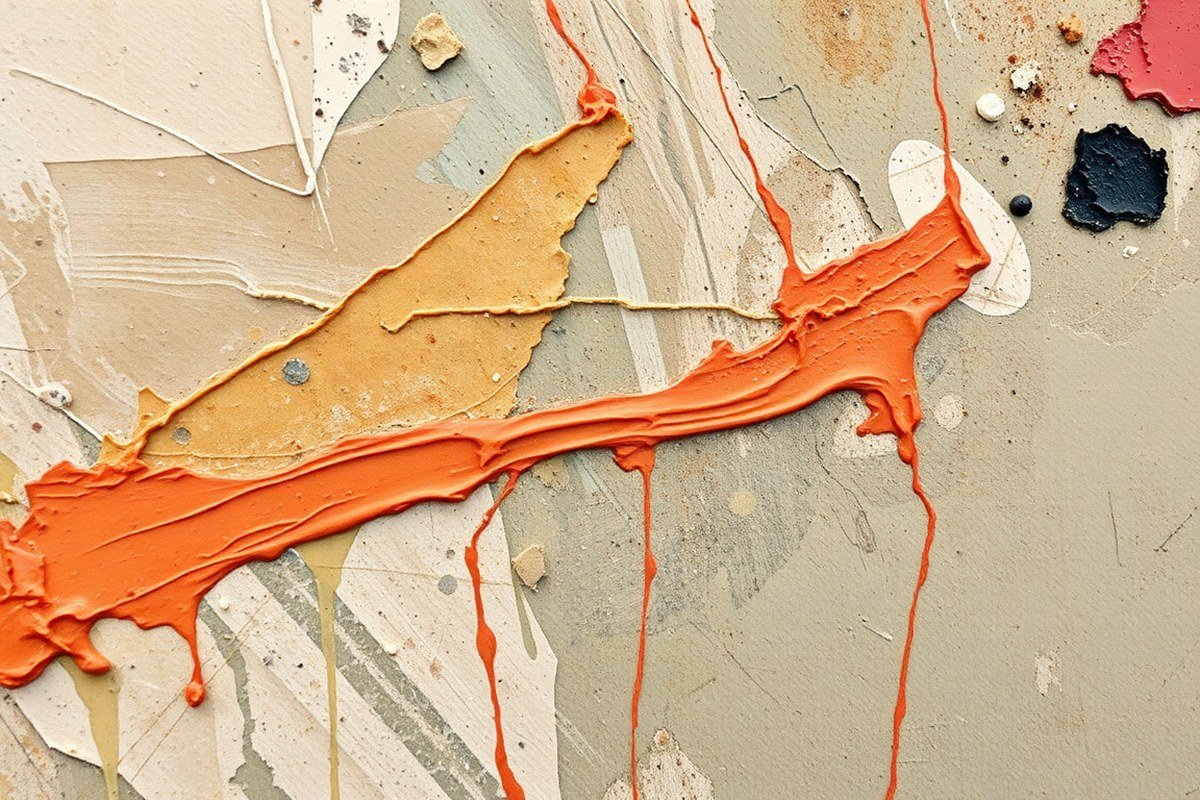
Building texture and depth in abstract art begins by layering your medium thoughtfully. Use paints mixed with a thickening agent like cold wax or Liquin Impasto to create raised brush strokes and ridges that catch light. Apply a base layer first and let it dry fully, thin layers need at least 30 minutes to an hour, while thick applications require several hours or even overnight. This drying time is critical to prevent colors from blending unintentionally and to maintain distinct layers that add visual complexity.
After your base dries, add subsequent layers with variations in color, texture, or transparency. For texture, incorporate mixed media such as sand, fabric scraps, or modeling paste. To avoid ruining the painting, refer to a simple checklist: ensure each added material adheres well, does not react chemically with your paint, and complements rather than overwhelms your composition. Test mixed media pieces on a separate surface first to judge drying time and final effect.
Contrast is key to making your abstract pieces visually engaging. Contrast can be created by pairing light and dark colors, smooth and rough textures, or geometric shapes against organic forms. Balance these opposing elements across your canvas to guide the viewer’s eye and maintain harmony. For example, place a large, smooth dark shape near smaller, rough light shapes to establish tension and interest without clutter.
Good results show layers that feel integrated yet maintain individuality, with texture that invites touch and contrast that energizes the composition. Problems arise if you layer before drying, causing muddiness or cracking, or if textures are added without cohesion, leading to a chaotic, unfocused look. Layering transforms a flat painting into a piece rich with visual movement, depth, and surface variation, helping you communicate through your abstract work effectively.
How to Know When Your Abstract Painting Is Complete
Your abstract painting is complete when it shows a clear sense of cohesion, even if it includes diverse shapes, colors, and textures. Look for balance in composition where no area feels unfinished or overly dominant. The paint texture should feel intentional, with natural variations like skips or drips adding character instead of appearing accidental. Trust your instinct, when your artwork no longer surprises or challenges you to add more, it may be time to stop. Avoid overworking by setting a limit on your painting sessions or stepping away for a few days to revisit your piece with fresh eyes. To finalize your abstract painting, follow these decision rules and finishing steps carefully:
- Confirm the paint is thoroughly dry, acrylics typically dry in 20 to 30 minutes, oils can take days to weeks depending on thickness.
- Review your composition for repeated elements or colors to reinforce unity in your work.
- Check that layer transitions look smooth unless intentional texture breaks.
- Ensure edges are clean or intentionally rough depending on your style choice.
- Decide if a protective varnish or sealant suits the painting type, use a varnish specifically designed for acrylics or oils.
- Apply varnish at room temperature, usually 65, 75°F, in thin even coats; allow 24 hours to dry between coats.
- Protect the painting during drying by placing it flat in a dust-free, well-ventilated space.
Applying a protective layer not only guards against dust and UV damage but also improve color vibrancy. Varnishing is best done after at least 48 hours of drying for acrylics, and only when oils have cured sufficiently to avoid trapping moisture. Skipping this step risks dulling or damaging your work over time. Finished pieces ready for display should be stable in color and texture, without tackiness under your fingers. This careful process ensures your artwork lasts and looks polished without losing the spontaneous feel that defines Abstract art.
Common Mistakes and Tips to Develop Your Unique Abstract Style
Many beginners struggle with overworking their abstract pieces, adding too many layers or details that clutter the composition. Try setting a timer for 20 to 30 minutes per session and step away when you feel stuck. Another common mistake is copying styles too closely, which can limit your growth as an artist. Instead, focus on experimenting with your own emotional responses, color choices, and brushstrokes to find what feels authentic to you. Prior drawing skill is not required for abstract art since the style is about expression over realistic representation. Embrace imperfections and let your instincts guide your work.
The key to developing a unique abstract style lies in regular practice and reflecting on what you enjoy creating. You can keep a sketchbook or photo journal of your paintings to identify recurring themes or techniques you naturally lean toward. Don’t hesitate to mix different materials you have on hand, like oil paint, acrylics, or even nail polish, to discover unusual effects. Staying motivated is easier when you allow yourself to play without judgment and accept that some experiments won’t turn out as expected. Learning from those attempts is part of the process.
- Avoid overloading a canvas with too many conflicting elements; focus on balance instead
- Resist imitating popular abstract artists to develop your personal voice
- Use limited color palettes initially to understand color relationships
- Skip strict sketching, jump into fluid, spontaneous marks to tap creativity
- Try smaller canvases or inexpensive materials to lower pressure on results
- Take breaks during painting sessions to maintain fresh eyes on your work
- Keep an art journal to track your progress and insights
Experimenting safely means working in a well-ventilated space, especially if using solvents or oil paints. Time your sessions so you avoid fatigue that might lead to frustration. Remember that abstract art values ideas and feelings over technical perfection, so originality often comes from being relaxed and genuine with your process. Over time, your unique style will emerge as you explore different textures, colors, and compositions in a way that reflects you.
Step-by-Step Action Plan to Start Your Abstract Art Journey
Begin turning your ideas into abstract art today by following these clear steps. Track your progress to stay motivated and improve with each piece you create.
- Day 1: Gather your essential materials like acrylic paints, brushes, palette knives, and a canvas or paper. Confirm you have a comfortable workspace with good lighting.
- Day 2: Experiment with simple brush strokes and color mixing on a practice sheet. You’ll know it’s effective when you see new textures and color blends you like.
- Week 1: Create your first abstract piece by applying broad colors and shapes without focusing on detail. Your artwork is on track when it feels balanced and expressive to you.
- Week 2: Add texture and layers using techniques like scraping, dabbing, or adding medium. Success shows when your painting gains visual depth and interest.
- Week 3: Step back from your work regularly to decide if your composition feels complete. Trust your instinct about when it looks finished.
- Week 4: Review your past pieces to identify recurring patterns or colors you enjoy. This reflection helps shape your unique abstract style.
- After 1 Month: Share your work with friends or in online art communities to get feedback. Positive or constructive responses help you refine your approach.
Frequently Asked Questions
What Type of Paint Works Best for Abstract Art Beginners?
Acrylic paint works best because it dries quickly and is easy to clean up. It also allows you to layer colors without waiting too long, which supports experimenting with different textures and effects.
Do I Need Expensive Brushes to Start Painting Abstract Art?
No, you don’t need expensive brushes; beginner brushes work fine for abstract art. The focus is on creative expression, so basic brushes allow you to explore techniques without worrying about tools.
Can I Create Abstract Art Without Any Previous Painting Experience?
Yes, abstract art is great for beginners with no experience because it has no strict rules. You can focus on colors and shapes without copying real objects, making it approachable and fun.
How Can I Improve My Abstract Art over Time?
Practice regularly and experiment with new techniques to develop your unique style. Try combining different textures and colors, and look for ways to connect elements within your painting for more cohesive results.
Is There a Way to Plan Abstract Art Compositions Before Starting?
Sketching rough ideas or color palettes can help, but many abstract artists prefer to start spontaneously. Planning helps guide your work, but leaving room for improvisation often leads to more authentic pieces.
Final Thoughts
Abstract art allows you to express emotions and ideas freely through color, shape, and texture. Keep experimenting with different materials and techniques to discover what feels most authentic for you. Your next step is to start your first canvas today, focusing on bold shapes and colors without worrying about precision. Every painting gets you closer to your own unique style.