What Is a Full Art Pokémon Card? A Complete Guide to Identifying and Valuing Them
What is a full art Pokémon card? A full art Pokémon card features artwork that covers the entire card surface, not just a small image window. These cards stand out due to their vibrant, detailed designs and unique textures. Full art cards often showcase popular Pokémon in dynamic poses, making them highly sought after by collectors.
Look for cards where the image extends edge to edge, usually with no traditional reserved artwork box. These cards typically belong to special sets or editions and often carry higher value due to their rarity and visual appeal.
Key Takeaways
- Full art Pokémon cards have artwork covering the entire card front without the usual text boxes or borders.
- The first full art card appeared in 2009’s HeartGold & SoulSilver series.
- Prices for full art cards range from under $10 to thousands, depending on rarity and specific Pokémon.
- Grading by PSA, CGC, or BGS can increase a full art card’s price by 200, 400%.
- Full art cards from low-opening sets can be priced around $15, 20, while those from chase sets may cost ten times more.
- Alternative and rainbow full art cards often command higher prices than standard full art versions.
What Is a Full Art Pokémon Card and How to Identify It
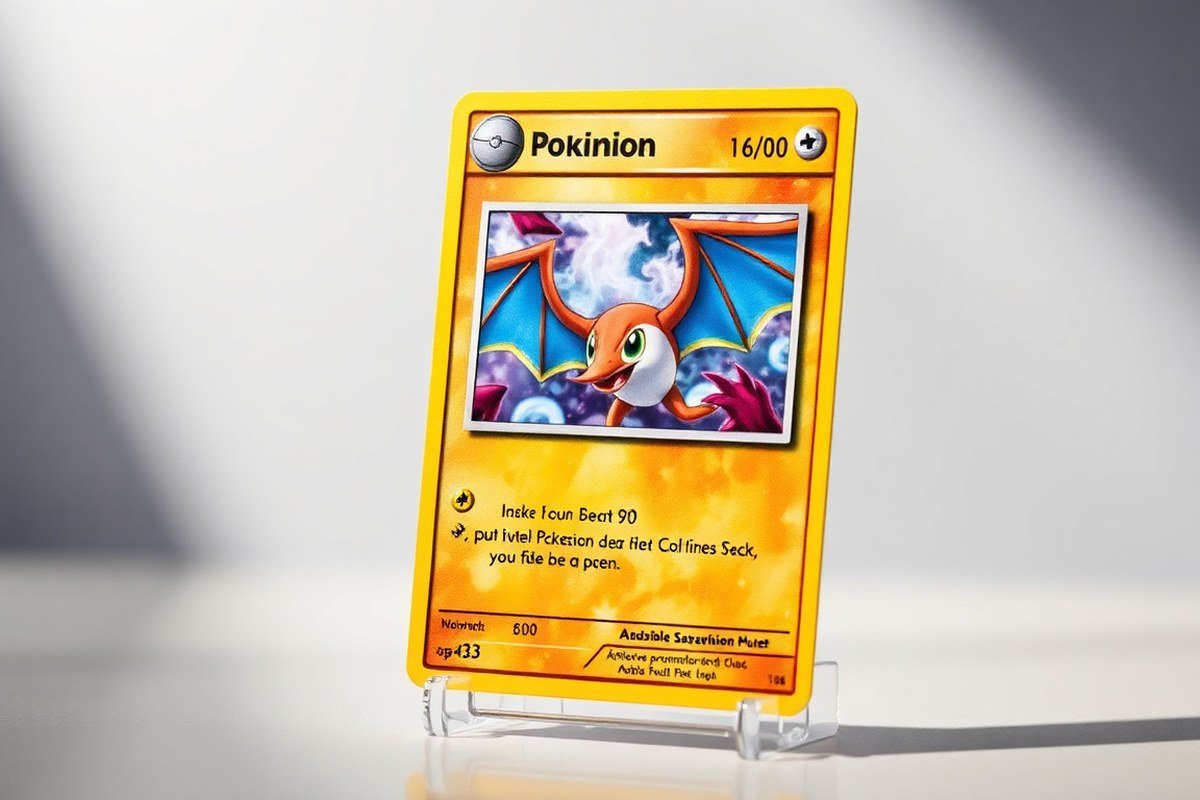
A full art Pokémon card features artwork that extends across the entire front face of the card, replacing the usual bordered area found on regular cards. This means the illustration covers not only the main image window but fills the card edge to edge. Unlike standard cards, full art examples focus heavily on a large, detailed depiction of the Pokémon or Trainer, often showcasing dynamic poses or vibrant backgrounds. This makes them visually striking and immediately noticeable in your collection.
To identify a full art card, look for these visual features: first, the card’s entire front side is covered by the art, with minimal to no framing lines around the image. The text boxes, energy symbols, and stats are typically integrated smoothly into the artwork rather than sitting in separate white or colored boxes. Also, full art cards frequently have a glossy or textured finish that improve the artwork’s depth, setting them apart from regular cards with traditional flat finishes.
Comparing full art cards to alternate art cards helps sharpen recognition. Alternate art cards also present unique illustrations but usually maintain bordered text or image areas instead of artwork reaching the card’s edges. Regular cards keep the standard size artwork inset behind clear borders. Remember that some subsets like Trainer Gallery and Galarian Gallery cards feature full front artwork but are not commonly labeled as full art by collectors despite their similar style.
Full art cards are not printed for every set or every Pokémon; they tend to appear only for select V, VMAX, GX, or EX cards, or special Trainer cards, making them rarer and more desirable. Because full art status depends on the Artwork extending over the full card front and integrated design elements, checking these visual cues closely will help you distinguish a true full art card from others in your Pokémon TCG collection.
The History and Evolution of Full Art Cards in Pokémon TCG
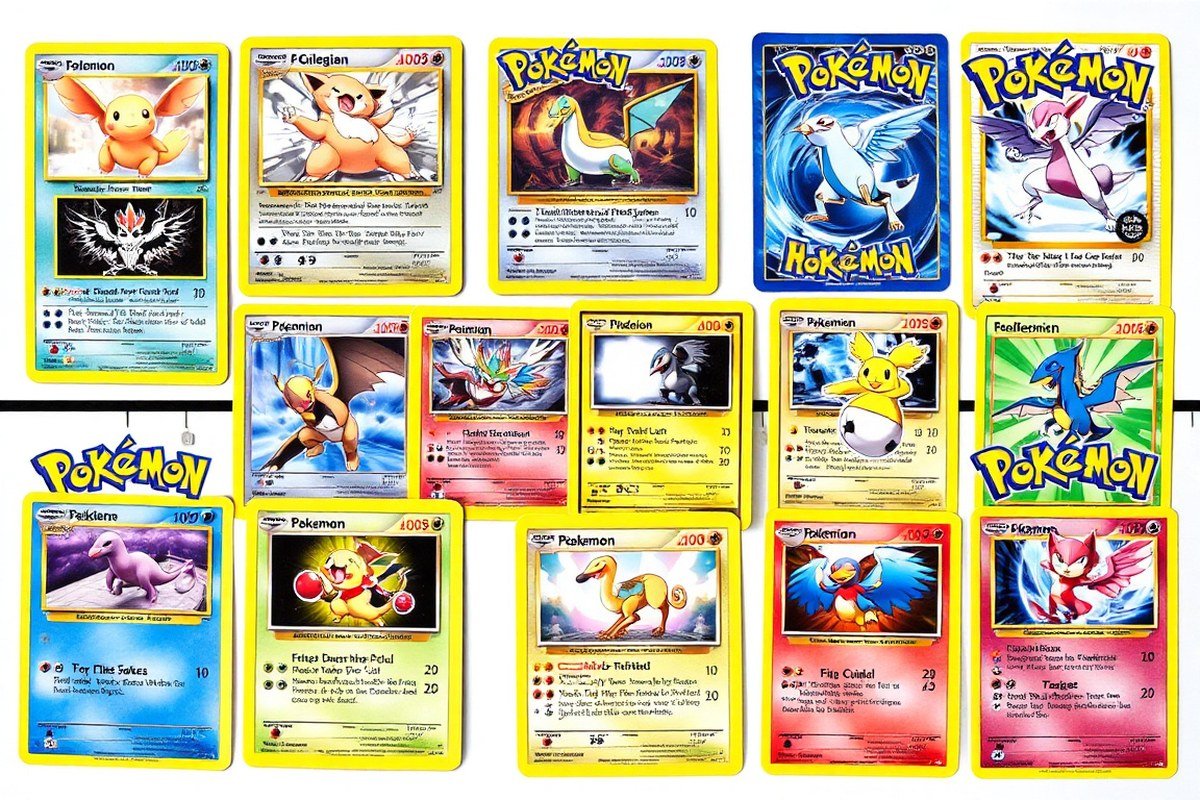
Full art Pokémon cards first appeared in the English Pokémon TCG during the Black & White base set released in 2011. Notably, Reshiram (#113/114) and Zekrom (#114/114) were among the earliest English full art cards, leading the way alongside Audino (#112/114). These cards featured artwork that covered almost the entire front face, marking a shift from the traditional bordered artwork style. This innovation sparked collector interest and set a new standard for premium card aesthetics.
Since their introduction, full art cards have become a staple of Pokémon TCG sets, appearing consistently through multiple eras. For example, the Next Destinies set expanded the trend by printing full art versions of almost every Pokémon EX card, greatly increasing their visibility. Over time, the quantity and variety of full art cards grew, ranging from standard full art to secret rares and rainbow variants, each offering unique visuals and rarity.
Recent expansions, such as those in the Scarlet & Violet era, including sets like Paldean Fates, Paradox Rift, and Paldea Evolved, have together released over 119 full art Pokémon cards. These cards continue to attract players and collectors due to their eye-catching design and limited print runs. Pricing can vary widely depending on the set’s popularity and specific Pokémon; for example, a rainbow full art Tapu Lele GX from an earlier set once sold for over $100, while other secret rares in the same series might only fetch $8.
The consistent presence of full art cards in every major set since 2011 indicates their significance in the Pokémon TCG universe. Today, full art cards are standard inclusions in booster packs and promotional releases, making them a permanent feature rather than a passing trend. Collectors and players alike seek out these cards not just for gameplay but for the striking art that spans the entire card face, reflecting the evolution of Pokémon card design over the past decade and beyond.
Different Types of Full Art Cards and Their Key Differences
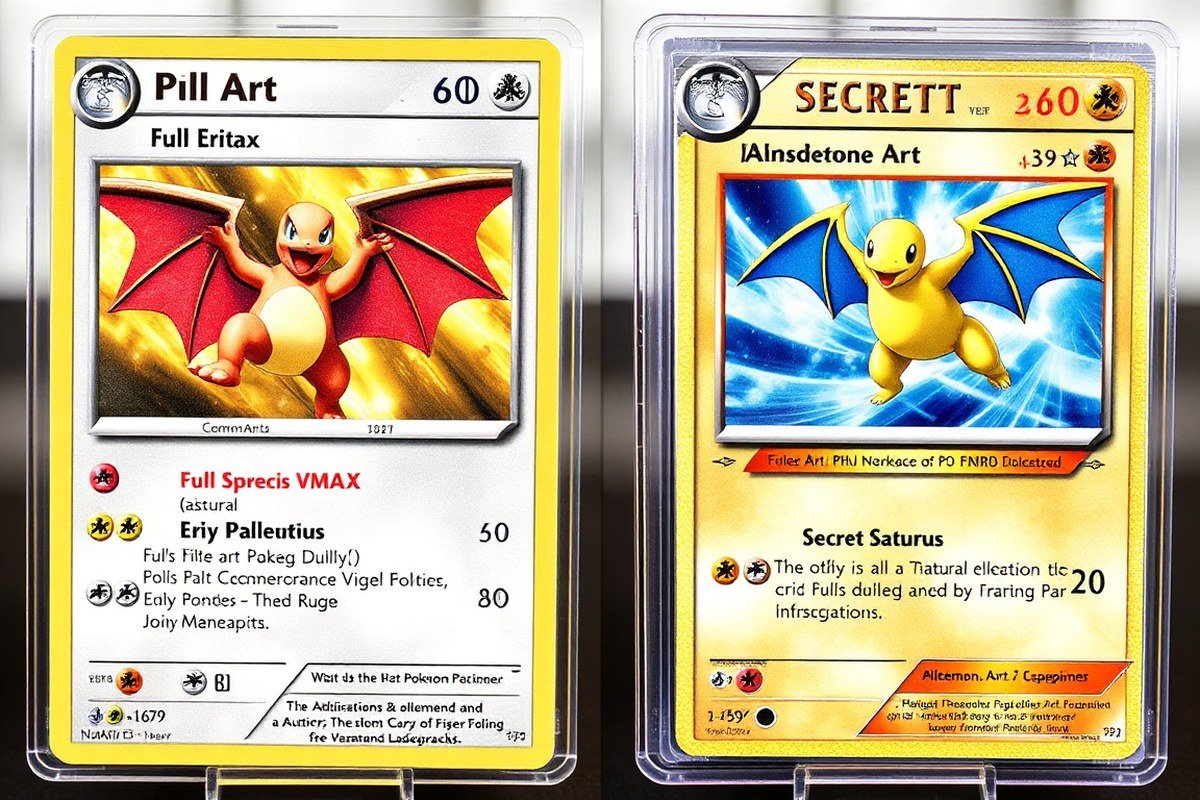
Full art Pokémon cards come in several types, each with unique features and levels of rarity. Standard full art cards feature artwork that covers the entire front of the card, often designated as Ultra Rare or higher in rarity. These include common variants like Full Art V and Full Art VMAX cards, where a Pokémon’s artwork spans the card fully, often with a textured or holographic finish.
Secret Rare cards, on the other hand, are defined by their numbering being higher than the set’s official total, such as #101/100. These can be full art and often feature special foiling effects like rainbow or gold foil, making them more scarce and valuable than typical full art cards. Gold Hyper Rares and Rainbow Rares fall into this category.
Alternate art or alt art cards are a distinct subgroup where the artwork differs entirely from the standard or full art versions. These are rarer and often sought after by collectors because they tell a story or showcase unique scenes, such as Special Illustration Rares or Illustration Rares. For example, an alt art Charizard card might have completely different art than the standard full art Charizard and holds a higher collector value.
| Term | What It Means | Typical Rarity and Numbering |
|---|---|---|
| Full Art | Artwork fills the whole card front | Ultra Rare and above, e.g., #095/203 |
| Full Art V / VMAX | Full art featuring V or VMAX Pokémon with textured foil | Standard numbering within set, sometimes #095/203 |
| Secret Rare | Cards numbered above the set total, often gold or rainbow foil | E.g., #215/203; scarce and premium priced |
| Alternate Art | Distinct, rarer artwork with different illustrations | Among the scarcest, often special releases |
Standard full art cards might appear three to four times in a booster box of 36 packs, reflecting their rarity. Secret rares and alternate art cards print in smaller runs, adding to their premium status among collectors and investors. While full art cards provide a visually striking addition to collections, alt arts and secret rares often command higher value due to their scarcity and unique designs.
How Rare Are Full Art Pokémon Cards and Their Typical Pull Rates
Full art Pokémon cards usually appear in booster boxes at a rate of about two to three cards per box. This makes them naturally limited but not the rarest cards out there. For a standard 36-pack booster box, expect roughly one full art card every 12 to 18 packs. The exact chance can vary by set and the specific rarity assigned to those full art cards. For example, some special releases like the Marnie Premium Tournament Collection include unique full art cards in the box itself, alongside booster packs that might yield additional full arts.
When opening individual booster packs, the odds of pulling a full art card fluctuate depending on the set’s design. Some expansions integrate full art cards into the highest rarity tiers, often as secret rares or special ultra-rares. That means your chances from a single pack might be closer to 1 in 20 to 1 in 30. The artistic appeal and collectible value usually increase with how iconic the Pokémon is and the card’s aesthetic quality.
To maximize your chances of pulling full art cards, focus on purchasing full booster boxes or official bundles with guaranteed full art inserts rather than buying random singles or only a few loose packs. Buying more packs naturally increases the probability of pulling specific full arts since they appear a few per box on average. Also, targeting known promo boxes or tournament collections that contain exclusive full arts improves the odds of adding coveted variations to your collection.
These cards hold notable appeal in the community, not only because they’re rarer than standard holo or reverse holo cards but also because their full-background artwork improve the visual and collectible value. The relatively low pull rates make each full art card special, encouraging collectors to seek multiple packs or boxes if they want to secure particular cards. Budget-wise, expansions vary, but allocating funds for entire booster boxes often proves more cost-effective than chasing singles or relying on random pack pulls to get full arts.
How Grading Influences the Value of Full Art Cards
Grading considerably increases the value of full art Pokémon cards by providing an expert assessment of their condition. Cards graded by well-known services like PSA, CGC, or BGS often see price multipliers between 2x and 4x compared to the same cards sold in raw, ungraded condition. The grade reflects factors such as centering, edges, surface, and corners, which are critical to collectors and investors aiming to minimize risk. A card graded PSA 10 (Gem Mint) might be valued at four times the price of the ungraded equivalent, while a PSA 9 (Mint) could fetch about 2.5 to 3 times more.
Consider a Sun and Moon: Burning Shadows Charizard GX full art as an example. A raw copy might sell for under $500, but a PSA 10 copy could command $1,800 to $2,000, while a PSA 9 might still go for $1,200 to $1,500. The exact increase depends on the card’s general popularity, print run, and demand. Grading adds trust, as buyers gain confidence the card is authentic and in stated condition, reducing negotiation friction.
Submitting a card for grading involves a fee ranging from $20 to over $100 per card depending on speed and service level. Turnaround times might vary from weeks to several months, and there’s a risk of a lower-than-expected grade reducing the final resale value. Cards valued under $200 typically don’t justify grading costs, but higher-priced full arts frequently do. Before sending cards in, compare recent sales of both raw and graded versions of that exact card number and set to estimate potential returns.
Grading can sometimes reveal unseen flaws or issues like scratches or whitening, which might lower the grade or cause a card to be returned ungraded. Protecting cards carefully before submission helps preserve their condition. The market favors fully graded collections, especially investment-grade pieces, as buyers paying premium prices rely on this professional verification. For expensive full art cards, professional grading services provide provenance and significantly boost liquidity and resale price.
Factors That Affect the Value of Full Art Pokémon Cards
The value of full art Pokémon cards depends on several key factors that work together to influence market prices. Rarity plays a major role; cards issued in smaller print runs or identified as ultra-rare typically demand higher prices. In addition, the Popularity of the Pokémon featured matters a great deal. Iconic or legendary Pokémon such as Mewtwo or Reshiram often attract more attention and collectibility, boosting their worth well beyond less popular creatures.
Artwork quality and design play a big role in making a card attractive. Cards featuring full art with bright, detailed images covering the whole card surface tend to attract more collectors. Textured foil finishes, introduced beginning with the X and Y sets, add uniqueness and often boost a card’s market value. Full art alone does not ensure a high price; two full art cards of the same Pokémon can have very different values based on how sought after and rare each edition is.
Set popularity and condition round out the key considerations. Cards that are part of popular or historically important sets usually have higher value. Condition is critical, cards graded highly for near-mint or mint condition sell at a premium, as damage reduces value significantly. Evaluating these factors involves checking print runs, consulting recent sales for the same card and set, and getting professional grading when considering investment.
For assessing a full art card’s investment potential, you should verify the Pokémon’s popularity, check current market trends for the specific card and set, and consider the card’s condition carefully. Cards from newer or less sought-after sets often fetch lower prices, so focusing on established or iconic sets can yield better long-term returns. Demand fluctuates based on player interest and collector enthusiasm, so staying informed about the Pokémon TCG community’s preferences helps guide purchase decisions.
Authenticity and Spotting Fake Full Art Pokémon Cards
Full art Pokémon cards can be faked, making it essential to verify their authenticity before purchase. Counterfeit cards often share common traits, such as blurry printing, off-centre borders, incorrect font styles, or unusual card thickness. To check a card’s authenticity, start by comparing it to a verified genuine card. Look closely at the card’s texture and gloss; real full art cards have a smooth finish with slight gloss, while fakes might be dull or overly shiny. Feel the card’s weight and thickness, as counterfeit cards often feel lighter or flimsy due to different materials.
Check the text on the card for proper font types and alignment. Authentic cards have sharp, crisp text with correct spacing. Ill-defined or pixelated fonts are a red flag. Use a flashlight to look at the card’s surface under strong light, which can reveal printing inconsistencies not visible to the naked eye. For full art cards, the artwork should be vibrant and detailed, with no color bleed or pixelation. You can also examine the card under a magnifying glass to detect imperfections in the ink or print layers.
Online sellers may use professional scans or photos to fake authenticity, so ask for multiple photos including card edges and back. Be cautious if the price is significantly lower than typical market value; this is often a sign of a fake or damaged card. When buying in person, verify the card against known genuine examples or ask a professional appraiser. Some collectors use specific weights or thickness measurements, where real cards weigh roughly 1.7 grams and are about 0.3 millimeters thick, though slight variation occurs by release.
For added certainty, use officially licensed grading services that authenticate and encapsulate full art cards. These services usually cost between $15 to $50 depending on the service speed, but they provide a reliable verdict and protect your investment. Avoid sellers unwilling to provide close-up images or proof of purchase, and never finalize deals without taking these steps to reduce the risk of counterfeits and scams.
Best Practices for Collecting and Displaying Full Art Pokémon Cards
Proper care and storage of full art Pokémon cards start with keeping them out of direct sunlight, which can fade the vibrant artwork and reduce card value. Use top loaders or soft sleeves designed for trading cards to protect your cards from scratches and dirt. Combining a sleeve with a rigid top loader offers stronger protection, especially if you plan to handle or transport your cards regularly. Store these protected cards in a cool, dry place with stable temperatures between 65°F and 75°F and humidity levels around 40% to 50%. Excessive heat or moisture can warp cards or cause the ink and holographic finish to deteriorate.
Regularly check the condition of your cards to catch early signs of damage like bends or moisture stains. Gently clean cards using a soft, dry microfiber cloth if dust appears, never using water or chemicals as they can ruin the finish. Avoid touching the card’s surface with bare fingers to prevent oils and dirt buildup; consider wearing cotton gloves for high-value cards. For long-term storage, acid-free card storage boxes designed for trading cards help prevent degradation from acids found in ordinary materials.
Displaying full art cards safely requires UV-protected display cases or acrylic holders to shield them from light and dust while allowing you to showcase their artwork. Magnetic display cases offer a sleek look and solid protection but usually cost around $15 to $25 per case. Alternatively, binders with protective pages are good if you want to display multiple cards but do keep them upright to avoid bending. Displaying cards behind glass in framed setups provides excellent environmental protection but runs the risk of light exposure unless your frame includes UV-filtering glass.
Balancing display and preservation means choosing methods based on your priorities. If maintaining Maximum long-term value, prioritize protection over constant exposure. Rotate cards displayed to limit light exposure, and keep displayed cards out of high-traffic areas where they might incur accidental damage. Taking these careful steps helps preserve the card’s condition, keeping your full art Pokémon cards both beautiful and valuable.
Step-by-Step Action Plan for Building Your Full Art Pokémon Card Collection
Start collecting full art Pokémon cards with a clear approach to grow your collection thoughtfully and maintain its value.
- Before you start: Research current market prices for full art cards to set a realistic budget. Track a few recent sales to know what to expect.
- Week 1: Identify reputable sellers and official sources. Confirm how they verify card authenticity to avoid fakes.
- Week 2: Purchase your first few full art cards, focusing on ones in good condition or already graded. Check the card art placement and texture to confirm they are full art.
- Week 3: Invest in proper storage like sleeves and top loaders to protect your cards. Verify your cards remain in mint condition over time.
- Month 2: Join Pokémon TCG forums or local groups to trade and learn more about rare full art cards. Get feedback on your collection to spot potential undervalued cards.
- After 3 months: Consider having a few of your most valuable full art cards professionally graded. Compare their value before and after grading to evaluate the benefit.
- Quarterly: Review the market trends on full art cards you own. Decide whether to hold, trade, or sell based on demand and rarity changes.
Frequently Asked Questions
What Is a Full Art Pokémon Card?
A full art Pokémon card features artwork that covers the entire front of the card, without traditional text boxes or isolated frames. This design highlights the character or scene, giving it a distinct look compared to standard cards.
Do Full Art Pokémon Cards Affect Gameplay in Any Way?
Full art cards do not affect gameplay rules or mechanics; they function like their regular counterparts but offer improve visual appeal for collectors.
Are Full Art Pokémon Cards More Valuable Than Regular Cards?
Full art cards tend to have higher value, especially when graded, increasing prices by 200, 400%, but value depends on the specific card and market demand.
Can All Pokémon Sets Include Full Art Cards?
Not all sets feature full art cards, but many modern and special sets include them as rare or secret rare variants to attract collectors.
Is It Possible to Find Fake Full Art Pokémon Cards?
Yes, fake full art cards exist, so verifying authenticity through trusted sources or grading services is important to avoid counterfeit products.
The Bottom Line
Full art Pokémon cards combine striking visuals with collectible appeal, making them a standout addition to any collection. Achieving a valuable and authentic collection takes careful sourcing and protection. Start by acquiring a few verified full art cards and safeguarding them to enjoy both their art and investment potential.