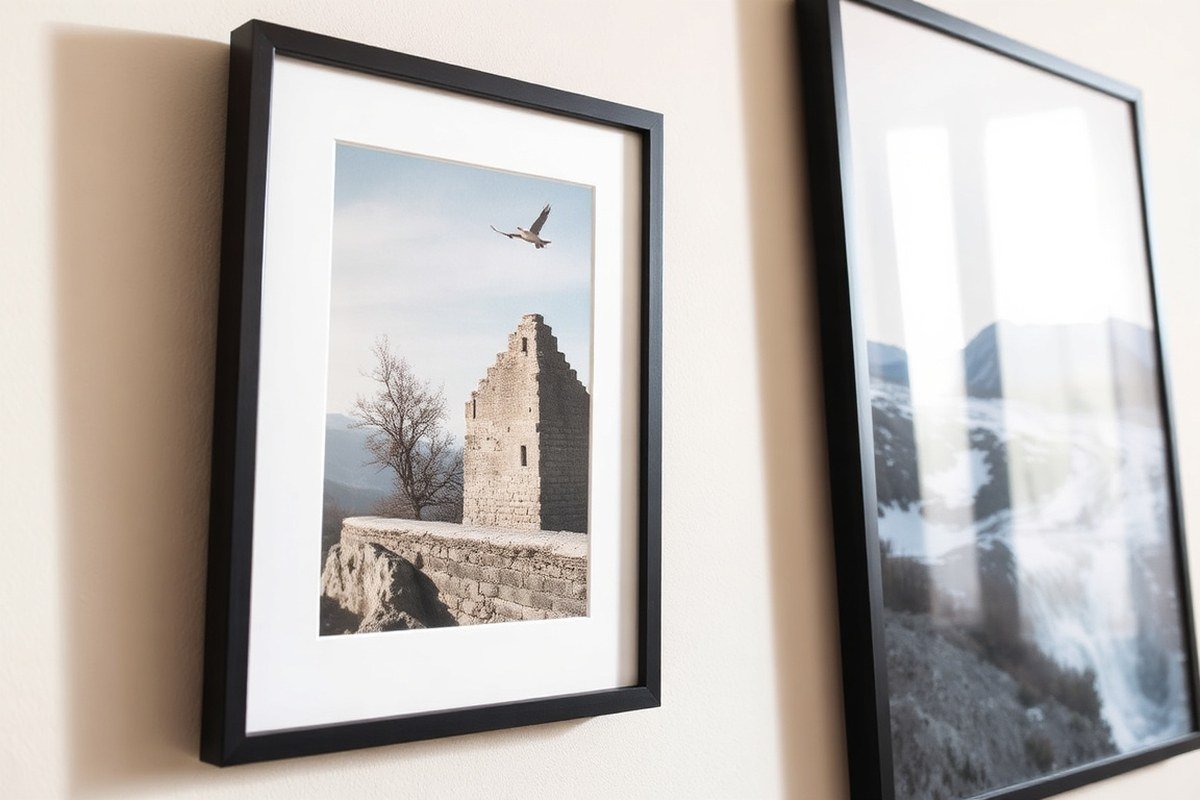
What Is a Giclee Print vs Art Print: A Complete Comparison and Buying Guide
The question “what is a giclee print vs art print” refers to the difference between a high-resolution fine art reproduction made with pigment inks on archival paper and a standard art print made with conventional processes and materials. A giclée print offers superior color accuracy, durability, and archival quality, while a standard art print uses dye-based inks and less durable paper. Identify your display needs and budget to decide which type suits your collection or décor best.
Key Takeaways
- Giclée prints use pigment-based inks on acid-free, 100% cotton archival paper for long-lasting quality.
- Standard art prints often rely on dye-based inks that fade visibly within 5 to 10 years.
- High-quality giclée papers weigh between 190 and 400 gsm and may contain 25% to 100% cotton fibers.
- Giclée printing requires 24 to 48 hours of curing to ensure pigment stability and image fidelity.
- Archival giclée prints are designed to resist fading and yellowing for 75 to 100 years under proper conditions.
- Cost per year of ownership favors giclée prints due to their longevity despite higher upfront prices.
What Is a Giclée Print and How It’s Made
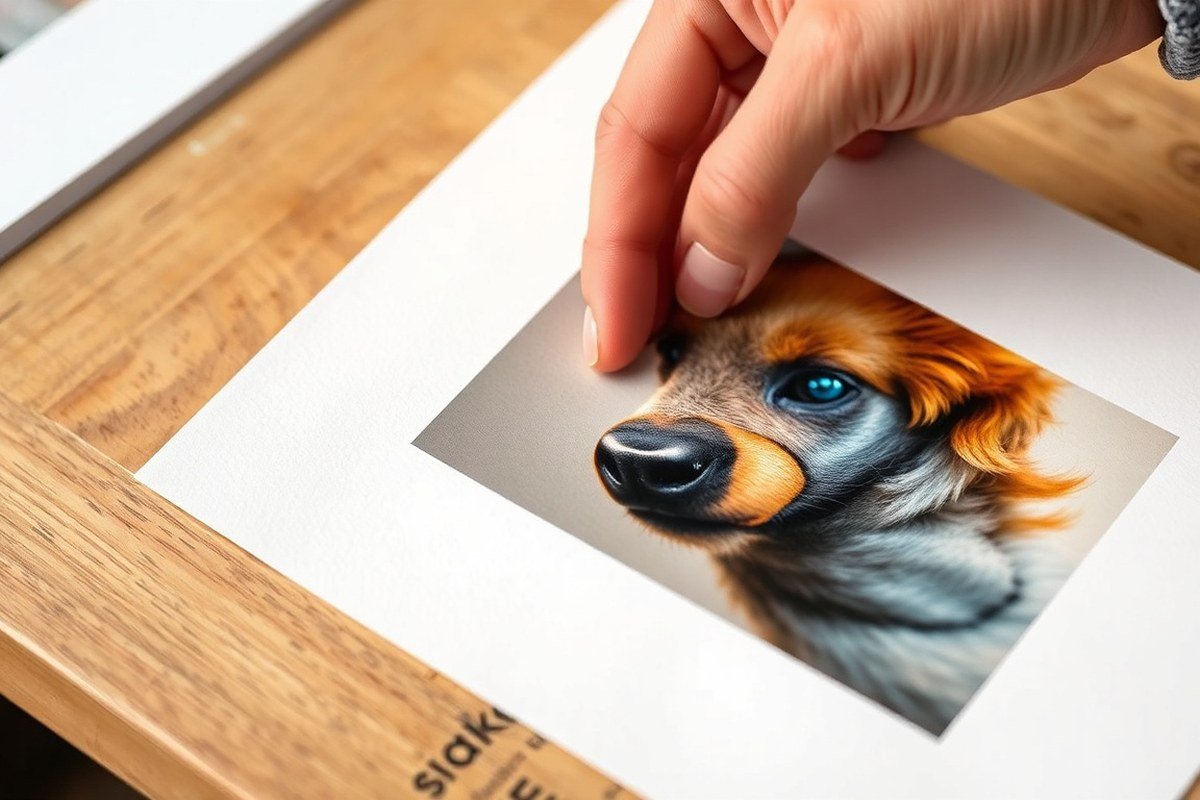
A giclée print refers to a detailed fine art copy created using high-end inkjet printers that lay down pigment-based archival inks onto selected fine art paper or canvas. The name Giclée originates from the French term for “to spray,” describing how tiny ink particles are applied to achieve vivid images with true-to-life colors. Developed in the late 20th century, this method is known for producing Museum-quality reproductions that, when maintained properly, can last over 100 years.
The giclée printing process begins with a digital scan or file of the original artwork, which is then processed to ensure the highest color fidelity. Using a wide-gamut, professional 8- to 12-color inkjet printer, tiny dots of pigment ink are sprayed onto archival substrates. These inks are pigment-based rather than dye-based, offering superior lightfastness and resistance to fading. The fine art papers or canvas are usually acid-free and weigh between 190 and 400 gsm, often containing 100% cotton rag for durability and texture.
After printing, the ink requires a curing period to dry and stabilize, typically ranging from a few minutes up to several hours depending on the materials and environmental conditions. This curing step helps ensure the longevity and stability of the print. Achieving a true giclée print demands meticulous calibration of color profiles and printer settings to preserve the details and nuances of the original artwork. The cost and time investment reflect the care and archival-quality materials involved, distinguishing giclée prints from other art reproductions.
Understanding Standard Art Prints and Their Characteristics
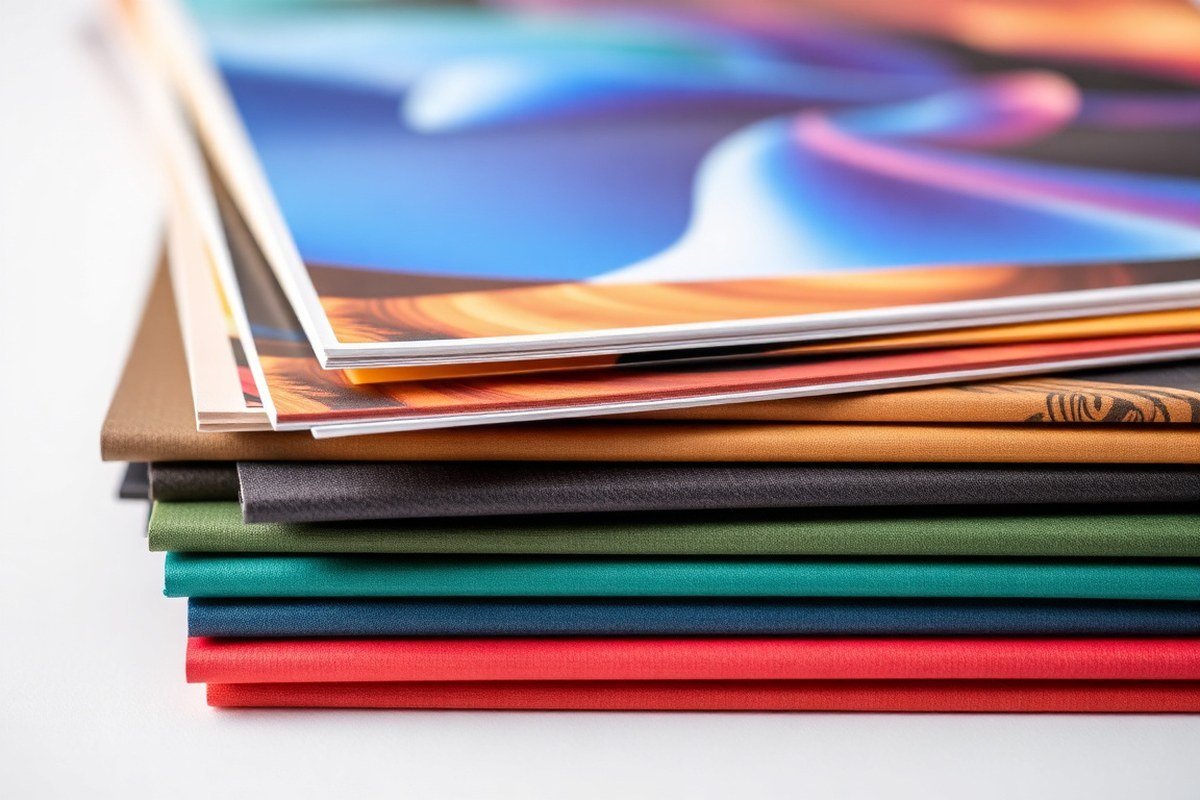
Standard art prints are reproductions of original artwork created through common printing methods like offset or digital printing. These prints typically use dye-based inks, which are less durable and more prone to fading over time compared to pigment-based inks used in higher-end prints. Standard prints often appear on coated or semi-coated papers that are not always archival quality, meaning they may yellow or degrade within 5 to 10 years if exposed to light and environmental factors.
Most standard art prints are produced on budget-friendly papers such as glossy or matte photo paper with a weight around 150 to 200 gsm. These materials provide decent colour vibrancy initially but lack the texture, thickness, and longevity found in archival fine art papers. The inks used in standard prints generally do not offer the same depth of colour or subtlety in gradients, resulting in images that might look flatter or less detailed than higher-grade reproductions.
In terms of quality, these prints fall short of giclée prints, which combine pigment-based inks with heavyweight archival papers to produce sharper details and richer colour nuances that can last decades longer. Standard art prints usually suffice for casual wall décor, posters, event promotion, or mass-market art reproductions where longevity and museum-grade quality are not priorities. They are a cost-effective choice if you want quick, affordable art copies but should be framed with UV-protective glass to extend their lifespan.
Typical buyers of standard art prints include art students, businesses decorating office spaces, or collectors seeking affordable versions of popular artworks without the expectation of long-term archival value. While less costly upfront, often under $40 per print, their shorter display life and lower material standards make them less suitable for serious art collecting or gallery exhibitions where quality and preservation matter.
Key Differences Between Giclée Prints and Art Prints
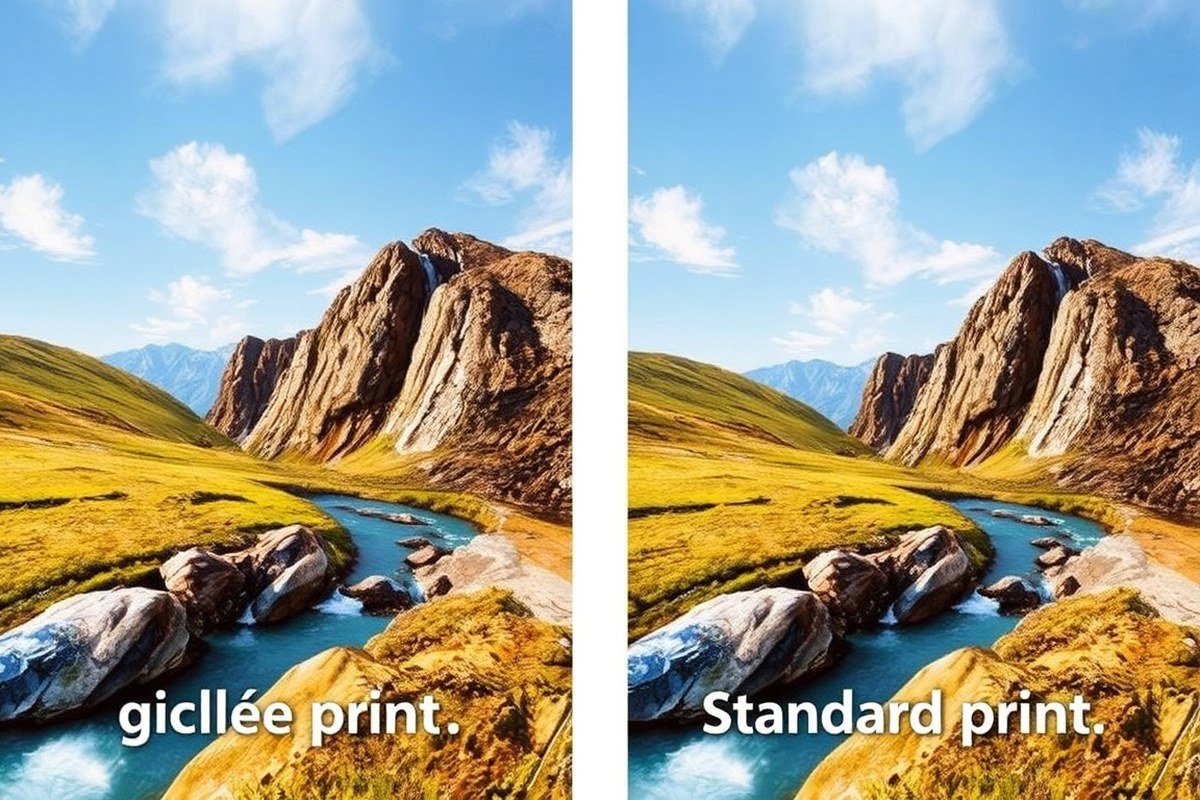
Giclée prints excel in quality due to their high resolution, often exceeding 1440 dpi, allowing for extremely fine detail and sharpness that standard art prints usually cannot match, typically topping out around 720 x 1440 dpi. This higher resolution means you see colors and textures much closer to the original artwork. The inks used in giclée prints are pigment-based and archival, designed to resist fading and maintain vibrant color accuracy over time. They’re printed on heavyweight, acid-free fine art paper or canvas, which adds to their durability and a substantial feel in the hand.
Standard art prints often use dye-based inks or less strong pigments and lighter-weight papers, making them more budget-friendly but less durable and with lower color fidelity. Giclée prints are often made in limited editions, 100 to 200 copies, to create exclusivity and added value. The combination of archival materials and precise color management is what sets giclée apart and makes these prints a preferred choice for collectors and galleries.
| Feature | Giclée Print | Standard Art Print |
|---|---|---|
| Print Resolution | Up to 1440 dpi or higher | Generally up to 720 x 1440 dpi |
| Inks | Pigment-based archival inks | Dye-based or lower-grade pigments |
| Paper/Material | Heavyweight acid-free fine art paper or canvas | Standard lighter weight paper |
| Color Accuracy | Exceptional, close to original artwork | Good but less precise |
| Durability | High fade resistance, archival quality | Lower fade resistance, less archival |
| Edition Types | Usually limited editions (100-200 copies) | Often open editions |
| Typical Uses | Gallery, museum-quality, collector’s editions | Mass-market reproductions |
Print resolution affects the final artwork by controlling detail clarity and texture nuance; the higher dpi of giclée allows for smoother gradients and precise color transitions. The pigment inks and museum-grade substrates are critical for Fade resistance, lasting decades without losing vibrancy. Because giclée prints are often part of limited runs, owning one means having access to a more rare and collectible piece. This combination of components directly impacts the longevity, value, and visual fidelity of the print you choose to own or invest in.
How Long Do Giclée and Art Prints Really Last?
Giclée prints are designed to last over 100 years without fading when displayed and stored properly. This durability comes from the use of archival pigment inks and high-quality substrates, which resist UV light and environmental damage. In contrast, many standard art prints, especially those made with dye-based inks or less durable papers, may begin to show fading within 5 to 25 years. Traditional photographic prints generally last between 10 and 60 years depending on materials and storage.
The key factors influencing how long any fine art print lasts include exposure to light, humidity, temperature, and air quality. Direct sunlight drastically speeds up fading, so you should avoid hanging prints where they receive strong sunlight. Maintaining stable indoor humidity around 40-50% and temperatures between 65-75°F helps prevent paper warping and ink degradation. Pollutants such as smoke or ozone can also contribute to color changes over time.
Proper framing significantly extends the lifespan of both giclée and standard prints. Using UV-protective glass or acrylic reduces harmful light exposure, which is the main cause of fading. Acid-free mats and backing boards prevent acid migration that can discolor paper and weaken fibers. When framing, seal the framing materials to limit air pollutants and changes in humidity. Refrain from using regular glass without UV protection, as it provides minimal defense against fading.
For example, a pigment-based giclée print behind UV-filtering glass can maintain its original color and vibrancy for 100 to over 200 years. Without protective glazing, even these durable prints may show fading within decades if exposed to bright or direct light. Standard art prints lacking archival materials typically compromise longevity in about a decade or two under similar conditions.
Keeping giclée and other art prints away from kitchens, bathrooms, or humid basements also helps because moisture can cause mold and paper deterioration. Rotating displayed prints or using low-intensity LED lighting instead of incandescent bulbs further preserves color and detail. Taking such care ensures you maximize the value and enjoyment of your fine art reproductions over many years.
Cost Differences and Value of Giclée vs Art Prints
Giclée prints typically cost more because of the meticulous process involved, including high-resolution printing at 300 DPI or higher, premium archival inks, and professional calibration of equipment to maintain consistent quality. Environmental factors such as temperature and humidity are controlled, ensuring the print’s precision and longevity. This level of care makes giclée prints stand out as investment pieces, often produced in limited editions that maintain or increase in value.
Calculating cost effectiveness over time starts with determining the initial price and dividing it by the expected lifespan of the artwork. For example, suppose a giclée print costs $400, and a standard art print costs $50. If the giclée print lasts 50 years without noticeable degradation and the standard print lasts only 5 years before fading or yellowing and needing replacement, the annual cost for the giclée is $8 per year ($400 ÷ 50), while the standard print requires replacement every 5 years. Over 50 years, buying 10 standard prints totals $500, or $10 per year, which is more expensive annually. This makes giclée prints more economical for long-term enjoyment.
The higher upfront price of giclée prints is justified by their durability, superior colour fidelity, and archival quality. For art collectors and enthusiasts focused on preserving the art’s integrity and value, investing in a giclée print means buying a piece designed to last decades without fading, discoloration, or loss of detail. In contrast, standard art prints, often produced with lower-quality inks and papers, suit temporary decor or budget constraints but require frequent replacement, which increases cost over time. Choosing between these options depends on your priorities: durability and investment versus affordability and short-term use.
Choosing Between a Giclée Print and an Art Print
Picking between a Giclée print and a standard art print largely depends on your budget, how you’ll use the print, who will see it, and how long you want the artwork to remain vibrant. Giclée prints provide exceptional colour accuracy and can resist fading for 50 years or more, making them a top choice for collectors or artists seeking high-quality, durable reproductions.
A standard art print fits well if your budget is tight or the print is intended for casual display where ultra-high resolution and archival quality are less critical. These prints serve well for mass distribution or decorative purposes where you don’t expect the piece to hold up for decades.
- Choose a giclée if you want museum-quality detail, colour accuracy, and longevity exceeding 50 years.
- Opt for a standard art print if affordability matters more and the print will be displayed in lower-risk environments.
- Giclée prints suit professional artists selling limited editions or collectors seeking investment pieces.
- Standard art prints work for home décor or audiences who prioritize variety and price over archival value.
- Budget from $50 up to several hundred dollars for giclée prints, depending on size and paper quality.
- Standard prints generally cost less than $50 and are faster to produce in larger quantities.
- Consider the environment where the print will hang, sunlight exposure or humidity demand higher quality and protective materials.
You can apply this checklist as a simple decision rule: If your goal is long-term preservation or you require fine detail and colour fidelity, Choose a giclée print. Cost and quantity often make a standard art print the more practical choice when those factors are the main priorities. The purpose and audience of your artwork guide this choice more than anything else.
Common Myths and Misconceptions About Giclée and Art Prints
Giclée prints are not always prohibitively expensive. Their cost typically reflects the use of high-quality archival inks, fine art papers or canvases, and labor-intensive production with high-resolution inkjet printers. These factors combine to offer superior detail and color accuracy, justifying the higher price compared to standard art prints. However, artists or collectors on a budget can find giclée options priced modestly by choosing smaller sizes or less costly substrates while still benefiting from the technology.
There’s a misconception that Art prints are inherently less valuable. The value depends substantially on the artist’s reputation, edition size, and print quality rather than just the printing method. Traditional prints, such as lithographs or screen prints, can be highly collectible and increase in value over time despite using older or different techniques.
- Printing method alone does not guarantee quality; paper type, ink, and production care matter.
- Not all giclée prints meet archival standards, it depends on inks and papers used.
- Standard art prints vary widely in quality and durability, some rivaling giclée in longevity.
- Pricing of giclée prints depends on size, resolution, materials, and labor input.
- Originality remains with the artist or where the print fits in a limited edition sequence, not merely the print method.
Understanding the true value of a piece means looking beyond the label “giclée” or “art print” to details like the ink type, paper weight, and edition authenticity. For lasting quality, inquire if the print uses archival pigment inks and acid-free fabrics. Errors to avoid include assuming lower-cost prints lack quality or that every giclée print uses premium-certified materials. Confirming these factors with your printer or seller ensures you get a piece that fits your collection’s needs.
Step-by-Step Action Plan for Choosing Between Giclée and Art Prints
Use this plan to select the best print type for your fine art collection or project with confidence.
- Before you buy: Research the artist’s printing methods to check if they offer giclée prints or traditional art prints; verify authenticity and print process for quality assurance.
- Day 1: Examine print samples in person or online with zoom views to compare color fidelity and detail sharpness, focusing on how well the print represents the original artwork.
- Day 2, 3: Evaluate your budget against pricing for both print types; expect giclée prints to be pricier but generally offer superior longevity.
- Within the first week: Consider the display environment, opt for giclée prints in areas with direct sunlight or high humidity due to their durability.
- Week 2: Decide if you want limited editions or open editions; giclée prints often come in limited runs, offering potential collector value.
- Week 3: Ask about framing and archival materials recommended for each print type to maximize lifespan and maintain visual quality.
- After purchase: Monitor your print’s appearance over several months, noting any fading or color changes to assess the print’s true lifespan in your setting.
Frequently Asked Questions
What Exactly Makes a Giclee Print Different from a Standard Art Print?
A giclee print uses archival pigment inks on high-quality paper with very high-resolution inkjet printers, making it more detailed and durable. Standard art prints often use dye-based inks and less archival paper, resulting in lower quality and shorter lifespan.
Can Giclee Prints Be Produced on Different Types of Media?
Yes, giclee prints can be made on various archival media, including thick watercolor paper and fine art canvas. This versatility allows you to choose a material that best fits the artistic style and desired finish.
Is a Giclee Print Always More Expensive Than a Normal Art Print?
Generally, giclee prints cost more due to high-quality inks, archival materials, and specialized printing equipment. However, pricing varies by edition size, paper type, and artist reputation.
Are Giclee Prints Considered Original Artworks or Reproductions?
Giclee prints are high-quality reproductions, not original artworks. They aim to faithfully replicate the original with detailed color and texture, often used for limited edition art prints.
How Does the Color Range of Giclee Prints Compare to Standard Art Prints?
Giclee prints offer a wider color gamut than typical art prints, producing more accurate, subtle color transitions. This wider range improve the overall visual depth and vibrancy of the artwork.
The Bottom Line
Choosing between a Giclée print and an art print hinges on your priorities for quality, longevity, and budget. Giclée prints offer finer detail and longer durability but at a higher cost. Start by verifying the print method and inspecting samples closely to make the best decision for your collection. Your next step is to reach out to your preferred artist or gallery and ask specifically about the printing process they use to ensure the best match for your needs.