
What Can I Do with an Art Degree: Careers, Salaries & Steps for Success
What can I do with an art degree often comes down to choosing a career path that fits your creative skills. Many art graduates work as art directors, graphic designers, multimedia artists, or UX designers, all fields offering solid pay and growth. Starting with a strong portfolio and relevant experience can open doors in these competitive yet rewarding careers.
Key Takeaways
- Art direction is the highest-paying field, with a median salary of $111,040 as of 2024.
- Focus on building a diverse portfolio showcasing your skills across different art mediums.
- UX design offers both creative work and salaries well above the national average for art degrees.
- Gain internships or freelance projects early to build practical experience and industry contacts.
- Art and design jobs are projected to grow 2% over the next decade, adding about 20,500 positions.
- Consider specializing in digital art or multimedia, as these areas have strong salary potential.
What Careers Can You Pursue with an Art Degree?
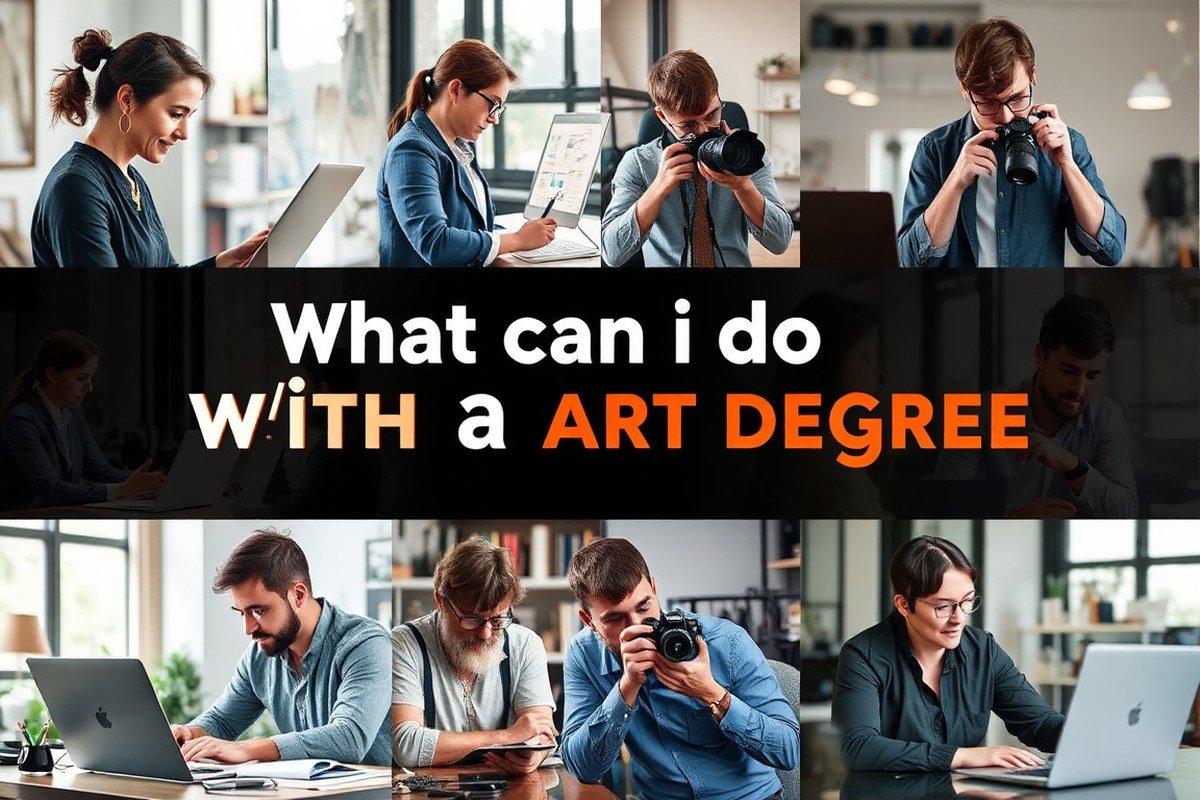
An art degree opens the door to a wide array of career paths beyond traditional artist roles. While you can pursue careers as a painter, sculptor, or photographer, many graduates find success in design-related fields like graphic design, 3D design, and game design. These roles allow you to apply your creative skills directly to commercial projects, often with faster career growth and steadier income.
Non-artist jobs are plentiful and often centered in industries such as advertising, publishing, media, film, and technology. Positions like art director exemplify this, with a median annual salary of $111,040 in May 2024, making it one of the highest-paying roles accessible with an art degree. Many art directors begin in entry-level design positions and climb the ladder into leadership, highlighting the importance of gaining experience in related design work.
Emerging fields like user experience (UX) design also welcome art degree holders, especially those who supplement their education with UX-specific coursework or certifications. UX design combines creativity and technology, offering lucrative and fast-growing career opportunities widely recognized across tech and product development sectors.
Other options include creative roles that merge artistic and technical skills, such as architecture, although this usually requires specialized degrees and licensure. Teaching art at the college level becomes viable with a master’s degree, providing both a stable career and an opportunity to influence the next generation of artists.
Industries ranging from entertainment to corporate branding seek art graduates for roles requiring strong visual communication skills. To succeed, focus on building a portfolio that showcases your versatile creativity and consider internships or freelance work to gain practical experience. Understanding the market and networking can also help you find unique opportunities tailored to your interests and skills within and outside traditional art environments.
Which Art Careers Offer the Highest Salaries and Growth?
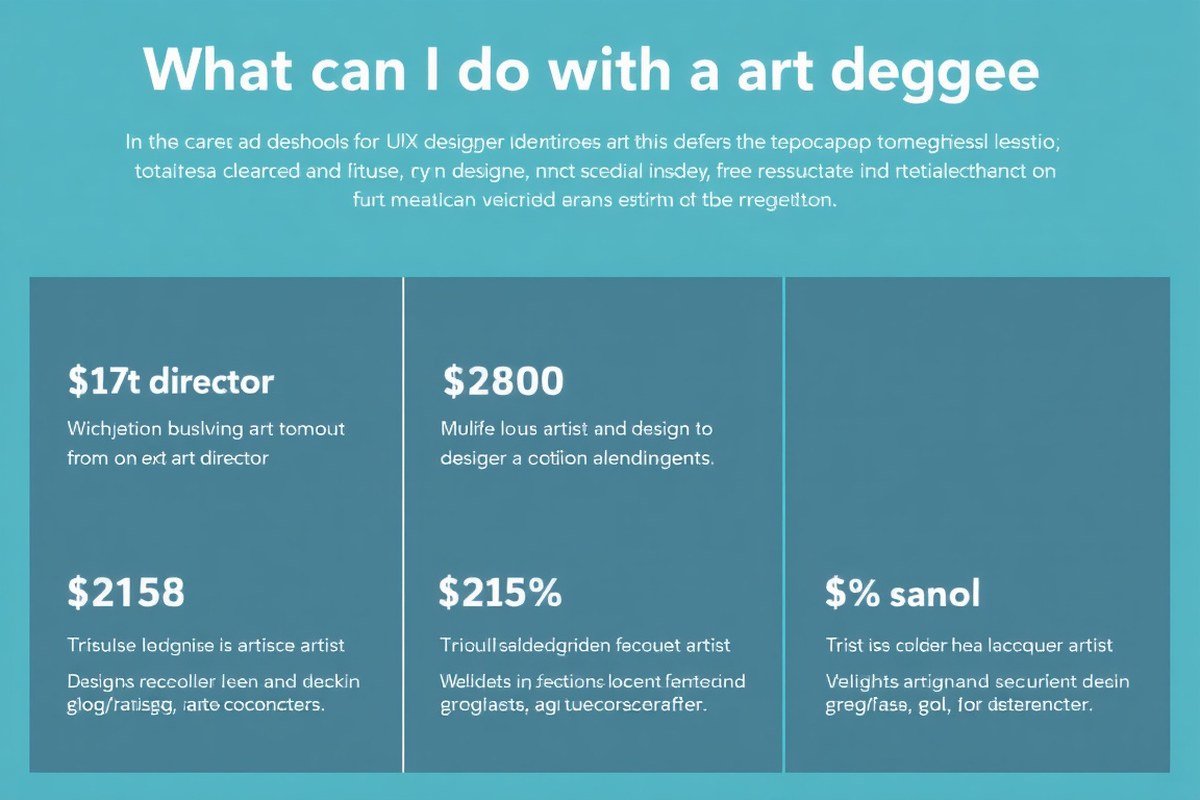
The art careers with the highest median salaries typically include roles like art directors, special effects artists, and UX/digital designers. For example, art directors have a median annual salary of about $111,040, with a projected job growth rate of 4% over the next decade. Special effects artists and animators earn around $99,800 on average, though growth in this area is slower at 2%. UX and digital designers are also strong options, offering median pay near $98,090 and a notable growth rate of 7%, reflecting ongoing demand for user-centered design in technology.
Salaries in other art fields, such as fashion design or interior design, tend to be lower but still competitive. Fashion designers earn a median salary of $80,690, whereas interior designers make about $63,490 per year with steady but slower growth. Graphic designers, a common career path for art graduates, have median earnings of roughly $61,300, but the field grows slowly and faces high competition.
Job openings annually vary as well. Graphic design roles see about 20,000 new openings per year, showing more opportunities despite moderate pay. Interior design and art directing provide fewer openings but often higher salaries. Photographers, with a median salary around $42,510, have limited growth at 2% and somewhat more openings at 12,700 annually, yet these jobs can be highly competitive and often freelance-based. Here is a comparison for 2024 median annual salaries and projected growth:
| Career | Median Salary | Projected Growth (2024-2034) | Annual Openings |
|---|---|---|---|
| Art Director | $111,040 | 4% | 12,300 |
| Special Effects Artist / Animator | $99,800 | 2% | 5,000 |
| UX / Digital Designer | $98,090 | 7% | 14,500 |
| Fashion Designer | $80,690 | 2% | 2,300 |
| Interior Designer | $63,490 | 3% | 7,800 |
| Graphic Designer | $61,300 | 2% | 20,000 |
| Craft and Fine Artist | $56,260 | ~0% | 4,400 |
| Photographer | $42,510 | 2% | 12,700 |
Choosing a career with a higher growth rate, such as UX/digital design, often means more job security and new positions opening regularly. Higher salaries like those for art directors typically require experience, a strong portfolio, and leadership abilities. Roles like special effects artists can demand specialized technical skills but pay above the average for art careers.
How Does an Art Degree Prepare You and Which Skills Matter Most?
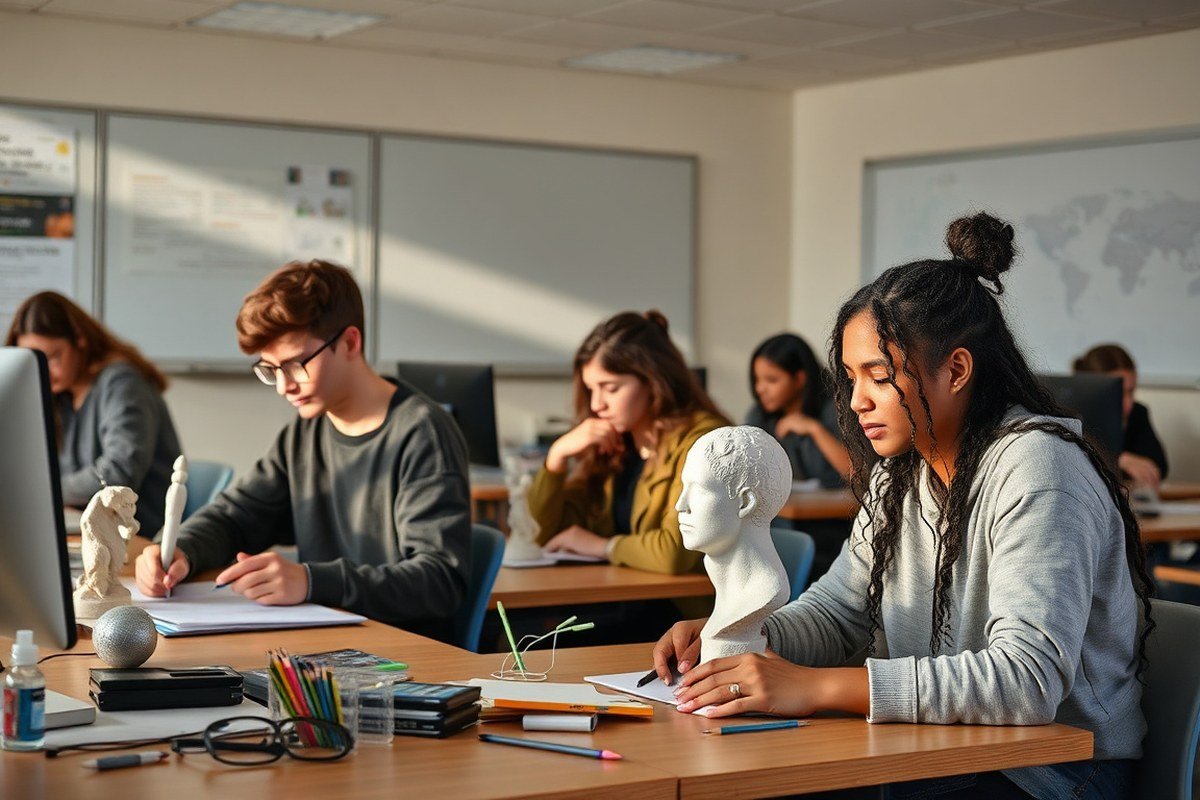
An art degree prepares you by teaching a mix of creative and technical skills that apply across many job roles. You learn foundational design principles like composition, color theory, and visual thinking, which employers in fields from graphic design to UX rely on every day. Studios and workshops offer hands-on experience with media and materials, developing your practical skills under real-world conditions. This environment lets you experiment, receive feedback, and polish your techniques.
Technical abilities are a major focus in many art programs. You’ll gain proficiency in software such as Adobe Photoshop, Lightroom, and animation tools like Maya and After Effects. Photography training covers camera systems, lighting, and post-production editing, while interior design teaches 2D and 3D rendering and relevant building codes. These skills matter because employers expect you to hit the ground running with industry-standard tools.
Soft skills are equally important. Art degrees help build communication skills through client critiques and group projects. Learning how to promote yourself, meet deadlines, and collaborate are key for fields like advertising and media. Leadership and time management grow as you balance coursework and outside projects. Employers value this ability to handle pressure and work in teams.
To put these skills into action, start by creating a Clear checklist: First, master industry software tailored to your area. Next, develop a polished, diverse portfolio showing both technical skill and creativity. Then, practice presenting your ideas clearly to peers or clients. Finally, take on real or simulated projects under deadlines to sharpen your workflow. Costs mainly involve software licenses, which range from free trials to about $20-$50 per month for standard programs, and investing time in repeated practice. Strong results look like confident presentations, positive feedback, and a portfolio that stands out. Avoid over-reliance on a single tool or style, and seek feedback to avoid blind spots in your skills. This balanced approach prepares you for varied roles by showing you can create, communicate, and execute ideas effectively.
How to Build a Strong Portfolio and Gain Relevant Experience
A well-crafted portfolio is essential for art graduates because it directly impacts your chances of landing jobs or freelance projects. It showcases your unique style, technical skills, and professional growth. Strong portfolios highlight both creative and practical work, including projects completed during your degree, competitions, exhibitions, or real client work.
Develop your portfolio continuously as you progress through your studies. Start by selecting pieces that best represent your abilities and interests, tailoring the collection to the type of roles you want. For example, if you aim for illustration or graphic design, focus on diverse visuals and digital media skills; for fine art roles, include a range of styles, mediums, and conceptual work. Keep your portfolio updated and organized, limiting it to about 10-20 of your strongest pieces to maintain interest.
Gain relevant experience by seeking internships, freelance jobs, or volunteer opportunities during and after your program. Begin by identifying galleries, design studios, or art organizations that offer internships or part-time roles. Many internships are unpaid or low-paid but provide valuable industry connections and hands-on experience. Use your school’s career center or faculty contacts to find openings.
To build freelance experience, create profiles on platforms like Behance, Upwork, or local creatives’ networks. Pitch your services for small projects or collaborations that fit your skill level and can be added to your portfolio. Real projects for non-profits, local events, or fellow students can also strengthen your portfolio and resume while helping you build client communication skills.
Track each project with details such as your role, tools used, client feedback, and results to include in your portfolio or interviews. Schedule regular reviews of your portfolio with mentors or peers to get constructive criticism. This cycle of building, showcasing, and revising prepares you to seize opportunities across varied art-related careers, from artist to interior decorator or art educator.
Should You Pursue Further Study or Enter the Workforce?
Choosing whether to pursue a master’s degree in art or enter the workforce right after your bachelor’s depends on your career goals and financial situation. A Master’s degree is worthwhile if you aim for leadership roles like art director, museum curator, or restoration specialist. It also matters if you want to teach art at higher education levels. These advanced degrees usually require 1, 3 years of study after your bachelor’s and can cost $20,000 to $50,000 or more, depending on the school and program.
Starting work immediately after your bachelor’s can be a smart choice if you want to build experience and income faster. Many art jobs require persistence and a strong portfolio but don’t always demand a master’s degree. For example, becoming an art director often takes several years of hands-on work and proven skill rather than simply earning advanced degrees. You could gain industry connections and develop your craft by working alongside professionals, sometimes through internships or entry-level roles, which might accelerate your path to those higher positions.
Think about your readiness to hustle and self-motivate. The art industry can be unpredictable when it comes to job stability and financial success, so weigh the cost of further education against how soon you want to earn a living. A useful decision rule is: if your dream role requires specialized knowledge or credentials, and you can afford the time and money, pursuing a master’s makes sense. Otherwise, gaining practical experience and a strong portfolio sooner may improve your chances of success.
What Are Alternative and Emerging Art-Related Careers?
Alternative and emerging art careers span areas like UX/UI design, digital animation, art therapy, and corporate creative roles. UX/UI design focuses on user experience and interface, blending artistry with technology to create intuitive digital products. This career can offer a national average salary around $98,090 and requires skills in design software, user research, and prototyping tools like Sketch or Figma. Building a portfolio with real or simulated projects helps demonstrate your ability to solve design problems. Consider online courses or certifications in UX design to supplement your art degree, which typically takes a few months and costs between $1,000 and $5,000 for quality programs.
Digital animation is another strong path, with average salaries near $99,800. You can work in film, games, and advertising by mastering animation software such as Adobe Animate, Maya, or Blender. Many employers value a demo reel showcasing original animation projects. Freelance animators often find contract work but may face competition from automated tools, so focusing on creative direction and storytelling skills is key.
Art therapy combines artistic creativity with mental health support. It usually requires additional certification or a master’s degree in art therapy, taking 2 to 3 years beyond a bachelor’s degree. This career involves working with clients in healthcare, education, or community programs, using art to help expression and healing.
In corporate environments, art graduates can take on roles in creative departments, including art direction, marketing campaigns, and branding. These positions typically use project management, communication, and original thinking. The average salary for art supervisors is about $70,443 per year. To break into corporate roles, build connections via internships, industry events, or by presenting your creative work in competitions and exhibitions.
Freelance opportunities remain strong in specialized design and digital art niches. Demand is shifting toward roles that require client relationship management and complex creative inventiveness rather than routine tasks, due to automated design tools. You can start freelancing by setting up online profiles on platforms like Behance or Upwork and networking in art and tech communities to find clients.
How to Navigate Job Hunting and Networking for Art Graduates
Navigating job hunting and networking starts with understanding the industries that value art graduates most. Creative sectors like advertising, digital media, animation, and design firms tend to offer growing opportunities. Entering corporate marketing or education also presents solid options. Direct your job search to companies or roles that encourage creativity and visual communication, using keywords like “graphic design,” “multimedia artist,” or “creative content.” Customize your resume and cover letter for each application, showcasing specific projects and relevant technical skills. Applying to a few targeted jobs weekly, rather than broadly sending many resumes, improves your chances.
Networking is important for art students and recent graduates because many creative jobs rely on personal connections. Attend local art shows, gallery openings, or workshops to meet professionals. Join online art communities on platforms like LinkedIn, Behance, or Instagram where you can share your work and engage with others. A direct message such as, “Hi, I loved your recent project, could you share advice for someone starting in this field?” can open doors. Consider informational interviews with alumni or creative directors to learn more. Volunteering for community art projects also expands your network. Failing to network often leads to missed opportunities since many art positions are not publicly advertised.
Using social media effectively means presenting a professional, consistent portfolio. Post regularly but prioritize quality over quantity. Share work-in-progress images, explain your creative process, and tag relevant companies or artists. Avoid controversial or unprofessional content, as employers might check your accounts. Social media profiles should include a clear bio, contact info, and links to your full portfolio website. Allocate 15-30 minutes daily to engage, comment, and connect rather than just posting passively. Many established artists and recruiters find talents through these platforms, so your online presence matters.
Common mistakes include underestimating networking, neglecting follow-ups, and not tailoring applications. Other pitfalls are not keeping a portfolio updated or lacking professionalism online. Some art graduates think their degree alone guarantees a job, but employers value self-driven initiative and practical experience. Avoid waiting for perfect conditions before applying or reaching out. Start early during your studies, recognize that building relationships is a long game, and stay persistent even if rejections happen.
Your First 30 Days: A Quick-Start Plan
Use this plan to jumpstart your career after earning your art degree. You’ll take clear actions, track progress, and build momentum.
- Day 1: Update or create your portfolio website showcasing your best work. Check that it loads well on phones and computers.
- Week 1: Research at least 5 companies or studios where you’d like to work. Confirm they align with your style or career goals.
- Week 2: Apply for 3 entry-level or internship positions. Follow up one week later by email or LinkedIn to express interest.
- Week 3: Attend one local or virtual art networking event to meet professionals. Aim to exchange contacts with at least 2 people.
- Week 4: Seek feedback on your portfolio from a trusted mentor or professor. Make at least two improvements based on their suggestions.
- After 1 Month: Reflect on what applications and networking brought replies or opportunities. Refine your approach accordingly.
Frequently Asked Questions
What Types of Businesses Hire Art Degree Graduates?
Companies in advertising, publishing, film, and tech often hire art degree grads for creative roles like graphic design and art direction. These sectors value creative skills tied to product development and marketing.
Can an Art Degree Lead to Teaching Opportunities?
Yes, an art degree can lead to teaching art at schools or colleges with additional certification. Many also offer private lessons or workshops to build a teaching portfolio.
How Valuable Is an Art Degree for Freelance Artists?
An art degree provides foundational skills and credibility helpful for freelance work, but success depends heavily on networking and self-promotion. Building a diverse portfolio is key.
Do Art Degree Graduates Often Work in Galleries or Museums?
Some art grads work in galleries or museums in roles like curation and education, but these positions usually require specialized knowledge or experience beyond the degree.
Are Internships Important for Art Degree Students?
Internships are important for gaining real-world experience and expanding your professional network, which often leads to job opportunities in creative fields.
The Bottom Line
A career with an art degree can be rewarding and flexible if you stay proactive and keep building your skills. Begin by creating a strong online presence and connecting with professionals in your field. Taking concrete steps today will open doors to your next creative opportunity.