
How Great Thou Art Meaning: A Complete Guide to Its Inspirational Message
How great thou art meaning centers on recognizing God’s immense power, perfect holiness, and righteous love. The hymn reflects awe at God’s creation and salvation, inspiring humble worship and trust in His grace. Begin by focusing on the song’s vivid portrayal of God’s greatness in nature and Christ’s redemptive work to connect deeply with its message.
Key Takeaways
- “How Great Thou Art” originates from a Swedish poem by Carl Boberg inspired by a thunderstorm’s aftermath.
- The hymn conveys God’s perfect holiness and righteousness, highlighting key biblical truths about His nature.
- Its English title and text were shaped by Stuart K. Hine, who adapted the original with faith-filled creativity.
- Biblical references in the lyrics, such as Hebrews 4:16, encourage worshippers to approach God with confidence and gratitude.
- The song’s vivid imagery connects God’s greatness in creation to personal salvation through Christ’s return.
- Teaching the hymn helps believers internalize powerful scriptural truths through heartfelt singing together.
What Is the Meaning Behind ‘How Great Thou Art’?

How Great Thou Art expresses the central message of God’s greatness by highlighting His power in creation, His holiness, and His loving grace. The lyrics begin by acknowledging God’s majesty seen in the natural world, the skies, forests, and mountains as evidence of His power and creativity. This sets the tone of reverent awe that continues throughout the hymn.
The chorus, which repeats the phrase “How great Thou art”, serves as a strong theological declaration. It captures the singer’s ongoing response of wonder and praise toward God’s infinite greatness and perfect holiness. This refrain helps you keep focus on God’s righteousness, echoing scriptures like Psalm 145:17, which speaks of God’s faithfulness and justice. Singing these words invites you to recognize not only God’s creative power but also His moral perfection and love.
Beyond creation and holiness, the hymn also expresses deep hope and assurance about Christ’s return. It looks forward to the day when believers will see God face to face, a time of eternal joy and peace. This aspect of the song encourages you to hold onto hope amid life’s challenges, reminding you of the promise of salvation and eternal life. For example, the lyrics envision “when Christ shall come,” which reflects a confident expectation rooted in biblical teaching.
The repeated chorus is key to how the hymn works in worship: it moves you from reflection on God’s acts in the world to a personal response of faith and trust. Using the hymn in worship or devotion means you actively engage with the themes of awe, praise, and hope. Singing it slowly and thoughtfully can help you internalize these truths by focusing on each aspect of God’s nature, power, holiness, and love, while also anticipating His return. This balance makes “How Great Thou Art” a meaningful expression of Christian faith grounded in both reverence and confident hope.
Who Wrote ‘How Great Thou Art’ and What Inspired It?

Carl Boberg wrote the original poem that became “How Great Thou Art” in 1885. Walking home one day in Mönsterås, a bayside town on Sweden’s southeast coast, he witnessed a sudden thunderstorm. After the storm passed, the landscape transformed into a serene, clear view over the bay. Moved by this contrast between nature’s power and calm beauty, Boberg penned the poem titled “O Store Gud”, or “O Great God.”
This poem was published the following year, in 1886, gaining attention as a heartfelt expression of awe and worship. The imagery of the storm and peaceful aftermath captures the majesty of God’s creation and power, providing the hymn’s foundation.
In the early 20th century, British missionary Stuart K. Hine encountered a Russian version of Boberg’s hymn while working with refugees. Around 1934, Hine began adapting and expanding the hymn in English. His changes were not simple translations but creative adaptations that preserved the core message. He gave the hymn its now-famous title, “How Great Thou Art”, which was first published in 1949 in a Russian magazine serving displaced people across multiple continents.
Hine’s version includes additional verses and reshaped lyrics suited for English-speaking congregations. His missionary background helped spread the hymn worldwide, making it a staple in Christian worship across denominations. The journey from Boberg’s Swedish poem inspired by nature to Hine’s English adaptation reflects how the hymn grew through cultural and linguistic bridges, fueled by faith and the desire to praise God’s greatness.
How Do the Lyrics Reflect Biblical and Theological Foundations?
How Great Thou Art draws deeply on Biblical and theological themes that unfold through its verses and chorus, offering a rich scriptural foundation for worship. The hymn opens with vivid descriptions of God’s creation, echoing the wonder found in passages like Job 37:5, which speaks of God’s voice thundering in marvelous ways. The lyrics invite you to gaze upon the natural world with awe, reflecting the Bible’s portrayal of God as the majestic Creator whose handiwork points to His glory.
The chorus calls you to heartfelt praise, mirroring Colossians 3:16’s encouragement to sing with gratitude and understanding through hymns led by the Spirit. The line, “Then sings my soul, my Savior God, to Thee, how great Thou art,” reflects your personal awe of God’s greatness and holiness.
Verse two moves from the theme of creation to redemption, celebrating Christ’s return and the believer’s joyful homecoming, echoing Hebrews 4:16’s invitation to confidently approach God’s throne. The phrase, “And there proclaim my God how great Thou art,” expresses humble worship before the Savior and underscores eternal Christian redemption and praise. Romans 5:8 highlights God’s love demonstrated through Christ’s sacrifice, which is central to the hymn’s theology.
Hymn singing, through this scriptural lens, becomes more than tradition; it turns into a powerful act of worship rooted in creation’s praise, Christ’s grace, and the eager anticipation of eternity. When you sing these words thoughtfully, you participate in a biblical narrative that moves from God’s handiwork in the world to His redemptive love and final glory.
Why Is ‘How Great Thou Art’ Important in Worship and Church History?
“How Great Thou Art” became a global staple in Christian worship mainly through its association with Billy Graham’s evangelistic crusades in the 1950s. The hymn was largely unknown in the United States until 1954, when the backing of Mana Music brought it to George Beverly Shea, the famous soloist for Graham’s traveling crusades. Shea’s performances introduced the song to millions, embedding it deeply into American church services and beyond. This exposure laid the groundwork for its popularity and allowed it to cross denominational and cultural boundaries.
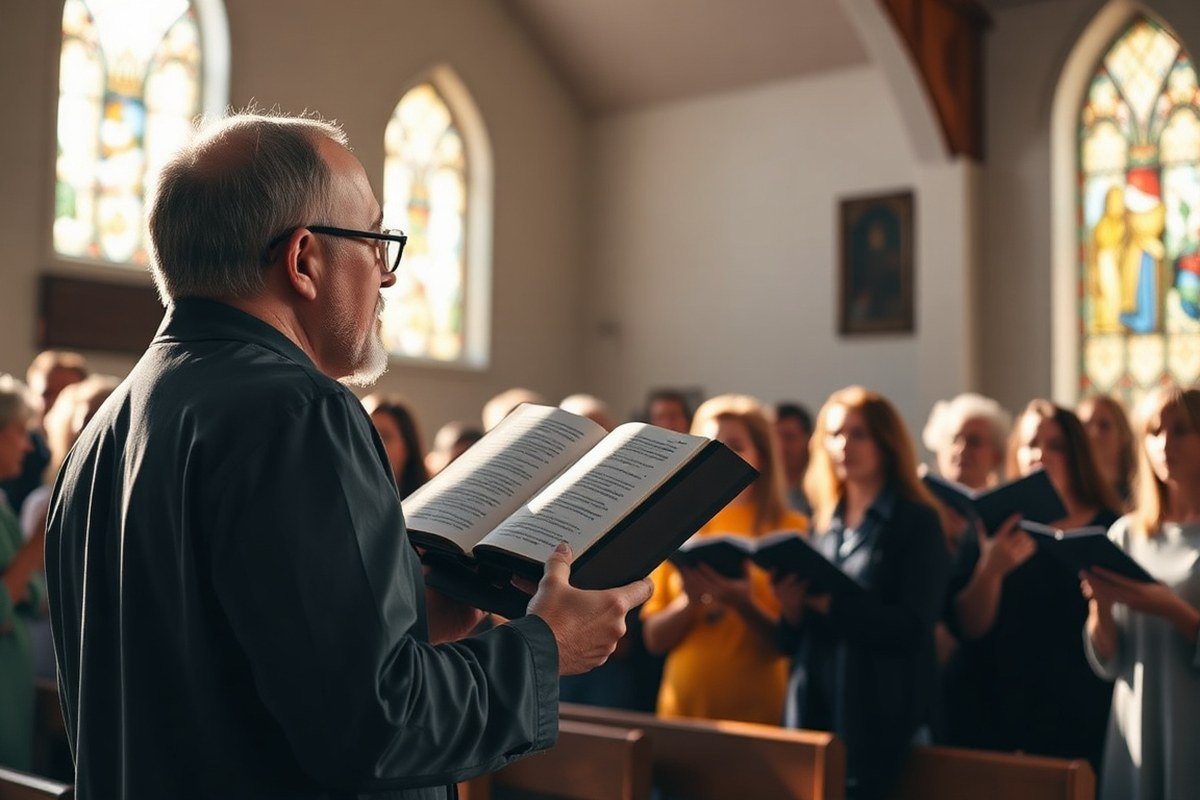
The hymn’s widespread use in worship settings offers a powerful way for believers to express awe and gratitude toward God. Traditionally sung with choirs, congregations, or soloists, it allows worshippers to participate actively in proclaiming God’s greatness. Many churches have incorporated it into special services, seasonal worship, or evangelistic events. To use it in worship effectively, lead the congregation in clear, heartfelt singing, often accompanied by piano or organ, and allow space for reflection on its deeply spiritual lyrics, encouraging worshippers to connect personally with its message.
Over time, “How Great Thou Art” has impacted culture as well, gaining new life through recordings by artists such as Elvis Presley, whose 1967 version won a Grammy. This cultural crossover helped the hymn transcend church walls, attracting people across generations who might not regularly attend worship. Contemporary worship bands and music ministries, like Bethel Music, have also adapted the hymn, offering fresh arrangements that resonate with younger audiences. Embracing these variations in worship can deepen personal faith by connecting traditional hymnody to modern expressions of praise.
Understanding the hymn’s history and spiritual significance can enrich personal worship. Recognizing how the words and melody have united diverse Christians in praise helps you appreciate the hymn beyond familiar tunes. Singing it aloud or reflecting on its lyrics during personal devotion fosters a deeper awareness of God’s majesty, reinforcing the message that worship involves both heartfelt gratitude and communal proclamation. This approach requires regular engagement with the hymn in worship services or private prayer, supporting an ongoing spiritual connection rooted in the church’s rich heritage.
How to Use and Teach the Meaning of ‘How Great Thou Art’ Effectively
Teaching “How Great Thou Art” effectively begins with creating space for personal reflection and group sharing. Encourage participants to consider what the imagery in the hymn’s verses means to them, especially focusing on God’s creation and sacrifice. Start with open-ended questions like, “What stands out to you in the description of God’s greatness?” or “How does the hymn’s portrayal of Christ’s sacrifice deepen your faith?” These prompts help participants connect the hymn’s message with their daily spiritual walk.
Address common myths by clarifying that the hymn is not just praise for nature’s beauty but a profound acknowledgment of God’s redemptive power. Sometimes people reduce it to a simple appreciation of creation, missing the Gospel core. Pointing this out prevents shallow interpretations and opens up richer conversations about God’s character.
To bring relevance for modern believers, relate the hymn to current challenges such as suffering or doubt. Ask, “How does remembering God’s greatness change your response to hard times?” This anchors the hymn in everyday experience and encourages trust despite circumstances.
A practical way to teach is to use a structured discussion template: begin with reading the hymn’s lyrics aloud, pause after each verse to share thoughts, then explore key theological themes. Conclude by inviting personal commitments inspired by the hymn. Leaders should prepare by studying background details, like Hine’s 1953 booklet “Russian Melodies and Hymns of Other Lands,” which includes the hymn’s version, to provide historical context that enriches understanding.
The time needed for effective teaching varies. A short 20-minute devotion might focus on one verse, while a full class session of 45 minutes could explore all verses in detail. Watch for disengagement if the discussion becomes too abstract or lengthy. Including singing or listening to different musical arrangements can renew interest and deepen emotional impact.
Your First Steps to Embracing the Meaning of ‘How Great Thou Art’
Engage deeply with the hymn’s message through focused listening, reflection, and sharing to enrich your worship experience.
- Day 1: Listen attentively to a recording of ‘How Great Thou Art’ and read the lyrics closely to connect with the words. You’ll know it worked when you notice phrases or themes that stand out emotionally or spiritually.
- Day 3: Choose one verse to study alongside corresponding Bible passages, like Psalm 145 or Romans 1:20, to understand the biblical foundation. This step’s success is realizing how scripture supports the hymn’s praise of God’s greatness.
- Week 1: Reflect on how the hymn’s themes of creation, redemption, and worship relate to your personal faith journey. You’ll sense progress when your reflections deepen your prayer time or devotional moments.
- Week 2: Share the hymn’s meaning with a small group or church setting, explaining why it resonates with your faith. Success here is measured by thoughtful discussion and questions that show others are engaged.
- Week 3: Use the hymn during your worship time, whether singing or meditating on the words. You’ll know it’s effective when it fosters a greater sense of awe and gratitude in your heart while worshiping.
- After 1 Month: Commit to memorizing at least one verse to meditate on regularly. Retaining the words confirms this step’s effectiveness in embedding the hymn’s message in your spiritual life.
Frequently Asked Questions
What Does ‘How Great Thou Art’ Say About God’s Holiness?
The hymn highlights God’s perfect holiness and righteousness, reminding you of His pure and just nature amid creation’s beauty. This deepens your worship by focusing on both God’s majesty and moral perfection.
How Does ‘How Great Thou Art’ Connect Creation to Personal Faith?
The hymn ties the vastness of nature with the intimate experience of salvation, blending awe for God’s works with heartfelt praise. It helps you appreciate God’s greatness in both the universe and your own life.
Why Did Stuart K. Hine Change the Hymn’s Title to ‘How Great Thou Art’?
Hine adapted the title in 1949 to better capture the hymn’s focus on God’s greatness in English-speaking worship. His translation took liberties to improve the emotional and spiritual impact for congregations.
What Role Does ‘How Great Thou Art’ Play in Modern Church Worship?
The hymn remains a powerful tool for praising God, often used to teach believers gratitude and reverence. It aligns with scripture like Colossians 3:16, encouraging worship through songs with deep spiritual meaning.
How Has ‘How Great Thou Art’ Evolved Since Its Original Swedish Version?
Originating as Carl Boberg’s 1885 poem, it gained new layers through Stuart Hine’s English adaptation and recent versions like ‘Until That Day’ in 2024. These changes keep the hymn relevant and inspiring for new generations.
Before You Go
The core meaning of ‘How Great Thou Art’ invites you to recognize God’s majesty through creation and salvation, inspiring heartfelt worship. Deepening your study of its lyrics and biblical roots can transform your praise into a richer, more personal experience. Start by focusing on one verse this week and let that line guide your prayers and reflections.