
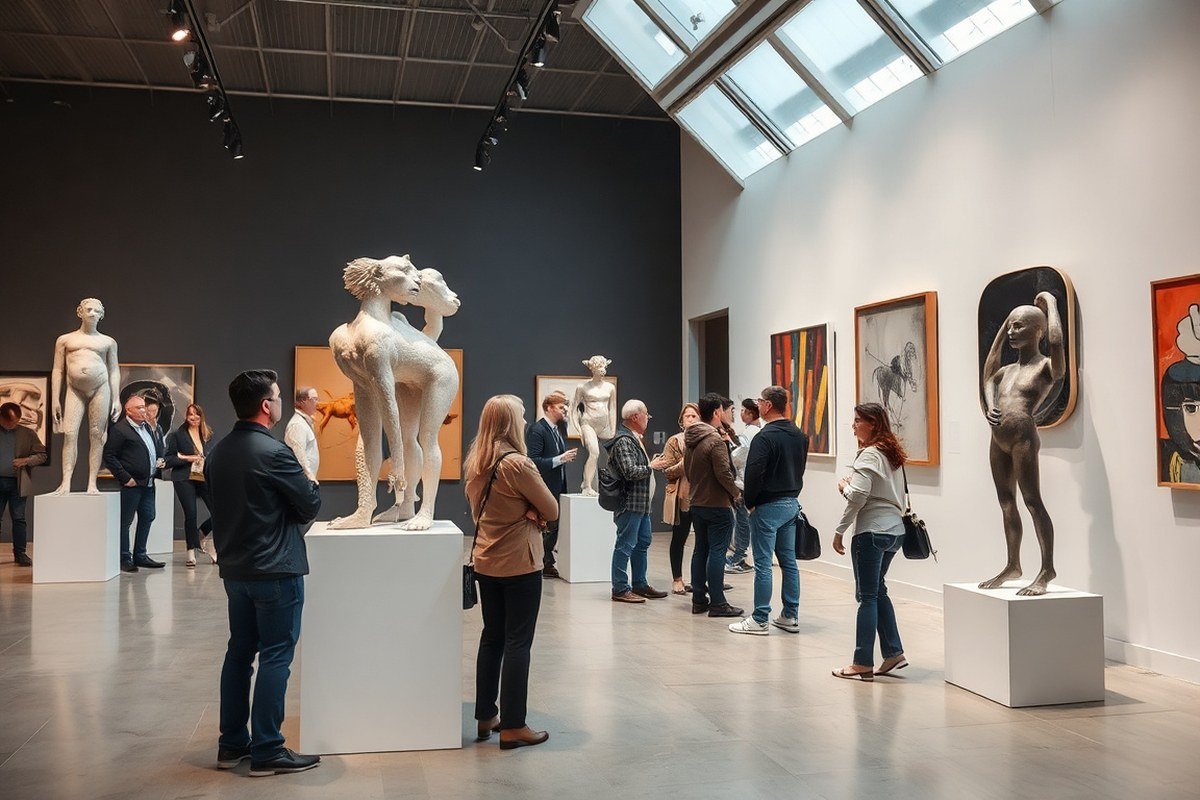
Why Is Modern Art so Bad? A Clear Guide to Understanding and Appreciating It
Why is modern art so bad? Many people think modern art lacks skill or meaning because it challenges traditional ideas of beauty and technique. Understanding its historical context and purpose helps reveal its value beyond the surface. Start by recognizing that not all modern art is abstract or meaningless; its impact often lies in ideas, not just visuals.
Key Takeaways
- Modern art generally covers works made between the 1860s and 1970s, distinct from contemporary art created from the 1970s onward.
- Many criticisms confuse modern art with contemporary pieces, which often push boundaries further and are easier to misunderstand.
- High art market prices don’t always reflect genuine artistic merit but can affect how the public perceives modern art’s value.
- Abstract style dominates much of modern art, but not all pieces are abstract; some focus on emotion or commentary instead.
- Skill in modern art isn’t always about realistic representation but can involve concept creation and innovation.
- Disliking a modern artwork doesn’t mean you’re wrong; personal emotional response is a valid reaction to art.
Why Do Many People Think Modern Art Is Bad?

Many people find modern art unattractive or meaningless because it often breaks away from traditional, realistic styles that most are used to seeing. Modern art can be abstract or conceptual, focusing more on ideas and emotions rather than clear, representational images. This shift can feel confusing or frustrating, especially if you expect art to look like something familiar or tell a straightforward story.
The abstract and conceptual nature of modern art means you might encounter shapes, colors, or arrangements that don’t resemble anything specific. This approach encourages you to interpret the work personally, which can be challenging without guidance or background knowledge. The art often asks you to think differently about what art can be, rather than just appreciate it visually. Because of this, modern art sometimes seems disconnected from everyday experience, leading many viewers to dismiss it as “bad” or pointless.
Cultural shifts also play a role in this perception. As modern art broke with tradition, it questioned established rules about beauty, skill, and the purpose of art. Some people see this as a loss of what made art “good” in the past. Generational differences mean younger audiences may connect more with these changes, while others remain tied to older ideas about art’s role. This gap widens misunderstandings and amplifies negative opinions.
How to approach modern art involves setting aside expectations shaped by classical art. Try to focus on the concept or feeling the artist expresses, rather than searching for a realistic image. Learning a bit about the movement or context behind a work can help, too, turning confusion into curiosity. Engaging with modern art this way can make it less frustrating and reveal new ways to enjoy creativity.
How to Distinguish Modern Art from Contemporary Art
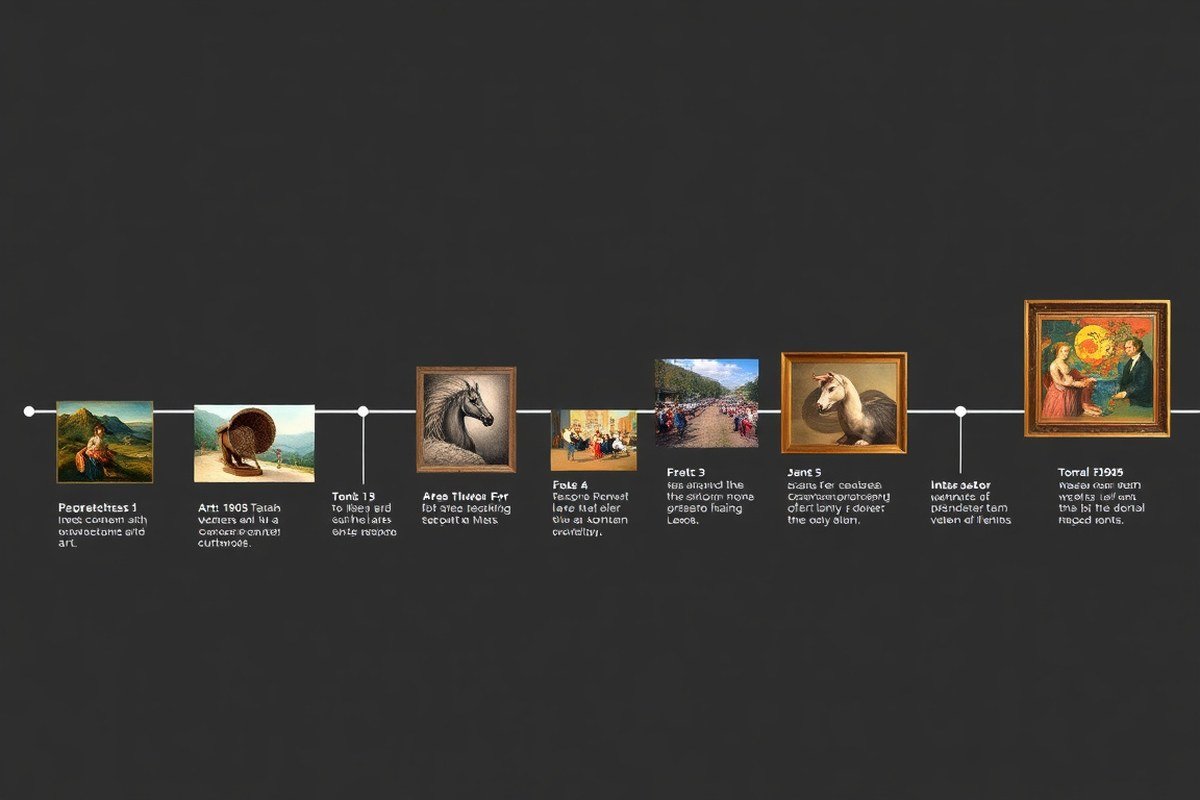
The term Modern art describes creative works from about the 1860s to the 1970s, including styles like Impressionism, Cubism, Surrealism, and Abstract Expressionism. These styles broke from traditional methods and themes but kept a strong focus on new forms and emotional depth. On the other hand, Contemporary art includes art made since the 1970s, featuring varied styles, media, and ideas that often address today’s social, political, and technological topics.
The two terms are often confused because they both describe art that breaks from classical forms, but their timelines and characteristics differ significantly. Modern art typically explores experimenting with new ways of seeing and representing the world, while contemporary art engages more with identity, global culture, and digital mediums. Knowing the difference helps clarify discussions and critiques, especially when viewers complain about modern art’s perceived lack of skill or meaning.
For example, a painting by Pablo Picasso from 1937 falls under modern art, emphasizing form and abstraction. Meanwhile, a 2010 installation using video projection and mixed media belongs to contemporary art, focusing on interaction and context. Distinguishing between the two means checking the creation date and stylistic traits. Modern art often uses oil on canvas and conventional gallery spaces, while contemporary works might appear in multimedia forms and unconventional venues.
Confusing these categories can lead to misunderstanding. Labeling all unfamiliar art as “modern” lumps different eras and intentions together, affecting how people perceive skill, creativity, and cultural value. Being precise lets you evaluate artworks on their own terms, following their historical context and artistic aims rather than broad stereotypes or emotional reactions.
The Influence of the Art Market and Social Status on Modern Art’s Reputation
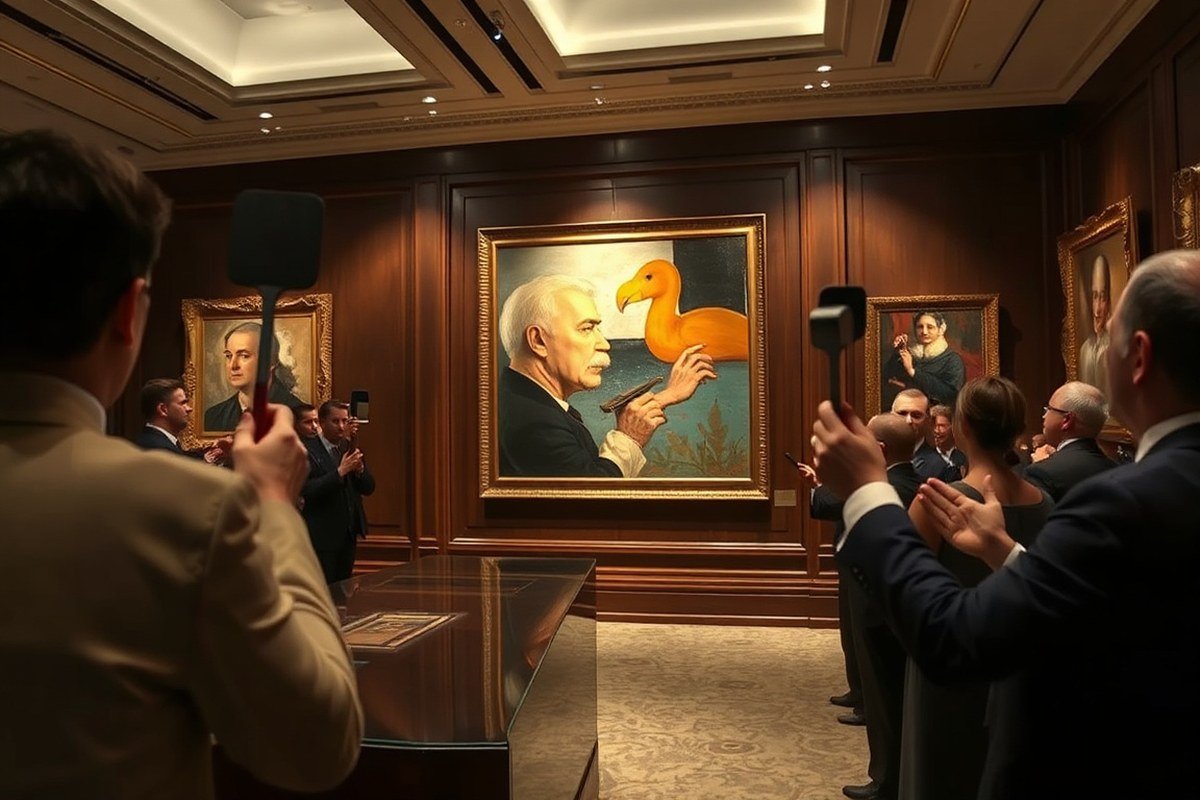
The commercial art market heavily influences how modern art is valued and perceived by the public. Artwork that might appear simple or controversial to most people can sell for millions. This often happens because those pieces function as Status symbols among collectors and investors rather than being appreciated solely for their artistic merit. Wealthy buyers may view art as a commodity, an asset that can increase in value or signal their elite social standing.
This market dynamic shifts the focus from traditional qualities like beauty or emotional depth to factors like rarity, artist reputation, and current trends. As a result, the Market value of a piece doesn’t necessarily correlate with how skillful or meaningful it is. Much modern art prioritizes commercial appeal, leaving some works feeling detached or bland to general audiences. This can alienate people who expect art to convey clear emotion or technical skill.
Different situations affect how art is valued. Contemporary works from highly recognized artists typically fetch higher prices, while newer or less famous creators may struggle to gain market traction despite quality. Understanding this commercial aspect helps explain why some simple modern artworks sell for millions, the buyers pay as much for the social cachet as for the art itself.
| Aspect | Commercial Art Market | Artistic Merit |
|---|---|---|
| Value Determinant | Rarity, artist reputation, investor interest | Technical skill, emotional expression, originality |
| Main Purpose | Asset, status symbol | Communication, cultural reflection |
| Impact on Public Opinion | High prices can cause skepticism, feelings of elitism | Can foster deeper appreciation and connection |
Recognizing the art market’s role in shaping opinion shows why modern art’s reputation can divide people. It stresses how economic and social factors often overshadow the aesthetic or emotional qualities that paint a fuller picture of modern art’s value.
Common Misconceptions About Skill and Meaning in Modern Art
Modern art is often criticized for lacking technical skill, but this is a misconception tied to how art is defined. Classical artists, trained for years in realism and fine detail, focused on replicating visual accuracy. Modern art, however, values abstract ideas and subjective expression over these traditional skills. This shift doesn’t mean modern art is easier to make; it requires different talents, like mastering new media, conceptual coherence, or innovative techniques.
Critics frequently dismiss modern art as “just scribbles” or claim “I could have done that,” misunderstanding its purpose. For example, Jackson Pollock’s drip paintings might look spontaneous, but they demand precise control of speed, rhythm, and paint consistency, a complex skill. Marcel Duchamp’s ready-mades challenge the idea of craftsmanship by emphasizing concept, forcing viewers to reconsider what counts as art.
Conceptual and abstract works convey meaning without traditional representation. Instead of focusing on visual clarity, they use symbolism, context, or interaction to communicate. For example, a piece might use harsh industrial materials or unexpected objects to evoke emotions or social critiques. This requires viewers to engage actively rather than passively appreciate beauty.
Modern artists combine various skills and innovations. These include using technology, mixed media, performance, and immersive installations. Such work demands understanding multiple disciplines, coordinating complex setups, or manipulating digital tools, skills far removed from classic brushwork. While some works may resemble simplicity, the underlying intention and methodology can be highly sophisticated, which is why understanding the concept behind the art improve appreciation.
Strategies to Better Understand and Appreciate Challenging Modern Art
Understanding challenging modern art takes patience and a clear approach. Start by learning about the specific Art movement behind the work, such as abstract expressionism or conceptual art. Knowing the artist’s influences and goals helps you grasp why the piece looks or feels the way it does. This background gives context to artworks that don’t follow traditional rules of beauty or skill.
When facing an abstract or conceptual piece, focus less on what the art looks like and more on what ideas or feelings it might communicate. Ask yourself questions like: “What does this artwork make me think or feel?” and “What might the artist be trying to say?” This shifts your attention from just visual appeal to the work’s deeper meaning. Here is a practical checklist to guide your visit to a modern art exhibition or gallery:
- Read the artist’s statement or exhibition notes for context.
- Note your initial emotional or intellectual response.
- Identify key elements: shapes, colors, composition.
- Ask yourself questions: What concept could this represent? Why here? Why now?
- Consider the historical or cultural background of the piece.
- Discuss the art with others or read critical reviews.
- Allow your interpretation to evolve over multiple viewings.
Using this step-by-step method takes time and an open mind, but it makes the viewing richer and less frustrating. Avoid rushing; spending 10 to 15 minutes on a single piece can reveal insights missed at a glance. In some cases, learning about the artist’s intentions or the era’s context can increase appreciation, even if the style doesn’t personally appeal to you. Engaging actively helps you move beyond “My kid could do that” and see the work’s role within a larger artistic conversation.
Step-by-Step Action Plan to Appreciate Modern Art
Start engaging with modern art by breaking it down into manageable steps that build your understanding and connection to it. Use this plan to develop your own meaningful responses to works that challenge you.
- Day 1: Visit a local modern art museum or gallery. Spend at least 30 minutes observing without distractions. Notice your initial feelings and thoughts about what you see.
- Week 1: Pick one piece that puzzles you. Research its artist and the context in which it was made. Check if your view changes after learning its background, signaling deeper insight.
- Week 2: Attend a guided tour or talk if available. Listening to an expert’s perspective can reveal layers of meaning you missed. Confirm learning by discussing the art with someone else.
- Week 3: Try sketching or writing a few sentences about a modern artwork. This active engagement helps you connect personally and test how much you understand or feel about it.
- Month 1: Contrast the modern pieces with traditional art you know well. Identify differences and similarities in technique, intent, and impact.
- Month 2: Explore contemporary artists who were influenced by modern art but have distinct styles. Notice how ideas evolve over time. Track your changing appreciation.
- Ongoing: Follow art news or blogs to see how current trends and critiques shape opinions. Understanding these discussions helps you form your own well-informed views.
Frequently Asked Questions
Why Do Some Argue Modern Art Lacks Clear Visual Appeal?
Some think modern art lacks visual appeal because it often avoids traditional beauty and familiar forms. This approach challenges viewers to find meaning beyond what is immediately obvious, which can feel off-putting if you expect clear representation.
Can Modern Art Be Considered Valuable Despite Criticism?
Modern art can be valuable because it promotes new ideas and conversations, even if it’s not conventionally beautiful. Its worth often lies in the concepts it explores and the emotions it provokes, not just in aesthetics.
Is the Controversy Around Modern Art a Sign of Its Success or Failure?
Controversy can indicate success in modern art since the work provokes thought and dialogue. Art that challenges norms often sparks debate, which is part of its purpose, even if it divides opinions.
Do All Modern Artists Reject Traditional Techniques?
Not all modern artists reject traditional techniques; some blend old and new methods to create innovative works. Skillful use of techniques varies widely in modern art, so technique alone doesn’t define it.
How Do Social Class and Market Trends Affect Modern Art’s Reputation?
Social class and market trends influence modern art by making some works symbols of wealth rather than creativity. This can make the art seem inaccessible or elitist, reinforcing negative perceptions.
Before You Go
Modern art often faces criticism because it challenges traditional ideas about skill and meaning. By spending time learning about its context and purpose, you’ll find it can offer more than it first seems. Pick one modern artwork that intrigues or confuses you this week, and commit to exploring it more deeply. Your understanding and appreciation will grow as you engage beyond the surface.