What Is Splash Art? A Complete Guide to Its Role and Creation
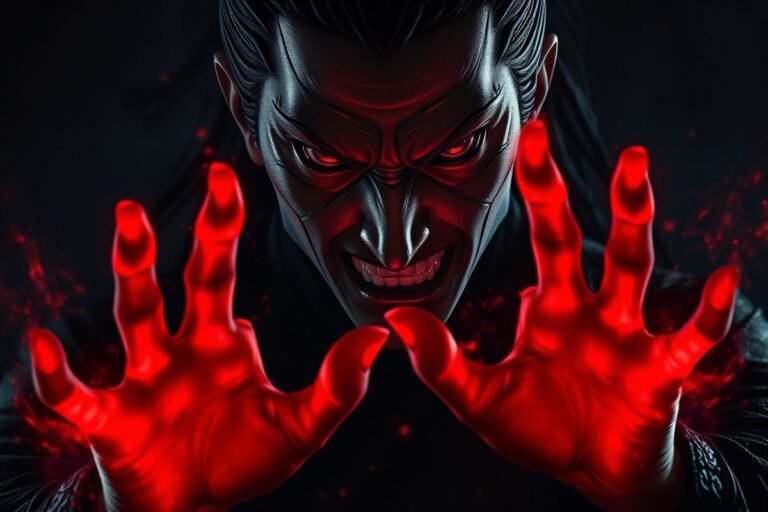
What is splash art? It’s the high-quality digital illustration that showcases game characters or scenes, usually seen on loading or title screens. Splash art captures a game’s mood and personality instantly, making it an essential visual element for player engagement. Start by studying dynamic digital paintings to understand how powerful imagery can draw players in before gameplay begins.
Key Takeaways
- Splash art helps players quickly grasp a game’s character traits and story through vivid, detailed visuals.
- Many popular games use splash art to build brand identity and hype before a player even starts the game.
- Studying splash art from games like League of Legends reveals how character abilities and personality are visually communicated.
- Effective splash art combines high detail with dynamic composition to maintain visual interest during loading screens.
- Creating splash art requires strong digital painting skills tailored for both static display and interactive game environments.
- Good splash art can influence player decisions; studies show 85% of players consider visuals before trying a game.
What Is Splash Art and Why Is It Important in Games?
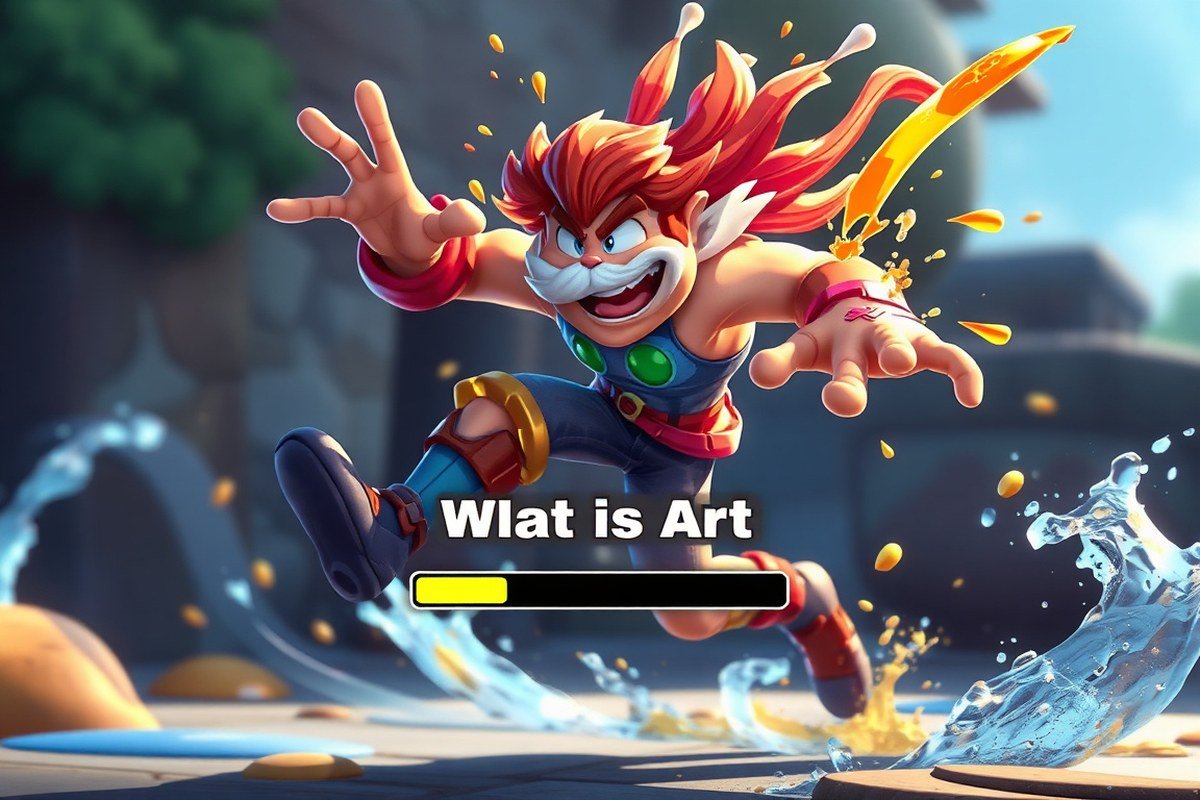
Splash art consists of vibrant, high-detail digital illustrations featured in video games, usually appearing on loading screens, title menus, or promotional materials. The name comes from the idea of a “splash” of color and visual impact, designed to immediately grab the player’s attention and set the mood before gameplay begins. These images often showcase key characters, dramatic scenes, or important moments from the game.
The practice of using splash art in games started as a way to make loading screens more appealing and to communicate the game’s aesthetic and story elements quickly. A well-crafted splash illustration serves as a visual teaser, drawing players into the game world and building excitement. This function is similar to movie posters, where bold imagery hints at the tone and adventure awaiting the audience.
One major purpose of splash art is to improve the player experience through emotional storytelling. The vivid colors, detailed character poses, and dynamic compositions create a strong first impression. Studies show that about 85% of players choose which games to try based on visual appeal, which highlights splash art’s role beyond pure decoration, it can influence player engagement and retention.
Besides its impact in-game, splash art is a critical tool for game marketing. Titles like League of Legends use splash illustrations extensively to build brand recognition and attract new players by showcasing the game’s unique style and characters. Creating effective splash art takes skill in digital painting and often involves using reference photos and layered techniques to produce high-quality results that resonate with fans.
How Splash Art Shapes the Player Experience and Game Marketing
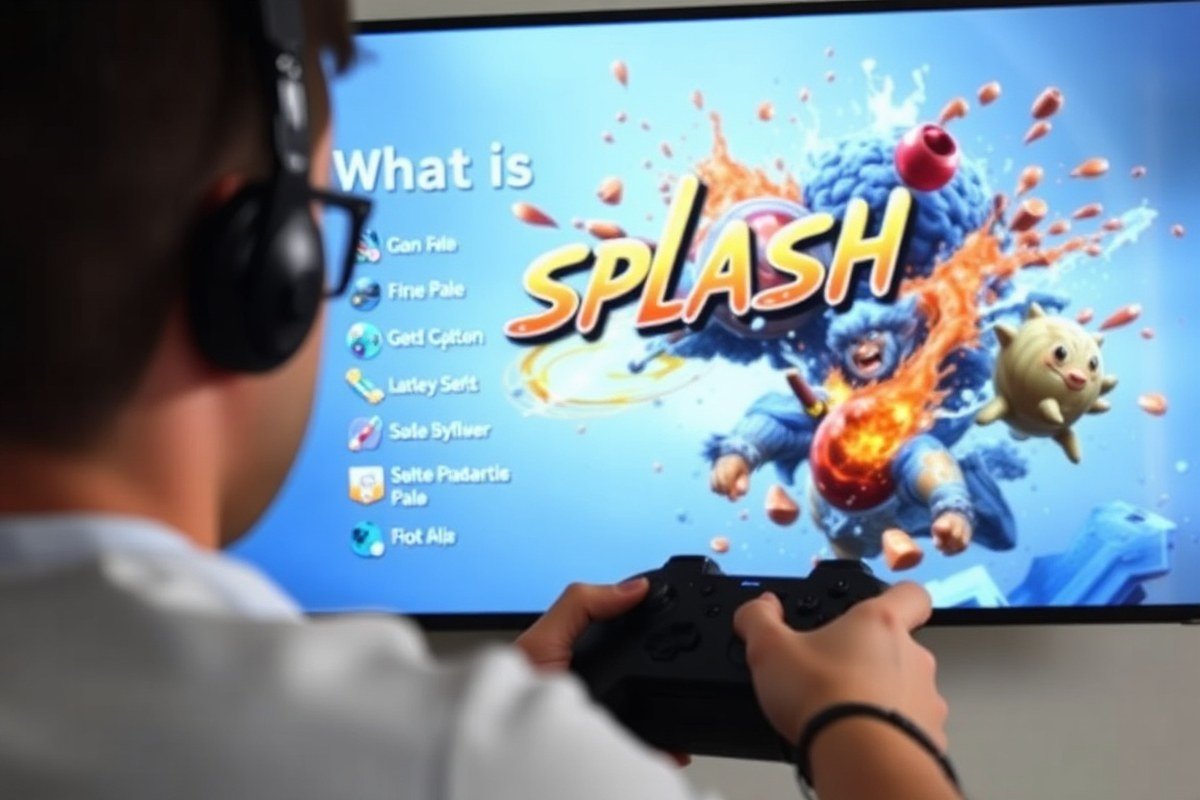
Splash art plays a powerful role in shaping player engagement by creating a strong first impression. It often appears on loading screens, menus, and promotional materials, immediately grabbing attention with vibrant colors and dynamic character poses. This high-quality digital illustration connects players emotionally, sparking curiosity about the game world before any gameplay begins. The use of balanced composition and color harmony draws players deeper into the story, making the experience feel immersive and memorable.
In game marketing, splash art acts like a movie poster, providing a visual summary of a game’s spirit and characters. Games like League of Legends commission multiple artists to create unique splash art for each character, showcasing their personality and abilities. This personalized showcase not only entices existing fans but also attracts new players by highlighting what makes the game visually and thematically interesting. Effective splash art distills excitement and tone into a single image that boosts audience interest.
Evaluating if splash art is successful depends on several factors. First, it needs to capture the essence of the game or character it represents, conveying narrative and emotion in a single frame. It should stand out visually while maintaining clarity and cohesion with the game’s overall style. Splash art that generates player anticipation and improve brand recognition usually scores high on engagement metrics such as social shares and player feedback. Poorly executed splash art, like rushed or incomplete pieces, can weaken first impressions and reduce player enthusiasm.
Key Artistic Elements and Digital Tools Used to Create Splash Art
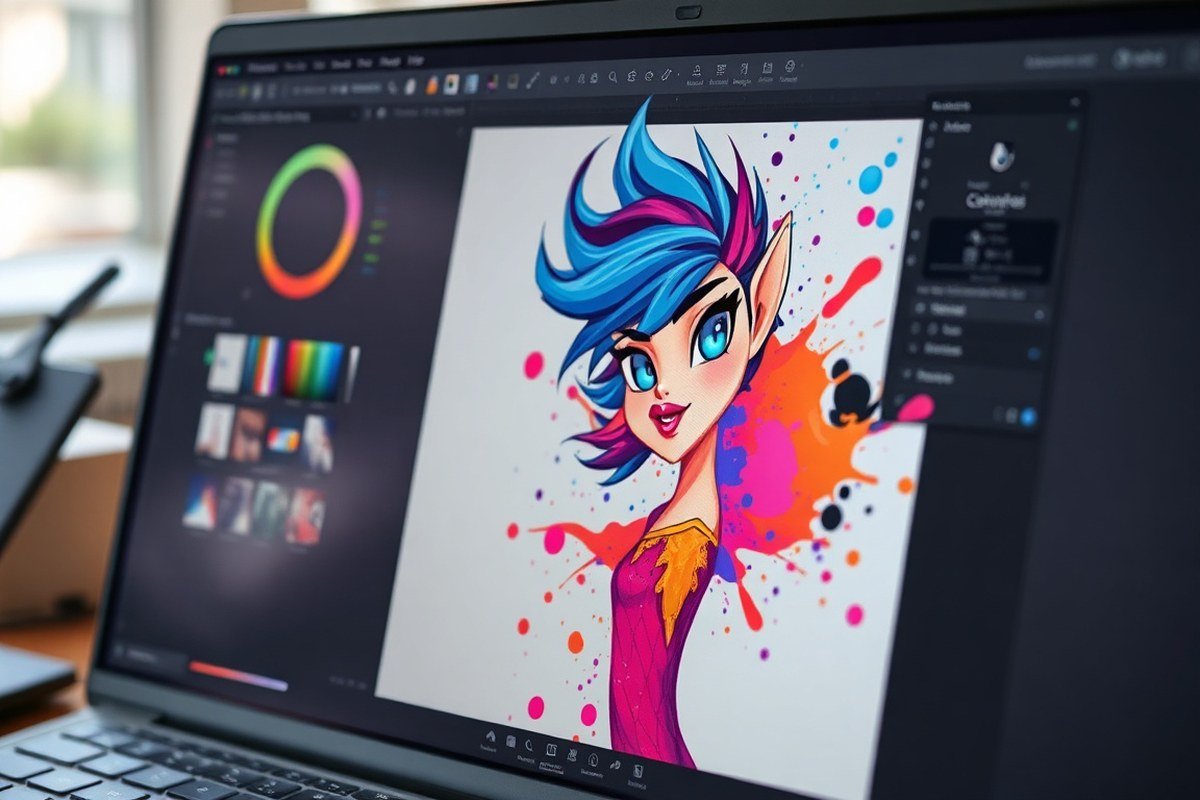
Effective splash art combines Strong artistic fundamentals such as line, shape, color, light, values, composition, and perspective. A key goal is emphasizing the character’s pose and personality using dynamic angles and balanced visual weight, often employing the Rule of thirds to place focal points strategically. Color theory plays a major role to evoke mood and draw attention, using harmonic palettes with contrasting highlights and shadows for depth. Lighting effects highlight key features, create atmosphere, and reinforce the narrative behind the character or game.
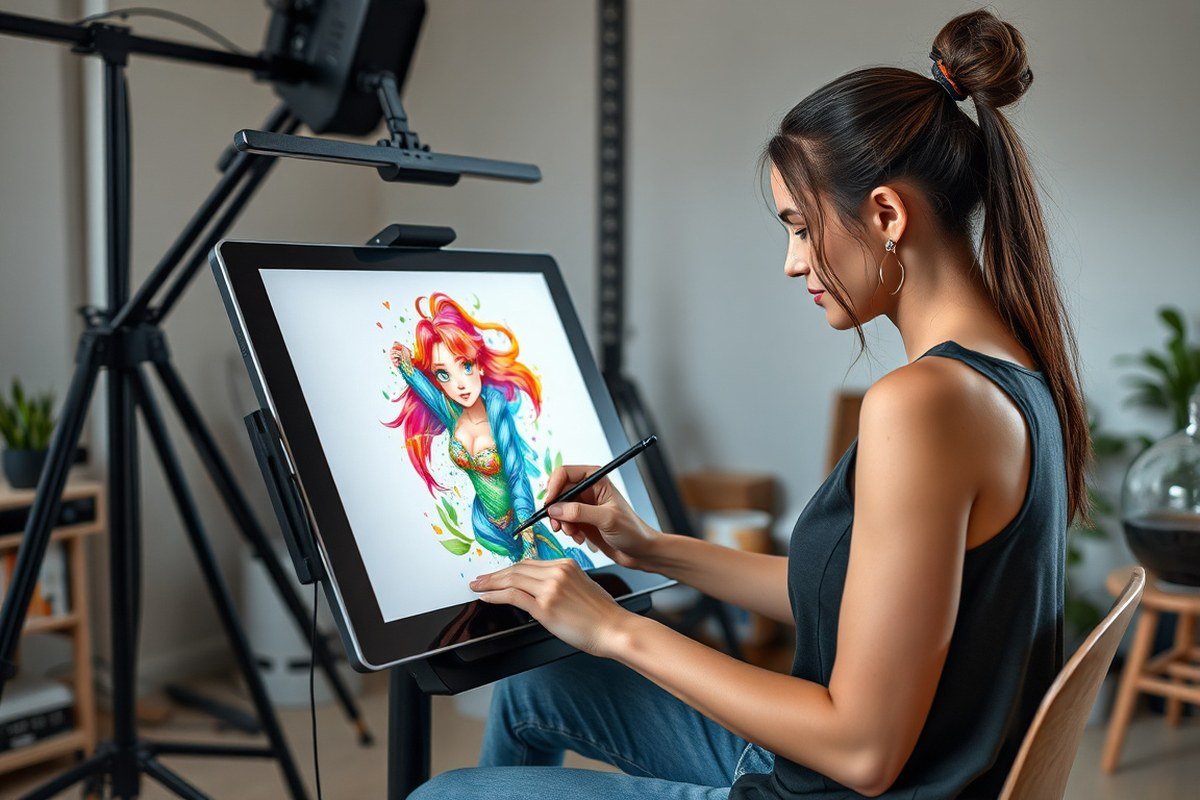
Creating splash art digitally often begins with a rough sketch, either on paper or directly in a drawing program. Artists refine the sketch into clean line art, then build up layers of color and shading with brushes that simulate traditional media. Digital tools allow flexible adjustments of composition and color across multiple layers, plus effects like glow or texture to match the desired style. This process offers strong control over detail and finish quality while speeding up revisions.
A range of software suits splash art creation, each with pros and cons. Adobe Photoshop is the industry standard for professional digital paintings, offering extensive brush customization but costs around $20 per month. Free programs like Krita and GIMP provide powerful painting tools and layering options, ideal for beginners or those on a budget. Other popular apps include Clip Studio Paint, praised for its intuitive interface for linework and coloring, and Procreate, favored on iPads for portability and responsiveness. Selection depends on your workflow preferences, hardware, and budget.
Splash art styles vary with game genres, from realistic sci-fi character portraits to stylized fantasy figures or bold, exaggerated designs in fighting games. The core principles remain, but the use of color, detail level, and mood shift to serve the game’s tone and audience. Understanding how to adapt your approach to different genres keeps the artwork fresh and relevant.
| Software | Cost | Strengths | Best For |
|---|---|---|---|
| Adobe Photoshop | $20+/month | Extensive brush options, industry standard | Professional splash art, detailed painting |
| Krita | Free | Open source, strong painting tools | Beginners, budget-conscious artists |
| GIMP | Free | General editing and digital painting | Simple splash art, multi-purpose use |
| Clip Studio Paint | $50 one-time or subscription | Great linework and coloring tools | Character art, comics, digital painting |
| Procreate | $10 one-time (iPad) | Touch interface, responsive brushes | Mobile artists, quick sketches and paints |
Typical Workflow and Timeframe for Producing High-Quality Splash Art
Creating High-quality splash art typically takes between one to two weeks, depending on the project’s complexity and the artist’s experience. The process begins with a clear concept, often provided by art directors or game designers. Next, the artist sketches rough drafts to explore composition and pose before moving on to detailed linework.
The stages usually include blocking in colors and lighting to establish mood and focus. Following this, the artist refines textures, shading, and intricate details to bring characters and environments to life. Finally, polishing and color corrections ensure the art aligns with the game’s visual style and marketing goals.
- Receive and analyze the concept brief from the team
- Create multiple rough sketches for composition approval
- Develop the finalized sketch with detailed linework
- Block in base colors and define primary light sources
- Add depth through shading, textures, and effects
- Polish details and adjust colors for consistency
- Submit for review; incorporate feedback and finalize
Common challenges include maintaining visual clarity while avoiding overcrowded elements and ensuring the lighting improve the focal point. Rushing through initial sketches often leads to composition issues that are hard to fix later. Investing time in well-planned thumbnails can prevent extensive revisions. Also, regularly consulting with the team during the process reduces miscommunication and last-minute changes.
Career Path and Earnings of a Splash Artist in the Gaming Industry
To become a splash artist in the gaming industry, you need strong skills in digital illustration, anatomy, color theory, and composition. Mastering software like Adobe Photoshop, Procreate, and Clip Studio Paint is essential since most splash art is created digitally. Understanding mood setting and storytelling through visuals helps your work stand out. Experience with character design and environmental elements also boosts your ability to create captivating splash art that draws players in.
Splash artists typically work within game studios as part of the art team, collaborating with concept artists, art directors, and marketing specialists. They focus on producing striking images that introduce characters or levels and set the game’s tone. Internships or junior roles at studios provide a practical way to start and build a portfolio that demonstrates your skills and style. Networking with other digital artists and participating in game art communities also opens doors.
Salary ranges vary widely based on experience, studio size, and location. Junior artists might earn $40,000 to $60,000 annually, while experienced splash artists at AAA studios can make between $70,000 and $110,000 or more. Indie developers may offer lower pay but sometimes more creative freedom or freelance opportunities. Freelancers might charge $300 to $1,500 per piece depending on complexity and deadline.
Key career tips include building a targeted portfolio focusing on splash art style and themes, continuously updating your technical skills with the latest tools, and staying informed about shifts in visual trends such as increased use of dynamic lighting or cinematic angles. Remaining adaptable to new styles and software can increase your job prospects and help your art feel fresh and relevant in a fast-evolving industry.
Your First Steps to Creating Impactful Splash Art
Follow this clear plan to start producing splash art that captures attention and improve game storytelling.
- Before you start: Study splash art examples from popular games to understand styles and common themes. You’ll know you’re ready when you can identify key elements like character focus, color palettes, and dynamic poses.
- Day 1: Sketch several rough concepts based on your game character or scene. Choose the one that best fits the game’s story and vibe, confirmed by feedback from peers or teammates.
- Week 1: Refine your chosen sketch into a detailed line drawing while keeping dynamic composition in mind. Progress is clear when you have a clean and proportionally accurate draft.
- Week 2: Block in base colors and lighting to establish mood. You’ll see improvement once the art starts conveying the intended emotion and atmosphere.
- Week 3: Add shading, details, and effects like glow or particle elements digitally. Success means the splash art feels visually rich and matches the game’s aesthetic.
- Week 4: Review and polish, addressing feedback from other artists or designers. The art is ready when all elements are cohesive and the image looks professional at full size.
- After 1 month: Submit your splash art to the marketing or game design team for final approval. Acceptance means you’ve created art that supports both the player’s experience and the game’s branding.
Frequently Asked Questions
Why Is Splash Art Important for a Game’s Success?
Splash art grabs players’ attention and can influence 85% of their decision to try a game by showcasing characters and key moments vividly. Good splash art sets the game’s tone and builds excitement before playing.
How Does Splash Art Differ from Other Game Artwork?
Splash art is a high-quality, dynamic illustration designed for loading screens and menus, unlike other art that may be static or background-focused. It highlights characters or scenes in detail to create a strong first impression.
Can Splash Art Affect a Player’s Perception of a Game?
Yes, splash art shapes how players view characters and the game world by showing personality and story elements. Games like League of Legends use splash art to build reputation and deepen player connection.
What Challenges Do Splash Artists Face When Creating Their Work?
Artists must balance high detail with fast creation times to meet production schedules and capture game energy. They also adapt artwork for interactive environments rather than static displays.
Are Splash Art Styles Different Across Game Genres?
Yes, styles vary to fit the game’s theme: fantasy games use dramatic, detailed art while casual games prefer simpler, colorful designs. This ensures the splash art matches the player’s expectations for the game.
Key Points to Remember
Splash art plays a key role in making game characters and stories stand out, bridging visual appeal with player engagement. To develop your splash art skills, start by creating concept sketches and studying existing art from games you enjoy. Building a portfolio this way puts you on track for both artistic growth and potential opportunities in game art careers.