What Is Sequential Art: A Complete Guide to Visual Storytelling
Sequential art tells a story through a planned series of images. These images, sometimes paired with words, show how a story develops step by step. Using basic panels and smooth shifts between scenes helps keep your audience interested and focused on the plot.
Key Takeaways
- The term “sequential art” was coined by Will Eisner in 1985 to describe storytelling through ordered images.
- Sequential art can range from ancient examples like cave paintings to modern graphic novels and comics.
- Combining images with text helps people understand and remember stories faster and more effectively.
- Historical works such as Trajan’s Column demonstrate early use of sequential images to tell stories visually.
- Panels and transitions are key elements that structure the flow and pacing of sequential stories.
- Sequential art evolved alongside other visual media like photography, film, and animation during the 19th and 20th centuries.
What Is Sequential Art and How Does It Tell Stories?
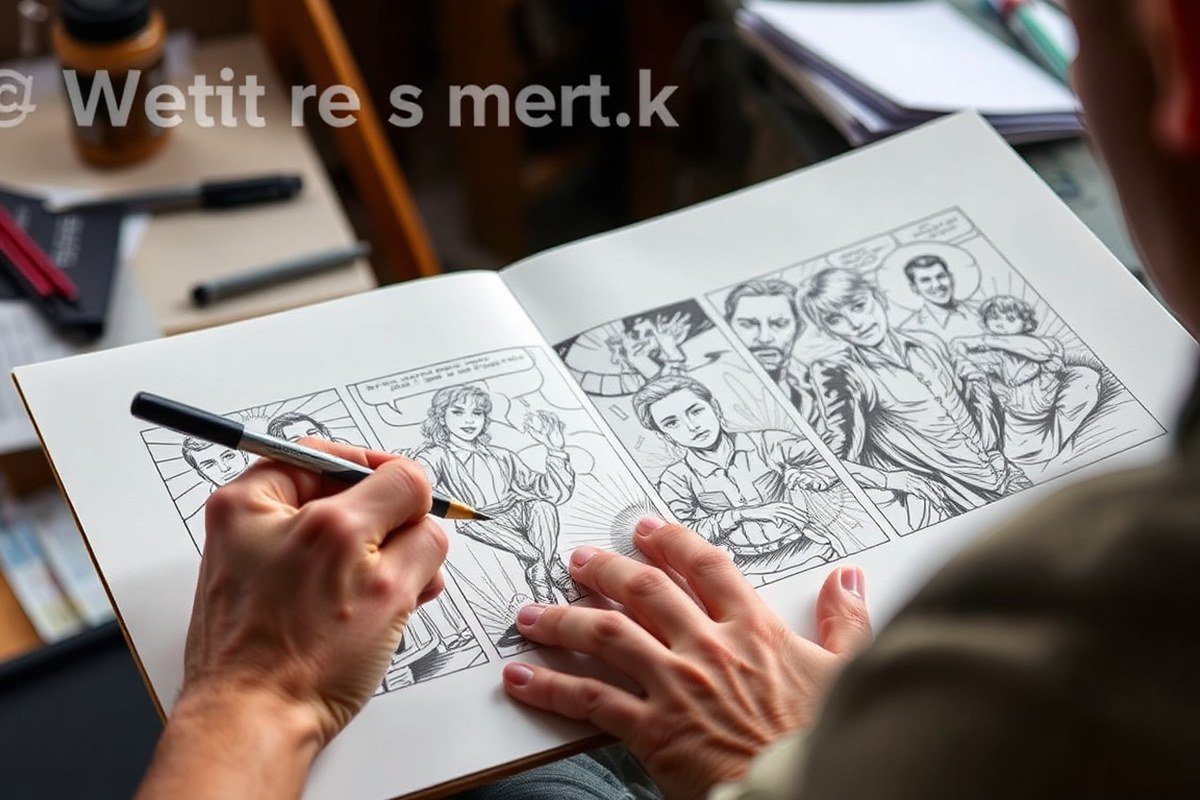
Sequential art tells stories through a series of pictures arranged in a deliberate order. Unlike single artworks, it relies on moving from one image to the next to reveal shifts in time, feelings, or events. Each panel serves as a step in the narrative, leading you through the plot visually. This approach often pairs images with text like speech or captions to add extra meaning and explain parts the pictures alone can’t fully show.
Sequential art differs from other art forms like single illustrations or paintings because it emphasizes the connection between images rather than just the images themselves. This progression creates a rhythm and flow, allowing you to follow events and character developments visually and textually. This interaction between text and pictures is essential to deliver a message or narrative clearly. For example, a sequence of images showing a character walking through a room, paired with a caption about their thoughts, conveys both movement and internal experience in a way text or image alone could not achieve.
The phrase Sequential art covers more than just comics. Comics are a subset of sequential art that usually include panels, speech bubbles, and appear in formats like graphic novels or newspaper strips. Other types of sequential art include storyboards for movies, which arrange images to plan scenes and motion. While comics mix images and words to tell a story, sequential art refers to any storytelling method that relies on images shown in a particular order, whether or not text is involved.
Creating effective sequential art requires careful ordering of images to ensure clarity and emotional impact. Each panel must connect logically to the next, guiding you through time and action. When done well, this builds immersion and understanding. Without clear sequencing or if images are too ambiguous, the story can become confusing. Mastering this balance takes practice and attention to how images and text work together to tell a unified story.
The History and Evolution of Sequential Art Across Cultures
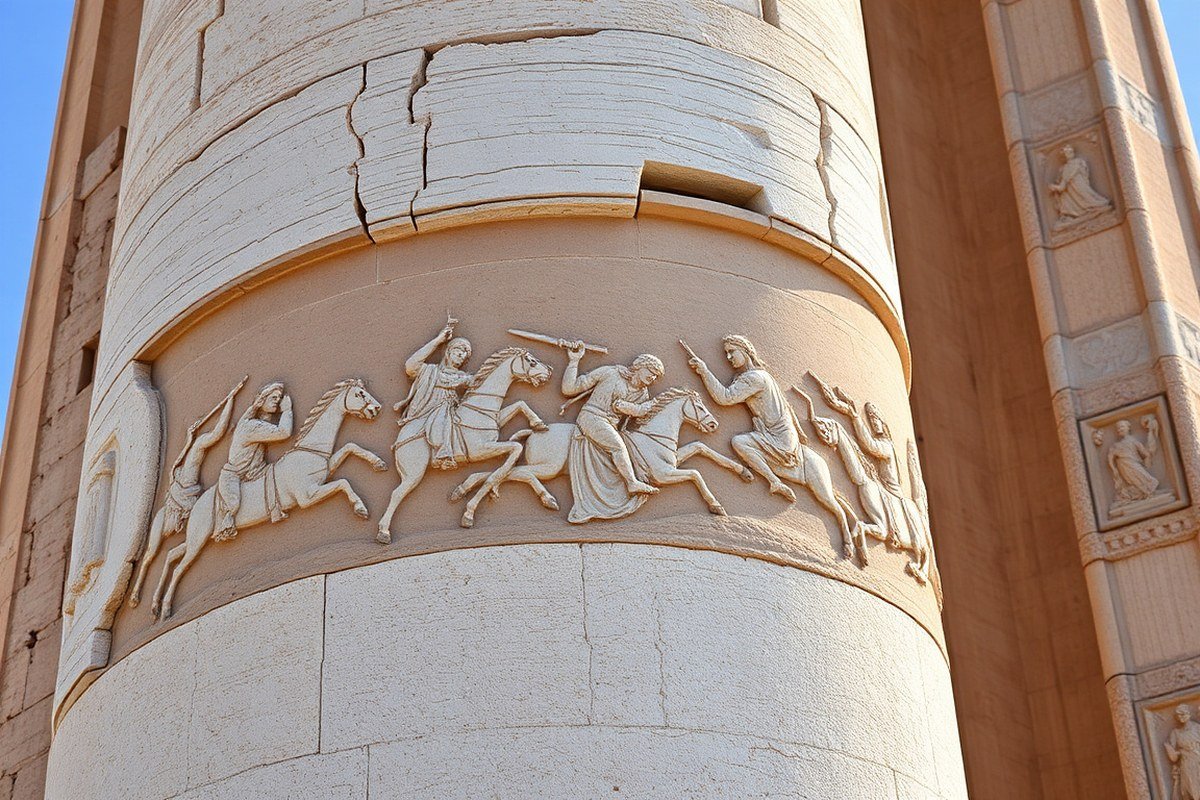
Sequential art is a visual storytelling method with roots stretching back several millennia. Comics artist Will Eisner introduced the phrase in 1985, defining it clearly in his book Comics and Sequential Art. He explained sequential art as images organized in sequence to communicate a story or information.
Historical examples include ancient Mesopotamian reliefs and Egyptian murals that depict narratives through consecutive images. Also, several pre-Columbian codices from Mayan and Mixtec cultures serve as clear instances of sequential storytelling through artwork. These early forms laid the foundation for later developments in comics and graphic novels.
The evolution of sequential art spans from ancient wall paintings to the modern graphic novel. In the early 20th century, traditional comic strips like Charles Schulz’s Peanuts and superhero comics such as Batman became popular. They use sequential panels to show character development and plot progression. The late 20th and early 21st centuries brought graphic novels like Art Spiegelman’s Maus and Marjane Satrapi’s Persepolis. These works demonstrate deeper themes and complex storytelling through sequential images.
Beyond books and comics, sequential art appears in storyboards for film and animation, where visual sequences map out timing and action. This use of sequential imagery contributes to planning narratives that rely heavily on pacing and emotional impact. Each step forward in the history of sequential art reflects more sophisticated ways to combine text and images, improving how stories are shared and understood. Below is a simple timeline comparing key milestones:
| Period | Example | Significance |
|---|---|---|
| Ancient (3000 BCE – 1000 CE) | Mesopotamian reliefs, Egyptian murals, Mayan codices | Early narrative sequences using images |
| Early 20th Century | Comic strips like Peanuts, superhero comics | Popularization of sequential storytelling in print |
| 1985 | Will Eisner’s Comics and Sequential Art | Term ‘sequential art’ formally defined |
| Late 20th – 21st Century | Maus, Persepolis, graphic novels | Complex narratives and introspective themes |
Key Components of Sequential Art: Panels, Transitions, and Text
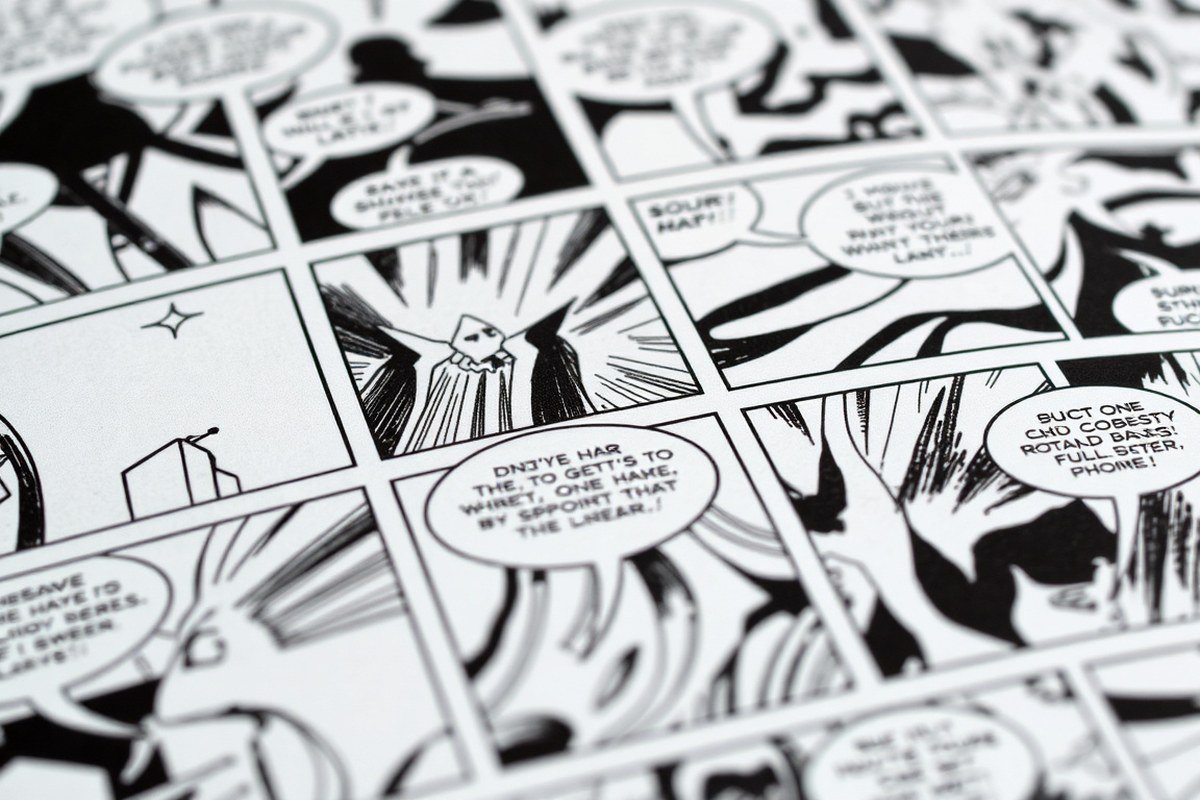
Panels form the basic structure of sequential art. These are the individual frames containing images arranged in order to convey a narrative. Each panel controls a moment in time or a specific action, guiding the reader’s eye through the story. The size and shape of panels influence pacing; larger panels can highlight important moments, while smaller ones speed up the flow.
Spaces between panels, known as Gutters, represent the passage of time or shifts in scene. Gutters allow readers to infer what happens between frames, making them essential for smooth transitions. The width and placement of gutters can emphasize timing or create pauses, which impact how readers process the story.
Transitions between panels shape how the story moves from one image to the next. Different types of transitions exist, each serving a narrative purpose. For example, a Moment-to-moment transition shows minimal change, focusing reader attention closely, while an Action-to-action transition shows a clear sequence of events. Another type, Scene-to-scene, indicates a larger jump in time or place, relying heavily on gutters and visual cues to connect the story.
| Transition Type | Description | Example |
|---|---|---|
| Moment-to-Moment | A very small change from one panel to the next | A character blinking or turning their head |
| Action-to-Action | The same subject progressing through an action | A character drawing a sword and then swinging it |
| Subject-to-Subject | Switching between different subjects within the same scene | Cutting between a character talking and another reacting |
| Scene-to-Scene | Jumping across significant time or place changes | Showing a character leaving home, then arriving at a different city |
Text improve sequential art by adding dialogue, captions, and sound effects that guide interpretation without replacing the images. Dialogue balloons help identify speakers and convey tone, while captions can provide background or internal thoughts. Sound effects use onomatopoeia to suggest noise or impact. The challenge lies in balancing text and visuals so one complements the other without overcrowding the panels.
Integrating text inside or near panels requires attention to composition. Text should never cover key image details or disrupt the reader’s flow. Artists often plan the layout by sketching rough panel borders and blocking in text areas early. Using consistent fonts, sizes, and placement improves readability and keeps the story clear. When done well, The combination of panels, gutters, transitions, and text makes the narrative both visually engaging and easy to follow.
How Pacing, Timing, and Visual Techniques Affect Storytelling
Pacing and timing are essential tools in sequential art that shape how readers move through and emotionally respond to the story. Arranging the size and number of panels on a page affects the rhythm of reading, large panels invite pause and reflection, while smaller, quicker panels speed up action. By controlling these visual beats, you can create tension, suspense, or a calm moment, directly influencing the reader’s emotional experience.
Visual storytelling combined with well-placed text improve reader engagement and interpretation. Dialogue and captions should support the imagery without overwhelming it, helping to develop characters and clarify plot points. Missing or unclear visual cues can disrupt flow and confuse readers, so clarity in panel transitions is critical to maintain narrative coherence.
Studies in visual storytelling reveal that changing panel layouts and pacing strongly impact how a sequence is perceived. For example, slowing pacing with fewer panels per page and more space between images can make a dramatic moment linger, increasing emotional impact. Speeding pacing with rapid, consecutive panels can convey urgency or chaos.
To guide reader interpretation and emotion in your work, experiment with panel size, shape, and spacing. Begin by planning key scenes with varied pacing techniques: use large, detailed panels for important emotional beats and quick, simple panels for fast action or comic relief. Watch for awkward transitions or overly dense pages, which can disrupt flow or overwhelm readers. Your goal is to create a cohesive visual style that keeps readers immersed and interacts with your storytelling goals. Sequencing visuals thoughtfully lets you manipulate time and mood uniquely in sequential art, making it a powerful storytelling medium beyond words alone.
Genres, Styles, and Practical Advice for Creating Sequential Art
Sequential art spans many genres and styles, including superhero comics, graphic novels, manga, children’s book illustrations, and storyboarding for film and animation. It shares a visual language with illustration and animation but differs in key ways. Unlike static illustrations, sequential art uses a series of panels to tell a story over time, relying on transitions between images for pacing. Animation moves continuously under the control of a director, while sequential art is paced by the reader’s interpretation. This makes sequential art distinctly interactive, requiring skill in both visual composition and storytelling.
Creating sequential art presents challenges like maintaining consistent character design, balancing text and imagery, and arranging panels to guide the reader’s eye smoothly. Beginners should focus on clear storytelling through simple panel layouts before experimenting with complex transitions or layouts. Sketchbook exercises help refine drawing and sequencing skills without pressure. Avoid common mistakes such as overcrowding panels, inconsistent timing, and unclear visual flow.
| Aspect | Sequential Art | Illustration | Animation |
|---|---|---|---|
| Storytelling | Through series of images and text | Single or standalone image | Continuous motion and sound |
| Pace Control | Reader-driven | Fixed | Director-driven |
| Medium | Static images in sequence | Single static image | Moving images |
A beginner-friendly checklist to start creating sequential art includes: define your story concept clearly; sketch thumbnail layouts to plan panel flow; design simple, recognizable characters; write concise captions or dialogue; experiment with pacing by varying panel size and arrangement; and revise to ensure smooth, logical progression. Tailor your approach based on the intended genre and audience. For example, superhero comics may demand dynamic action poses and bold panel borders, while children’s book sequences might use softer lines and larger captions for accessibility.
Your First Steps: A Quick-Start Plan for Creating Sequential Art
Start bringing your ideas to life with this easy-to-follow plan that guides you through making your first sequential art project.
- Day 1: Choose a simple story concept that resonates with you. This keeps your focus clear and helps you complete your project.
- Days 2-3: Sketch thumbnail thumbnails of your panel layouts to experiment with pacing and transitions. You’ll know it worked when the flow from one panel to the next feels natural.
- Week 1: Develop your characters and backgrounds in rough sketches, paying attention to style and genre conventions. When your drawings communicate mood and setting clearly, move on.
- Week 2: Add dialogue and text elements, ensuring they fit the pacing without overcrowding. If your story makes sense and reads easily, you’re on the right track.
- Week 3: Finalize your artwork with clean lines and color or shading techniques. The visuals should improve mood and assist in storytelling without distraction.
- Week 4: Share your completed work with friends or in a small online group for feedback. Constructive responses will guide your improvements.
- After 1 Month: Review feedback and revise your story or art accordingly. When you see progress in clarity or engagement, you’ve successfully refined your sequential art skills.
- Ongoing: Explore different genres and techniques to expand your style and storytelling range.
Frequently Asked Questions
Who Coined the Term “Sequential Art”?
Will Eisner coined the term sequential art in 1985 in his book “Comics and Sequential Art.” His work helped define this art form beyond just comics.
Can Sequential Art Exist Without Text?
Yes, sequential art can tell stories purely through images without text. Visual flow and panel arrangement guide the narrative.
Is All Sequential Art Considered a Comic?
No, sequential art includes comics but also forms like storyboards, tapestries, and ancient hieroglyphs. Comics are just one subset.
How Does Sequential Art Differ from Illustration?
Illustration often shows a single moment, while sequential art presents a series of images to tell a story over time.
Are Paintings Ever Considered Sequential Art?
Some paintings arranged in sequence or series can be sequential art, especially when they tell a story across multiple images.
The Bottom Line
Sequential art combines images and text to tell stories in a unique and engaging way. By exploring its components and experimenting with visual pacing, you can create your own narratives that communicate effectively. Start with a small project to apply these concepts and develop your skills through practice and feedback.