
What Is Positive and Negative Space in Art a Complete Guide to Balance and Composition
Positive space in art includes the primary subjects or objects you depict, whereas Negative space covers the background and gaps surrounding those subjects. Grasping these concepts allows you to achieve balance and guide attention within your artwork. Start by observing the shapes formed by both the objects and the empty spaces around them to see how they relate and affect your overall design.
Key Takeaways
- Positive space is where your main subject occupies the composition.
- Negative space surrounds and defines the boundaries of positive space, balancing the artwork.
- Using strong contrast between positive and negative space improves visual clarity and focus.
- Experiment with different ratios of positive to negative space to change the viewer’s perception.
- Negative space can create interesting shapes and add depth beyond just empty areas.
- Both positive and negative space occur in 2D works and 3D art like sculpture.
What Are Positive and Negative Space in Art?

Positive space in art refers to the main subjects or objects in a composition. It is the area that draws your attention first, usually solid forms such as people, buildings, or shapes. For example, in a simple drawing of a tree, the tree itself occupies the positive space. Negative space, by contrast, is the empty or open area surrounding and between those subjects. In the tree drawing, the sky and ground around the tree represent negative space.
The basic difference between positive and negative space lies in what each encompasses: positive space is the subject matter, while negative space is the background or the void around it. Both spaces are essential since they work together to create a balanced and clear composition. When you look at positive space, you focus on the objects; noticing negative space helps your eye rest and defines the shapes more clearly.
To understand how these spaces relate, try identifying a simple subject like a chair in a room. The chair is positive space; everything else around it, including walls, floor, and empty areas, is negative space. This interplay shapes how you perceive depth and form. In three-dimensional art, solid forms represent positive space, while the surrounding empty areas, gaps, or voids are negative space. Being able to recognize and use these spaces lets you arrange your composition to highlight your focal point effectively.
Using positive and negative space well requires focus on your subject first, then observing how the empty areas interact to support or contrast it. With practice, you’ll notice that paying attention to negative space can help improve balance and readability in your artworks, making them more visually appealing and meaningful.
Why Do Positive and Negative Space Matter in Composition?
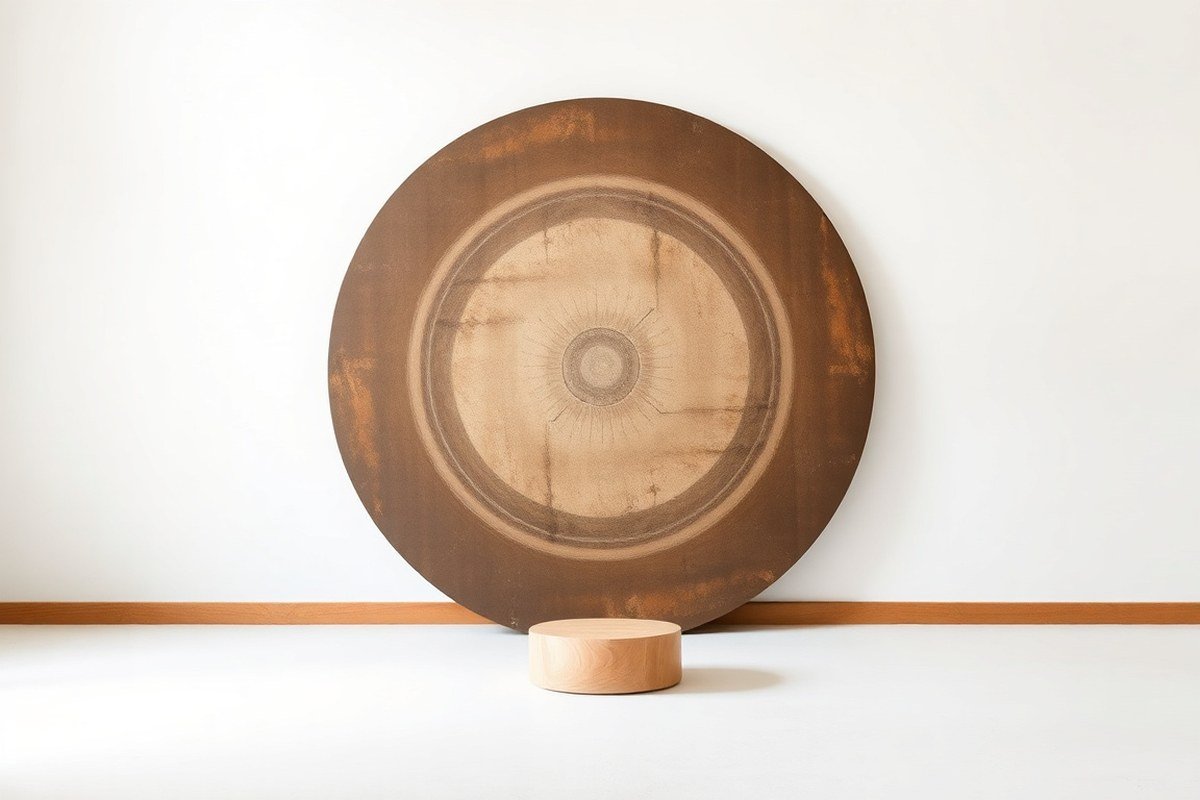
Positive and negative space are fundamental for achieving Visual balance and directing the viewer’s attention in your artwork. Proper use of negative space, often called white space, prevents compositions from feeling overcrowded and gives your subject room to breathe. This space helps create rhythm and guides the eye smoothly across the image, improving the overall impact.
Balance depends heavily on how you arrange positive and negative space. In symmetrical compositions, being precise about their placement is essential to create harmony. Unequal proportions or awkward positioning can cause the artwork to feel unstable or chaotic. Generally, most effective layouts maintain roughly equal proportions of positive and negative space, but these ratios shift depending on your goal.
Consider how different amounts of negative space influence perception: less negative space makes the subject appear larger, more dominant, and intense. More negative space, on the other hand, emphasizes simplicity, elegance, and calmness. For example, a portrait with minimal background clutter (high negative space) draws clear focus to the face and mood, while tight framing with little negative space conveys energy and urgency.
You can achieve better compositions by consciously measuring and experimenting with how much negative space surrounds your subject. Start by sketching the positive shape, then add or subtract background areas to balance the overall frame. Using this method helps you see where adjustments are needed so that your artwork feels more unified and intentional. This balance between spaces also allows you to manipulate depth, suggest movement, and convey emotions more effectively through your designs.
How Do Artists Use Positive and Negative Space Creatively?
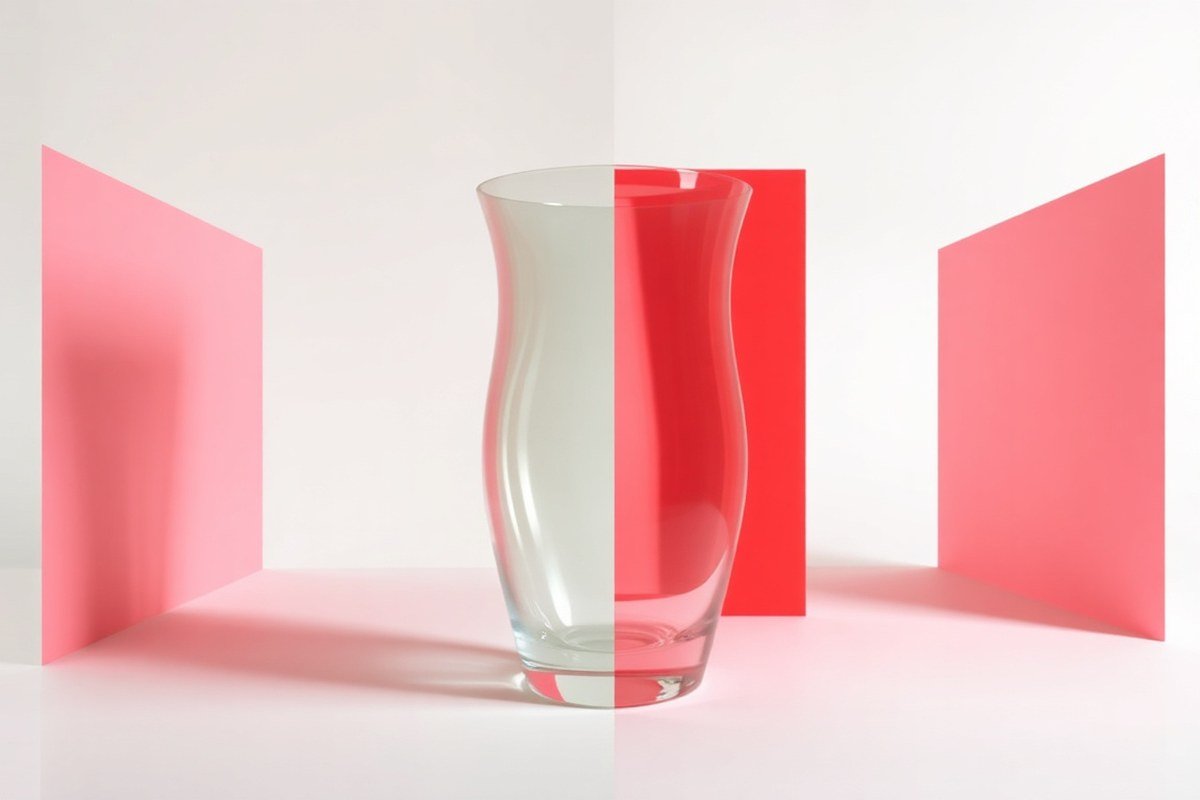
Artists use Negative space to improve their subjects by carefully shaping areas around objects, allowing the eye to rest and focus on the positive forms. For example, in Rubin’s Vase, the negative space, the profiles facing each other, creates a distinct, alternating perception with the positive space of the vase. This optical illusion relies entirely on the interplay of positive and negative space to challenge how viewers interpret the image.
You can use negative space to convey mood or narrative by controlling its size, shape, and placement. Large swaths of empty space often evoke feelings of isolation or calm, while tight, complex negative areas can create tension or chaos. When telling a story, negative space can highlight relationships or conflicts by framing subjects or suggesting absence, such as a missing figure or a shadow that hints at unseen elements.
Positive and negative space contribute to optical illusions by forming shapes that can switch between foreground and background depending on the viewer’s focus. This switch creates dynamic images that hold attention longer and provoke thought. Mastering this requires experimenting with shape recognition and edge definitions, often using contrasting colors or tones to clarify or blur boundaries.
Artists exploit this space interplay through techniques like silhouette art, where subjects are defined solely by the space they block, or chiaroscuro, which plays with light and shadow to improve three-dimensionality and depth. To apply this in your work, start by sketching simple forms and then outline the shapes formed in the surrounding space. Adjust these shapes to tell your intended story or mood, using larger negative spaces for minimalism or busy negative areas for complexity.
One practical script for creating a narrative using negative space: draw your main subject (positive space) first, then carefully observe and exaggerate the surrounding areas (negative space) to create complementary shapes that add emotional or storytelling layers. This process takes patience and repeated observation but results in a composition that feels balanced and engaging, avoiding clutter or confusion.
Positive and Negative Space Beyond Drawing: Sculpture and 3D Art
Positive and negative space apply naturally in three-dimensional art such as sculpture and installation pieces. In 3D, positive space refers to the solid forms of the sculpture, the materials and shapes that occupy physical space. Negative space consists of the openings, gaps, or air around and within these forms. For example, Henry Moore’s sculptures often emphasize negative space by creating voids within the mass, inviting light and air to shape the viewer’s perception. These openings allow the eye to move through the sculpture, making the negative space essential to the overall composition.
Negative space profoundly affects how you experience a sculpture. Large or carefully placed voids can make a heavy, bulky material feel lighter and more dynamic. The contrasts between solid and empty areas highlight shapes and balance, helping guide the viewer’s attention. When a sculpture includes key negative spaces, you can see through it or around it, adding depth and multiple perspectives as you move around. This interplay between positive and negative space makes the piece feel more engaging and alive.
To analyze positive and negative space in a 3D artwork, start by identifying all the solid masses as positive space. Then, notice the air gaps and how they shape or interrupt the forms. Sketching the sculpture from different angles can help reveal these spaces clearly. Try creating a mental or physical silhouette to see how the negative spaces contribute to the overall balance. This practice also helps in designing your sculptures, ensuring your negative spaces are intentional and complement the positive forms. Remember, neglecting negative space risks making the sculpture feel heavy or visually static, so plan your use of voids carefully to improve interest and flow.
How to Practice and Improve Your Use of Positive and Negative Space
Mastering the use of Positive and negative space in your artwork requires deliberate practice to see and balance both areas effectively. Start by training your eye to identify the shapes around your subject, not just the subject itself. This awareness improves drawing accuracy and composition harmony, making your work feel balanced and engaging. Try the following step-by-step practice to improve your use of space and improve your compositions:
- Select a simple object to draw or paint, such as a cup or a plant with distinct gaps.
- Block out the positive space by sketching the solid parts of the object first, paying attention to the shape and edges.
- Focus on the negative space around and between parts of the object, sketching these areas as solid shapes to understand their proportions.
- Use a grid system overlay on your reference or drawing surface to measure and compare the size of positive and negative spaces precisely.
- Adjust your composition by increasing or decreasing the amount of negative space to see how it affects balance and rhythm.
- Evaluate your work by checking if the viewer’s eye moves smoothly across the artwork; use your grid to spot any crowding or empty areas.
- Repeat regularly with different subjects and complexity to build confidence and a refined sense of space usage.
A quick checklist for space balance includes these questions: Is negative space enough to define the subject clearly? Does the composition feel too crowded or too sparse? Can the eye flow naturally without getting stuck? A good rule of thumb is to aim for roughly 40-60% negative space depending on the artwork’s style and focus. More negative space often creates simplicity and focus, while less negative space can produce a busier, energetic feel.
Common Mistakes with Positive and Negative Space and How to Fix Them
One common mistake beginners make with Positive and negative space is cluttering the composition, leaving no clear separation between the subject and background. When these gaps that define spaces are missing or unclear, the viewer struggles to identify which elements belong together. This often happens if the positive space blends too much into the negative space without purposeful contrast.
Another issue is an unbalanced composition where either positive or negative space dominates excessively. A piece stuffed with too much positive space can feel overwhelming, while too much negative space might appear empty or unfinished. Untidy edges and similar textures across spaces also lead to confusion and reduce the impact of your design.
- Break up clustered areas by increasing negative space around groups to clarify structure.
- Use contrasting textures or patterns; pair smooth surfaces with rough ones to highlight space divisions.
- Assess your composition frequently for balance, adjusting positive and negative areas to prevent overcrowding or emptiness.
- Avoid filling every inch of the canvas; allow breathing room so the eye can rest and focus.
- Control crisp edges versus blurred boundaries depending on whether you want sharp definition or soft transitions.
- Consider the emotional tone: surrounding a small subject with ample negative space can communicate isolation or strength.
Improving your use of space takes deliberate decisions in how shapes relate and contrast. Experiment with different gaps and textures, then step back to see if your main subject stands out clearly and your whole piece feels visually inviting rather than crowded or aimless.
Your Quick-Start Plan to Master Positive and Negative Space
Use this step-by-step approach to practice and apply positive and negative space in your artworks effectively.
- Day 1: Choose a simple object and sketch its outline, focusing only on the Positive space. Check if the shape feels clear and balanced.
- Day 3: Add the surrounding area to your sketch to observe the Negative space. Notice how empty areas help define the object.
- Week 1: Create a new drawing using equal amounts of positive and negative space. Evaluate if the composition feels balanced and engaging.
- Week 2: Experiment with abstract shapes where negative space forms a clear image. Confirm you can visually recognize both spaces clearly.
- After 3 Weeks: Analyze photos or artworks by other artists, identifying positive and negative spaces. Write down three examples of effective use.
- After 4 Weeks: Develop a piece in your preferred medium (drawing, painting, or sculpture) where you intentionally manipulate both spaces to create impact. Ask for feedback from peers or a teacher.
Frequently Asked Questions
How Can Focusing on Positive and Negative Space Improve My Drawing Skills?
Focusing on these spaces helps you balance composition and see shapes clearly, boosting accuracy in your drawings. It trains you to observe relationships between objects and the spaces around them.
What Role Does Negative Space Play in Storytelling Within a Painting?
Negative space frames the subject and adds mood or context, influencing how viewers interpret the story or emotion. It can create tension or calm depending on how it balances with positive space.
Can Positive and Negative Space Affect the Focal Point in a Composition?
Yes, managing these spaces directs the viewer’s eye and emphasizes the focal point. Smaller positive shapes against larger negative spaces can make elements stand out more.
How Does Cultural Context Influence the Use of Positive and Negative Space in Art?
Cultural aesthetics shape how artists and audiences perceive balance and emphasis in art using these spaces. Different traditions may value dense compositions or minimalist space differently.
What Simple Exercises Can Help Beginners Understand Positive and Negative Space Better?
Tracing the outlines of objects and coloring spaces around them can clarify positive and negative areas. This technique improve spatial awareness and compositional thinking early on.
The Bottom Line
Mastering positive and negative space sharpens your ability to create balanced, dynamic compositions that capture attention. Practice observing and manipulating these spaces in everyday objects to build your skills over time. Start your next artwork by deliberately planning how both positive and negative space will interact for stronger visual impact.