
How to Make Money with Art: 5 Proven Ways That Actually Work
How to make money with art starts by selling your work effectively both online and offline, where visibility and reach matter most. Focus on showcasing quality pieces consistently and pricing them with confidence to attract buyers. Begin by choosing the sales channels that fit your style and audience, like galleries, art fairs, or online platforms with proven traffic.
Key Takeaways
- List your art on multiple online marketplaces to increase exposure and sales opportunities.
- Participate in local and indoor art fairs to connect directly with serious buyers and galleries.
- Set prices based on your experience and the complexity of your work, not fear or guesswork.
- Offer custom commissions such as pet portraits or illustrations to diversify income streams.
- Build relationships with collectors and galleries through consistent communication and follow-ups.
- Use print-on-demand services to generate passive income from older designs.
1. How to Sell Your Art Effectively Both Online and Offline

Selling your art effectively requires a combination of online and offline strategies tailored to your style, goals, and audience. Start by choosing platforms aligned with your art type and pricing approach. Online, marketplaces like Etsy are ideal for handmade or digital prints, charging a 20¢ listing fee plus a 6.5% transaction fee. Saatchi Art suits painters selling originals but takes a 40% commission. Shopify works well if you want a branded store, with plans starting at $29 per month. Offline options include galleries, art fairs, and local workshops, which let you connect directly with buyers and build community presence.
Pricing art depends on materials, time, and overhead. For originals, calculate cost of materials plus labor, multiply your hourly rate by hours spent. For example, if you spend 10 hours at $20/hour and use $30 in materials, price at least $230, then adjust for your market. For prints, use a base print cost plus a markup of 50% to 100%, depending on exclusivity. Lower initial prices for prints help build sales volume.
Preparing for an offline event like an art fair involves organized setup and presentation. You need a professional portfolio, clear pricing signage, and a visually appealing booth that reflects your brand. Online sales require high-quality photos, detailed descriptions, and search-friendly tags to attract customers.
- Research and select sales platforms based on your art form and fees. Create accounts and set up your online store or prepare your portfolio for offline events.
- Price your art thoughtfully by calculating material and labor costs, then add a margin based on your target audience and competition.
- Create high-quality images for digital listings or prints, using natural light and multiple angles to showcase your work clearly.
- Prepare marketing materials such as business cards, signage, and price lists for fairs or galleries. Online, craft convincing product descriptions and tag your work effectively.
- Set up your sales space for fairs with proper lighting, secure displays, and easy payment methods like mobile card readers.
- Engage your audience in-person or online by telling your story and answering questions to build connection and trust.
- Follow up after sales to encourage repeat business through newsletters or social media updates.
Expect varying timelines before seeing profits. Some artists make sales within weeks online if they have existing followers, while offline sales might start slower during fairs or gallery seasons. Consistent effort over months is typical before building steady income.
2. Creating Diverse Income Streams to Maximize Your Art Earnings
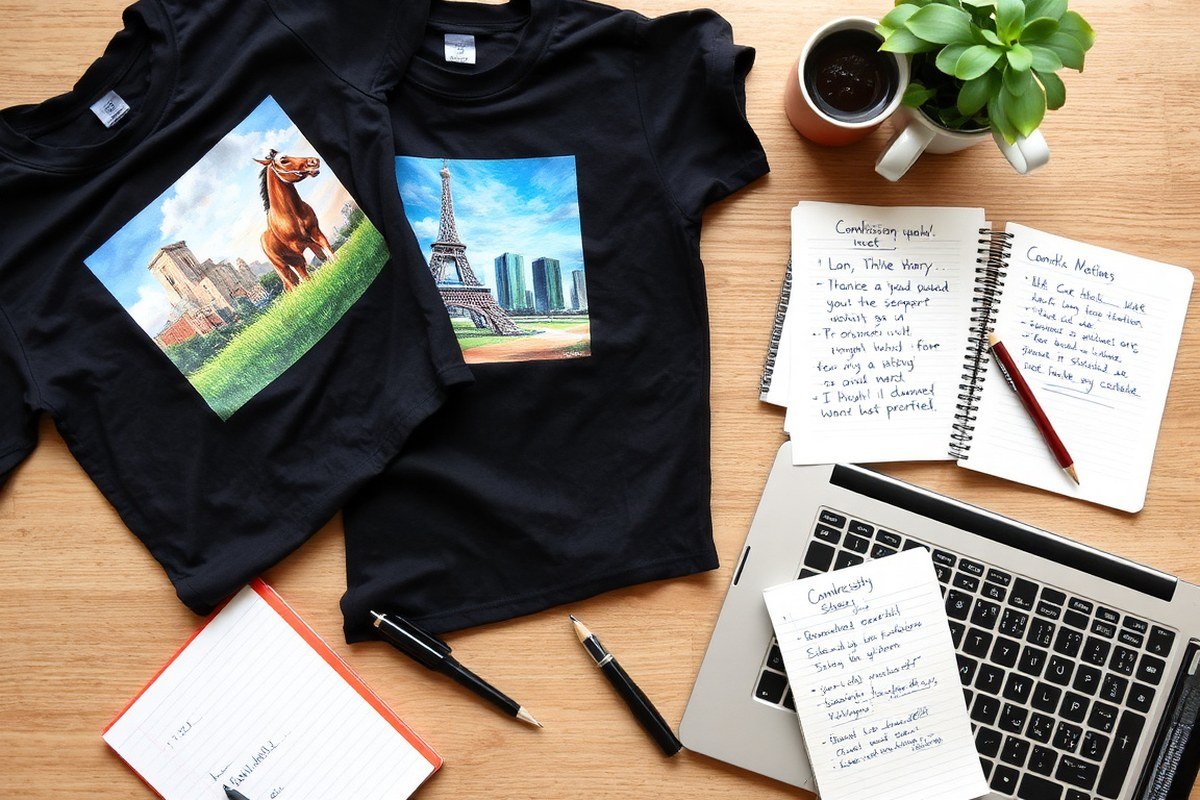
Building multiple income streams is essential for making money with art beyond just selling original pieces. Licensing your artwork lets you earn repeated payments by allowing companies to use your images on products like apparel or stationery. This earns you passive income without giving up ownership of your originals. Another scalable option is print-on-demand, where designs are printed on merchandise only after a sale, minimizing upfront costs and inventory. Selling digital products like clipart, templates, or wallpapers also generates ongoing revenue through downloads.
Teaching classes or workshops online or in person can fill income gaps during slower periods. Offering lessons lets you share skills and build a community while earning steadily. Commissions are personalized artworks requested by clients, often priced at a premium because of customization and direct client involvement. Here is a quick comparison of key income streams to help you decide where to focus your effort:
| Income Stream | Pros | Cons | Ease of Entry | Typical Earnings |
|---|---|---|---|---|
| Licensing | Passive income, multiple uses of one artwork | Requires rights management, contracts | Medium | $100s to $1,000s per deal |
| Print-on-Demand | Low upfront cost, scalable | Profit margins can be low | High | $50, $500/month for active stores |
| Digital Product Sales | Passive, global market | Competitive market, ongoing promotion needed | High | $100, $1,000/month depending on volume |
| Teaching Workshops | Steady income, builds audience | Time intensive, scheduling | Medium | $20, $100+ per hour |
| Commissions | Good pay per piece, relationship building | Time consuming, client demands | High | $200, $2,000+ per piece |
To prioritize these options, evaluate your goals and resources. Consider how much time you can dedicate and whether you prefer active involvement or passive income. Create a checklist covering setup costs, marketing needs, time commitment, and potential earnings. For example, if you want low startup requirements and passive income, start with digital product sales and print-on-demand. For steady cash flow and skill sharing, explore teaching. Use commissions to maintain client relationships and stabilize income during fluctuating sales periods. Balancing several streams reduces risk and grows your earnings over time.
3. Building Your Art Business: Marketing, Branding, and Customer Relations

Social media is a important tool for selling art, but it requires more than just posting images. To gain traction, create a consistent content schedule focusing on sharing your process, finished works, and behind-the-scenes insights. For example, post 3 to 5 times per week, mixing videos of your work in progress, stories about your artistic inspiration, and announcements of new collections or sales. This routine helps build trust and keeps your audience engaged.
Developing a Personal brand helps your art stand out. Start with a checklist: define your unique style, choose a consistent palette and typography for your online presence, and create a clear message about what your art represents. Use the same profile picture and bio tone across platforms to strengthen recognition. Maintaining this consistency signals professionalism and helps attract your ideal customers.
Building A community around your art can lead to higher sales and recurring income. Engage actively by responding to comments, asking for feedback, and creating exclusive groups or newsletters. Artists making $10,000+ monthly on platforms like Patreon often succeed because they nurture close-knit fan bases. That connection encourages loyal customers who are more likely to commission work or buy prints repeatedly.
Improving customer relations boosts retention. Send personal follow-ups after purchases using this template: “Hi [Name], thank you for choosing my art! I hope it brings joy to your space. Feel free to reach out anytime or share photos, I’d love to see it in your home.” This shows appreciation and opens the door for future sales. Integrate email marketing tools to schedule newsletters every 2 to 4 weeks with new releases, promotions, or stories about your art’s journey.
Investing time in these marketing and branding steps may seem demanding, especially alongside creating art, but the payoff lies in steady sales and a supportive audience. Avoid focusing solely on social media numbers; quality relationships and clear branding pave the way to a sustainable art business.
4. Avoiding Common Monetization Mistakes and Pricing Pitfalls
Underpricing your art can limit your income and make your work seem less valuable to buyers. Setting prices too low often leads to frustration and missed opportunities. Use a pricing formula or benchmark prices around $50 to $500 for emerging artists selling originals to gauge your rates. Adjust for medium, size, and market demand, which helps balance staying competitive and earning fair pay.
Choosing the wrong platform or channel for selling your art wastes time and cuts into profits. Avoid sites with high fees if you want full pricing control. Sell on 3, 5 platforms that fit your style and target audience, such as local galleries for physical art or Etsy and Shopify for prints and merchandise. Here’s a quick checklist to help select a platform:
- Does the platform support your art type (physical, digital, prints)?
- Are the fees or commissions acceptable compared to your pricing strategy?
- Is the platform popular with art buyers in your niche?
- Do you have control over your pricing and marketing?
- Does it integrate well with your existing website or social media?
New artists often neglect marketing or expect instant sales without building a following. Consistent marketing brings steady buyers and referrals. Allocating even a few hours weekly to social media, email newsletters, or local shows pays off over time. Investing in professional help, like a pricing consultation or branding advice, can be worth $100 to $500 for better sales results. This investment prevents costly errors and helps you focus on work with real income potential.
Keeping your creative passion alive while running a business means planning business tasks around your art sessions. Use simple tools to track income and set sales goals that match your lifestyle. Don’t overwhelm yourself by juggling too many platforms or projects at once. Start with a focused approach and expand after establishing consistent sales.
5. Planning for Steady Income: Setting Goals, Tracking, and Scaling Your Art Business
Setting Realistic income goals starts with understanding your current sales, expenses, and the time you dedicate to both creating and marketing your art. Begin by reviewing past months to find your average monthly income from art sales and related services. Use tools like Trello or Notion to track income and expenses monthly, including materials, shipping, and marketing costs. This practice highlights your net earnings and helps adjust goals based on actual performance rather than estimates.
Typical growth in art income varies, but many artists see gradual increases over 12 to 24 months, depending on the market and your business model’s scalability. When your income plateaus, it signals the need to either diversify with new income streams, such as print-on-demand or teaching, or to scale existing efforts by increasing production or improving marketing. Tracking monthly income and reviewing your progress against goals identifies when scaling makes sense. Build this into your routine with a checklist:
- Record total art income and expenses
- Note hours spent on creation vs. Marketing
- Compare monthly income to goal benchmarks
- Identify top-selling products or services
- Plan adjustments based on trends
Follow these steps to scale your art business sustainably:
- Evaluate your current income and time allocation to set a baseline.
- Define specific financial goals with realistic deadlines, such as increasing monthly income by 20% in six months.
- Use tracking tools to monitor monthly income, expenses, and productivity, update your checklist regularly.
- Analyze which art products or services perform best and which efforts yield the highest return on time invested.
- Adjust your focus by scaling successful lines, expanding marketing, or adding new income streams when growth stalls.
- Schedule dedicated work blocks for art creation and networking using productivity tools to balance skill development with promotion.
- Review progress quarterly and reset goals based on trends and market changes.
Planning with clear goals and consistent tracking helps you manage the challenges of fluctuating income while positioning your art business for growth over time.
Your First 30 Days: A Quick-Start Plan to Monetize Your Art
Use this plan to begin making money with your art by taking focused steps every few days. Measure progress by increased inquiries, sales, or online engagement.
- Day 1: Set clear income goals for the next month to define what success looks like for you.
- Day 3: Create or update a portfolio website showcasing your best work. Confirm it loads quickly and is easy to navigate.
- Week 1: List your artwork on at least two online marketplaces or social media platforms. Track visits and message requests.
- Week 2: Reach out to local galleries or shops about consignment or exhibit opportunities. Note responses and any invitations.
- Week 3: Develop a simple email newsletter to send to contacts, sharing new pieces and offers. Monitor open and click rates.
- Week 4: Experiment with pricing on a few pieces and gather feedback from potential buyers to adjust accordingly.
- Day 30: Review your sales, inquiries, and follower growth to identify your best performing channels for future focus.
Frequently Asked Questions
What Are Some Uncommon Ways to Make Money as an Artist Besides Selling Art?
Artists can earn money by writing ebooks, starting art blogs, or renting out studio space. These methods build your brand and create income streams without relying solely on direct art sales.
Can Partnering with Interior Designers Help Artists Make Money?
Yes, collaborating with interior designers can lead to custom art commissions and exposure in stylish spaces. It’s a practical way to expand your audience and generate steady work.
How Can Art Contests Boost an Artist’s Income?
Art contests offer prize money and valuable exposure to curators and collectors. Winning or placing can open doors to sales and new opportunities.
Is Starting an Art Blog a Profitable Choice for Artists?
An art blog helps you engage your audience and drive traffic to your portfolio or shop. Monetization can come from ads, sponsored content, or promoting your work directly.
What Should Artists Consider When Monetizing Art Digitally?
Focus on quality digital images and build a strong online presence. Digital sales platforms can expand your reach but require consistent promotion and customer communication.
The Bottom Line
Making money with your art takes consistent action and learning from each step. Start by getting your art in front of clients and gather real feedback to improve. Your next move is to pick one sales channel and engage regularly to build trust and recognition. This focus will help turn your creative passion into a sustainable income stream.