How to Pack Canvas Art for Moving Safely: 5 Proven Methods & Expert Tips
How to pack canvas art for moving requires careful wrapping and cushioning to protect your pieces from damage. Start by selecting a packing method that fits your artwork’s size and fragility, then gather materials like bubble wrap, sturdy boxes, and protective sheets. Properly layering these materials reduces impact risks and prevents surface abrasions during transit.
Key Takeaways
- Use a protective sheet large enough to cover the entire canvas with at least 2 inches of bubble wrap on all sides.
- Choose a box size close to your canvas dimensions and fill gaps with bubble wrap to prevent shifting.
- For extremely fragile pieces, place the canvas inside a cut-out styrofoam sheet for added cushioning.
- Declare high-value items to your mover in writing to ensure proper insurance coverage.
- Keep humidity below 55% and maintain stable temperatures during storage to avoid damage.
- Consider using the rolling method for large, flexible canvas pieces to reduce crease risks.
1. Choose the Best Packing Method for Your Canvas Art
Choosing the best packing method depends on your canvas art’s size, frame status, and value. For unframed canvases, wrapping with glassine or wax paper is a low-cost, straightforward option that offers basic protection. This keeps the painted surface clean and prevents sticking, but doesn’t guard well against dents or bending, so it suits short moves or smaller, less fragile pieces.
Rolling unframed canvases offers moderate protection and is also cheap and easy. Roll the canvas loosely around a clean, wide tube with the painted side out, then wrap it in bubble wrap. This method reduces creasing but can stress cracking paint on old or brittle canvases, making it less ideal for valuable or very large works. Use rolling mainly for mid-size, flexible pieces on shorter moves.
Framed canvas art requires sturdier packing. The cardboard box method is a budget-friendly, easy way to shield framed pieces. Place wrapped artwork upright in a box just slightly larger than the frame, fill all gaps with packing paper, and guard corners with foam. Bubble wrap and glassine layers improve protection. This setup prevents shifting and pressure damage, a key risk with framed art that includes glass or delicate frames.
For Large or valuable canvas artworks, a custom crate provides the best defense. Though costly and more complex to arrange, crates offer rigid support that secures the item firmly against shocks and humidity fluctuations. They fit oversized or unusually shaped canvases that standard boxes cannot protect well. Crates typically cost several hundred dollars upwards but are recommended for high-value pieces or long-distance moves.
When choosing, consider fragile paint, frame type, canvas size, and move conditions. Glassine is good for small unframed works, rolling suits flexible midsize canvases, boxes protect framed art on typical moves, and custom crates safeguard large or prized pieces. Handling all art gently and using suitable protective layers remain essential regardless of the packing method.
2. Gather Essential Materials and Tools for Packing Canvas Art
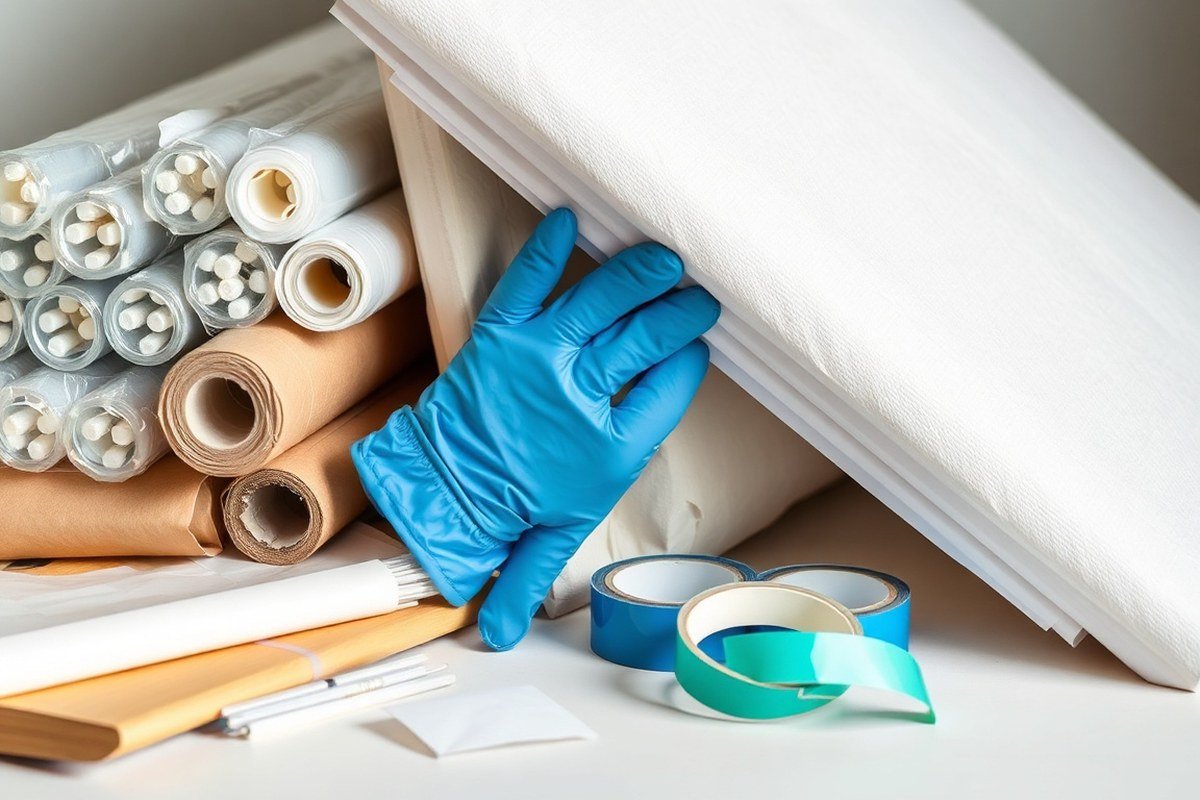
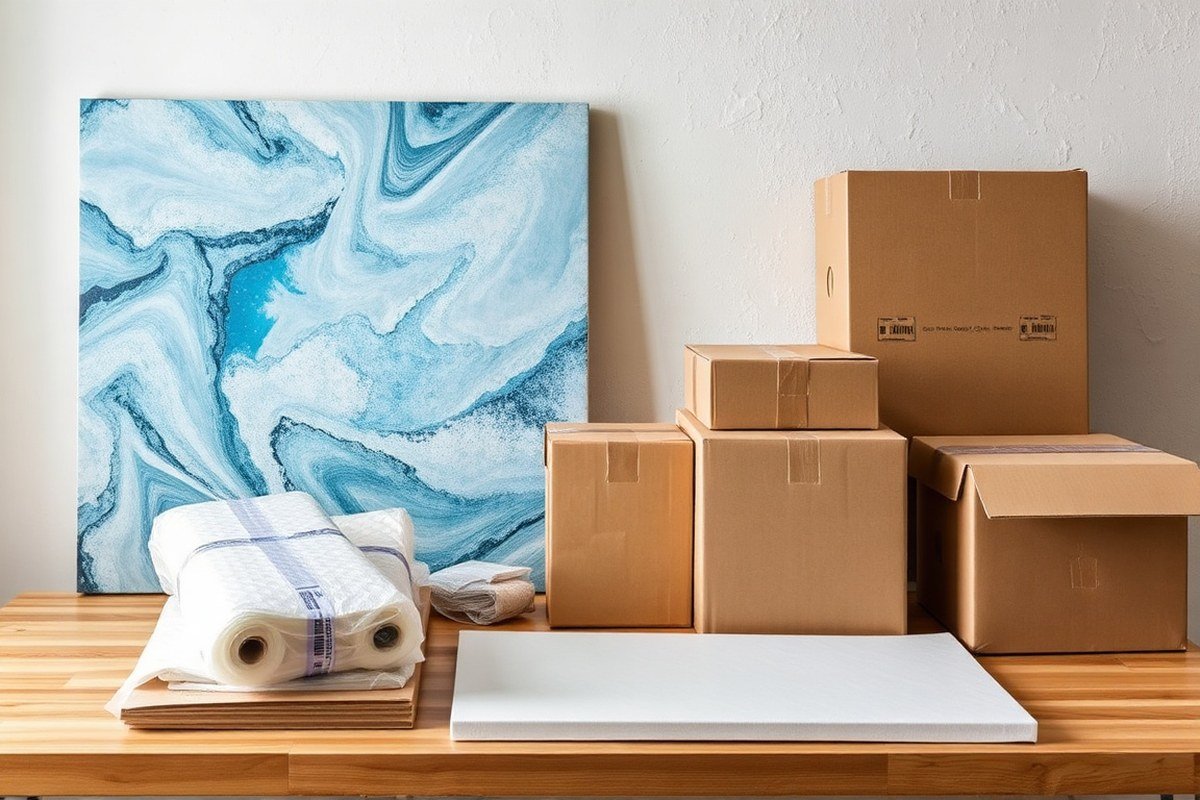
Properly packing canvas art requires specific materials to protect it from moisture, scratches, and damage from adhesive tapes. Start with Acid-free glassine paper, which is a smooth, non-stick sheet that serves as the first layer of protection against dust and tape. Avoid printed or wax papers that can transfer inks or stick to the paint surface. Next, use Bubble wrap with the bubbles facing outward to cushion impacts without pressing bubbles into the canvas texture.
Wear Cotton gloves while handling your art to keep oils and dirt from your hands off the surface. Use sturdy Cardboard corner protectors to shield vulnerable frame edges from bumps. Avoid taping directly to the painting or frame surface; instead, tape only on the outer wrapping or use plain packing tape on cardboard or paper layers.
- Acid-free glassine paper for surface protection
- Bubble wrap with bubbles facing outward for cushioning
- Cotton gloves to handle artwork safely
- Cardboard corner protectors to absorb shock on edges
- Foam sheets for extra scratch prevention on delicate frames
- Plain, unprinted packing tape applied only to external packaging
- Sturdy cardboard box or custom crate sized to your canvas
Plastic wrap can add a moisture barrier, especially in humid conditions, but keep it loose to avoid trapping condensation against the canvas. Use foam sheets between layers when stacking multiple artworks to prevent abrasion. The costs for these materials vary: glassine paper rolls range from $10 to $20, bubble wrap from $15 to $30 per roll, and cardboard corner protectors about $10 for a pack of 12.
Failure to use acid-free materials often results in staining or paint damage over time. Taping directly on the canvas can peel off paint or varnish, leading to costly repairs. Always test materials on a small inconspicuous area if unsure, and handle the canvas with gloves to maintain its condition during packing and moving.
3. Step-by-Step Process to Wrap and Secure Canvas Art for Moving
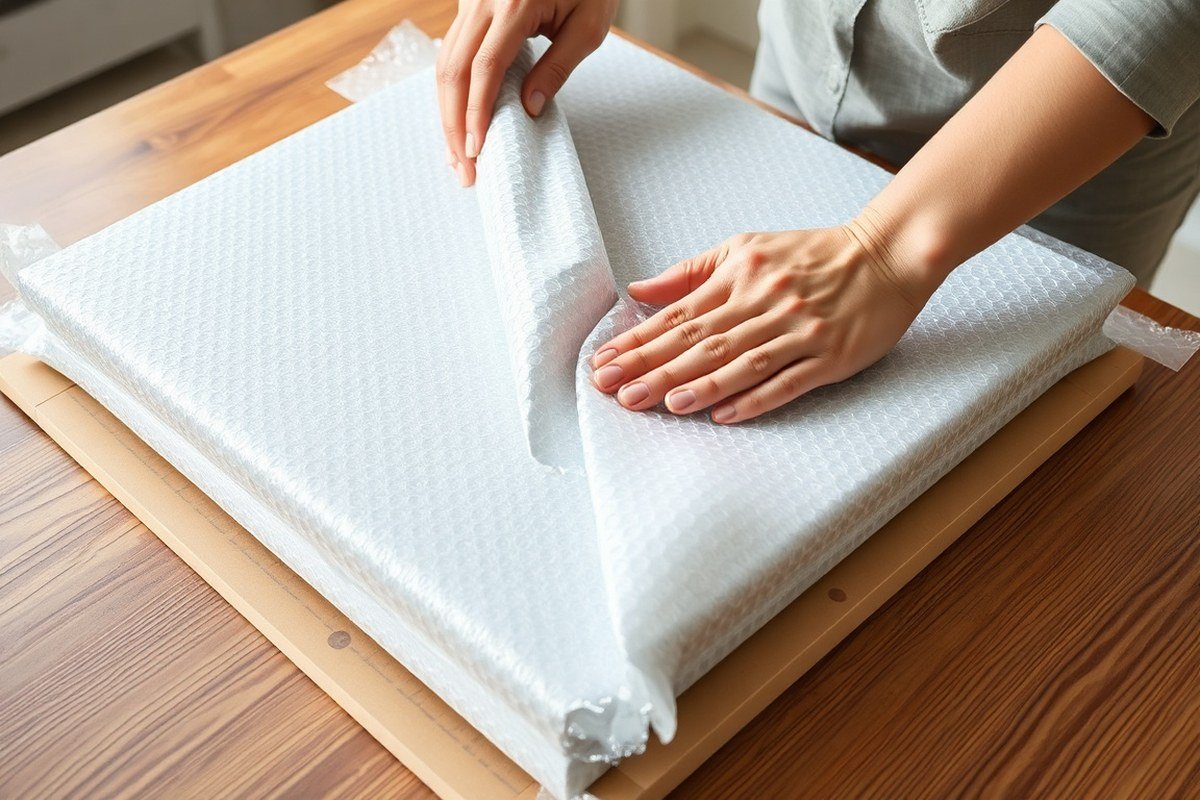
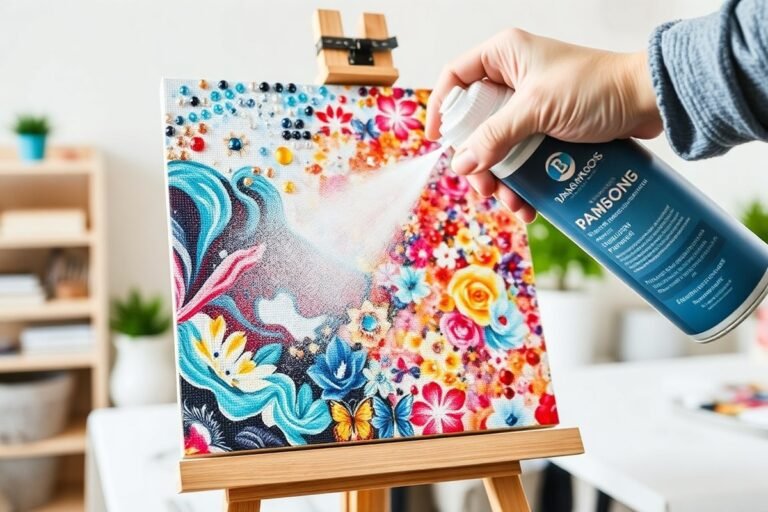
Properly wrapping and securing your canvas art ensures it stays safe from scratches, dents, and movement during your move. Start by cleaning the surface gently to remove dust or dirt, avoiding water or solvents that could damage the paint. Protecting the surface with a layer of glassine paper preserves the artwork’s finish without sticking to it or leaving residue.
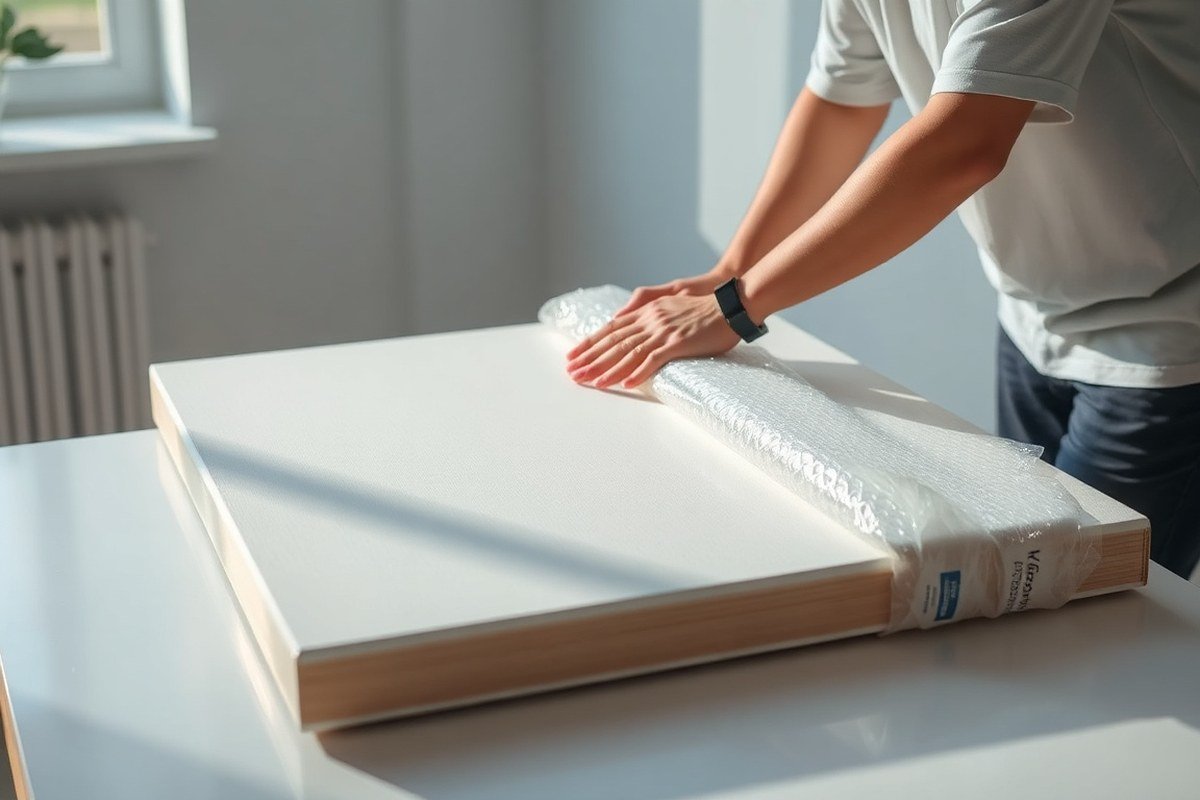
Next, use bubble wrap to cushion the piece, focusing on fully covering the front, back, edges, and corners. Multiple bubble wrap layers add shock absorption, reducing the risk of tears or punctures. For the edges and corners of stretched canvas, apply specialized corner protectors or fold extra bubble wrap to reinforce these vulnerable areas. If you’re packing multiple canvases together, place thin cardboard sheets between them to prevent friction or pressure damage.
- Clean the canvas surface softly with a dry microfiber cloth to remove dust, taking care not to disturb the paint or frame.
- Cover the painting with acid-free glassine paper or another smooth wrapping to protect the paint, ensuring it fits gently over the front and sides.
- Wrap the canvas in at least two layers of bubble wrap, extending 2 inches beyond all edges. Pull the wrap tightly and fold excess over the back.
- Secure with tape using masking or packing tape on the back only, avoiding contact with the painted sides to prevent marks or damage.
- Add corner protectors made from cardboard, foam, or padded plastic on all four corners, or fold extra bubble wrap layers to shield edges.
- Insert thin cardboard sheets between multiple wrapped canvases to separate and prevent rubbing or pressure points during transit.
- Place the wrapped canvas into a properly sized box or custom crate, filling any extra space with crumpled packing paper or bubble wrap to immobilize the piece.
- Seal the box securely with heavy-duty packing tape, label it clearly as fragile, and store it upright to minimize pressure and movement.
4. Control Environmental and Handling Risks During Moving and Storage
Controlling humidity and temperature is essential to prevent mold growth and warping in canvas art during a move. Avoid exposing your paintings to extreme temperatures by never leaving them in a hot or freezing vehicle for extended periods. Temperature swings can cause frames to warp and canvas to stretch or contract. Aim to keep the environment between 65°F and 75°F with relative humidity around 40-55% to protect the artwork. Climate-controlled storage units provide a stable environment, especially when moving takes longer or if you need to store art temporarily. If storing at home, avoid basements, attics, or garages that experience wide temperature and humidity fluctuations.
Label each packed piece clearly on all sides with “Fragile,” “This Side Up,” and “Handle with Care” instructions to guide movers during loading and unloading. Use permanent markers on the outer wrapping or attach a bright, visible tag. Keep your canvas art separate from heavy household items or boxes to prevent crushing or pressure damage. Transport paintings upright and never stack them; stacking increases the risk of damage to both the frames and canvas surfaces.
Handle artwork gently to avoid sudden impacts or vibrations that may cause cracks or loose stretcher bars. When loading into the truck, place canvases against padded walls or secure them with straps to prevent movement. A good checklist before loading includes verifying proper wrapping, clear labeling, no stacking of paintings, and stable placement inside the truck away from doors or heavy equipment. Avoid placing art near heat sources like the engine or vents that may blast hot or cold air directly on it.
In situations where you expect delays, ensure your storage space or vehicle maintains a controlled environment and limit exposure to direct sunlight, which can accelerate deterioration. Using packed plastic sheeting or moving blankets adds a protective moisture barrier but does not replace climate control. Following these Environmental and handling precautions helps keep your canvas art free from mold, warping, or crushing during your move.
5. When to Hire Professionals and How to Ensure Artwork Safety
Professional art movers and custom crating become essential for high-value, large, or fragile canvas pieces because they provide specialized handling and protection that typical DIY methods cannot match. These experts use materials and techniques tailored to preserve delicate artwork and often offer climate-controlled transportation. You should consider hiring professionals if your collection includes expensive paintings, canvases with delicate surfaces, or oversized pieces that risk damage during standard moving.
Costs for professional packing and crating vary but expect to spend from $150 to $500 or more per piece depending on size and fragility. Custom wood crates, often built onsite or by a partnered workshop, are priced higher due to labor and materials but ensure maximum safety. If you are moving multiple valuable canvases, this expense can be worthwhile compared to potential damage repair or loss.
Decide between DIY packing and hiring professionals by assessing your art’s value and complexity. For pieces under modest value and average size, or if you have experience and materials for safe packing, DIY is feasible. For anything fragile, over 36 inches in length or width, or valued above a few thousand dollars, professional services strongly reduce risk. You might want professional help if your move includes climate concerns or long distances.
To create a custom crate yourself, use sturdy plywood and build a snug, padded frame with foam or bubble wrap lining. Secure corners and edges firmly to prevent movement. However, without construction skills and proper materials, custom crates may not provide enough protection, so professionals usually do a better job.
Communicate special handling or insurance needs to your movers clearly. Use wording like: “This package contains fragile canvas artwork requiring upright positioning and minimal vibration. Please handle with care and place in a climate-controlled area if possible. The declared value is $[insert amount]; confirm available insurance coverage for art during transport.” This ensures movers understand the care level expected and your financial protection requirements.
Step-by-Step Action Plan for Packing Your Canvas Art
Follow these clear steps to pack your canvas art properly and reduce the risk of damage during your move.
- Before packing: Select the right packing method based on your canvas size and fragility. Confirm your choice by checking the art fits securely in the chosen materials.
- Day of packing: Gather all necessary materials like bubble wrap, acid-free paper, packing tape, and sturdy boxes. Make sure you have enough to cover every piece without rushing.
- During packing: Wrap each canvas carefully with acid-free paper, then bubble wrap, protecting corners especially. Check the wrap covers every edge and stays tight without pressure on the surface.
- After wrapping: Place the wrapped canvas in the appropriate sized box or custom crate. Test by gently shaking the box to ensure the art does not shift inside.
- Before loading: Label each box as “Fragile” and indicate which side should face up. Confirm labels are clear and visible on multiple sides of the box.
- During transport: Keep the artwork upright and avoid stacking heavy items on top. Double-check after loading that the pieces remain in an upright position.
- Upon arrival: Unpack your canvas art carefully in a stable, temperature-controlled room. Inspect the artwork for any signs of damage as soon as the packing is removed.
Frequently Asked Questions
What Is the Rolling Method for Packing Canvas Art?
The rolling method involves carefully rolling unframed canvas art to prevent creases. It works best for canvas that isn’t on a stretcher and should never be folded to avoid damage.
Can I Use the Cardboard Box Method for Unframed Canvas Art?
The cardboard box method is ideal for framed canvas art but not suited for unframed canvases, which risk bending inside the box. Use rolling or custom crates for unframed pieces instead.
How Do I Protect the Edges of Framed Canvas Art During a Move?
Protect framed canvas edges with corner protectors or foam padding. Edges are vulnerable to impact, so extra cushioning helps prevent dents or scratches during handling and transport.
What’s the Benefit of a Custom Crate for Moving Canvas Art?
Custom crates provide the best protection by perfectly fitting the artwork and adding sturdy external support. They reduce vibration and impact, especially for valuable or large canvas pieces during long moves.
How Do I Avoid Moisture Damage When Moving Canvas Art?
Keep art in a dry, temperature-controlled space and wrap it in moisture-resistant materials like plastic wrap under protective paper. Moisture causes mold and warping, so controlling humidity is important.
Wrapping Up
Packing canvas art correctly prevents costly damage and preserves its value over time. Start today by selecting the best packing materials and preparing your workspace to ensure a smooth process. Taking these practical steps gives you greater confidence that your artwork will arrive safely in your new home.