What Is an Art Exhibition? A Complete Guide to Types, Curation, and Visiting Tips
An art exhibition is a specially organized presentation of artworks, usually hosted in galleries or museums. These shows arrange pieces to emphasize certain themes, artistic styles, or historical backgrounds, inviting visitors to explore the art thoughtfully. Grasping the layout helps you see the purpose behind the selection and arrangement of the works and what narratives they share.
Key Takeaways
- Art exhibitions usually last between 2 and 6 months, offering enough time to explore and revisit.
- Curators work with designers and handlers to ensure artworks are displayed securely and attractively.
- Some exhibitions break away from traditional white-cube galleries, presenting art in unique or interactive spaces.
- The choice of materials, like 100% cotton paper, affects the preservation of artworks such as giclée prints.
- Viewing art closely can reveal hidden details, like brushstrokes, best seen within a few inches.
- Contemporary exhibitions may include photography and mixed media, expanding beyond classic paintings or sculptures.
What Is an Art Exhibition and How Does It Work?
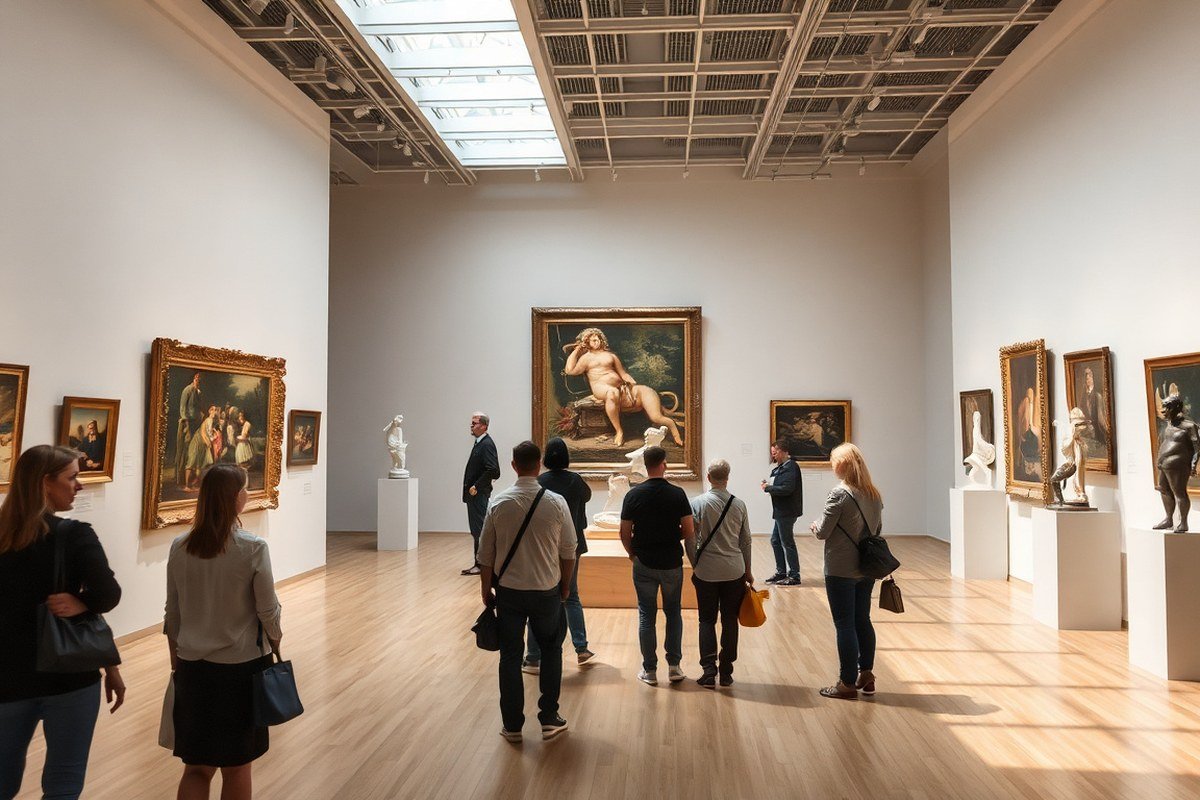
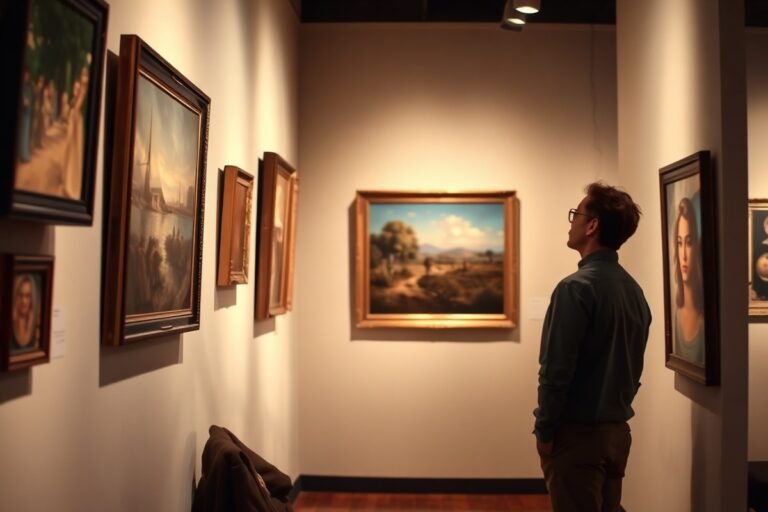
An Art exhibition is a carefully organized presentation of artworks displayed for the public, usually within a gallery or museum. Its core purpose is to share a story, express a perspective, or highlight a specific theme or artist. Art exhibitions provide a space where visitors can engage with different art forms and appreciate the diversity of creative expression.
Artworks are Curated and arranged thoughtfully to create a cohesive experience. Curators, often professionals with an art history background, select pieces that connect through style, subject, or concept. They collaborate with art handlers and designers to position each work with attention to lighting, spacing, and flow, ensuring visitors can follow the exhibition’s narrative or theme effectively. This arrangement can vary greatly, depending on whether the focus is on a single artist, a group of artists, or thematic ideas.
Art exhibitions can include paintings, sculptures, photographs, mixed media, installations, and even digital art. The collection depends on the exhibition’s purpose and venue capabilities. Exhibitions might be temporary shows, lasting a few weeks to months, or permanent collections displayed year-round. Costs vary widely, from modest local gallery shows to large, well-funded museum exhibitions that involve extensive logistics such as specialized climate control, security, and insurance to protect valuable artworks.
Displaying art in an exhibition context matters because it invites viewers to observe closely, learn about artistic methods and histories, and explore new ideas. A well-executed exhibition not only presents art but also creates dialogue between the artwork and its audience, fostering appreciation and understanding that goes beyond casual viewing. Problems can occur if artworks are poorly lit, crowded, or arranged without clear purpose, making the experience confusing or dull for visitors.
What Are the Different Types of Art Exhibitions?
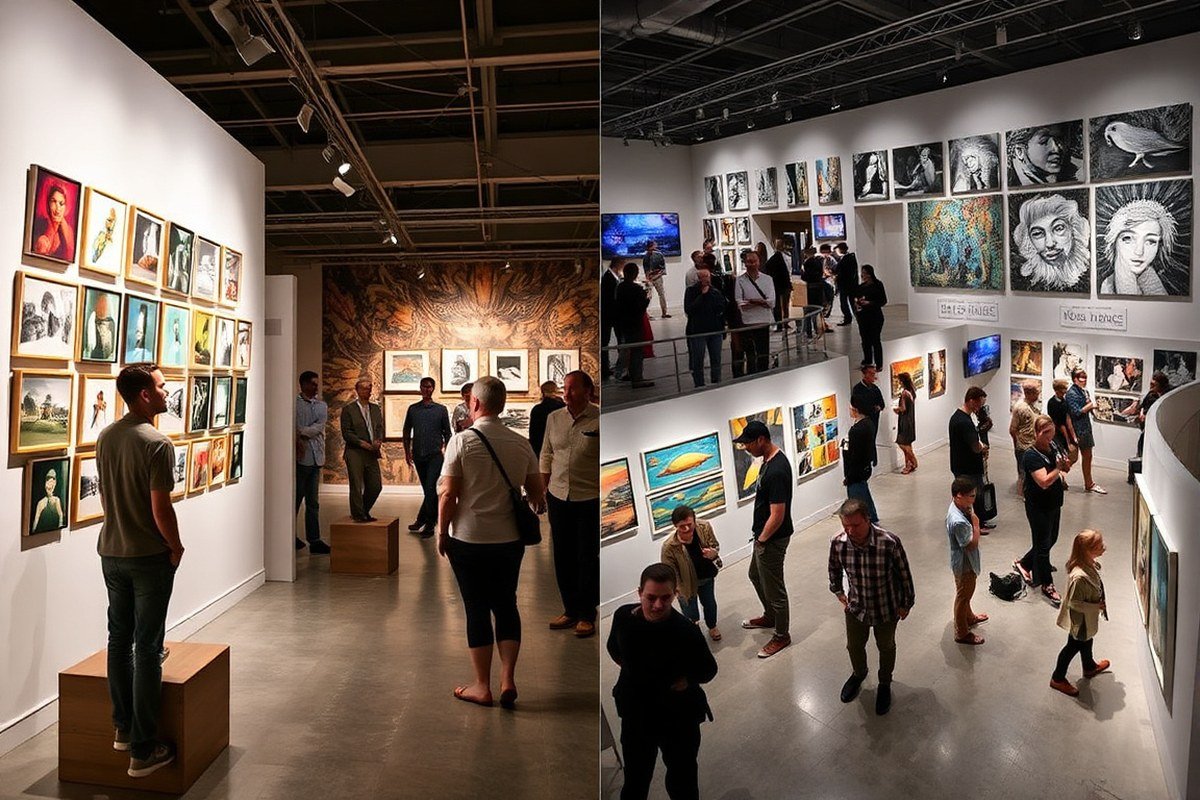
Art exhibitions come in various types, each serving different purposes and formats. A Solo exhibition focuses on the works of a single artist. These shows typically last between four and eight weeks, giving visitors the chance to explore the artist’s style and evolution in depth. Solo exhibitions highlight one creative voice and often provide a complete view of that artist’s practice.
Group exhibitions, by contrast, showcase works from multiple artists. These displays offer diverse perspectives within a shared theme or medium, allowing you to see a broader range of styles and ideas. Group shows can last anywhere from a few days to several weeks, depending on the venue and event goals.
A Retrospective exhibition presents a survey of an artist’s entire career, often organized by major museums. These usually run longer than other exhibitions and require extensive planning to gather works from different periods. Retrospectives provide a deep understanding of an artist’s growth and impact over time.
Pop-up exhibitions are temporary art shows in unconventional spaces like storefronts or public areas. They may last from a single day to a few weeks and often aim to attract high foot traffic over a short duration. Pop-ups are popular for introducing emerging artists or thematic concepts quickly without long-term commitments.
Digital or virtual exhibitions present artwork online, allowing global access without physical space constraints. These exhibitions require a user-friendly website with high-quality images and may include interactive features. Because they exist online, they can remain accessible for months or even years, depending on the organizers.
| Exhibition Type | Focus | Duration | Key Features |
|---|---|---|---|
| Solo | One artist | 4, 8 weeks | Complete overview of artist’s work |
| Group | Multiple artists | Days to weeks | Varied styles within a theme |
| Retrospective | Artist’s career | Several weeks to months | Historical perspective across time |
| Pop-up | Emerging or thematic art | One day to weeks | Temporary, high foot traffic |
| Digital/Virtual | Any artist or theme | Months to years online | Global access, interactive |
Who Organizes and Curates Art Exhibitions?
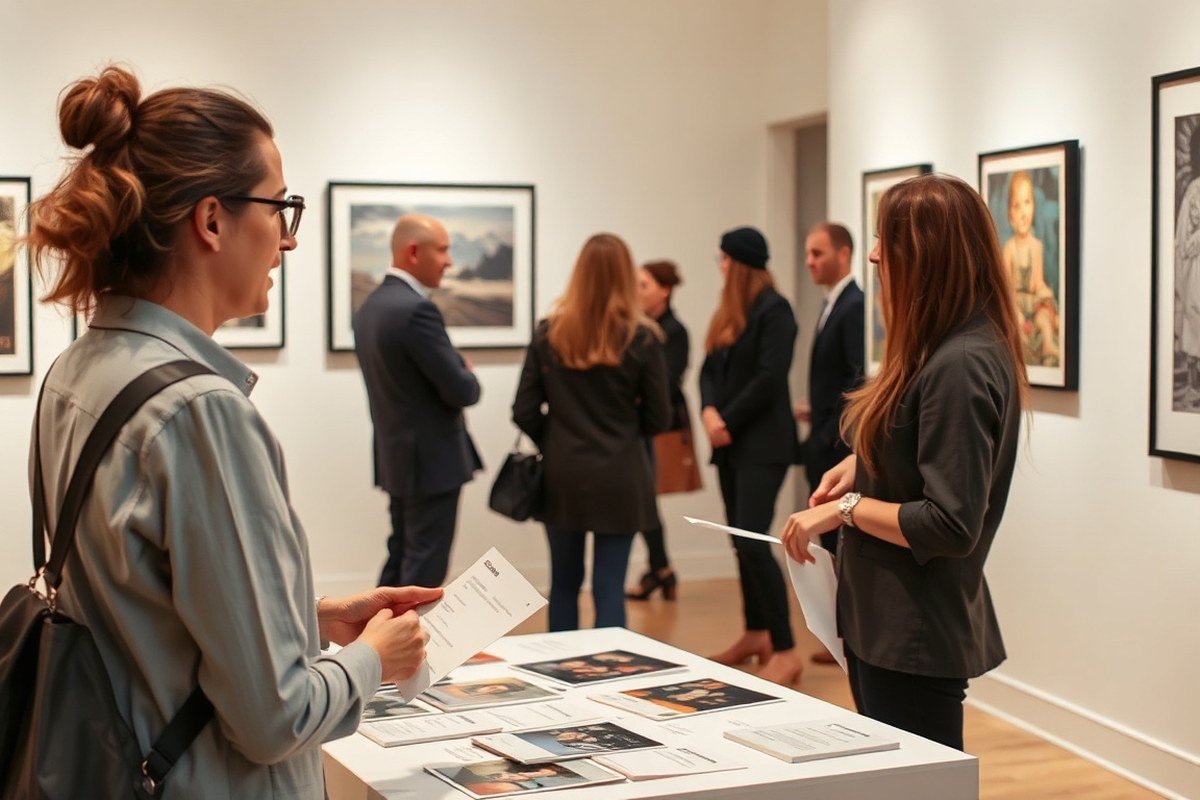
Curators play the central role in organizing and shaping art exhibitions. They select which artworks to include, considering the theme, the artists’ intent, and how different pieces will work together in the space. This involves reviewing artist portfolios, sometimes working with juried selections where submissions are judged by a panel. After choosing the works, curators plan the layout, arranging the pieces to guide visitors through a coherent and engaging experience. They also handle the accompanying texts, labels, and educational materials to help visitors connect with the art.
Artists contribute the artworks and may also participate in exhibition planning, especially in solo shows. They often collaborate with curators on installation details and may attend openings to discuss their work with the audience, deepening the visitor’s engagement. Not every exhibition involves professional artists; emerging artists or students can start exhibitions, usually by partnering with a venue or collective and often through funding or institutional support, which typically require months of advance planning.
In addition to curators and artists, Art handlers ensure the safe transport, installation, and removal of artworks. They have the skills and equipment to manage delicate or large pieces, safeguarding their condition. Meanwhile, Promoters and marketing teams publicize the event, coordinating press releases, social media campaigns, and invitations. This combination ensures that the exhibition reaches a broader audience and functions smoothly from setup through the entire showing.
Organizing an exhibition generally follows several key steps: defining the theme or concept, selecting and confirming artists and artworks, securing the venue, planning the layout, installing the works, and promoting the event. The timeline can vary but often spans from three to six months, depending on scale and funding. Costs include venue rental, insurance, transport, marketing, and staff, all of which must be budgeted carefully to avoid last-minute issues. Effective exhibitions depend on clear communication among all involved and attention to detail to create a meaningful connection between art, artists, and visitors.
What to Expect When Visiting an Art Exhibition for the First Time
Walking into an art exhibition for the first time might feel a bit overwhelming, but knowing what to expect can help you enjoy the experience more. Start by looking for any posted guidelines or signs about photography, some exhibitions allow photos without flash, while others ban them altogether to protect the artwork. Respect these rules to avoid damaging the pieces or upsetting other visitors. During your visit, feel free to ask questions when interacting with the art. Gallery staff or docents are usually available and happy to share background on the art and artists. This can deepen your understanding and make the visit more meaningful.
Mind your pace as you move through the space. You don’t need to rush; spending a few minutes with each piece can help you connect with the art. Encountering confusing works? Try exploring what feelings or ideas they might evoke instead of seeking one “correct” interpretation. Art doesn’t require expert knowledge to appreciate, your personal response is valuable.
Basic etiquette includes not touching the artwork and keeping voices low to respect fellow visitors. Wearing comfortable shoes helps since exhibitions often cover large areas and can take from 30 minutes to several hours to explore, depending on the size and your interest level. The exhibition’s catalog or brochure can provide extra details about the theme and each piece, so consider picking one up. Finally, take time to reflect after your visit. Writing down your thoughts or discussing the art with friends can enrich your experience and keep the impression alive long after you leave.
How Are Physical and Digital Art Exhibitions Different?
Art exhibitions exist in two main formats: traditional physical shows and digital or virtual ones. Physical exhibitions take place in galleries or museums, where you can see, touch the atmosphere, and experience artworks’ scale and colors firsthand. These settings typically have curated lighting, room layouts, and sometimes interactive installations that create an engaging viewer experience. Attending in person usually requires travel, possibly an entry fee, and takes at least 30 minutes to an hour, depending on the exhibit size. You can walk through at your own pace, ask questions of staff, and sometimes attend live talks or workshops.
On the other hand, digital exhibitions happen online through websites or virtual platforms. These can include 360-degree tours of galleries, high-resolution images, videos, and audio guides. Virtual exhibitions allow you to view art from anywhere and often at any time, which removes geographic or time constraints. Interacting online differs because you click, zoom, or navigate on your device instead of physically moving around. Digital tools sometimes offer extra features like artist interviews or interactive maps, which improve your understanding but can’t replace seeing the art’s true texture and scale.
Each format has advantages and challenges. Physical exhibitions offer immersive sensory experiences and social interaction but require more commitment of time and money. Digital exhibitions are more accessible and often free or low-cost but depend on your technology and internet quality. When joining a virtual exhibition, use headphones and a good screen to appreciate details and sounds. Visit a physical exhibition when possible to gain a richer impression of art’s physical presence. Combining both approaches lets you enjoy and learn about art in different ways, fitting your schedule and interests.
How Are Art Exhibitions Promoted and Publicized?
Galleries and museums promote exhibitions through a mix of traditional media, social media, and community outreach. They often work with media outlets such as newspapers, radio stations, and local TV to reach audiences who follow cultural events. Press releases and interviews with curators or artists help generate stories and coverage. Physical marketing materials like posters, flyers, and postcards are commonly distributed in local shops, cafes, and cultural centers to catch the attention of passersby and art lovers.
Social media platforms like Instagram, Facebook, and Twitter play a Key role in promotion today. These platforms allow galleries to share images of artworks, behind-the-scenes videos, and event updates directly with followers. Engaging with influencers and art bloggers helps spread the word quickly to niche communities. Online event listings on websites and apps dedicated to art events also boost visibility. Posting consistently, using hashtags, and running targeted ads can increase attendance but requires some time or budget, ads might cost $50 to $200 depending on the scale and target area.
Marketing materials typically include high-quality images of featured artworks and clear information about dates, times, and ticket prices. Digital newsletters sent to subscriber lists keep interested audiences informed. Event invitations for opening nights or artist talks often serve as both a marketing and networking tool. Some galleries collaborate with cultural organizations and schools to engage the community directly through outreach programs or workshops, which can attract visitors who may not usually attend art exhibitions.
Promotion is Essential for exhibition success. Without it, even well-curated shows risk low attendance and limited sales. Effective promotion creates buzz, draws media attention, and encourages art enthusiasts and collectors to visit. Costs vary widely; small galleries might manage with a few hundred dollars invested in print and digital ads, while larger museums could spend thousands on complete campaigns. Poor promotion or overwhelming too many messages at once can confuse potential visitors or reduce impact, so clear, targeted, and timely marketing often works best.
Your First Visit to an Art Exhibition: A Quick-Start Plan
Get ready to enjoy your first art exhibition with this simple plan. Follow each step to make the most of your visit and feel confident in the experience.
- Before the visit: Choose an exhibition focused on art styles or themes that interest you. Confirm opening hours and ticket requirements to avoid surprises.
- Day of the visit: Arrive early to explore the exhibition quietly and avoid crowds. This helps you focus better on the artworks.
- During your visit: Take your time with each piece. Read the labels or brochures to understand context, and ask staff questions if available to deepen your appreciation.
- Halfway through: Pause in a seating area if possible to rest and reflect on what you’ve seen. This break improves your overall experience.
- Near the end: Visit the exhibition shop or information desk to find materials or souvenirs that help you remember the visit.
- After your visit: Write down or sketch your favorite pieces to reinforce your connection to the art. This aids learning and enjoyment.
- Within a week: Look up more about the artist or art style online. This follow-up enriches your understanding and may guide future visits.
Frequently Asked Questions
What Is the Main Purpose of an Art Exhibition?
The main purpose of an art exhibition is to display artworks that tell a story or share a perspective. It creates a space where visitors can connect with art and explore new ideas or themes supported by the curator’s vision.
How Does an Art Exhibition Differ from Regular Art Displays?
An art exhibition is carefully curated to create a meaningful experience, unlike casual displays. It involves selecting works that fit a theme or concept and arranging them thoughtfully to engage visitors and highlight specific artistic ideas.
Can Anyone Host an Art Exhibition?
Hosting an art exhibition generally requires collaboration between artists, curators, and venue staff. While anyone can propose an exhibition, successful shows usually depend on planning, curatorial expertise, and resources to create a professional and engaging event.
What Role Does Storytelling Play in Art Exhibitions?
Storytelling is central to many art exhibitions, guiding how artworks are chosen and arranged. This approach helps visitors understand deeper meanings and connections within the collection, making the visit more insightful and memorable.
How Do Art Exhibitions Support Emerging Artists?
Art exhibitions provide emerging artists a platform to showcase their work to new audiences and build their reputations. Such opportunities often lead to networking, sales, and professional growth within the art community.
Wrapping Up
Visiting an art exhibition opens a window into creative expression and cultural stories. As you explore exhibitions, your ability to interpret and enjoy different art forms will grow. Choose an exhibition nearby and use your first visit to spark a new interest in the arts. Attending regularly makes art a meaningful part of your life.