
Should Graffiti Be Considered Art? Clear Answers and Essential Insights
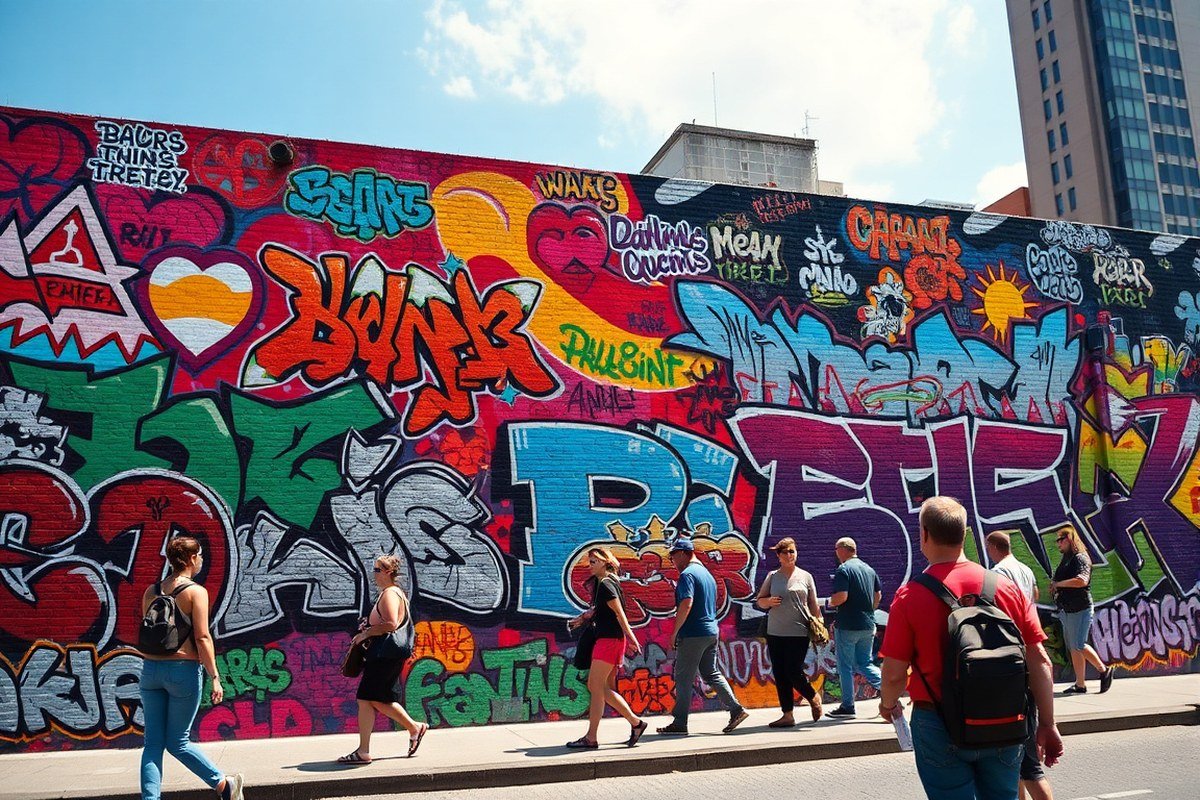
Should graffiti be considered art? Yes, it qualifies as an art form because it combines creativity, technical skill, and visual storytelling. Graffiti also reflects culture and social messages, making it a unique artistic expression. To appreciate it, focus on works done with permission and respect community context.
Key Takeaways
- Graffiti blends creativity and technique, showing clear artistic mastery through styles like 3D illusions and sharp contrasts.
- It serves as a powerful vehicle for cultural expression and social commentary, connecting to community identities.
- Legal views distinguish graffiti as vandalism unless done with property owner consent, affecting how it’s perceived.
- Historically, murals like San Diego’s United Farmworkers piece have been preserved, showing lasting cultural value.
- Art auction prices for famous graffiti artists like Basquiat and Banksy highlight its recognized artistic worth.
- Modern graffiti started in 1970s New York as part of hip-hop culture, evolving into a global art phenomenon.
Why Graffiti Qualifies as an Art Form
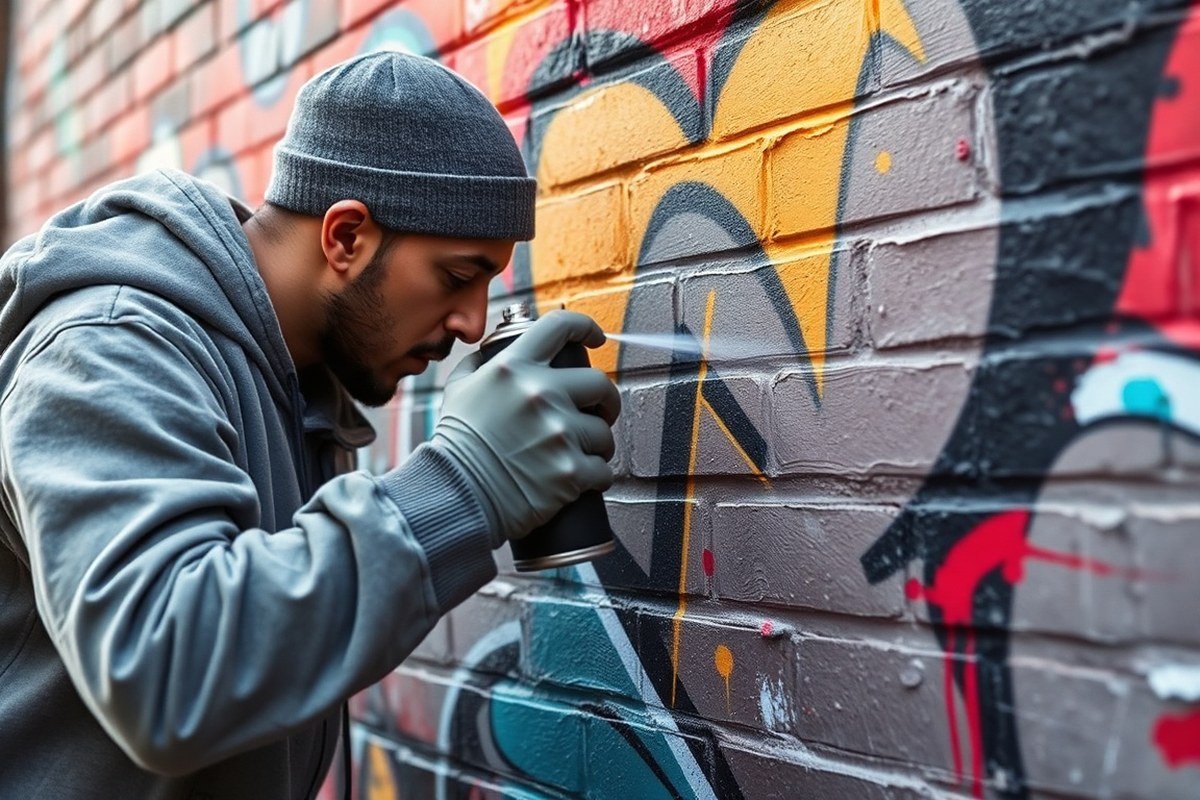
Graffiti qualifies as an art form due to its combination of creativity, technical skill, and expressive power. Artists use spray paint and a variety of mixed media techniques to create complex visual stories and textured, multidimensional pieces. The constant experimentation with layering, color blending, and innovative materials shows the adaptability and craftsmanship involved. This artistic process demands precision and mastery of tools unlike many traditional art forms.
Artists like Retna demonstrate that graffiti can reach exceptional levels of skill and originality, proving its worth as serious artwork. The lettering styles, tags, and painted imagery require not only fine motor control but deep knowledge of composition and visual impact. Different styles, from bold, colorful murals to intricate monochrome tags, each bring a unique aesthetic that influences graffiti’s artistic value.
Evaluating whether a graffiti piece is art involves recognizing its creative elements more than the setting. Look for intentional design choices like balanced shapes, thoughtful color palettes, and clear thematic expression. Pieces that show deliberate planning, strong technique, and convey a meaningful message showcase the qualities of art. Graffiti created with freedom of expression often communicates cultural identity or social issues, adding depth beyond surface appearance.
While unauthorized graffiti on private property is often labelled vandalism, art requires consent or context to be validated legally and ethically. When permitted, graffiti becomes a form of street art celebrated for its dynamic contribution to urban culture. The skills, techniques, and creative visions behind graffiti clearly position it within the spectrum of recognized art forms, making it not just random marks but purposeful artistic expression.
How Graffiti Expresses Culture and Social Messages
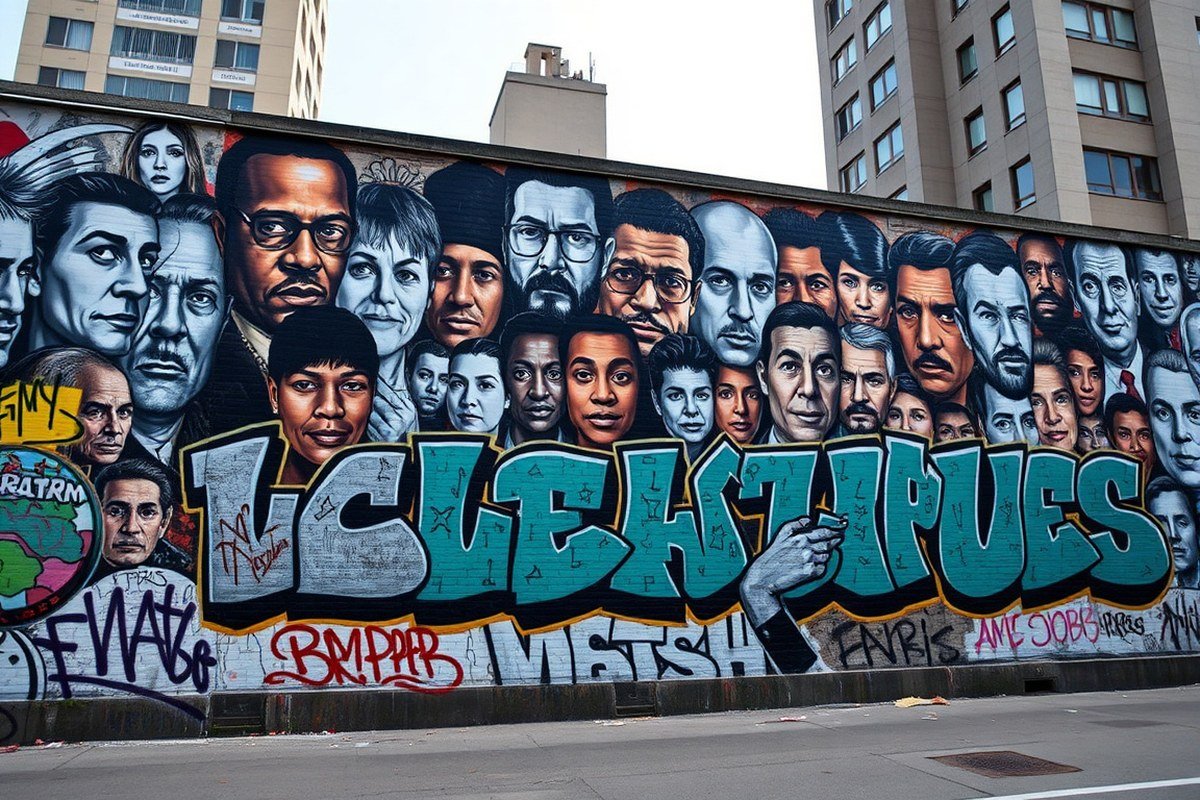
Graffiti serves as a powerful form of social commentary and political expression within many communities. Artists often use walls and public spaces to highlight issues like inequality, racial justice, or local cultural struggles. Such works reflect important moments tied to specific places, turning public surfaces into open forums for voices that might otherwise go unheard. This role makes graffiti much more than decoration, it becomes a visual language for social activism.
The cultural significance of graffiti lies in its ability to tell stories rooted in urban experience. Throughout history, graffiti has been a medium for youth culture, connecting music, fashion, and local identity. For instance, blending ancient scripts with contemporary styles or integrating neo-expressionist elements reveals layers of history and community pride. These stories often resonate deeply with residents and visitors alike, offering insight into cultural narratives that official institutions may overlook.
Graffiti’s influence extends beyond public walls into modern design and creative industries. Its bold typography, vivid colors, and rebellious style have reshaped graphic design, advertising, and fashion worldwide. Collaborations between street artists and luxury brands highlight how urban art informs contemporary visual language, driving trends in sneaker culture, music videos, and product packaging.
Community attitudes toward graffiti vary widely and often affect how it is perceived and regulated. Some neighborhoods embrace graffiti as a valuable cultural asset that brings vibrancy and dialogue to public spaces. Others, especially where graffiti is associated with vandalism or offensive messages, may adopt policies for prompt removal. For example, many cities prioritize erasing racist or sexist graffiti within 24 hours, reflecting a balance between freedom of expression and community standards.
To interpret social themes in graffiti effectively, look for context clues like symbols, text, and location. Pay attention to recurring motifs that might connect to local history or political movements. Engaging with street art tours or online platforms dedicated to urban art can deepen your understanding. Keep in mind that authorized street art often has different intentions than unauthorized graffiti, it usually aims for broader public engagement and clearer visual storytelling.
Legal and Ethical Perspectives on Graffiti
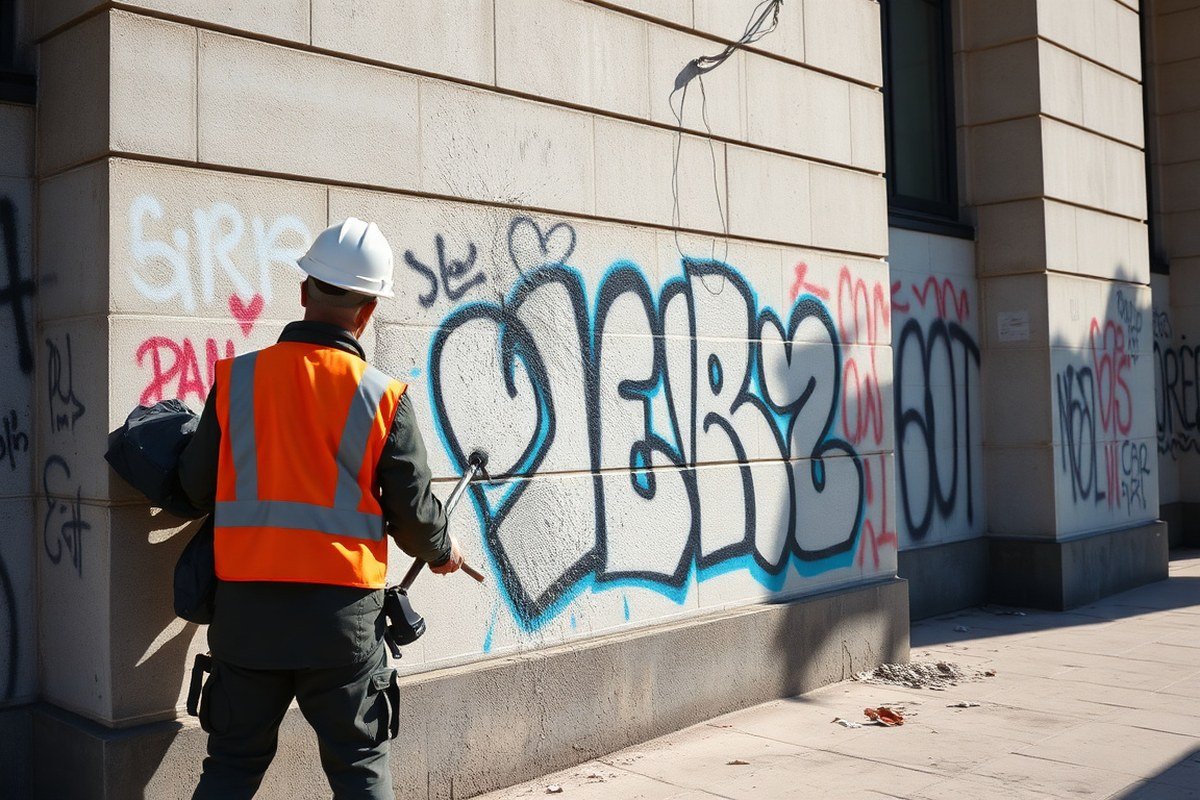
Graffiti’s legal status depends on property rights and consent. When artists paint on private or public property without permission, their work is classified as vandalism, often leading to fines or criminal charges. Many cities spend thousands of dollars annually to remove unauthorized graffiti from streets, parks, and transit systems, which fuels negative perceptions. In contrast, Commissioned murals and legal graffiti zones offer sanctioned spaces where artists can create without legal risks, supporting community engagement and cultural expression.
Some cities provide designated walls or organize mural programs to balance respect for property owners with artists’ freedom. Graffiti in these settings benefits from official protection and public appreciation, unlike unauthorized pieces that are immediately subject to removal. This distinction makes a clear legal and ethical difference, affecting how the public perceives graffiti’s legitimacy.
The decision to label graffiti as art or vandalism often depends on consent and context. For example, a mural commissioned by a city council on public property is legal and celebrated, whereas spray painting on a private building without permission is illegal and treated as damage. This framework protects property rights while creating opportunities for urban beautification. Artists who use legal walls can spend weeks designing complex works, showcasing bold colors and social messages without fear of repercussions.
The controversy around graffiti often arises from its ambiguous position between public art and property damage. Advocates highlight graffiti’s role in amplifying marginalized voices and shaping urban culture. However, critics emphasize respect for property and the costs of cleanup as reasons to limit unauthorized graffiti. To engage responsibly, artists and communities should prioritize obtaining permission or working within legal programs to avoid conflicts and foster positive outcomes.
Graffiti’s Evolution and Impact on Urban Environments
Graffiti’s evolution began in the late 1960s and early 1970s in New York City, where it started as simple tags on subway cars and walls. These early pieces used quick spray can techniques and bold lettering, marking territories or signatures. Over the decades, graffiti transformed as artists incorporated more complex styles, colors, and themes. By the 1980s and 1990s, works moved from back alleys and trains to public murals, gaining wider acceptance and pushing into galleries worldwide.
Graffiti’s impact on urban environments depends on how communities manage it. Cities like Berlin and Melbourne protect certain murals because they attract tourists and promote cultural pride. These sanctioned artworks often encourage urban revitalization by improving neglected areas with vibrant, meaningful decorations. Conversely, cities without supportive policies may view graffiti as vandalism, leading to quick removal and a perception of urban decay. Public and private spaces react differently: public walls guided by city programs can become cultural landmarks, while private properties often resist unauthorized graffiti.
Case studies highlight contrasting approaches. New York City, once strict against graffiti, gradually embraced it by commissioning street artists for projects that boost neighborhoods and tourism. Similarly, Miami’s Wynwood Walls turned an industrial area into a famous art district, with murals earning multi-million dollar bids. Such examples show how Graffiti can transition from temporary markings to valuable cultural assets. The cost of supporting street art ranges from city-funded maintenance to organizing legal walls, but results include stronger community identity and increased visitor interest. Without thoughtful policies, graffiti risks being dismissed as damage, missing opportunities for urban improvement.
How to Appreciate and Engage with Graffiti Responsibly
Enjoying graffiti art safely begins with recognizing the difference between authorized works and vandalism. Most graffiti artists follow a process that involves preparing the surface, selecting areas where their work can be shown legally, and often collaborating with property owners or community programs. These steps help preserve both the artwork and the space it occupies, making it easier for everyone to appreciate the artist’s intent.
Public and private spaces play a big role in how people view graffiti. Government-approved walls or murals in public parks can invite admiration, while graffiti on private property without permission can be seen as vandalism affecting homeowners and businesses. This distinction is important for ongoing acceptance and respect from communities.
Common misconceptions about graffiti include the idea that it always damages property or lacks artistic skill. In reality, many graffiti pieces are carefully planned, taking hours or days to complete without harming the surface. Galleries and collectors also influence graffiti’s reputation by showcasing and valuing it as a true art form, helping shift public perceptions beyond just street-level tagging.
- Look for signs indicating legal graffiti zones or community mural projects
- Respect private property and avoid touching or defacing existing artwork
- Learn about the artist’s background and the message behind the piece
- Support local art events where graffiti is displayed legally
- Purchase prints or merchandise from artists to encourage responsible art creation
Following these steps helps you engage with graffiti ethically, supporting artists who respect legal boundaries and contributing to a positive urban arts culture. This approach benefits artists, residents, and city planners by maintaining a balance between creative expression and community order.
How to Explore Graffiti Art with Respect and Insight
You can deepen your understanding of graffiti as an art form while respecting its cultural and legal context. Follow this plan to engage thoughtfully and responsibly.
- Before you start: Research local graffiti laws to avoid legal trouble. Check city websites or local government resources to confirm what is permitted.
- Day 1: Visit a legal graffiti wall or mural space to see street art that’s openly accepted. Notice the styles and subjects to appreciate the diversity and skill.
- Week 1: Read articles or watch documentaries on graffiti culture highlighting its community impact and social messages. You’ll gain perspective on its significance beyond vandalism.
- Week 2: Attend a local art event or gallery featuring street artists. Engage with artists if possible to ask about their work and motivations.
- Month 1: Try creating your own graffiti-inspired art in a permitted space to understand the creative process firsthand. Reflect on what expression means to you personally.
- Ongoing: Support community efforts that provide legal outlets for graffiti, such as advocacy groups or public art programs. Your involvement helps shift public perception positively.
Frequently Asked Questions
Can Graffiti Be Considered Art If It Damages Property?
Graffiti often qualifies as art based on creativity and skill, but damage and lack of consent classify it legally as vandalism. Respect for property rights is key to separating art from illegal acts.
Does the Public Perception of Graffiti Affect Its Status as Art?
Yes, public opinion influences whether graffiti is seen as art or vandalism. Community acceptance can lead to legal murals and preservation efforts.
How Do Graffiti Artists Develop Their Skills?
Graffiti artists hone their technical skills through practice and studying styles, much like traditional artists. This training helps improve graffiti beyond simple markings.
Can Graffiti Convey Political or Social Messages Effectively?
Graffiti excels at amplifying social issues and political voices, challenging mainstream narratives. Its public nature makes it a powerful communication tool.
Is Graffiti Recognized in Formal Art Institutions?
Increasingly yes, museums and galleries showcase graffiti, legitimizing it as contemporary art. This recognition helps shift debates about its artistic value.
The Bottom Line
Graffiti holds artistic value through its expression of culture, identity, and social issues, even as opinions vary on its legality and appropriateness. By approaching it with respect and curiosity, you can appreciate graffiti as a complex form of art while supporting community standards. Start by exploring local legal mural projects to see this vibrant art form alive and well in your own city.