
How to Wrap Canvas Art Safely: A Complete Guide for Perfect Protection
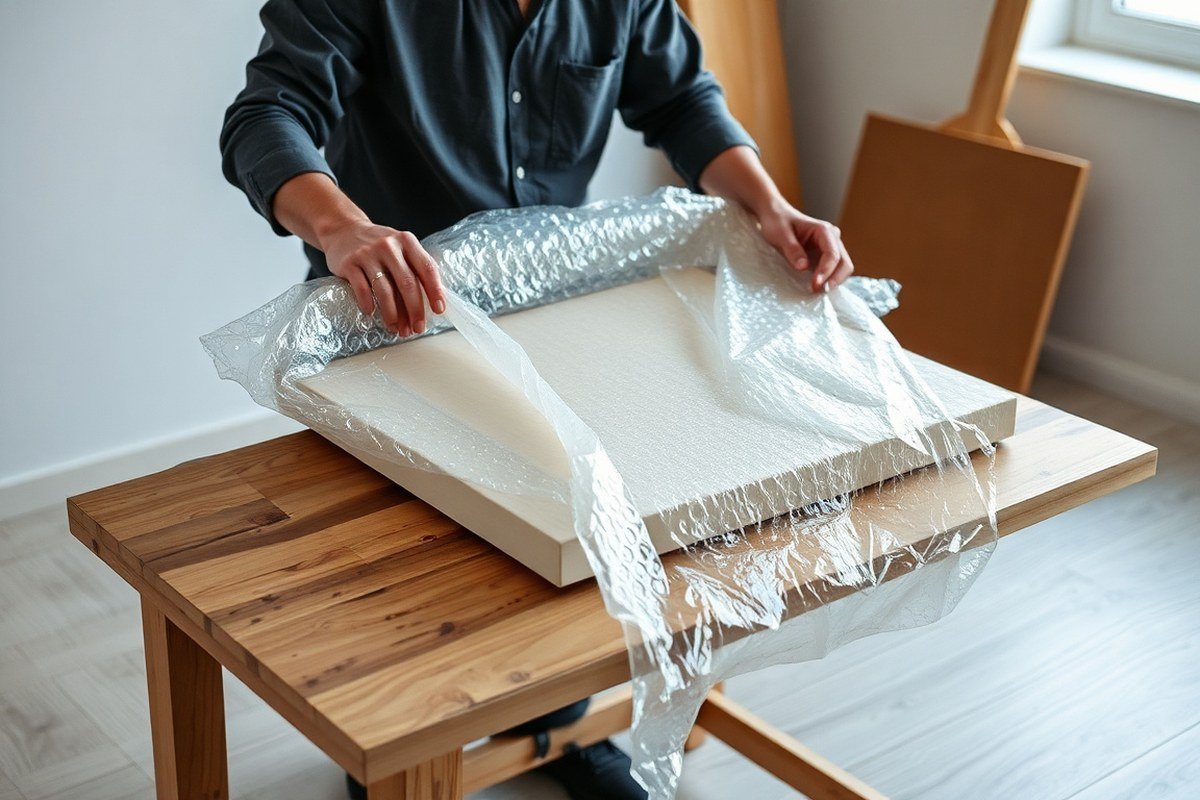
How to wrap canvas art safely starts with choosing the right protection materials and wrapping techniques to shield your piece from damage. Cover your canvas edges with foam or bubble wrap, then secure with painter’s tape to avoid sticking the tape directly to the surface. Begin by laying your canvas face down on a clean surface to work efficiently without risking front damage.
Key Takeaways
- Use foam wrap or bubble wrap around edges to cushion and prevent frame dents during shipping or storage.
- Cover artwork face with clean kraft paper to protect against scratches before applying plastic wrap.
- Select a box or crate that’s at least 1, 3 inches larger than your wrapped canvas for safe transport.
- Oil paintings need six months of curing before wrapping to avoid surface damage from moisture or pressure.
- Small canvases under 24 inches can be shipped safely in sturdy cardboard boxes with padding.
- Avoid direct tape contact on canvas surfaces; use painter’s tape over protective layers to prevent residue.
How to Wrap Canvas Art Step-By-Step for Maximum Protection
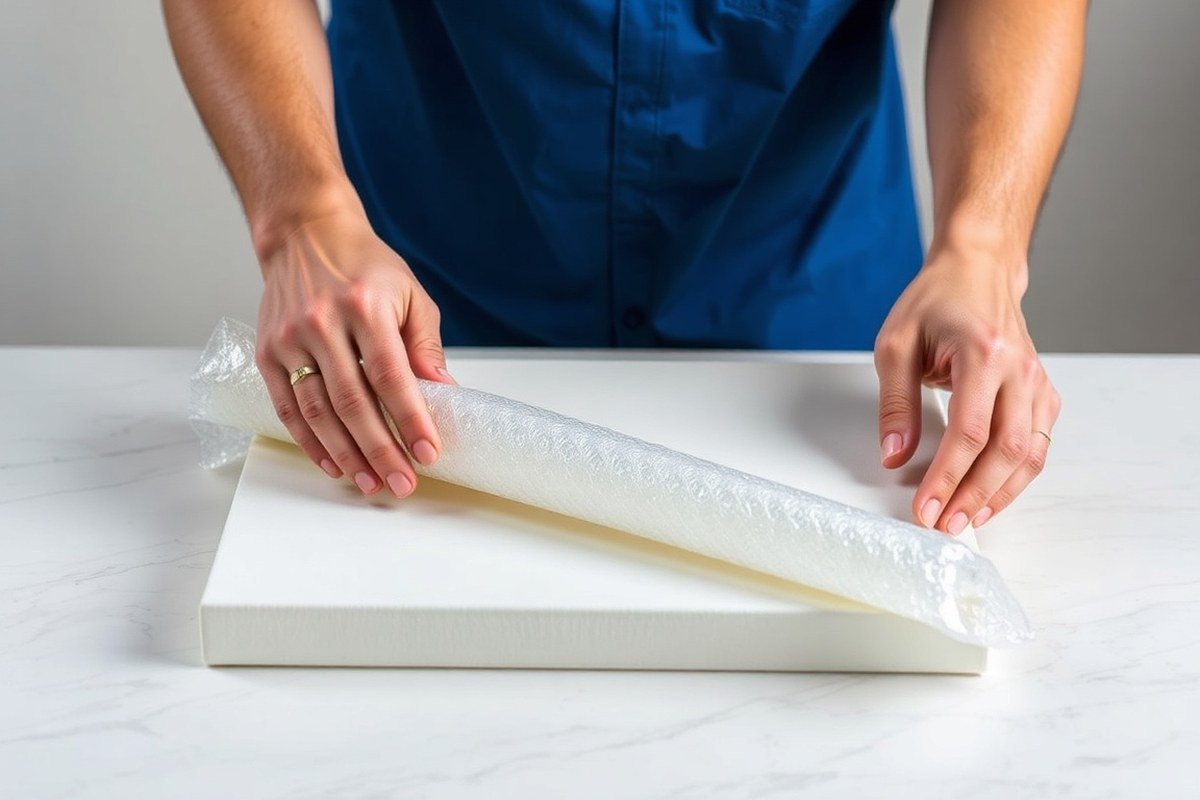
Wrapping canvas art securely protects it from dents, scratches, and moisture during shipping or storage. Covering edges and corners is especially important, as these areas are most vulnerable to impact damage. Using foam wrap or acid-free paper cushions the canvas without applying pressure that could deform the art. To keep everything in place, use painter’s tape or acid-free tape, which won’t harm the canvas or its surface.
- Lay the canvas face down on a clean flat surface, making sure the painted side is protected from direct contact. This helps prevent smudging or scratching during wrapping.
- Cover edges and corners with foam wrap, folding the foam tightly like a gift. Trim any excess material to avoid bulky folds that can shift during transport. This step cushions fragile edges effectively.
- Apply acid-free tissue paper or wax paper over the painted surface to protect it from static or abrasion caused by bubble wrap or foam wrap.
- Wrap the entire canvas in bubble wrap, keeping the wrap taut but not overly tight to avoid pressure marks. Secure with painter’s tape or acid-free tape around the back.
- Cut a piece of cardboard slightly larger than the canvas, score the edges, and fold it around the wrapped canvas, creating sturdy flaps that hold the piece firmly.
- Tape all edges and flaps securely, reinforcing corners with extra tape to prevent shifting during handling.
- Label the package as “Fragile” and “Do Not Stack” when relevant, especially for larger or heavily textured canvases needing extra care.
This method provides multiple layers of protection, focusing on cushioning vulnerable edges and avoiding slipping or pressure points. Skipping protective layers or using adhesive tape directly on the painted surface can cause damage. Keep the wrapping materials dry and store the wrapped canvas in a moisture-free environment to avoid condensation or mildew during storage.
Which Materials Work Best for Wrapping Canvas Paintings?
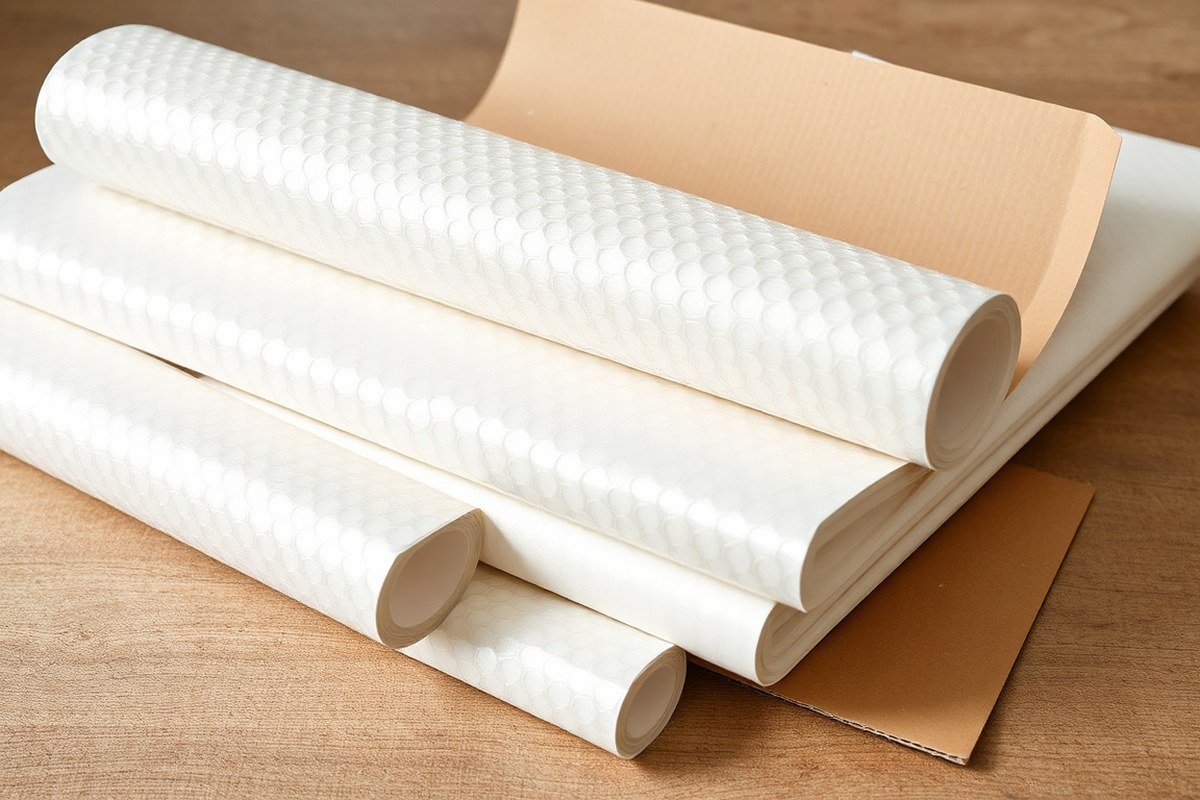
To protect canvas paintings effectively, start with Acid-free parchment or glassine paper. These materials guard against chemical damage and prevent paint surfaces from sticking to wrapping layers. Avoid placing bubble wrap directly on the canvas surface unless the painting is fully dry and strong; use the bubble wrap with the bubbles facing outward and the flat side toward the painting to reduce abrasion risks. Plastic wrap should never touch the paint directly because trapped moisture can cause surface damage over time.
Tapes and adhesives must not harm the canvas or leave residue. Use Painter’s tape or acid-free paper tape, which come off cleanly without pulling paint. Avoid standard packing tapes on the artwork itself and only use them on outer packaging or cardboard edges.
- Acid-free parchment or glassine paper to wrap around the entire canvas front and back
- Bubble wrap with bubbles outward, used only over paper layers
- Painter’s tape or acid-free paper tape to secure wraps
- Cardboard corner protectors to reinforce vulnerable points
- Foam board or corrugated cardboard for extra cushioning during shipping
- Clear plastic sheeting only as an outer moisture barrier, never touching the paint surface
Begin by cutting the acid-free paper to fully cover the canvas with some overlap. Wrap the painting with this paper, then add bubble wrap over it to absorb shocks. Secure corners with cardboard protectors before taping the wrap carefully, avoiding contact with the canvas itself. These steps keep paint and varnish layers safe while providing cushioning needed for transport or storage.
How Wrapping Methods Vary by Canvas Size and Purpose
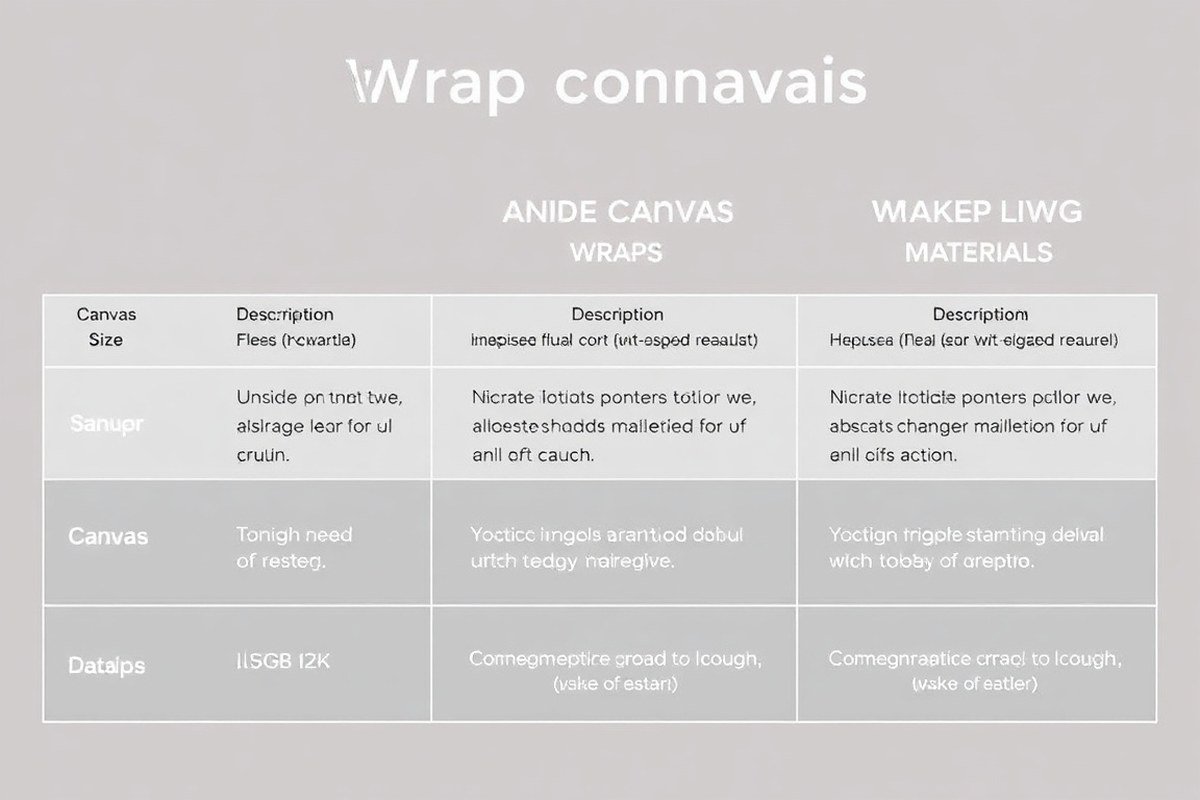
Wrapping canvas art varies based on size and whether it’s for shipping or storage. Small canvases (under 18×24 inches) are easier to handle and can be wrapped with minimal layers, while large canvases (over 36 inches) demand sturdier materials and more protective steps. Shipping needs extra shock absorption and impact resistance, whereas storage focuses on long-term protection against dust, moisture, and temperature changes.
Choosing the right method depends on your canvas size and the goal. For small pieces, cost-effective solutions like foam wrap and cardboard sheets work well. Medium sizes require more strong wrapping, often combining foam and bubble wrap with protective art bags. Large canvases often call for custom crates or reinforced cartons, plus foil-backed art bags to prevent environmental damage.
| Canvas Size | Best Wrapping Method | Purpose | Key Steps | Estimated Cost* |
|---|---|---|---|---|
| Small (<18×24 in) | Foam wrap + Cardboard sheets | Shipping & short-term storage | Lay canvas face down on foam, cover fully, add two cardboard sheets, tape securely | $3, $8 per piece |
| Medium (18×24 to 36×36 in) | Foam wrap + Bubble wrap + Art bags | Shipping & medium-term storage | Wrap foam, add bubble wrap, insert into foil-backed art bag, seal tightly | $8, $20 per piece |
| Large (>36 in) | Custom crates + Art bags | Shipping & long-term storage | Wrap with foam and bubble wrap, use foil art bag, place in custom wooden crate | $50, $200+ |
| Any | Foil-backed ‘Stiffy’ art bags only | Long-term storage | Wrap art, slide into art bag, seal to protect from moisture and dust | $5, $15 per bag |
*Estimated costs include materials only and vary by supplier and quantity. Large canvas custom crate prices can increase due to labor and materials.
For long-term storage, using Foil-backed art bags is critical regardless of size to protect against moisture and airborne contaminants. When shipping, adding multiple protective layers and sturdy external packaging minimizes damage risks. Large canvases especially benefit from custom crates to absorb shocks and prevent warping. Smaller canvases can be safely shipped or stored using foam wrap and cardboard, but be sure to secure all edges fully. Always tailor your method to the canvas dimensions and expected handling to achieve the best protection.
Special Considerations for Wrapping Oil and Fragile Paintings
Oil paintings need particular attention before shipping or storage because they take a long time to dry completely. The paint requires a minimum of six months to cure fully, meaning it becomes hard and no longer tacky. Wrapping an oil painting that hasn’t cured completely may cause the surface to stick or get damaged. To prevent this, cover the artwork initially with glassine, a smooth, non-stick paper that keeps packing materials from attaching to the paint’s surface or texture.
When handling Fragile or valuable canvas art, extra precautions are necessary to protect the artwork from impacts, pressure, or accidental bending. Carefully measure and cut parchment paper large enough to cover both the front and back of the canvas fully. Parchment paper provides a protective layer without sticking to or altering the texture below. Next, place a layer of foam carefully under and then around the canvas. After this, wrap the artwork tightly but gently with foam sheets and a cardboard outer layer to absorb shocks during transit.
For highly valuable pieces, reinforce the shipping box with extra tape on all seams and edges. This helps prevent structural failures that could let in moisture or cause physical damage. Label the box clearly with warnings such as “Fragile” or “Painting with glass frame” to alert handlers to treat the package with care. Handling instructions and secure wrapping prevent damage to the canvas texture, paint surface, and frame during transport or storage.
Common Mistakes in Wrapping Canvas Art and How to Fix Them
Failure to secure the wrap tightly around the canvas allows shifting, which can cause creases, tears, or damage to the paint surface. Make sure the wrapping material fits snugly without stretching it too tight. Use gentle tape like painter’s tape or acid-free paper tape to hold the wrap in place, avoid duct tape or masking tape that can leave residue or tear the canvas.
Omitting a moisture barrier can lead to water damage during shipping. Adding a clear plastic sheeting layer over the wrapped canvas protects it from humidity, rain, or accidental spills. Cut the plastic to completely cover the canvas plus the wrapped material, then seal the edges with tape to prevent moisture getting inside.
- Wrap the canvas with a clean, soft material that won’t scratch the surface, such as unbleached cotton or acid-free paper.
- Test for secure wrapping by gently shaking the package to confirm no inner movement.
- Use corner protectors or lightweight wood strips to frame the painting and avoid corner bumps.
- Avoid overusing tape; apply only what is necessary to prevent damage when unwrapping.
- Shield oil paintings with extra cushioning to protect against cracking due to temperature changes.
- Label the package clearly with “Fragile” and “This Side Up” to alert handlers to extra care.
Check that the wrapped art does not shift inside any shipping box by gently pressing from different angles; secure any loose space with packing peanuts or bubble wrap. Applying supportive framing with ½ inch wood strips or square dowels can keep the canvas rigid and reduce flexing. Ensuring these steps provides you with more confidence that the canvas will arrive intact and undamaged from transport or storage.
When to Use DIY Wrapping Versus Hiring Professional Art Handlers
Use Professional art handlers and custom crates when your canvas art is large, valuable, or fragile enough that even minor damage would be costly. Custom crates typically cost between $200 and $800 depending on size and materials but provide rigid protection from impact, moisture, and compression during shipping or long-term storage. For paintings over 40 inches in any dimension or those with delicate surfaces like oil or textured acrylics, a crate offers safer handling than DIY bubble wrap or foam alone.
The decision rule to opt for professional crating is based on three factors: size, value, and fragility. Small to medium pieces under 24 by 36 inches that are moderately priced can often be protected well with DIY wrapping and a sturdy cardboard box. Works worth thousands of dollars or exceeding 40 inches should be professionally crated. Art with brittle paint or loose elements also benefits from professional handling because specialized materials and techniques reduce abrasions and pressure damage.
Professionals use Specialized foam wraps and acid-free materials that go beyond household bubble wrap. You can buy or rent custom-sized foam padding, corner protectors, and breathable moisture barriers that help maintain your art’s condition during transit. Many art handlers supply these materials with crate orders but you may also purchase them separately for DIY packaging. Foam should be placed with the canvas face down to protect the painted surface and then wrapped securely.
Even when wrapping yourself, placing your canvas inside a well-built cardboard box or crate reduces movement and puncture risks. Wrapping alone isn’t enough for long-distance or freight shipping. DIY wrapping suits short, trusted routes with careful handling. Professional crate building ensures stable support and proper shock absorption for expensive or large artwork, minimizing insurance claims and repair costs.
Tips for Securing and Transporting Wrapped Canvas Paintings Safely
To Secure your wrapped canvas so it doesn’t shift or get damaged, start by centering the painting inside the box or crate. The tighter the fit, the less it will move during transport. Use small pieces of tape to firmly attach the canvas wrap to the interior walls, preventing sliding inside the container.
Edges where staples or frames meet can be vulnerable points. Cushion them with foam corner protectors or folded acid-free paper before wrapping, then secure the wrap carefully around these areas to avoid tearing. Avoid pulling the wrapping material too tight at these edges to prevent stress on the canvas.
For long-term storage, make sure to use breathable materials like acid-free paper as the base wrap to protect the canvas from moisture buildup. Store the boxing or crate in a climate-controlled environment, ideally between 65°F and 75°F with 45-55% humidity. Avoid direct contact with plastic for extended periods because condensation can cause mold or warping.
- Seal all box seams and edges with sturdy packing tape, reinforcing corners
- Use foam or cardboard inserts to fill empty space inside the box
- Label the box as “Fragile” and “Handle with Care” visibly
- Attach small tape strips inside the box to hold the wrapped canvas in place
- Avoid overpacking which can distort the canvas frame
- For crates, screw boards securely and add padding inside
These steps will help keep your wrapped canvas stable and protected from impact during shipping or storage. Poorly secured wraps risk scratches, dents at frame edges, and shifting that could crease or puncture the canvas surface. Investing time in careful securing improves the artwork’s condition upon arrival or retrieval.
Step-by-Step Action Plan for Wrapping Canvas Art
Follow this plan to wrap your canvas art securely, ensuring it stays protected during transport or storage.
- Before you start: Gather all necessary materials like acid-free paper, bubble wrap, and packing tape to avoid delays. You’ll know you’re ready when everything is within reach.
- Day 1: Clean the canvas surface gently if needed, using a soft brush or cloth. It’s done when no loose dust or debris remains without touching the painted surface directly.
- Day 1, next step: Wrap the canvas tightly with acid-free paper to prevent chemical damage. Check coverage on all sides before moving on.
- Day 1, wrapping: Add a layer of bubble wrap for impact protection, securing it with tape but avoiding adhesion to the canvas itself. The art should feel cushioned but not constricted.
- Day 1, final wrap: For large or especially fragile pieces, box the wrapped canvas, filling extra space with packing peanuts or foam. Confirm the box fits snugly without allowing the art to move.
- Day 2: Label the package clearly with “Fragile” and “This Side Up” to guide handlers. Labels should be visible on all sides.
- Before transport: Double-check the wrapping and box integrity. Confirm there’s no shifting or exposed canvas when moving the package gently.
Frequently Asked Questions
What Is the Best Way to Wrap a Canvas to Prevent Damage from Moisture?
Use moisture-resistant materials like plastic sheeting or waterproof bubble wrap to keep the canvas dry. This protects the paint surface and prevents mold during transport or storage.
How Can You Avoid Wrinkles or Creases When Wrapping a Canvas Print?
Wrap the canvas taut but not too tightly using foam wrap or bubble wrap. Excess slack can cause creases, while too much pressure might damage the weave or paint.
Should You Frame a Canvas Before or After Wrapping It for Shipping?
Frame the canvas before wrapping to provide structural support and protection. Wrap the entire framed piece carefully to secure the frame and canvas against impact during shipping.
Is It Necessary to Label Wrapped Canvas Art Packages as “Fragile”?
Yes, marking the package as “Fragile” alerts handlers to take extra care. Fragile labels reduce the risk of rough handling that can dent frames or damage stretched canvases.
How Long Does It Take to Properly Wrap a Canvas Painting for Transport?
It typically takes about 10 to 20 minutes depending on size and prep. Taking extra time ensures thorough coverage, reducing risks of damage during shipping or storage.
Final Thoughts
Properly wrapping canvas art guards it against scratches, punctures, and environmental damage during shipping or storage. Take the time to use the right materials and techniques to avoid costly repairs later. Start by testing your wrapping skills on a smaller piece to build confidence before handling your most valuable art.