
How to Sell Art on Amazon: Practical Steps for Successful Listings
Knowing how to sell art on Amazon means setting up a Professional Seller account, which requires a $39.99 monthly fee but unlocks full selling capabilities. You can then list your artwork, factoring in Amazon’s 15% referral fee per sale. Start by gathering digital images of your art and preparing accurate descriptions to create attractive listings.
Key Takeaways
- Choose the Professional Selling Plan on Amazon, paying $39.99 per month to sell unlimited art pieces.
- Upload clear, high-resolution images of your art to capture buyers’ attention effectively.
- Write detailed and honest descriptions, including size, medium, and inspiration behind your artwork.
- Price your art to factor in Amazon’s 15% referral fee while keeping a healthy profit margin.
- Use Amazon Seller Central to manage your inventory, payments, and sales analytics in one dashboard.
- Consider packaging your art securely to reduce damage risks during shipping and returns.
What You Need to Start Selling Art on Amazon
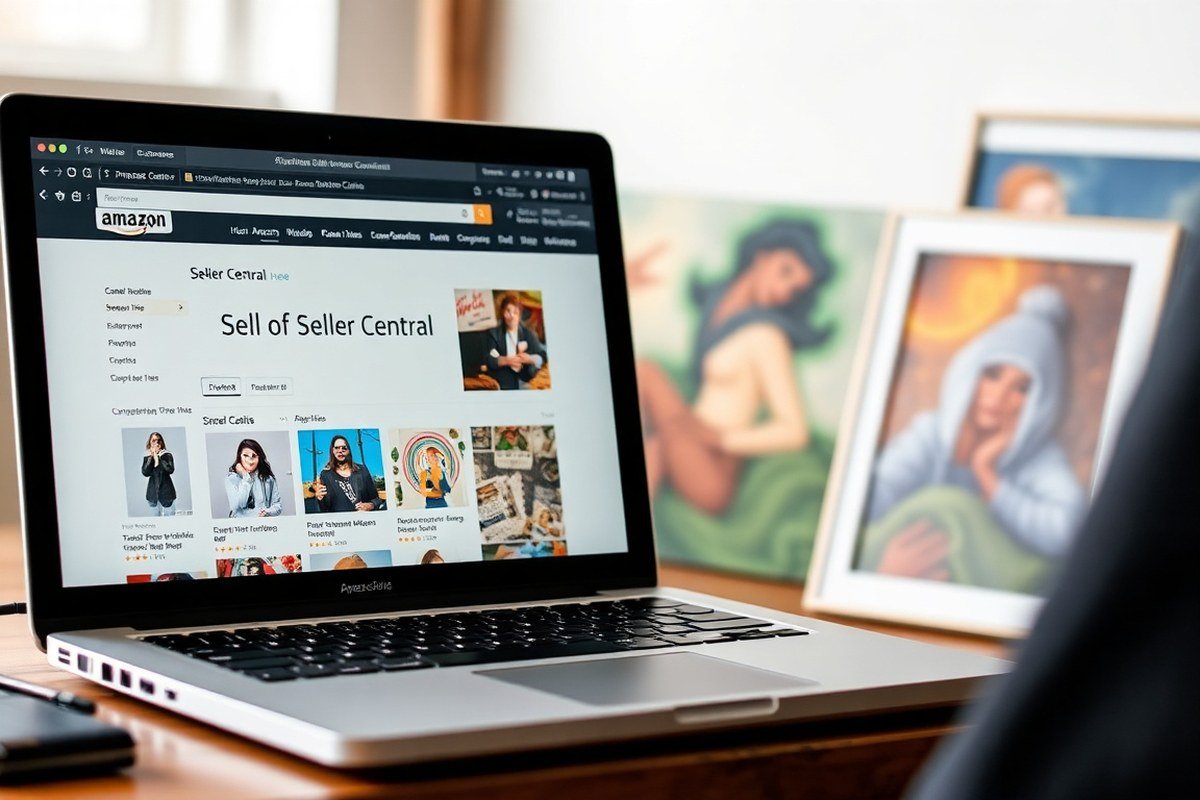
The first step to selling art on Amazon is creating a Professional Seller account. Amazon requires artists to sign up for the Professional selling plan at $39.99 per month to list artwork. This plan allows you to upload more than 40 items and access seller tools needed for scaling your art business. An Individual selling plan is available, charging no monthly fee but $0.99 per item sold; however, it limits you to under 40 listings, which generally restricts art sellers.
To set up your account, go to Amazon Seller Central, choose the Professional selling plan, and provide your tax information and banking details. You’ll also submit identity and business verification documents. Amazon’s approval process for art sellers typically takes a few days but can vary depending on completeness and category restrictions. You must also ensure your artwork meets Amazon’s category requirements to avoid delays or denials.
Here’s a step-by-step checklist: sign up on Amazon Seller Central, select the Professional selling plan, enter tax and banking data, upload identity verification documents, list your art products with clear descriptions, and wait for Amazon’s approval to begin selling. Alongside the subscription fee, consider additional charges like shipping, return processing fees, and fulfillment fees if you use Fulfilled by Amazon services.
The Professional plan provides more selling flexibility essential for artists who want to scale their presence on Amazon. The Individual plan suits casual sellers but restricts quantity and access to promotional features. Proper account setup and approval help avoid disruptions and ensure your art listings stay live without unexpected blocks.
How to Create High-Converting Art Listings on Amazon
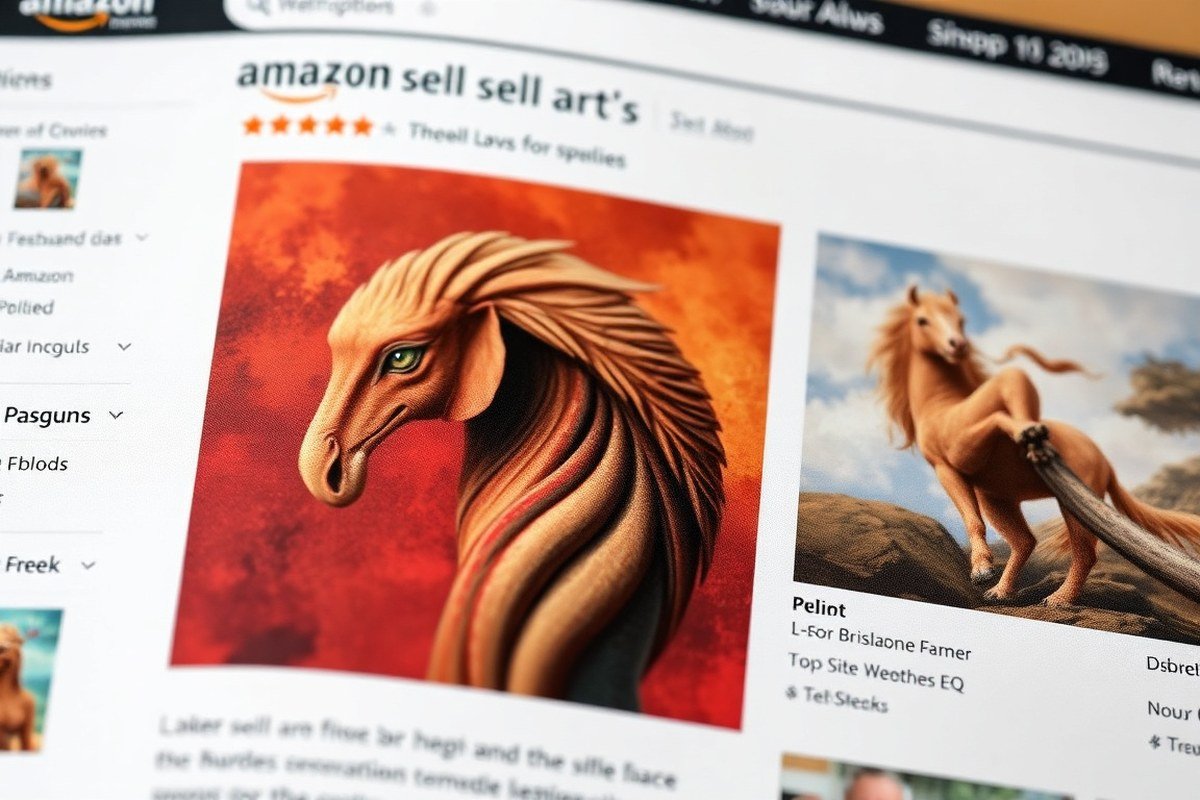
High-quality images are key to selling art effectively on Amazon since they let buyers view the artwork clearly and notice important details. Amazon’s rules require product photos to measure at least 1000 pixels on the longest side so customers can zoom in and examine colors and textures closely. A set of 4 to 6 photos usually provides the best presentation. The main image should be sharp, well-lit, and show the art centered against a simple background. Additional pictures might include close-ups of brushstrokes, different angles, and how the piece looks in a room to give a sense of size. Avoid images with busy backgrounds or poor resolution, as these can turn potential buyers away.
Craft your product titles by combining strong keywords with key details buyers search for, such as the art style and size. A practical template is: “Original [Art Style] Art Print, [Width]×[Height] inches.” For example, “Original Abstract Art Print, 24×36 inches.” Including measurements improves buyer confidence and reduces questions. Use keyword research tools like SellerSprite to discover what art buyers search for. Include those keywords naturally in your title, description, and backend search terms but avoid overstuffing.
Descriptions should provide context and evoke the feel of your art. Start with a clear statement about the piece, such as material and technique (“handmade acrylic on canvas”). Describe the theme or inspiration briefly, then explain where or how the art fits best, for instance, “perfect for modern living rooms or offices.” Break descriptions into short paragraphs for easy reading. Highlight unique selling points like limited editions or signed originals. Including keywords naturally boosts visibility while offering buyers useful information.
Use an optimization checklist to refine your listing: ensure your title includes relevant keywords and size; write a clear, engaging description with benefits and keywords; upload 4 to 6 high-resolution images covering detail and context; verify accurate category placement; and add backend keywords based on research. Good listings attract and convert customers by providing a clear picture of what they get and why it suits their needs. Failing to optimize titles or images can cause your listing to be overlooked or misunderstood, hurting sales chances.
How to Price Your Art to Ensure Profits on Amazon
Pricing your art for sale on Amazon requires careful consideration of all costs to ensure you turn a profit. Amazon charges a referral fee typically around 15% of the sale price on art items. This fee directly reduces your earnings, so you must factor it in when setting your price. Also, material costs such as canvases, paints, or printing supplies, packaging expenses, and shipping fees add to your total outlay. For example, if your art piece costs $20 to produce and package, and shipping will cost $5, the combined cost before fees is $25.
To calculate a profitable price, add your total costs, Amazon’s 15% commission, and your desired profit margin. Suppose you want a $10 profit. First, estimate the pre-sale cost plus profit: $25 + $10 = $35. Next, to cover the 15% referral fee, divide $35 by 0.85 (since you retain 85% after fees), which equals about $41.18. This is the minimum price to list to cover costs and profit.
When choosing a fulfillment method, consider how it affects costs. Using Fulfillment by Amazon (FBA) adds storage and fulfillment fees, which vary by size and weight, usually starting around $3-$5 per item. Those fees should be added to your base costs before calculating the final price. Shipping yourself (FBM) may cost less but requires more effort. If shipping is free for buyers, include that cost in your price instead of lowering profit.
Offering discounts or bundles can attract buyers but should only be done if the reduced price still covers all costs and desired profits. Bundles often help by increasing the average order value, spreading shipping costs over more items. Always ensure final pricing is clear to customers and matches realistic shipping timelines to avoid negative reviews or returns, which can impact your profitability.
Choosing the Right Fulfillment Method for Your Art
When selling art on Amazon, you have three main fulfillment options: Self-fulfillment, Fulfillment by Amazon (FBA), and Third-party services. Self-fulfillment means you store, pack, and ship your artwork yourself. This option gives you full control over packaging and shipping costs but requires time and effort to manage orders promptly. Shipping speed varies depending on your location and carrier choice, often taking several days. It works well if you sell a low volume of pieces or custom items that require personal handling.
Fulfillment by Amazon (FBA) lets Amazon handle storage, packing, shipping, and customer service. By sending your art inventory to Amazon’s fulfillment centers, you qualify for Prime shipping, which speeds up delivery and can boost sales. Amazon charges fees for storage and order fulfillment, so prices depend on your inventory size and sales volume. FBA is best suited for artists with ready-made paintings, prints, or art products that can be stored safely in bulk. You save time managing orders but give up some control over packaging and may face higher costs for slow-moving stock.
Third-party fulfillment services include print-on-demand (POD) platforms like Printify, which integrate with Amazon. These services print artworks on demand and ship directly to customers, so you never hold inventory or handle shipping. POD fits graphic artists and creators selling products like art prints on canvas or apparel. Printify’s system works with Amazon Seller Central, allowing easier scaling without upfront inventory costs. Shipping costs and delivery times depend on the POD provider and selected options.
Here’s a simple guide to choose your method: Use Self-fulfillment if you want full control and sell custom or low-volume pieces. Choose FBA if you have ready-to-ship inventory, want Prime eligibility, and prefer Amazon to handle logistics, despite additional fees. Select Print-on-demand services for low-risk scaling with no inventory, particularly for printable art products.
Marketing Strategies to Boost Visibility and Sales on Amazon
Amazon SEO improves the visibility of your art listings by optimizing keywords that buyers use to search for art. Start by researching keywords that fit your style and medium, using the Amazon search bar suggestions or keyword tools designed for Amazon sellers. Include these keywords naturally in your artwork titles, descriptions, and backend search terms. This helps your listings appear higher in search results, which can increase organic traffic without extra cost.
Social media platforms like Facebook, Pinterest, and TikTok are effective for driving traffic to your Amazon listings. Facebook groups focused on art collectors or local art scenes can introduce your work to potential buyers. Pinterest allows you to showcase your art visually and link pins directly to your Amazon product pages. TikTok videos can create engaging, behind-the-scenes content about your creative process to capture interest. Share stories behind your pieces, post high-quality images or quick time-lapse videos, and always include a link to your Amazon shop.
You can also use paid ads on Amazon through Amazon Advertising to boost visibility. Sponsored Product ads target specific keywords or similar products, costing roughly $0.20 to $2.00 per click depending on competition. Set a daily budget that fits your marketing plan and monitor your ad performance to avoid overspending. Social media ads on Facebook or Instagram, starting at about $1 per day, let you target audiences based on interests like art collecting, increasing traffic and sales. Combining ads with strong organic content works best.
A simple marketing script for social posts might say, “Discover my latest [type/style] artwork inspired by [theme]. Each piece is made with passion and available exclusively on Amazon. See the full collection [link]. Thank you for supporting independent artists!” Keep posts consistent, engaging, and visually focused. For artists on a tighter budget, focus more on organic social interactions and SEO instead of paid ads.
Tracking Sales, Handling Customer Service, and Scaling Your Art Business
Monitoring your art sales on Amazon means regularly checking your Seller Central dashboard. Track orders, product views, and advertising results to gauge what’s catching buyers’ attention. Pay close attention to customer feedback and reviews, as they reveal what’s working and what isn’t. Set a routine to review sales reports weekly or monthly. This helps spot trends, like which pieces sell faster or which keywords generate traffic. Avoid relying on gut feelings; accurate data pinpoints strong and weak spots in your art listings.
Providing excellent customer service builds trust and encourages repeat buyers. Respond to customer questions promptly within 24 hours. Keep communication polite and clear, addressing concerns fully. Handle returns or complaints following Amazon’s policies but add a personal touch to show you value the customer. Consistently good service boosts your seller rating, which affects your visibility and ability to win the Buy Box for your art. For example, thanking customers for their purchase and offering customization guidance can create loyalty.
Scaling your art business involves expanding your product range and increasing the number of listings strategically. Start with introducing variations of your best-selling pieces, such as different sizes or framed and unframed options. Look for gaps where your style can meet new buyer needs. Use advertising insights to target promising keywords, and promote your listings both on and off Amazon to drive traffic. Watch your inventory carefully; growing too fast without managing stock leads to delays and negative reviews. Some artists double their sales quarter-over-quarter by balancing steady growth with quality control.
Common mistakes include neglecting feedback, delaying customer replies, and adding too many new products without testing demand. Avoid spreading yourself too thin; focus on refining your top performers before scaling. Also, don’t ignore Amazon’s evolving policies or tools that can help automate parts of order handling and communication.
Your First 30 Days: A Quick-Start Plan
Follow this plan to set up your Amazon art store, list your work, and start attracting buyers quickly.
- Day 1: Register your seller account on Amazon and choose a selling plan that fits your volume. Verify completion by accessing your seller dashboard.
- Week 1: Prepare high-quality photos and write detailed descriptions for at least 3 art pieces. Confirm readiness by checking they meet Amazon’s listing guidelines.
- Week 2: Create your art listings with clear pricing based on your research. Know it worked if listings publish without errors and display your price correctly.
- Week 3: Decide on a fulfillment method and set it up, either Fulfillment by Amazon or self-fulfillment. You’re set when your shipping settings are active and tested.
- Week 3: Launch targeted marketing efforts using Amazon PPC ads or social media to drive traffic. Validate success by tracking click-through rates and ad impressions.
- Week 4: Monitor your sales and customer messages daily. Respond quickly to feedback or inquiries to build trust and reliability.
- End of Month 1: Analyze which listings perform best and plan to add similar pieces. Confirm by increased sales or higher customer engagement.
Frequently Asked Questions
What Is the Pre-Approval Process for Selling Art on Amazon?
You need to apply and get approved by Amazon before listing your art items. This involves verifying your artwork type and meeting Amazon’s quality standards, which ensures your listings comply with their policies and safeguard buyers.
Can I Sell Both Original and Digital Art on Amazon?
Yes, Amazon allows selling original artworks as well as digital art prints if they follow specific guidelines. You can also use print-on-demand services integrated with Amazon to sell reproducible art formats.
How Many Art Products Can I List on Amazon Without Extra Fees?
Amazon limits art sellers to listing no more than 40 unique items unless you have a Professional selling plan. Beyond that, each sale incurs a $0.99 fee, so managing your inventory carefully helps control costs.
Is Selling Art on Amazon Profitable Despite the Fees?
Selling art on Amazon can be profitable if you price your work strategically and factor in fees like the $39.99 monthly subscription and per-sale charges. Optimizing listings and selecting the right fulfillment can boost your margin.
Does Amazon Art Only Cater to Artists or Can Galleries Sell Too?
Amazon Art lets both individual artists and art dealers or galleries sell collections online. Galleries can use the platform to reach wider audiences, expanding their exposure beyond physical locations.
Final Thoughts
Starting your art selling journey on Amazon is about consistent steps and learning as you go. Focus first on creating solid listings that showcase your art well. Your immediate next step is to set up your seller account and prepare your initial listings, giving yourself the foundation to grow your presence and sales on Amazon.